1.Two Systems of Thinking
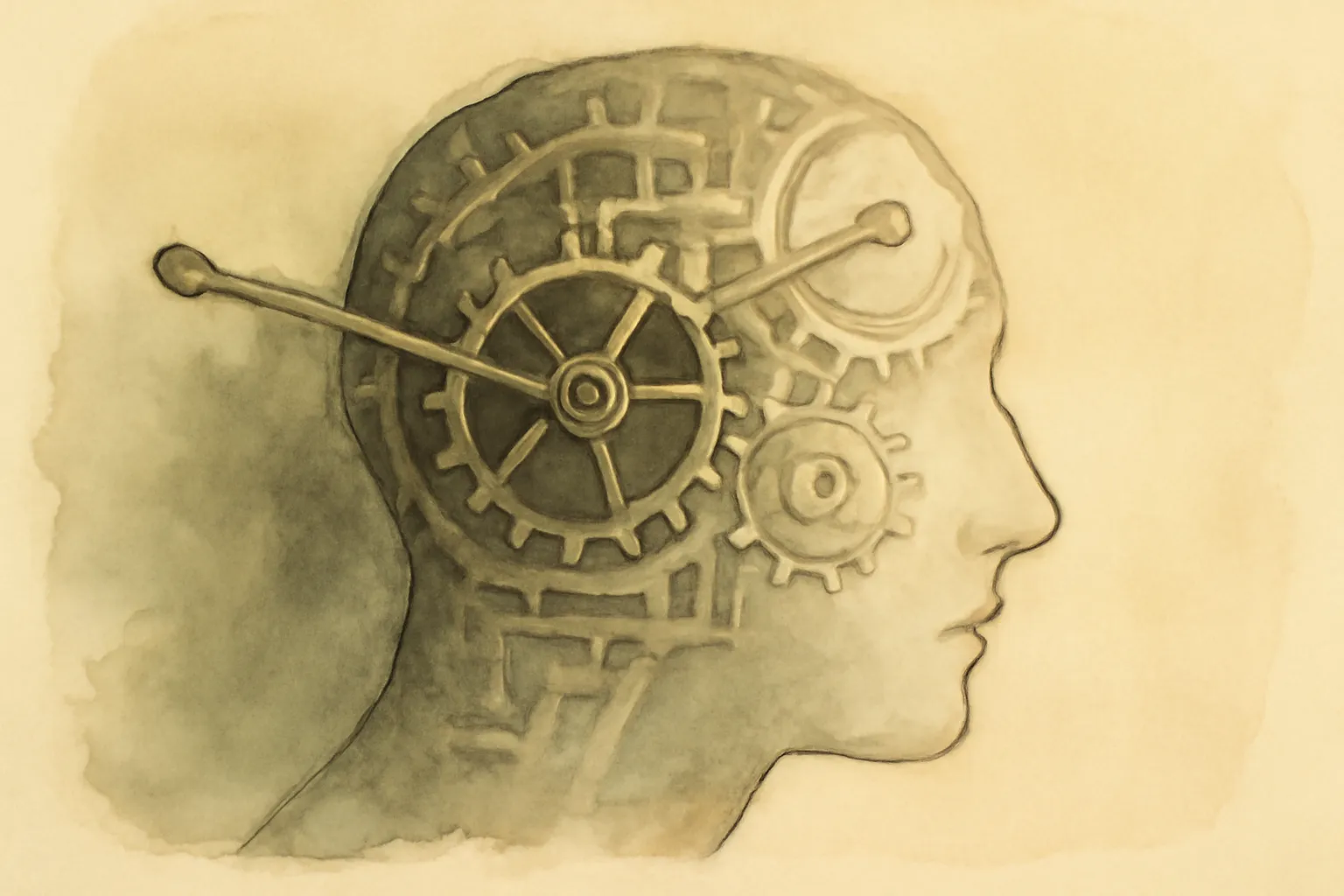
Kahneman introduces the concept of System 1 and System 2 thinking. System 1 is fast, automatic, and intuitive—responsible for snap judgments and gut reactions. System 2 is slow, deliberate, and analytical—engaged when we solve complex problems or question our instincts. Much of our daily thinking relies on System 1, but System 2 is crucial for critical reasoning. Recognizing which system is at work helps us understand why we sometimes make errors in judgment.
2.Cognitive Biases and Heuristics
The book explores how our reliance on mental shortcuts (heuristics) and biases can lead us astray. From overconfidence to anchoring effects, Kahneman details how these cognitive habits distort our perception of reality. For example, we often overestimate our knowledge, underestimate risks, or are swayed by irrelevant information. By exposing these biases, Kahneman encourages readers to question their assumptions and seek more objective perspectives.
3.The Illusion of Understanding
Kahneman argues that humans are prone to the illusion of understanding—we create coherent stories from limited information and believe we understand more than we do. This tendency leads to hindsight bias, where outcomes seem predictable after the fact, and to overconfidence in our predictions. Recognizing this illusion can make us more humble and cautious in our judgments, especially in complex or uncertain situations.
4.Prospect Theory and Loss Aversion
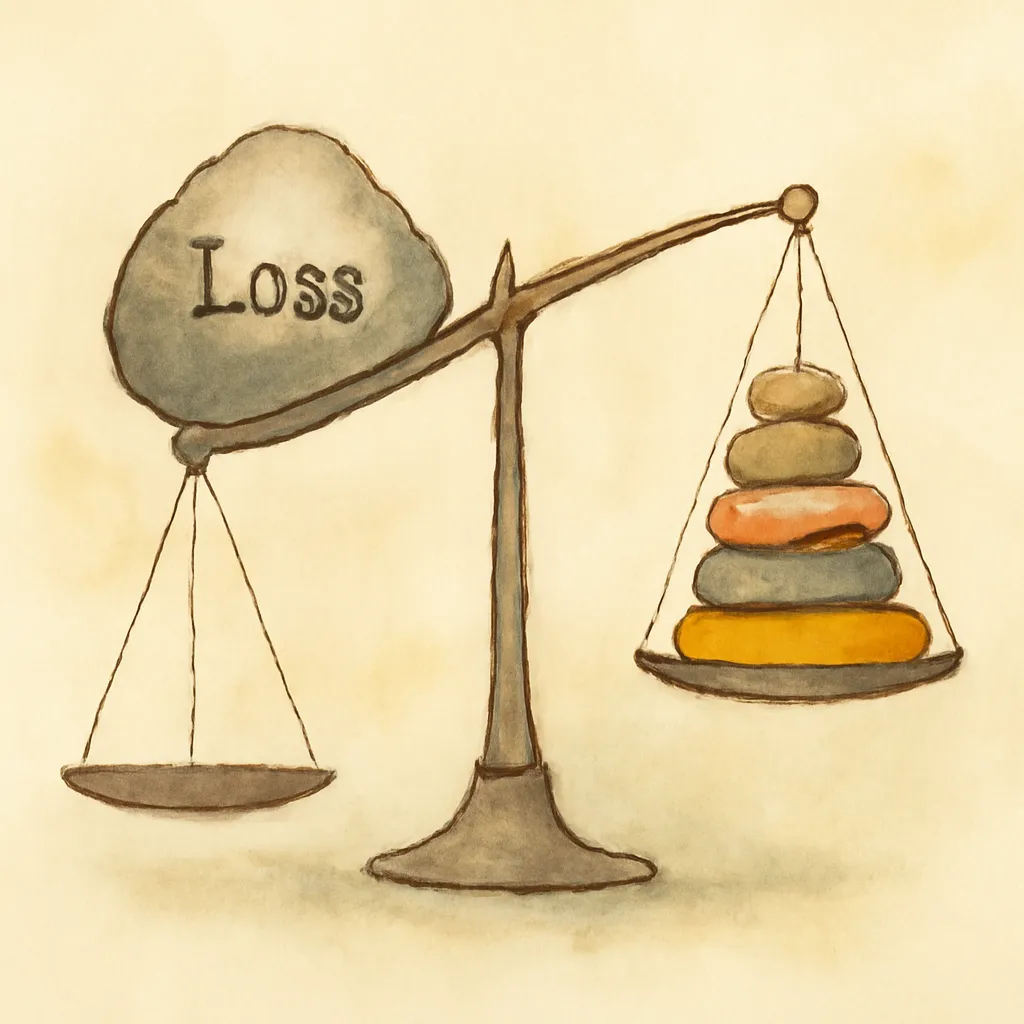
A key contribution of Kahneman’s work is prospect theory, which explains how people evaluate gains and losses. We are generally more sensitive to losses than to equivalent gains—a phenomenon called loss aversion. This insight challenges the traditional economic view that humans are rational actors and helps explain why people avoid risks, cling to bad investments, or make seemingly irrational financial choices.
5.The Limits of Intuition
While intuition can be powerful, Kahneman warns that it is often unreliable, especially in unfamiliar or complex domains. Experts may trust their gut, but unless they have extensive, feedback-rich experience, their intuition can be misleading. Kahneman advocates for using structured decision-making tools and statistical thinking to counteract the pitfalls of intuition.
6.Implications for Decision-Making
Kahneman’s insights have profound implications for personal and professional decision-making. By understanding our mental shortcuts and their limitations, we can design better processes, avoid costly errors, and improve outcomes. Whether in business, policy, or daily life, applying these lessons can lead to more rational, thoughtful choices.