

American Authors · Biography · Childhood and youth
This Boy's Life by Tobias Wolff — Summary, Key Ideas & Quotes
1989288 pages✦ 3-min Big ideas★ 4.0 (1)
Rate it
Wolff's account of his boyhood and the process of growing up includes paper routes, whiskey, scouting, fistfights, friendship, and betrayal in 1950s America.
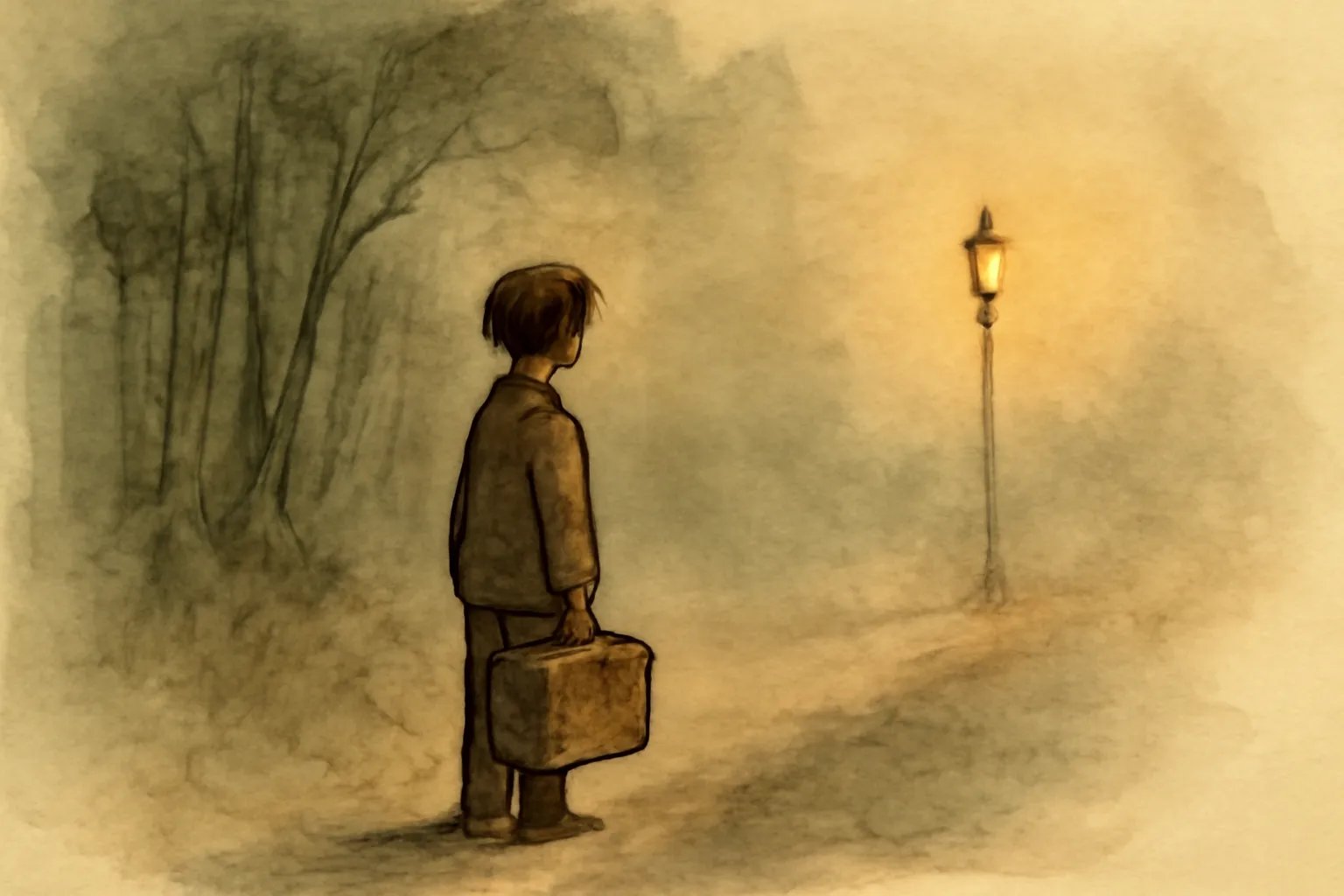
Wolff’s memoir is fundamentally about the ways in which a young person invents and reinvents himself to survive and to fit in. The book explores the tension between the person Toby wants to be and the person he feels forced to become, as he navigates the instability of his family life and the expectations of those around him. His frequent lies and fabrications are not just acts of rebellion, but attempts to assert control over a world that often seems hostile or indifferent. This theme resonates with anyone who has ever felt the need to adapt their persona in response to external pressures.
Central to the memoir is Toby’s complicated relationship with his mother, Rosemary, and his abusive stepfather, Dwight. Wolff portrays the deep bond and mutual dependence between mother and son, as well as the ways in which Rosemary’s own struggles for security and happiness shape Toby’s experiences. Dwight’s cruelty and manipulation become a crucible for Toby’s resilience, but also leave lasting scars. The memoir asks how much of our character is forged by the adults who raise us, and how children cope with parental failure.
“You are what you pretend to be. So you must be careful about what you pretend to be.”
“The first duty in life is to assume a pose. What the second is, no one has yet discovered.”