1.The Fluidity of Identity
Wolff’s memoir is fundamentally about the ways in which a young person invents and reinvents himself to survive and to fit in. The book explores the tension between the person Toby wants to be and the person he feels forced to become, as he navigates the instability of his family life and the expectations of those around him. His frequent lies and fabrications are not just acts of rebellion, but attempts to assert control over a world that often seems hostile or indifferent. This theme resonates with anyone who has ever felt the need to adapt their persona in response to external pressures.
2.The Impact of Parental Relationships
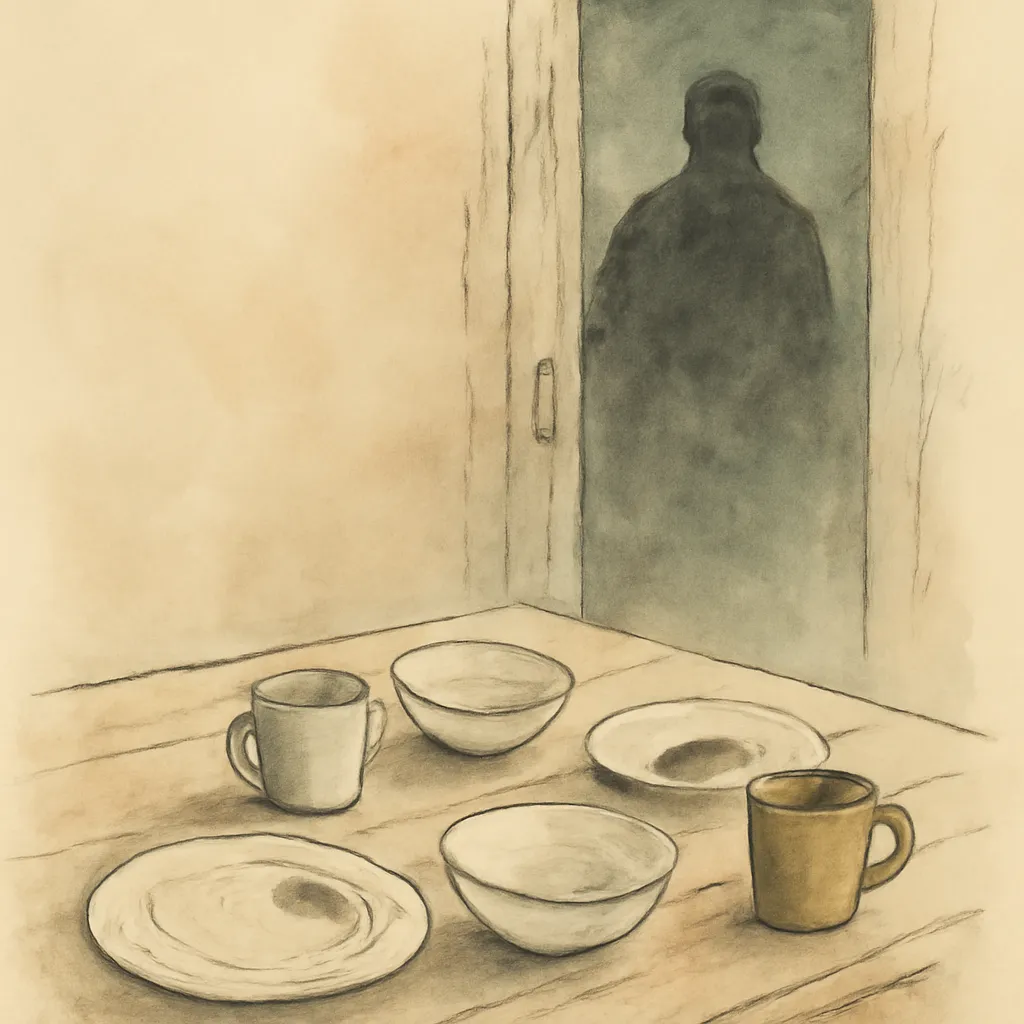
Central to the memoir is Toby’s complicated relationship with his mother, Rosemary, and his abusive stepfather, Dwight. Wolff portrays the deep bond and mutual dependence between mother and son, as well as the ways in which Rosemary’s own struggles for security and happiness shape Toby’s experiences. Dwight’s cruelty and manipulation become a crucible for Toby’s resilience, but also leave lasting scars. The memoir asks how much of our character is forged by the adults who raise us, and how children cope with parental failure.
3.Masculinity and Coming of Age
Set in the 1950s, the book examines the rigid expectations of masculinity that dominate Toby’s world. From scouting to fistfights, Toby is constantly tested and judged by how well he conforms to ideals of toughness, self-reliance, and stoicism. Wolff exposes the dangers and absurdities of these norms, showing how they both shape and distort young men’s development. The memoir is a critique of the era’s gender roles, but also a personal account of struggling to define oneself within them.
4.The Power and Limits of Imagination
Toby’s vivid imagination is both his refuge and his undoing. He dreams of escape, reinvention, and acceptance, often resorting to lies and fantasies to make life bearable or to open doors that seem closed to him. While these inventions sometimes help him cope or survive, they also lead to disappointment and self-doubt. Wolff’s narrative raises questions about the role of storytelling in our lives: when does it help us, and when does it trap us in illusions?
5.Class and the American Dream
The memoir is deeply informed by issues of class and aspiration. Toby and his mother are always on the move, chasing better prospects and stability, yet often thwarted by poverty and social barriers. The book interrogates the myth of the American Dream, showing how hard work and ambition are not always enough to overcome structural disadvantages. Wolff’s story is both a testament to perseverance and a critique of the narratives that define success in America.
6.Resilience and Self-Discovery
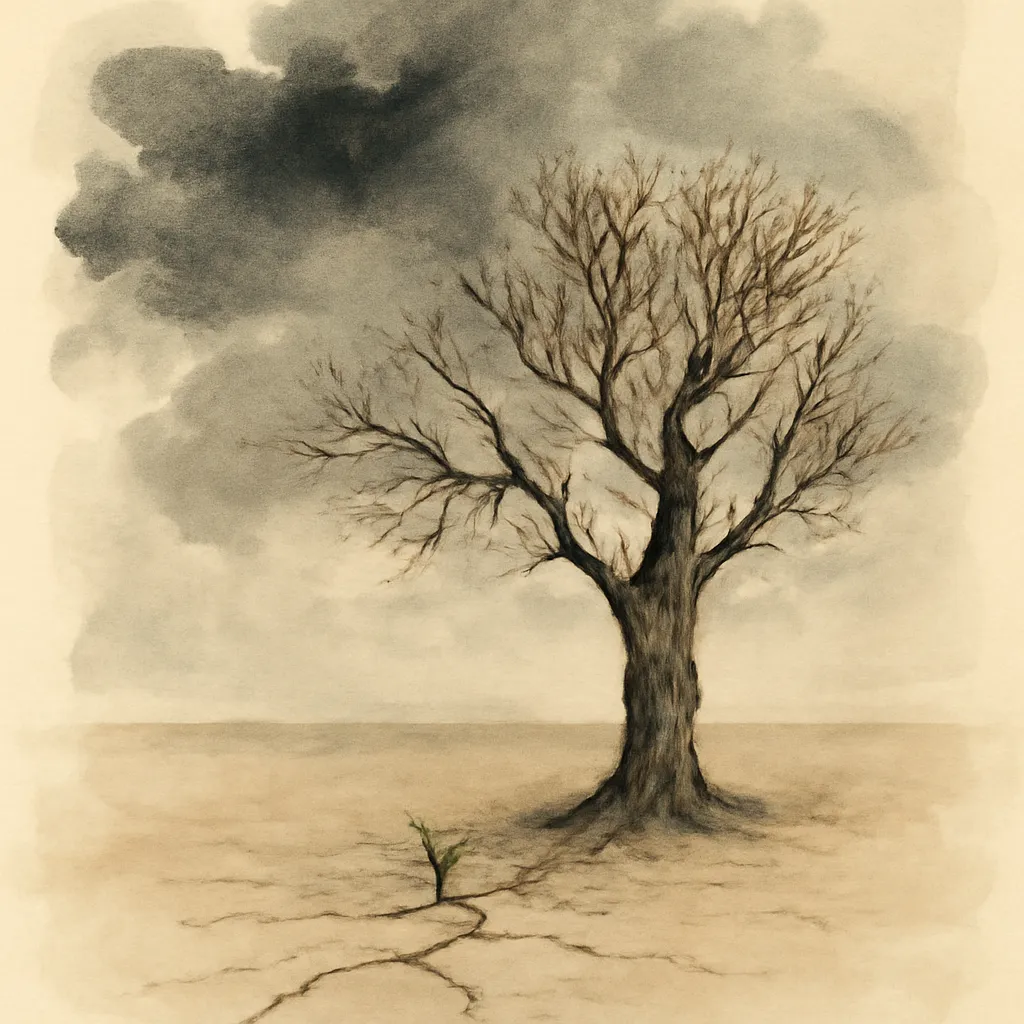
Despite the hardships he faces, Toby’s journey is ultimately one of survival and self-discovery. The memoir does not offer easy redemption or resolution, but it does show the ways in which adversity can foster resourcefulness, empathy, and a deeper understanding of oneself. Wolff’s honesty about his own failings and limitations makes his story all the more powerful and relatable.