Travels with a Donkey in the Cévennes by Robert Louis Stevenson — Summary, Key Ideas & Quotes
2020✦ 3-min Big ideas
Rate it
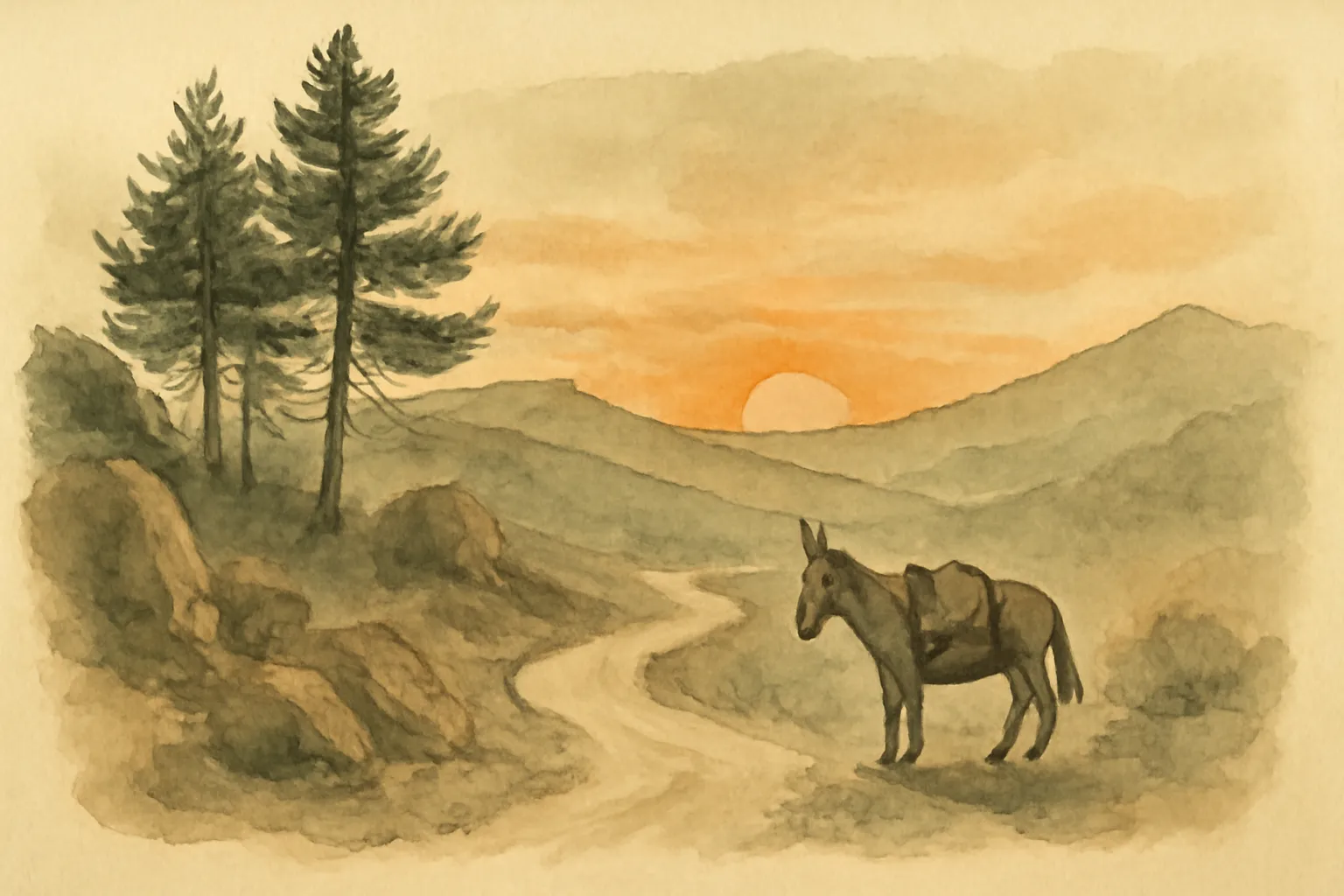
Stevenson's journey is as much inward as outward. By traveling alone—with only his donkey, Modestine, for company—he explores the rewards and challenges of solitude. The book suggests that time spent alone in nature fosters self-reflection, resilience, and a deeper understanding of one’s own mind. Stevenson’s candid admissions of loneliness and frustration are balanced by moments of clarity and peace, making his reflections on solitude both honest and relatable.
Rather than focusing on sightseeing or conventional tourism, Stevenson treats travel as a personal quest. The hardships, unpredictability, and slow pace of his journey force him to confront his own expectations and limitations. The narrative illustrates how travel, especially when stripped of luxury and routine, can reveal hidden strengths and provoke philosophical insight.
“I travel not to go anywhere, but to go. I travel for travel's sake. The great affair is to move.”
“For my part, I travel not to go anywhere, but to go. I travel for travel's sake.”