
Fiction, horror · Physicians, fiction · London (england), fiction
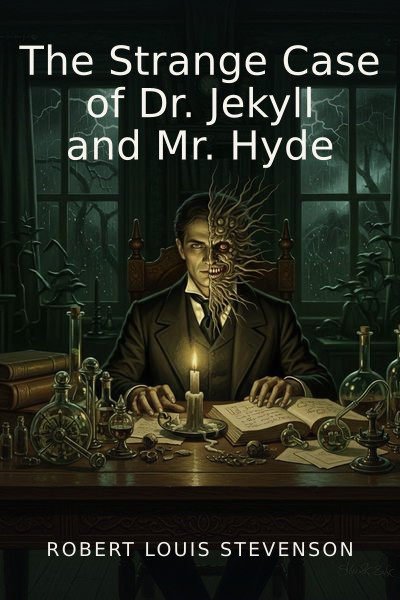
The Strange Case of Dr. Jekyll and Mr. Hyde by Robert Louis Stevenson — Summary, Key Ideas & Quotes
201562 pages✦ 3-min Big ideas
Rate it
'He put the glass to his lips, and drank at one gulp. A cry followed; he reeled, staggered, clutched at the table and held on, staring with injected eyes, gasping with open mouth; and as I looked there came, I thought, a change - he seemed to swell - his face became suddenly black and the features seemed to melt and alter...' Troubled by the strange behaviour of his friend, Dr Jekyll, a young London lawyer decides to investigate. But the truth, as he discovers that Jekyll and the brutal Edward Hyde are one and the same is more terrible than he could possibly have anticipated...
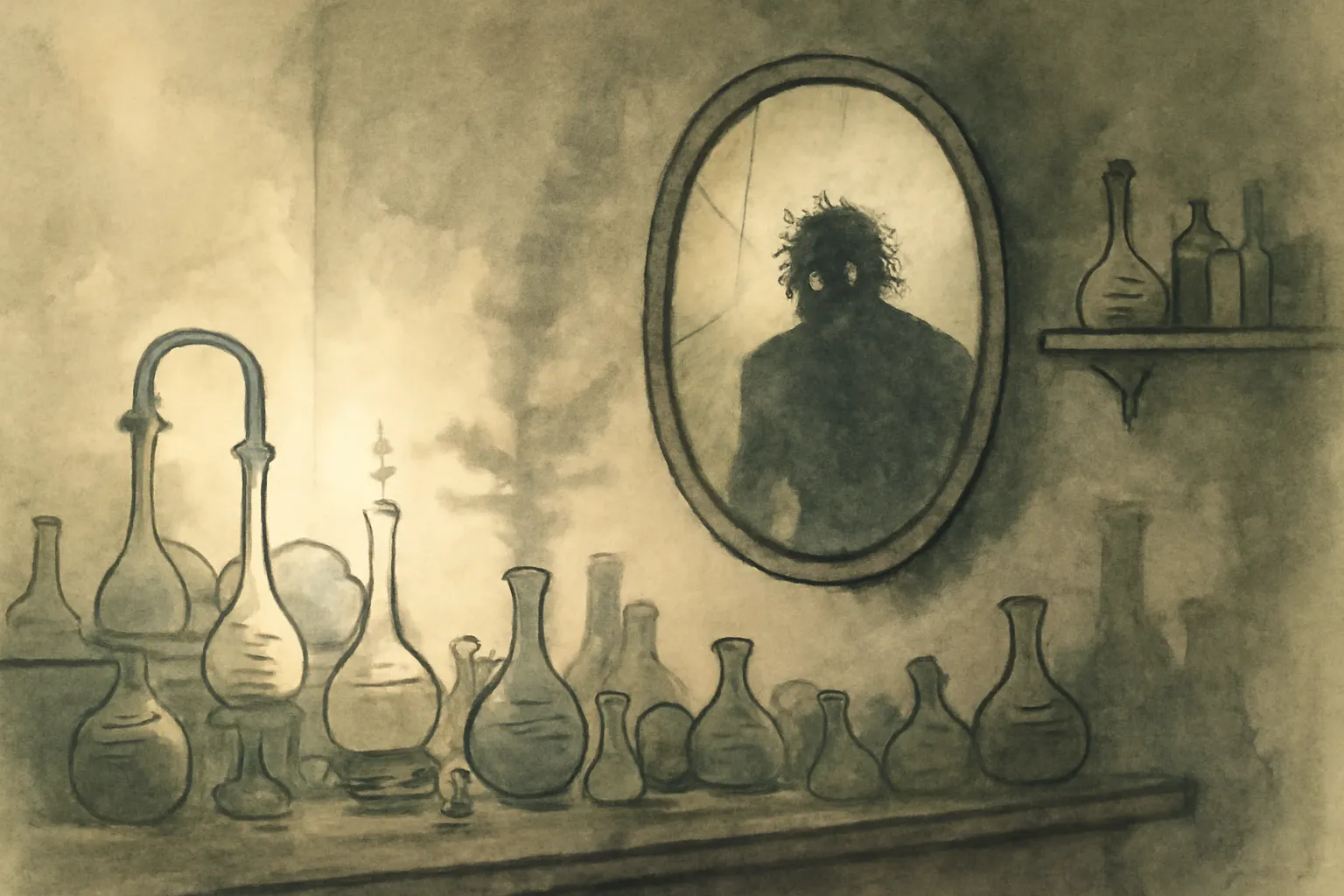
At its core, the novel grapples with the idea that every person harbors both good and evil within. Dr. Jekyll’s scientific experiment to separate these aspects results in the creation of Mr. Hyde, his uninhibited, malevolent alter ego. This split is not just physical but moral and psychological, suggesting that the struggle between our better angels and darker impulses is universal and perpetual.
Set in Victorian London, the story reflects the era’s obsession with propriety and the suppression of undesirable urges. Jekyll’s outward respectability masks his inner turmoil, mirroring a society that values appearances over authenticity. Stevenson critiques the dangers of denying or hiding one’s true self, hinting that repression can lead to catastrophic consequences.
“Man is not truly one, but truly two.”
“If I am the chief of sinners, I am the chief of sufferers also.”
“I learned to recognise the thorough and primitive duality of man.”
