1.Duality of Human Nature
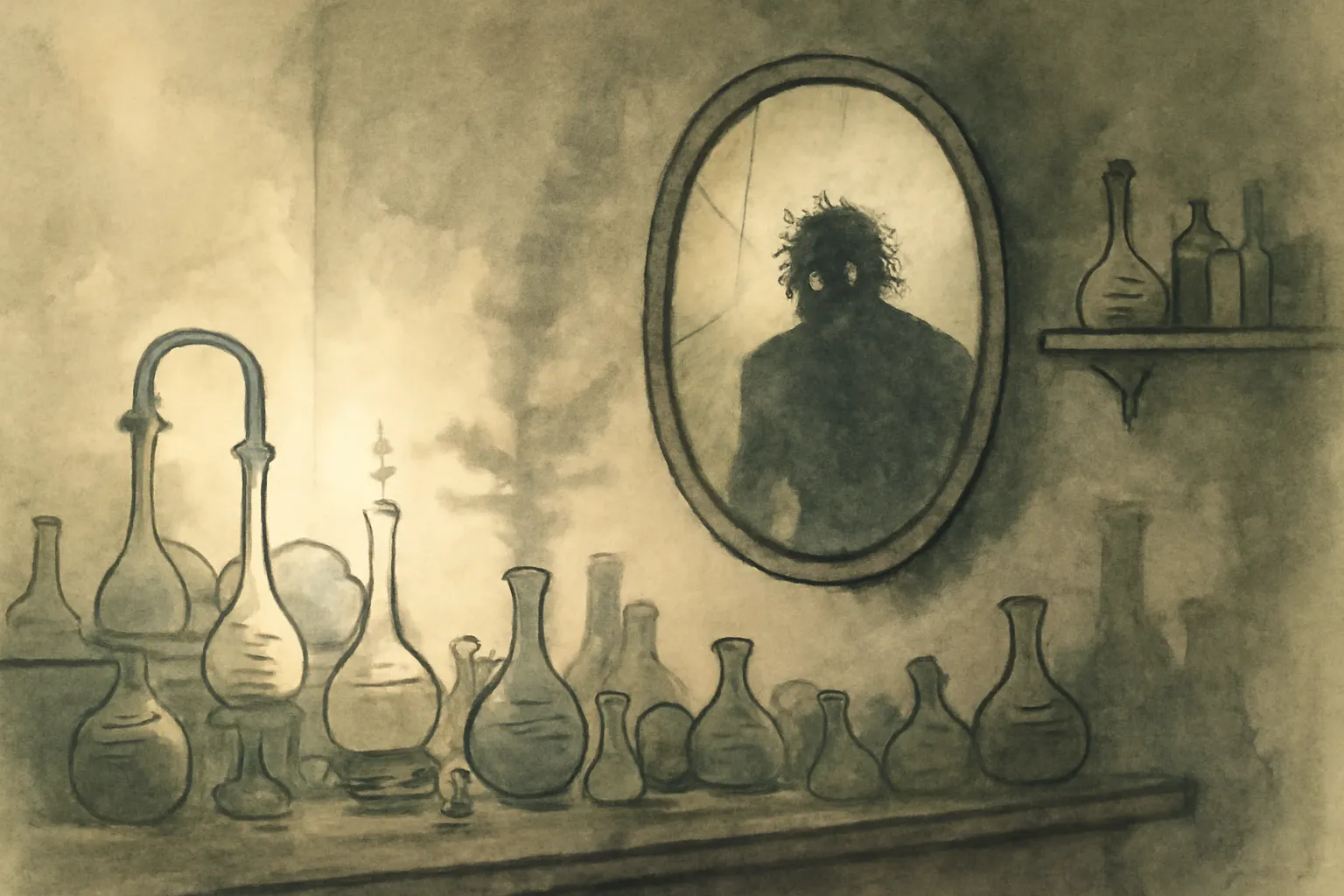
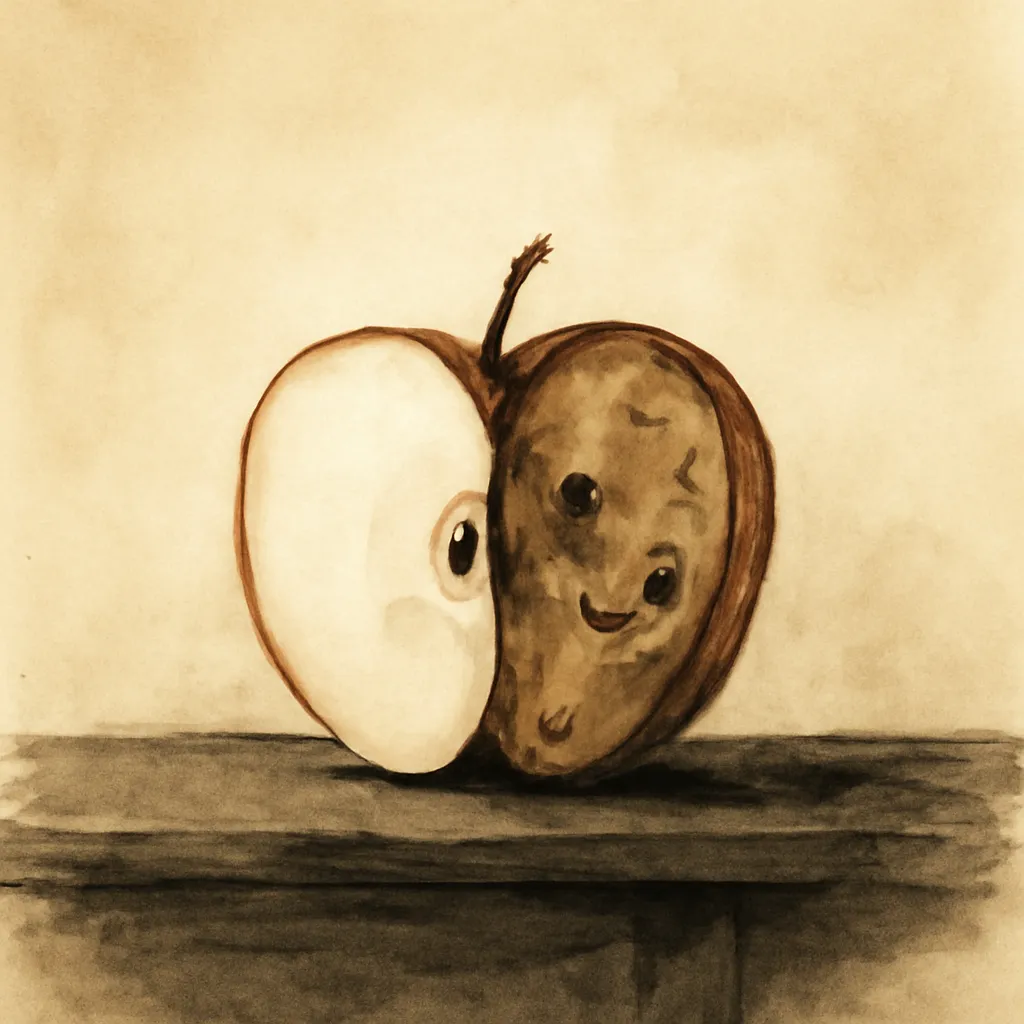
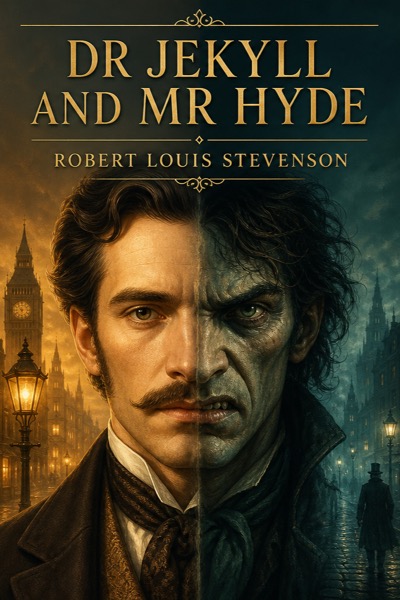
At its core, the novel grapples with the idea that every person harbors both good and evil within. Dr. Jekyll’s scientific experiment to separate these aspects results in the creation of Mr. Hyde, his uninhibited, malevolent alter ego. This split is not just physical but moral and psychological, suggesting that the struggle between our better angels and darker impulses is universal and perpetual.
2.Repression and Victorian Society
Set in Victorian London, the story reflects the era’s obsession with propriety and the suppression of undesirable urges. Jekyll’s outward respectability masks his inner turmoil, mirroring a society that values appearances over authenticity. Stevenson critiques the dangers of denying or hiding one’s true self, hinting that repression can lead to catastrophic consequences.
3.Science, Ethics, and Hubris
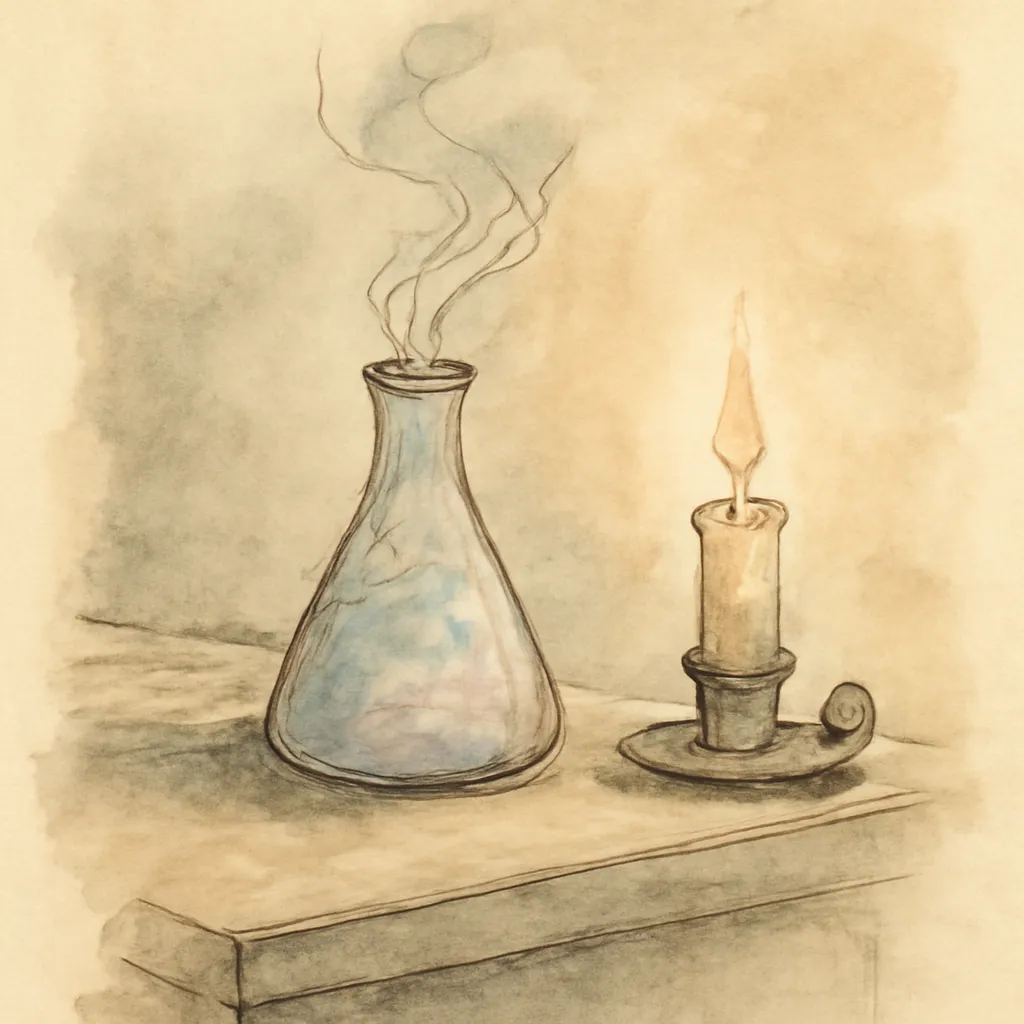
Jekyll’s transformation is rooted in scientific ambition—his desire to transcend moral limitations through chemistry. Stevenson raises questions about the ethical boundaries of scientific experimentation and the hubris of attempting to control or perfect human nature. The disastrous results serve as a cautionary tale about the unforeseen consequences of unchecked ambition.
4.Identity and Responsibility
The novel interrogates what it means to be responsible for one’s actions. Jekyll tries to absolve himself of Hyde’s crimes by treating Hyde as a separate entity, but the narrative ultimately asserts that one cannot escape accountability for the darker parts of oneself. This idea resonates with ongoing debates about personal responsibility and moral agency.
5.The Unreliability of Perception
Told through multiple perspectives and documents, the story plays with ambiguity and uncertainty. The truth about Jekyll and Hyde is gradually revealed, emphasizing how appearances can be deceiving and how limited our understanding of others—and ourselves—can be. This narrative structure heightens suspense and underscores the novel’s psychological depth.
6.Fear of the Unknown
Stevenson taps into the primal fear of the unknown, both external and internal. Hyde represents not just evil but the terrifying possibility that we do not fully know ourselves. The horror in the novel is as much existential as it is physical, making it enduringly unsettling.