1.The Value of Solitude
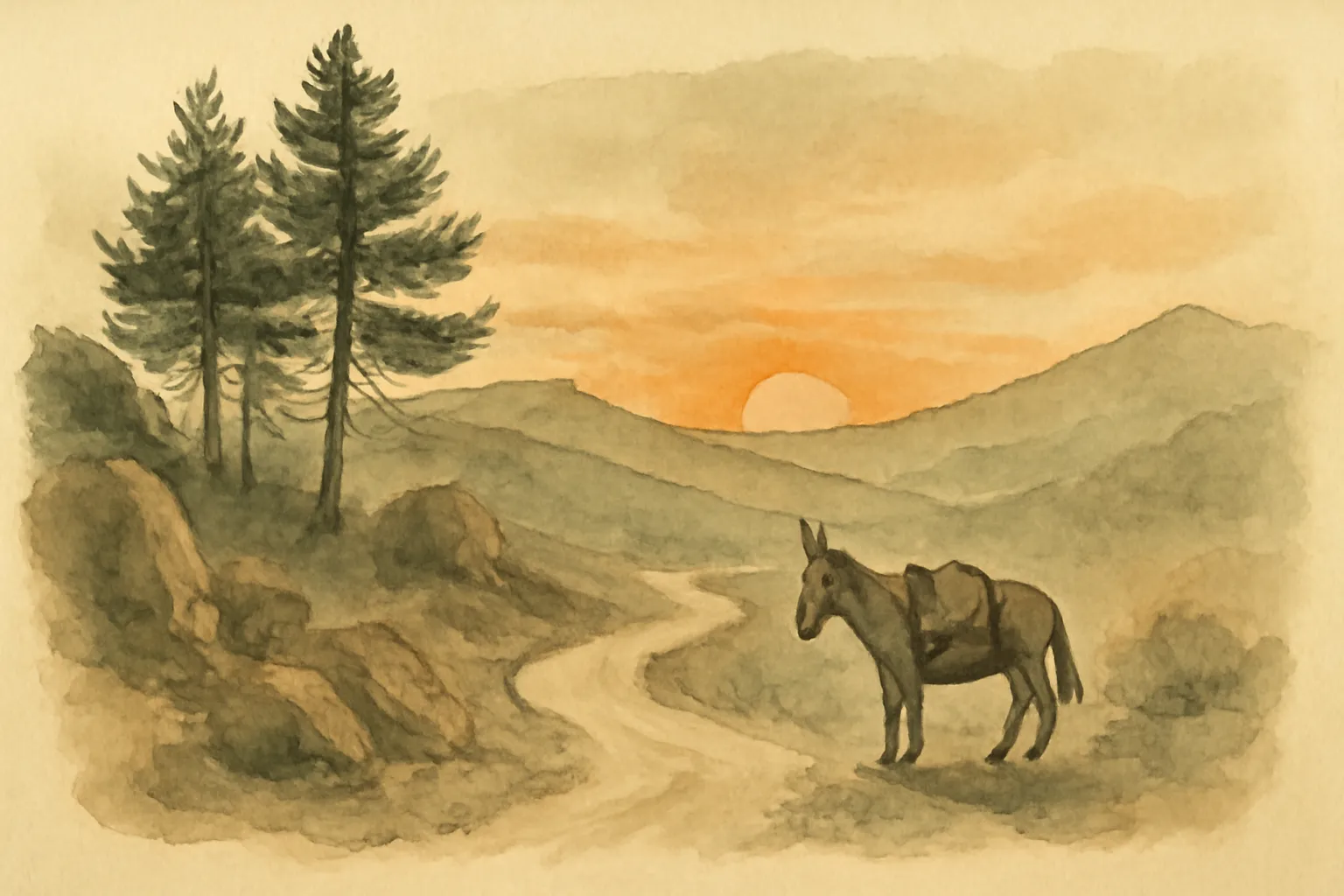
Stevenson's journey is as much inward as outward. By traveling alone—with only his donkey, Modestine, for company—he explores the rewards and challenges of solitude. The book suggests that time spent alone in nature fosters self-reflection, resilience, and a deeper understanding of one’s own mind. Stevenson’s candid admissions of loneliness and frustration are balanced by moments of clarity and peace, making his reflections on solitude both honest and relatable.
2.Travel as a Means of Self-Discovery
Rather than focusing on sightseeing or conventional tourism, Stevenson treats travel as a personal quest. The hardships, unpredictability, and slow pace of his journey force him to confront his own expectations and limitations. The narrative illustrates how travel, especially when stripped of luxury and routine, can reveal hidden strengths and provoke philosophical insight.
3.Human and Animal Companionship
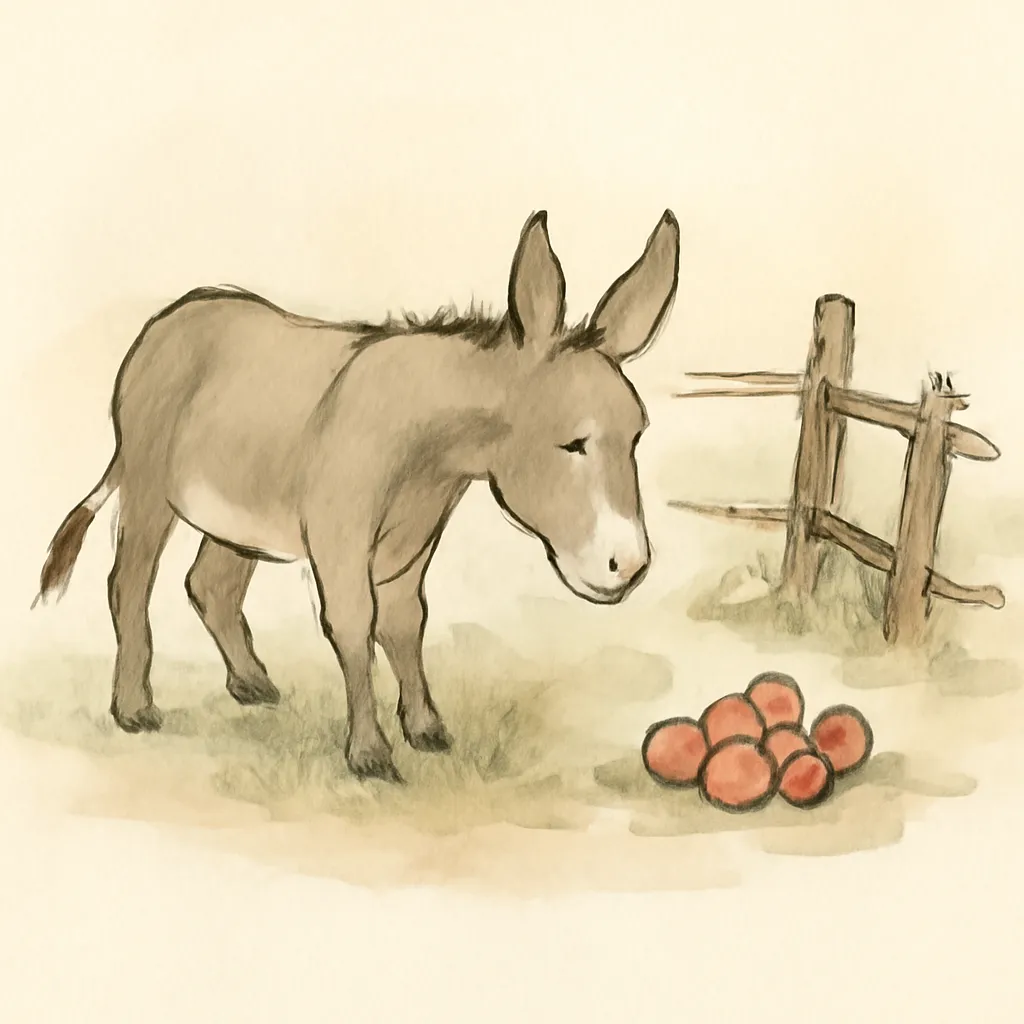
The relationship between Stevenson and Modestine, his donkey, is central to the book’s charm and humor. Their interactions—by turns frustrating, amusing, and tender—highlight the complexities of communication and empathy between species. Stevenson’s attempts to understand and care for Modestine become a metaphor for all human relationships: fraught with misunderstanding, yet capable of deep connection.
4.Cultural and Religious Observation
Stevenson’s route through the Cévennes takes him through regions marked by religious history, particularly the legacy of Protestantism in Catholic France. His encounters with locals open windows onto rural life, hospitality, and the enduring significance of faith and identity. Stevenson approaches these differences with curiosity and respect, offering a nuanced outsider’s perspective on cultural divides.
5.The Beauty and Harshness of Nature
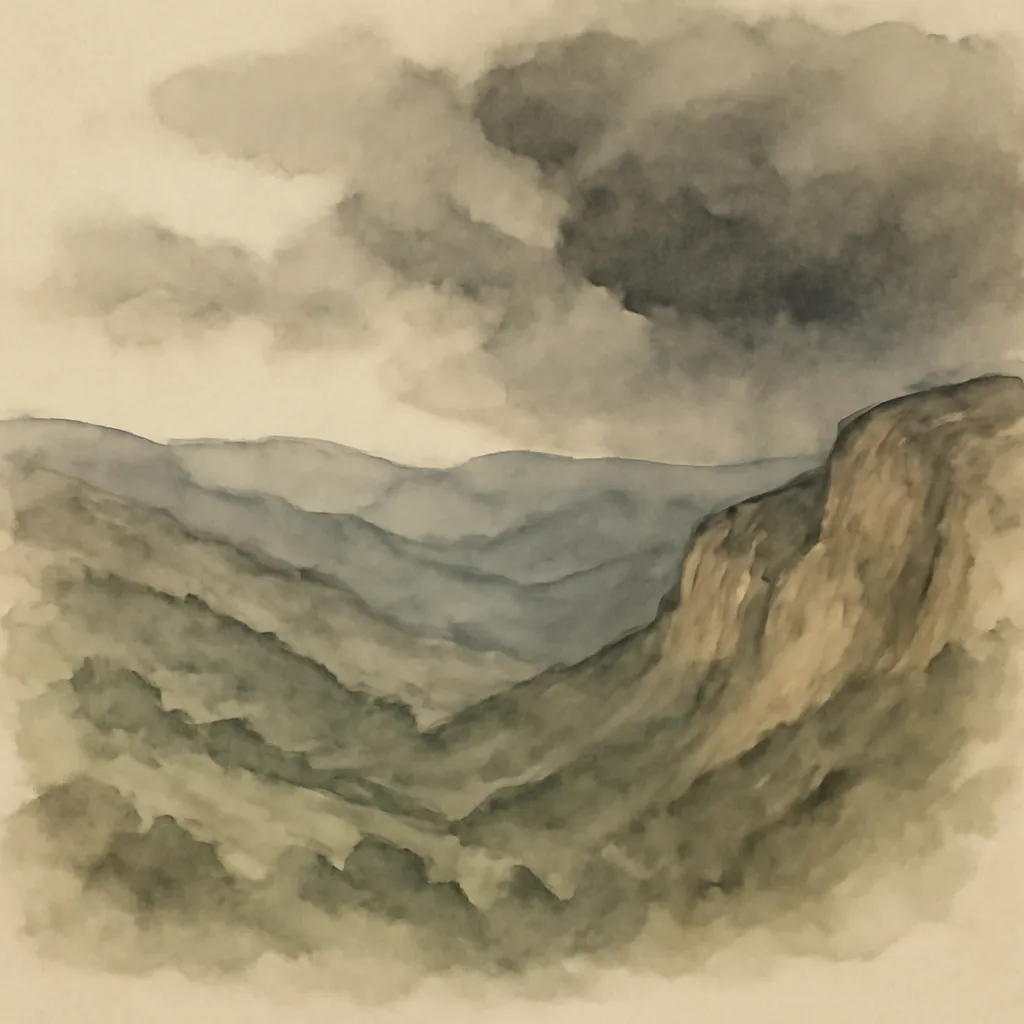
The Cévennes landscape is both backdrop and character in Stevenson’s account. He describes the rugged hills, forests, and villages with a keen eye for detail, capturing the beauty and challenges of the terrain. Nature is not romanticized; Stevenson acknowledges its dangers and discomforts, but also its power to inspire awe and reflection.
6.Irony and Humor in Adversity
Stevenson’s narrative voice is marked by dry wit and self-deprecation. He finds humor in misadventures—whether wrestling with Modestine or contending with inhospitable lodgings. This humor undercuts any sense of self-importance and makes the journey’s hardships more bearable, both for Stevenson and the reader.