
Set two decades after the events of 'The Three Musketeers,' 'Twenty Years After' continues the saga of D’Artagnan and his companions as they navigate a France fraught with political intrigue and perso…
Read full overviewShow less›
Set two decades after the events of 'The Three Musketeers,' 'Twenty Years After' continues the saga of D’Artagnan and his companions as they navigate a France fraught with political intrigue and personal conflict. Readers will witness the evolution of the beloved characters against the backdrop of a nation in upheaval, where the bonds of friendship are tested by the ambitions of a scheming court and the desires of a restless populace. Dumas masterfully intertwines themes of loyalty, love, and the quest for honor, creating a rich tapestry that reveals the complexities of human nature and the consequences of choices made in pursuit of power. This novel not only entertains with its thrilling adventures and clever dialogue but also prompts reflection on the moral dilemmas faced by its characters. The journey through this historical landscape offers insights into the enduring nature of friendship and the cost of ambition.
In 'Twenty Years After,' Alexandre Dumas crafts a compelling narrative that delves into the complexities of friendship, loyalty, and ambition against the backdrop of a politically unstable France. The characters’ journeys are marked by personal growth and moral dilemmas, reflecting the intricacies of human nature. Through vivid storytelling and rich character development, Dumas invites readers to explore timeless themes that resonate across generations. The novel serves as a reminder that while the world may change, the struggles for identity, power, and connection remain ever relevant. Ultimately, 'Twenty Years After' is not just a tale of adventure; it is a profound exploration of what it means to be human in a world fraught with challenges.
- 1The Ghost of Richelieu and the Burden of Legacy
- 2D’Artagnan's Composure in Chaos
- 3The Bonds of Friendship Tested by Time
- 4Political Intrigue and Personal Ambition Intertwined
- 5The Role of Women in a Turbulent Era
Notable quotes
“Foreigner! Italian! that is their mean yet mighty byword of reproach—the watchword with which they assassinated, hanged, and made away with Concini.”
“The unhappy wretch who entered the Bastile ceased, as he crossed the threshold, to be a man—he became a number.”
“I see plainly that, notwithstanding the sixty-four years that have passed over your head, you are still the same man, active and zealous.”
A glimpse inside

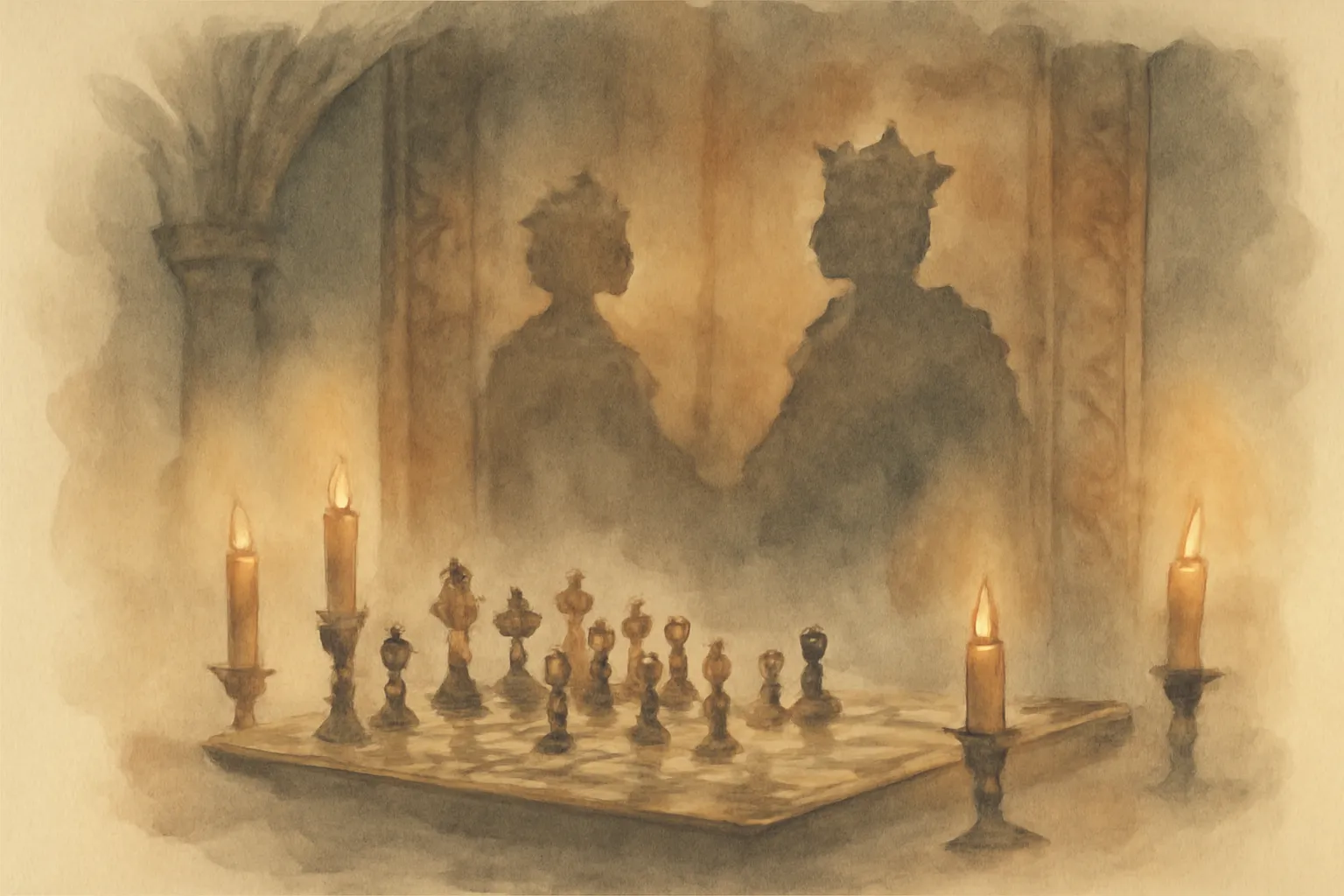
The novel opens with Cardinal Mazarin, who is haunted by the legacy of his predecessor, Cardinal Richelieu. Mazarin's isolation reflects the instability of the French cou… Read moreThe novel opens with Cardinal Mazarin, who is haunted by the legacy of his predecessor, Cardinal Richelieu. Mazarin's isolation reflects the instability of the French court, where the absence of Richelieu's strong hand has led to chaos and dissent. Dumas vividly illustrates that the political landscape is not only tumultuous but also rife with contempt for the authorities; the citizens, emboldened by the lack of control, openly ridicule Mazarin, demonstrating the fragility of power. This theme of lost greatness resonates throughout the narrative, as characters grapple with their pasts while navigating present challenges. The shade of Richelieu looms large as a symbol of lost authority and unfulfilled potential, emphasizing how the weight of history can shape the present and future. Mazarin's fear of being seen as a foreign intruder, coupled with the ridicule he faces, positions him as a character straddling the line between power and vulnerability, making readers ponder the price of authority in a society eager to revolt. Show less
D’Artagnan re-emerges as a central figure, embodying the virtues of bravery and loyalty. Despite the unrest in Paris, he remains unfazed, showcasing a soldier's indiffere… Read moreD’Artagnan re-emerges as a central figure, embodying the virtues of bravery and loyalty. Despite the unrest in Paris, he remains unfazed, showcasing a soldier's indifference to the chaos around him. D’Artagnan's ability to navigate the complexities of political intrigue with cool composure is a testament to his character; he is not just a soldier but also a seasoned diplomat, capable of managing the tensions at play. His interactions with the populace reveal a man who commands respect, as even rebellious citizens step aside for him. This stoicism is not merely a personal trait; it reflects the broader theme of courage in the face of adversity. D’Artagnan’s evolution over the years highlights the transformative power of experience, as he adapts to the complexities of a world where friendships and loyalties are tested by ambition and treachery. His journey serves as a reminder that true leadership often manifests through calmness and clarity amidst turmoil. Show less
Read the full text — free
About the author
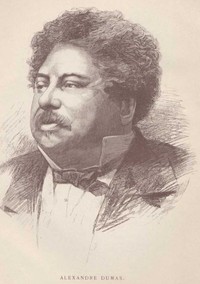
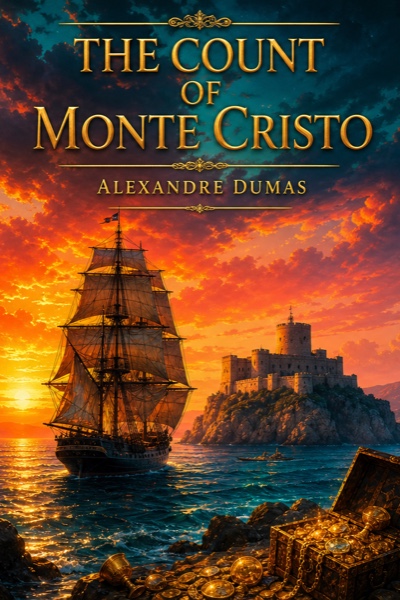
Alexandre Dumas has 3 works free to read on Lumina, including The Count of Monte Cristo, The Three Musketeers.
All 3 books by Alexandre Dumas →Frequently asked
Worlds to get lost in
Take Lumina everywhere
Read offline, listen to AI summaries, speed-read, and sync your progress across devices — free on iPhone.
Download for iPhone