1.The Ghost of Richelieu and the Burden of Legacy
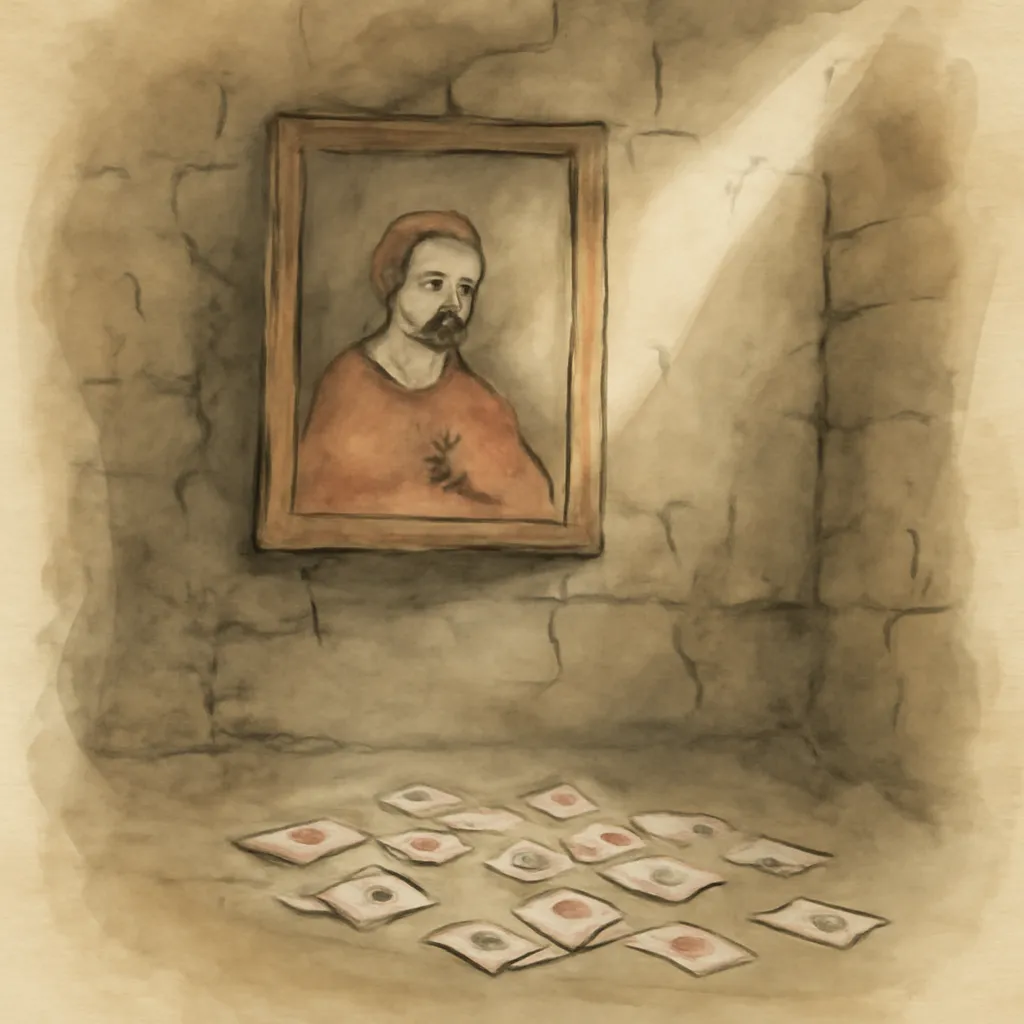
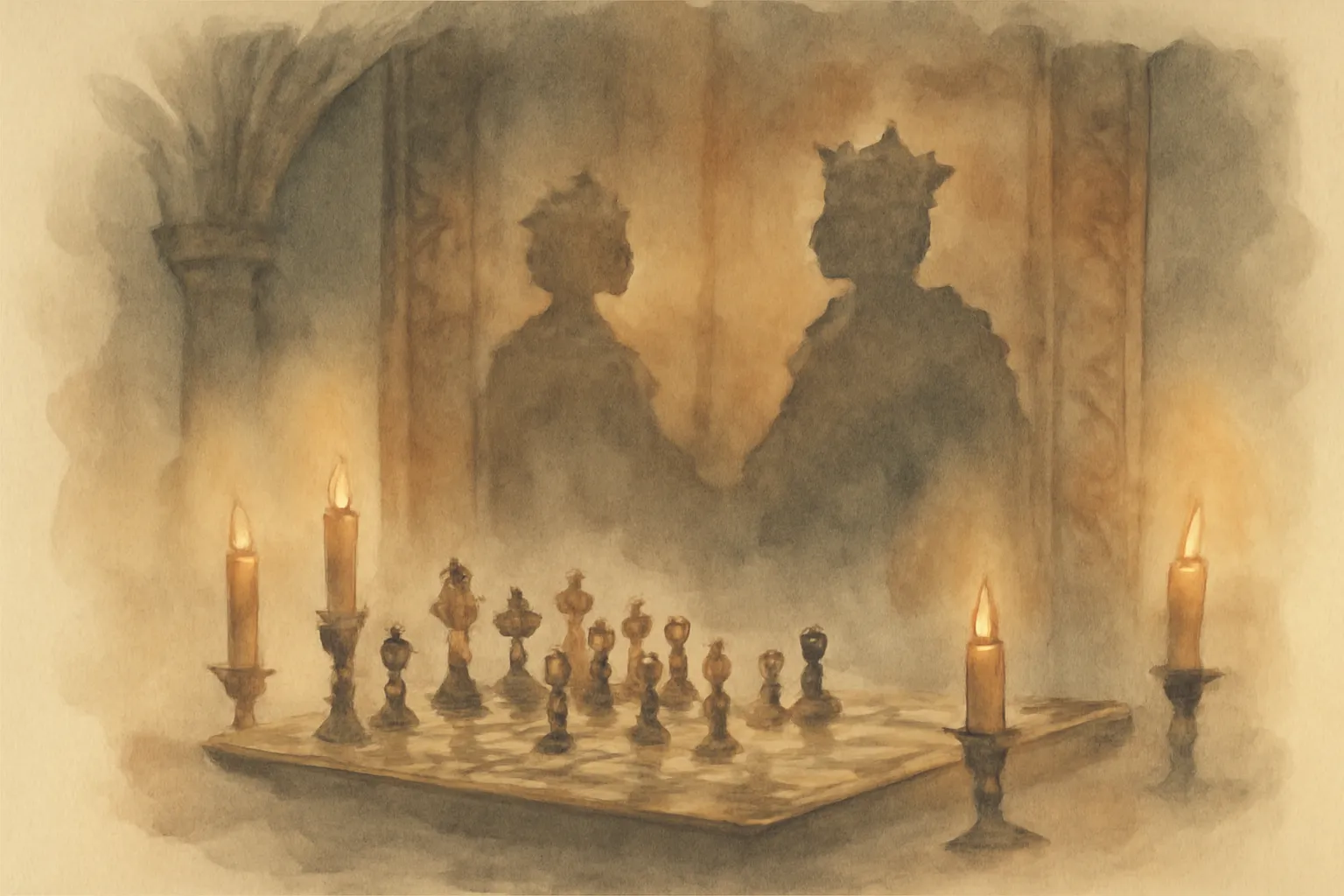
The novel opens with Cardinal Mazarin, who is haunted by the legacy of his predecessor, Cardinal Richelieu. Mazarin's isolation reflects the instability of the French court, where the absence of Richelieu's strong hand has led to chaos and dissent. Dumas vividly illustrates that the political landscape is not only tumultuous but also rife with contempt for the authorities; the citizens, emboldened by the lack of control, openly ridicule Mazarin, demonstrating the fragility of power. This theme of lost greatness resonates throughout the narrative, as characters grapple with their pasts while navigating present challenges. The shade of Richelieu looms large as a symbol of lost authority and unfulfilled potential, emphasizing how the weight of history can shape the present and future. Mazarin's fear of being seen as a foreign intruder, coupled with the ridicule he faces, positions him as a character straddling the line between power and vulnerability, making readers ponder the price of authority in a society eager to revolt.
2.D’Artagnan's Composure in Chaos
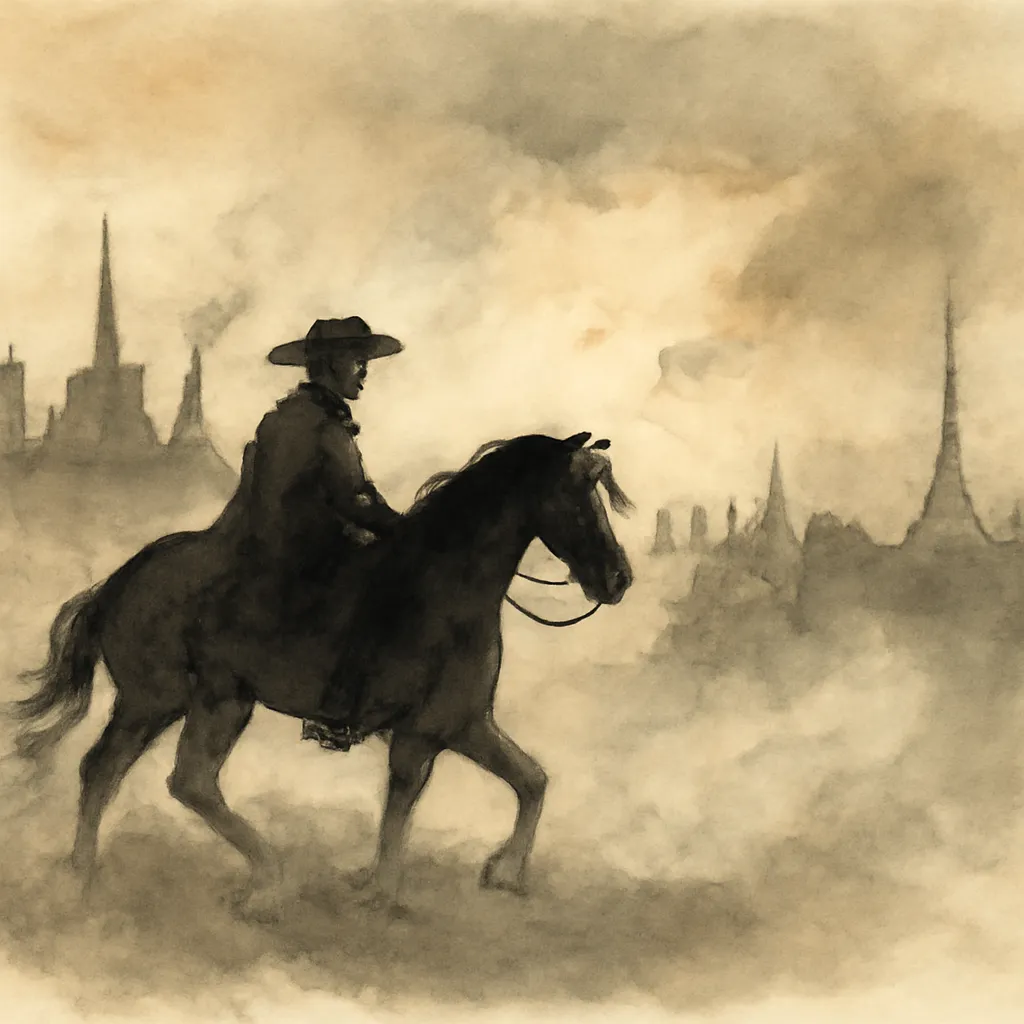
D’Artagnan re-emerges as a central figure, embodying the virtues of bravery and loyalty. Despite the unrest in Paris, he remains unfazed, showcasing a soldier's indifference to the chaos around him. D’Artagnan's ability to navigate the complexities of political intrigue with cool composure is a testament to his character; he is not just a soldier but also a seasoned diplomat, capable of managing the tensions at play. His interactions with the populace reveal a man who commands respect, as even rebellious citizens step aside for him. This stoicism is not merely a personal trait; it reflects the broader theme of courage in the face of adversity. D’Artagnan’s evolution over the years highlights the transformative power of experience, as he adapts to the complexities of a world where friendships and loyalties are tested by ambition and treachery. His journey serves as a reminder that true leadership often manifests through calmness and clarity amidst turmoil.
3.The Bonds of Friendship Tested by Time

As the narrative unfolds, the bonds between D’Artagnan and his companions—Athos, Porthos, and Aramis—are put to the test. Each character has evolved significantly over the years, leading to both camaraderie and conflict. Athos, now a landowner, grapples with a sense of responsibility and the weight of his past, while Porthos, rich yet discontent, embodies the struggle between wealth and true happiness. Aramis, having taken on the role of an abbé, navigates the complexities of faith and ambition. Dumas intricately weaves these character developments into the narrative, showcasing how their personal aspirations intersect with their loyalty to one another. The challenges they face not only test their friendship but also force them to confront their own desires and disappointments. This exploration of friendship emphasizes that while time may change individuals, the core values of loyalty, trust, and sacrifice can endure, though they are often fraught with emotional complexity.
4.Political Intrigue and Personal Ambition Intertwined
The backdrop of political unrest in France serves as an essential element of the plot, illustrating how personal ambitions can intersect with broader societal upheaval. Mazarin's struggles to maintain control over the court and the people showcase the precarious nature of political power. The Duke of Beaufort's imprisonment and subsequent plans for escape become a focal point that intertwines personal ambition with political maneuvering. Characters must navigate their loyalties amidst shifting allegiances, each driven by their desires for power and recognition. Dumas presents a vivid picture of a society on the brink, where personal ambitions often lead to betrayal and conflict. The tension between individual goals and the greater good of the nation raises important questions about the nature of power and the sacrifices one must make to achieve their objectives. Amidst this backdrop, characters grapple with moral dilemmas that challenge their principles and ultimately define their paths.
5.The Role of Women in a Turbulent Era

Women play a crucial yet often complex role in 'Twenty Years After.' The character of Anne of Austria, now a queen, symbolizes both power and vulnerability. Her interactions with Mazarin reveal the delicate balance of influence women held in the court, often maneuvering behind the scenes to affect political outcomes. Dumas skillfully portrays women not merely as passive figures but as active participants in the political drama, shaping events with their actions and decisions. Characters like Madame de Beauvais and Madame de Longueville illustrate the various ways women navigate a male-dominated world, using their intelligence and charm to achieve their ends. The portrayal of these women reflects their multifaceted roles, adding depth to the narrative and highlighting the significant impact they have on the lives of the male characters. Dumas uses these relationships to explore themes of loyalty, sacrifice, and the pursuit of agency, revealing that the quest for power and love is not limited to men alone.
6.The Cost of Loyalty and Personal Sacrifice
Loyalty emerges as a central theme throughout the novel, often leading to difficult choices and sacrifices. D’Artagnan's unwavering loyalty to the crown and his friends is tested repeatedly, especially as he faces betrayals from those he once trusted. The tension between personal loyalty and the demands of duty creates moral dilemmas that Dumas explores with nuance. Characters must weigh their commitments against their ambitions, leading to moments of introspection and regret. The cost of loyalty is starkly illustrated when friendships are strained, and allegiances shift, prompting readers to consider the true meaning of loyalty in a world rife with ambition and deception. D’Artagnan, navigating these treacherous waters, embodies the struggle to remain true to oneself while fulfilling obligations to others, revealing the emotional toll that loyalty can exact.
7.Redemption and Forgiveness: A Path to Healing
Amidst the chaos of political intrigue and personal struggles, the themes of redemption and forgiveness resonate deeply. Characters like Athos, who have experienced loss and regret, seek to reconcile their pasts with their present lives. Dumas suggests that redemption is possible through the bonds of friendship and the courage to confront one’s mistakes. The dynamics between D’Artagnan and his friends reflect the potential for forgiveness, emphasizing that true strength lies in the ability to forgive and move forward. This theme serves as a poignant reminder that even in the darkest times, there is hope for reconciliation and renewal. The journey toward redemption is fraught with challenges, yet it is ultimately portrayed as a necessary and noble pursuit, reinforcing the idea that personal growth often requires confronting one’s past and making amends.
8.The Complexity of Identity and Personal Growth
As the characters navigate their relationships and ambitions, questions of identity and self-perception come to the forefront. Each character grapples with their past and the roles they have assumed over the years. D’Artagnan, once a youthful idealist, now embodies a more seasoned perspective shaped by experience. Similarly, Athos, Porthos, and Aramis each confront their identities in light of their choices and the passage of time. Dumas intricately weaves these identity struggles into the plot, highlighting how personal growth often requires confronting uncomfortable truths. The exploration of identity adds depth to the characters, making their journeys relatable and compelling. D’Artagnan's evolution from a brash young man to a mature leader encapsulates the essence of personal growth, as he learns to balance ambition with the values of friendship and honor.
9.The Tension of Class and Society in Flux
Dumas paints a vivid picture of the social hierarchy in 17th-century France, exploring the tensions between different classes. The nobility, represented by characters like Mazarin and the Duke of Beaufort, often clash with the rising bourgeoisie and the restless populace. This class struggle serves as a backdrop for the characters’ personal ambitions and conflicts, illustrating how societal structures influence individual choices. The portrayal of the common people, who are increasingly vocal and assertive, reflects a changing dynamic that challenges the established order. Dumas uses this tension to comment on the nature of power and the shifting landscape of society, highlighting the inevitability of change. The struggles for recognition and power among various social strata add layers of complexity to the narrative, prompting readers to consider the broader implications of class in shaping human relationships.
10.Adventure as a Reflection of Character Development
The adventures and escapades of D’Artagnan and his friends serve as a lens through which their true natures are revealed. Each encounter, whether in battle or in courtly intrigue, tests their values and convictions. Dumas masterfully constructs these adventures not merely as thrilling escapades but as opportunities for character development. The challenges faced by the musketeers force them to confront their strengths and weaknesses, ultimately shaping their identities. This interplay between action and character growth underscores the idea that adventure is not just an external journey but also an internal exploration of self. D’Artagnan's experiences reflect the broader human condition, revealing how trials and tribulations can lead to profound personal insights and transformations.