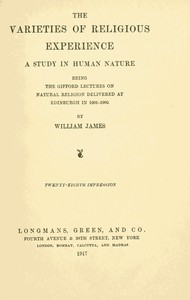
William James's 'The Varieties of Religious Experience' delves into the complex nature of religious beliefs and experiences, providing a rich tapestry of insights into how individuals encounter the divine. By examining the psychological underpinnings of religious experiences, James helps readers understand the subjective nature of faith and the diverse ways in which people connect with the sacred. This exploration is not merely academic; it holds significant implications for how we perceive and engage with spirituality in our own lives. Through a variety of examples, James encourages us to appreciate the multiplicity of religious experiences and the unique emotional landscapes they inhabit, ultimately inviting us to reflect on our own beliefs and experiences in a more nuanced way.
William James's 'The Varieties of Religious Experience' invites readers to explore the intricate landscape of spirituality through the lens of psychological experience. By examining the authority of mystical states, the emotional depth of religious encounters, and the diversity of beliefs, James encourages a more inclusive understanding of faith. His insights challenge us to reflect on our own beliefs and experiences, recognizing the profound ways in which spirituality shapes our lives. Ultimately, this exploration underscores the importance of embracing the complexities of human experience, fostering a dialogue between differing perspectives, and appreciating the unique journeys each individual takes in their search for meaning and connection with the divine.