
Martians invade England — pioneering science fiction and a meditation on imperial hubris.
Read full overviewShow less›
In 'The War of the Worlds', H.G. Wells crafts a gripping narrative that explores the invasion of Earth by Martians, a reflection of human fears and vulnerabilities at the dawn of the 20th century. Through the eyes of an unnamed narrator, readers are thrust into a world where humanity's supremacy is challenged by a technologically advanced race. Wells masterfully combines elements of science fiction with social commentary, revealing the thin veneer of civilization that can easily be shattered under the weight of fear and chaos. As the Martians unleash their devastating power, the novel raises profound questions about survival, morality, and the essence of what it means to be human. This exploration of existential dread and the collapse of social order remains eerily relevant, making the story a timeless cautionary tale.
H.G. Wells's 'The War of the Worlds' is more than just a thrilling science fiction tale; it is a profound exploration of humanity's vulnerabilities in the face of existential threats. The narrative serves as a mirror reflecting societal fears, moral dilemmas, and the fragile nature of civilization. Through vivid imagery and rich character development, Wells invites readers to confront their own beliefs about survival, technology, and the essence of being human. The lessons embedded within the story resonate deeply, urging a reevaluation of priorities in an ever-changing world. As we navigate our own complexities, 'The War of the Worlds' remains a timeless reminder of the need for humility, resilience, and a commitment to preserving our shared humanity.
- 1The Unseen Watchers
- 2The Falling Star
- 3A Glimpse of the Martians
- 4The Heat Ray: A Symbol of Destruction
- 5The Collapse of Society
A glimpse inside

The novel begins with a powerful reminder of humanity's arrogance. In the late 19th century, people believed they were the pinnacle of intelligence and dominion over the… Read moreThe novel begins with a powerful reminder of humanity's arrogance. In the late 19th century, people believed they were the pinnacle of intelligence and dominion over the Earth, blissfully ignorant of the potential threats lurking in the cosmos. Wells introduces the concept of Martian observers who, with their superior intellects, scrutinize humanity as if it were mere ants. This perspective forces readers to confront the uncomfortable truth that while humans may dominate their world, they are not the apex of existence in the universe. Such reflections on human pride resonate deeply, reminding us that we are not invulnerable and that our understanding of life beyond Earth is limited. The narrative urges a humbling recognition of our place in the wider cosmos, one that is still relevant today as we explore the possibilities of extraterrestrial life. Show less
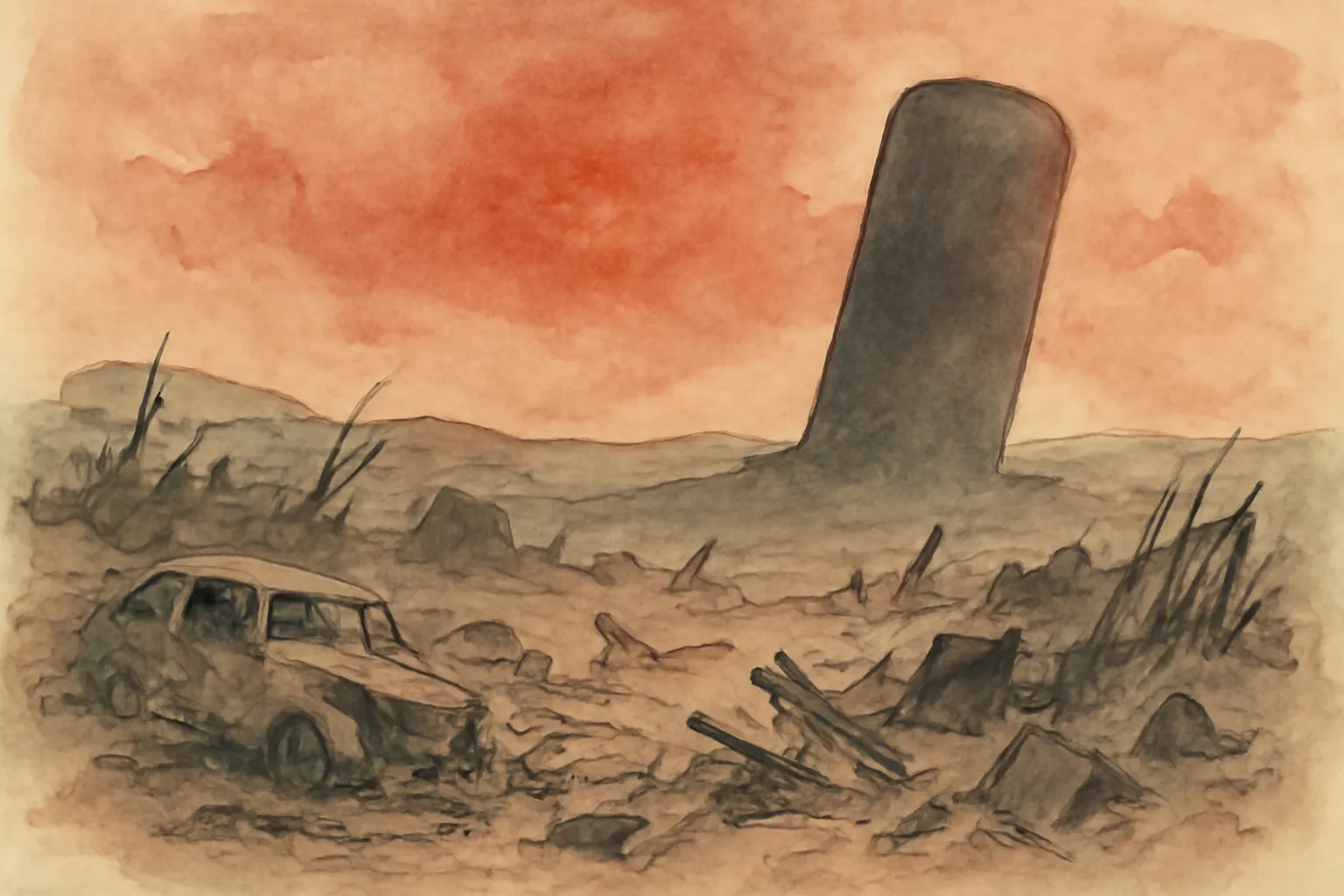
The arrival of the Martians begins with the dramatic depiction of a falling star, which is later revealed to be a Martian cylinder. Read moreThe arrival of the Martians begins with the dramatic depiction of a falling star, which is later revealed to be a Martian cylinder. This moment serves as a pivotal turning point in the story, marking the transition from normalcy to chaos. The cylinder's crash ignites curiosity, but the initial excitement quickly turns to dread as the true nature of the object becomes apparent. Wells cleverly contrasts the mundane activities of everyday life with the monumental event of an extraterrestrial invasion. The townspeople's initial indifference and skepticism mirror humanity's broader tendency to overlook existential threats until they become unavoidable. This theme of denial is significant, as it highlights the human inclination to dismiss the extraordinary in favor of the familiar, a behavior that can lead to catastrophic consequences when faced with real dangers. Show less
Read the full text — free
About the author
H.G. Wells has 4 works free to read on Lumina, including The Invisible Man, The Island of Doctor Moreau, The Time Machine.
All 4 books by H.G. Wells →Frequently asked
Worlds to get lost in
Take Lumina everywhere
Read offline, listen to AI summaries, speed-read, and sync your progress across devices — free on iPhone.
Download for iPhone