1.The Unseen Watchers
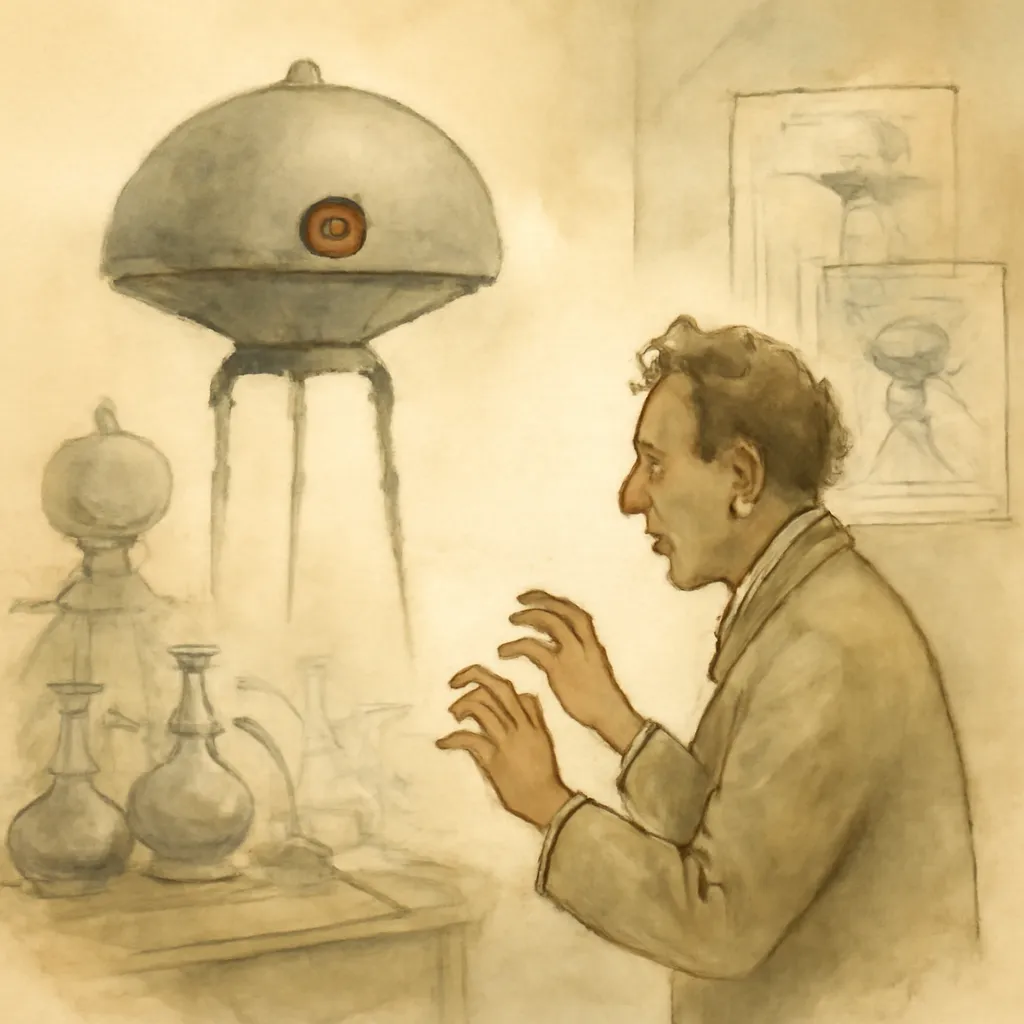
The novel begins with a powerful reminder of humanity's arrogance. In the late 19th century, people believed they were the pinnacle of intelligence and dominion over the Earth, blissfully ignorant of the potential threats lurking in the cosmos. Wells introduces the concept of Martian observers who, with their superior intellects, scrutinize humanity as if it were mere ants. This perspective forces readers to confront the uncomfortable truth that while humans may dominate their world, they are not the apex of existence in the universe. Such reflections on human pride resonate deeply, reminding us that we are not invulnerable and that our understanding of life beyond Earth is limited. The narrative urges a humbling recognition of our place in the wider cosmos, one that is still relevant today as we explore the possibilities of extraterrestrial life.
2.The Falling Star
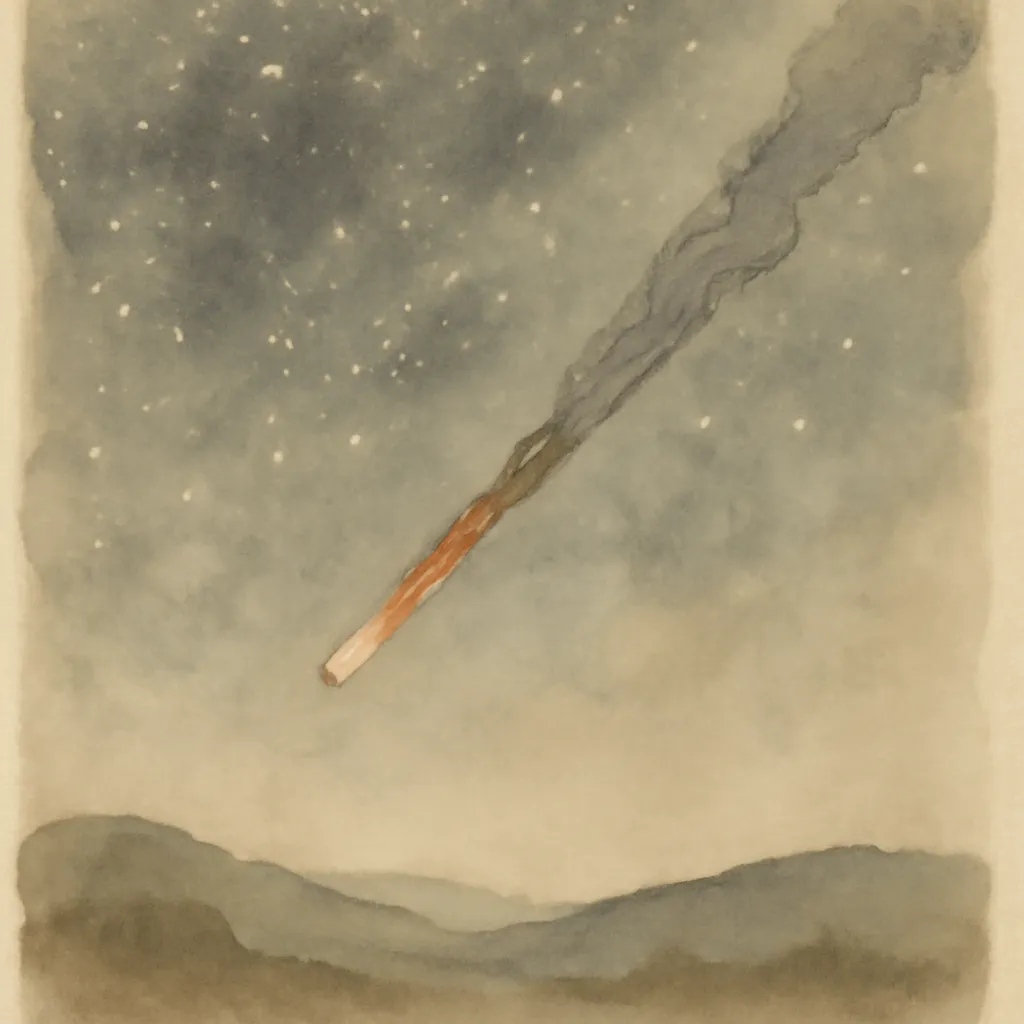
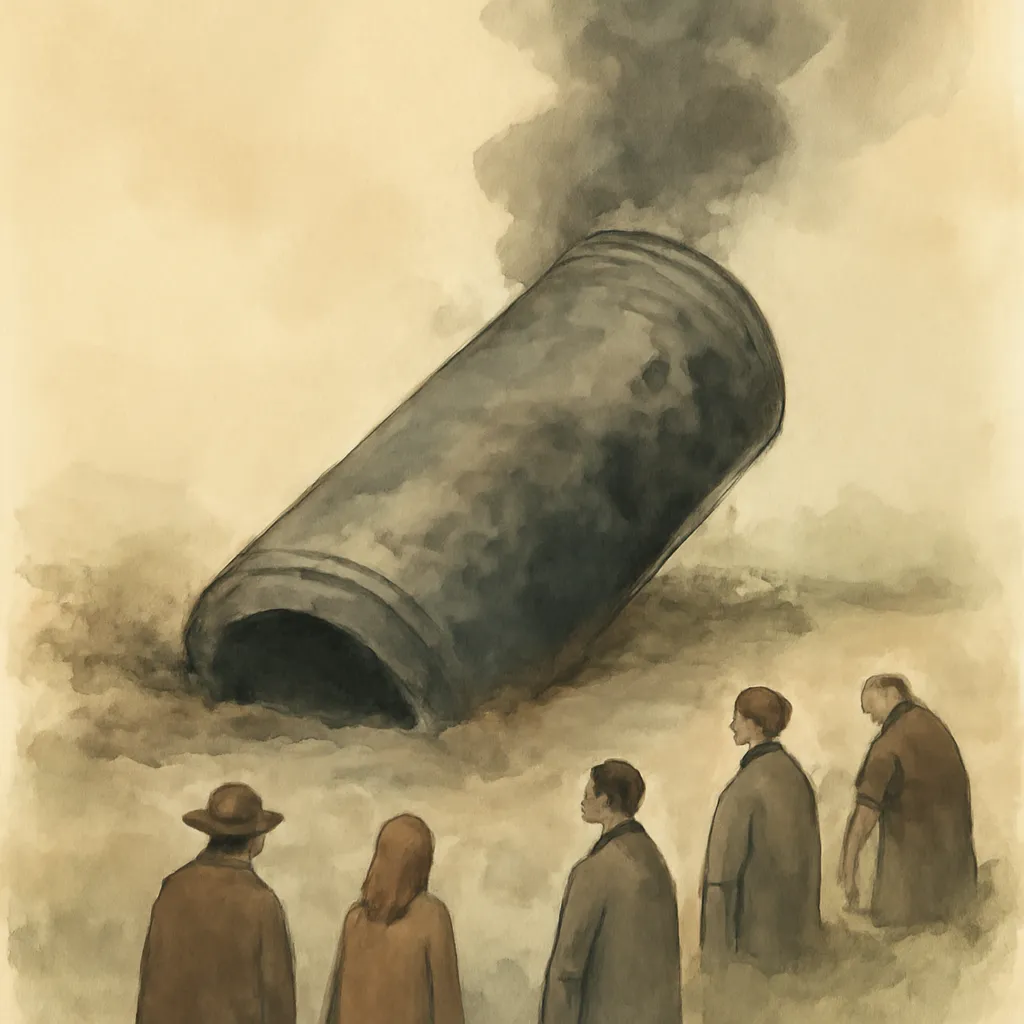
The arrival of the Martians begins with the dramatic depiction of a falling star, which is later revealed to be a Martian cylinder. This moment serves as a pivotal turning point in the story, marking the transition from normalcy to chaos. The cylinder's crash ignites curiosity, but the initial excitement quickly turns to dread as the true nature of the object becomes apparent. Wells cleverly contrasts the mundane activities of everyday life with the monumental event of an extraterrestrial invasion. The townspeople's initial indifference and skepticism mirror humanity's broader tendency to overlook existential threats until they become unavoidable. This theme of denial is significant, as it highlights the human inclination to dismiss the extraordinary in favor of the familiar, a behavior that can lead to catastrophic consequences when faced with real dangers.
3.A Glimpse of the Martians
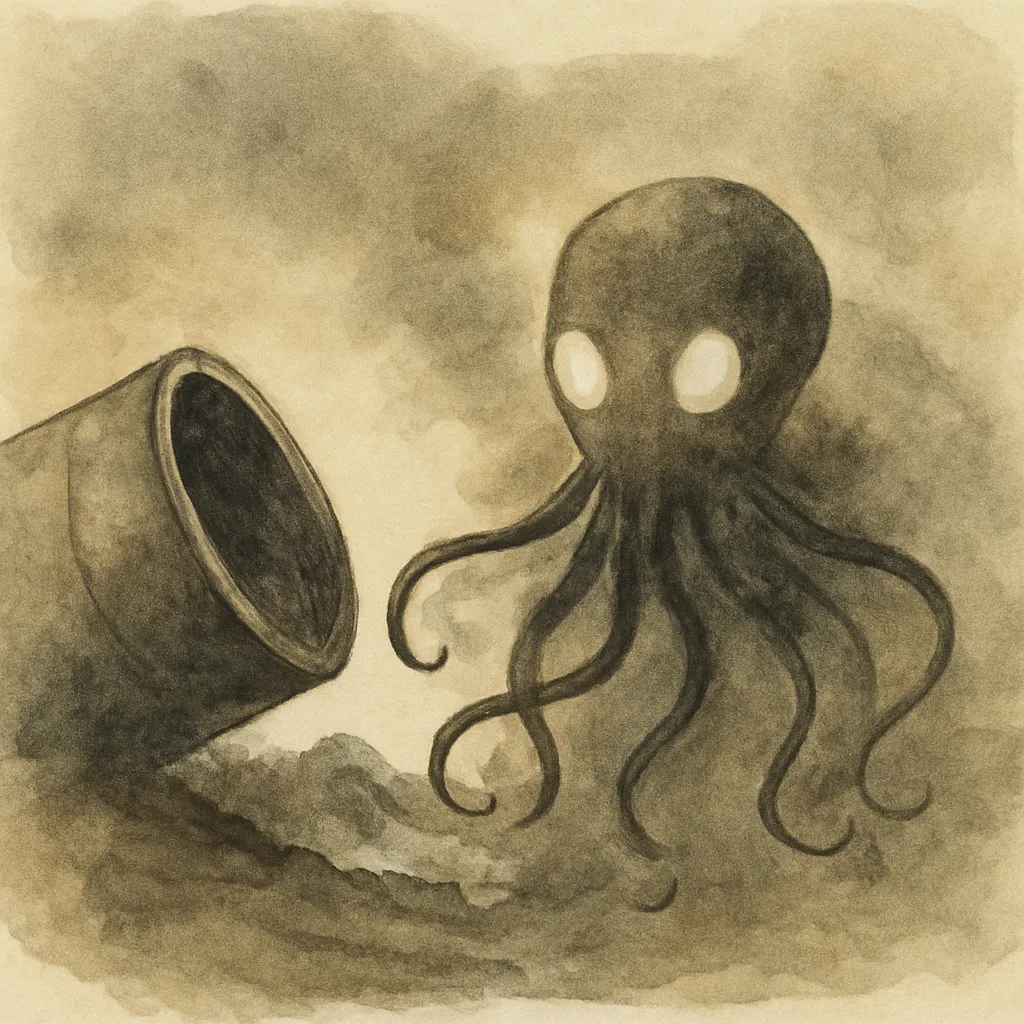
As the narrative progresses, the first sighting of the Martians is a moment filled with both fascination and horror. The creatures emerge from their cylinder, described in grotesque terms that evoke both fear and revulsion. Their alien appearance, with tentacles and luminous eyes, symbolizes the 'otherness' that humanity struggles to comprehend. This encounter challenges the narrator's assumptions about intelligence and life beyond Earth, as he grapples with the reality of beings far more advanced than humans. The vivid description of the Martians serves to instill a sense of dread, as their very presence threatens the established order. This moment also reflects humanity's fear of the unknown and the instinctual response to defend against perceived threats. Wells invites readers to reflect on their own fears of the 'other,' making the Martians a metaphor for the anxieties surrounding colonialism and the unfamiliar.
4.The Heat Ray: A Symbol of Destruction
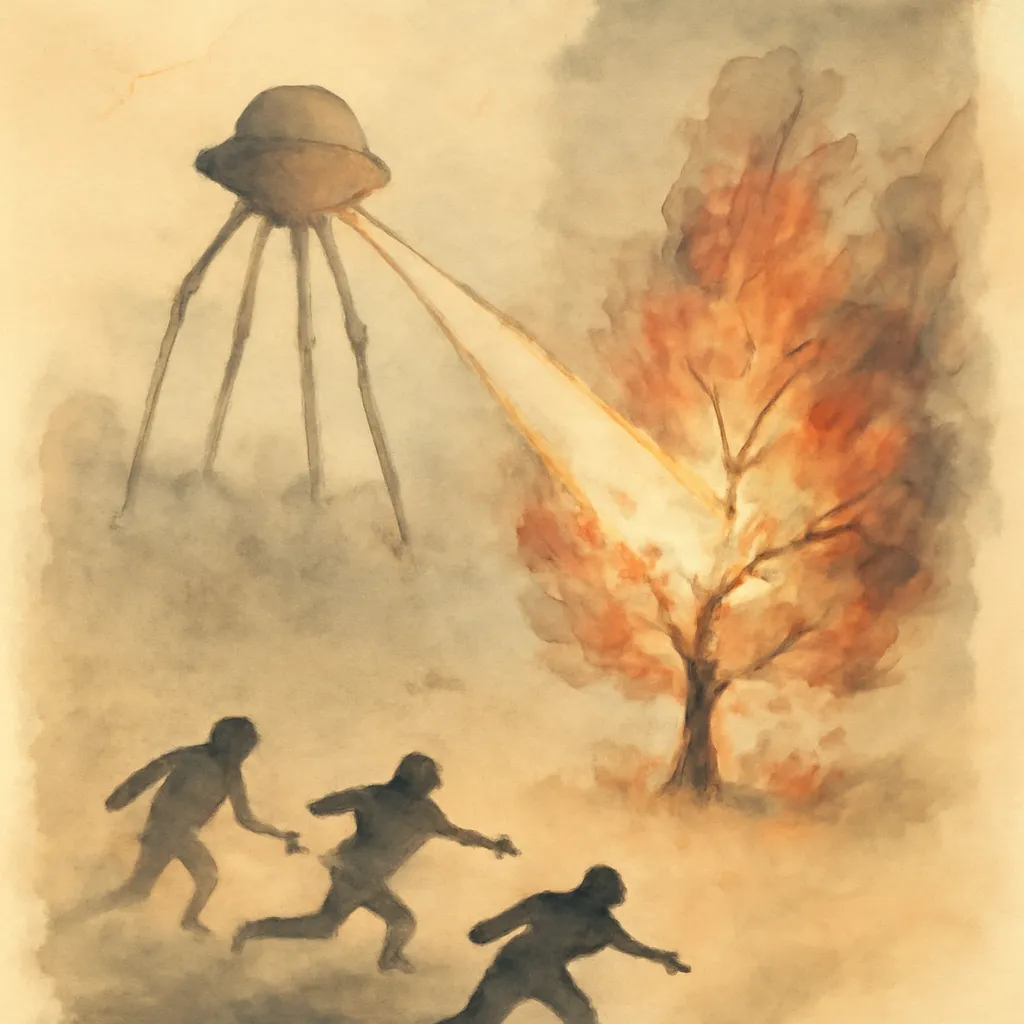
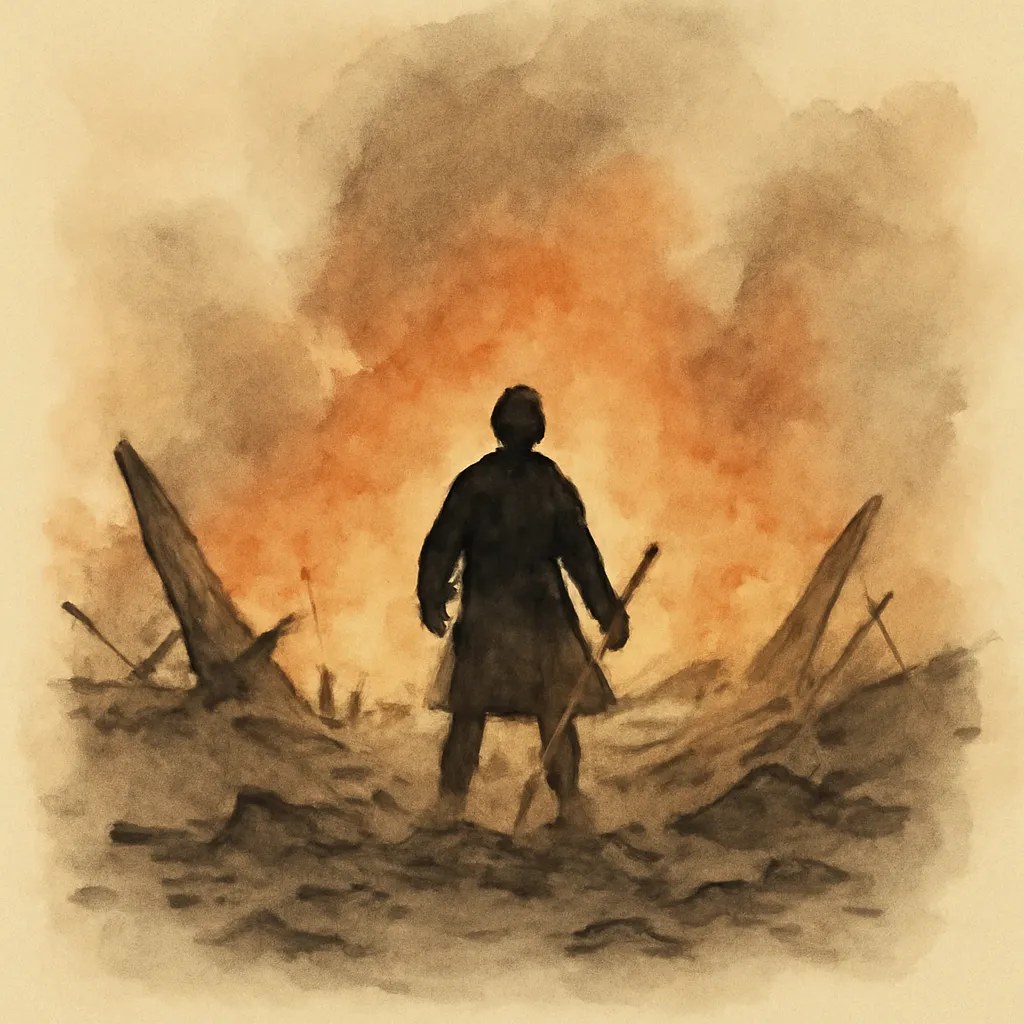
The introduction of the Martians' heat-ray weapon marks a significant escalation in the conflict. This weapon, capable of incinerating anything in its path, serves as a chilling reminder of the destructive potential of advanced technology. The indiscriminate nature of the heat-ray reflects humanity's own capacity for violence and destruction, forcing readers to confront the moral implications of such power. As the Martians wield their technology with cold efficiency, the narrative raises questions about the ethical responsibilities that accompany such advancements. The heat-ray symbolizes not only the Martian superiority but also the darker aspects of human nature, as the story unfolds into a battle for survival. The visceral impact of the heat-ray scenes reinforces the theme of vulnerability, illustrating how quickly civilization can crumble under the weight of superior force.
5.The Collapse of Society
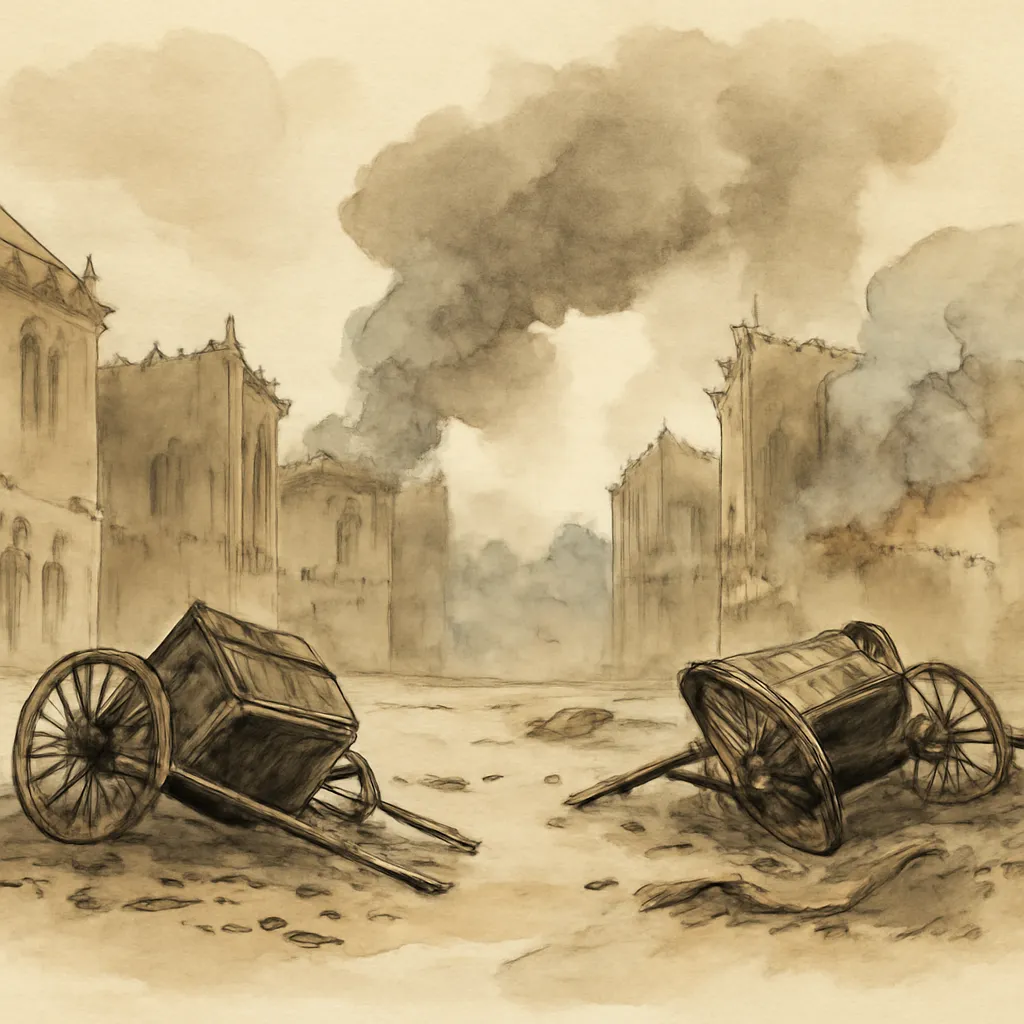
Wells paints a vivid picture of societal breakdown as the Martian invasion unfolds. Panic spreads rapidly, and the once orderly lives of the inhabitants are replaced by chaos and fear. The narrator's experiences illustrate how quickly the fabric of civilization can unravel when faced with overwhelming terror. As people flee in all directions, the social order collapses, revealing the fragility of human constructs. The breakdown of communication and coordination among the populace highlights the theme of isolation and helplessness in the face of disaster. This portrayal of societal collapse serves as a cautionary tale about the consequences of complacency and the importance of preparedness in the face of unforeseen challenges. Wells emphasizes that in times of crisis, the veneer of civilization can vanish, leaving behind a primal struggle for survival.
6.Survival Instincts and Moral Dilemmas
As the invasion escalates, characters face harrowing moral dilemmas that challenge their humanity. The instinct to survive often clashes with ethical considerations, leading to actions that provoke deep introspection. The narrator, for instance, grapples with his own survival while witnessing the suffering of others. This internal conflict embodies the struggle between self-preservation and compassion, forcing readers to confront their own values in extreme situations. The novel raises profound questions about the nature of humanity: What does it mean to be human in the face of annihilation? Can one retain their moral compass when survival is at stake? Through these dilemmas, Wells explores the complexities of human nature, ultimately suggesting that in the face of existential threats, the essence of humanity is tested and revealed.
7.The Role of Science and Technology
Wells intricately weaves themes of science and technology throughout the narrative, reflecting both awe and trepidation towards human advancements. The Martians, with their superior technology, serve as a stark contrast to human capabilities, prompting readers to consider the implications of scientific progress. The novel invites a critical examination of the relationship between humanity and technology; while advancements can lead to great achievements, they also carry the potential for destruction. The heat-ray and the Martian tripods symbolize the dangerous heights of technological prowess and the ethical responsibilities that come with it. Wells suggests that unchecked technological advancement can lead to catastrophe, urging readers to reflect on the balance between innovation and moral considerations in their own world.
8.The Human Spirit and Resilience
Despite the overwhelming odds, the narrative ultimately emphasizes the resilience of the human spirit. Characters navigate through despair and chaos, showcasing the innate drive to survive and adapt. The narrator's journey from terror to determination illustrates the transformative power of crisis, as he learns to confront his fears and take action. This theme of resilience resonates deeply, offering a glimmer of hope amid the darkness. Wells underscores the idea that even in the face of insurmountable challenges, the human capacity for courage and ingenuity can prevail. The portrayal of individuals rising to the occasion, forming alliances, and seeking solutions serves as a testament to the strength of the human spirit, reminding readers that hope can emerge even in the direst circumstances.
9.The Aftermath: Reflection on Humanity
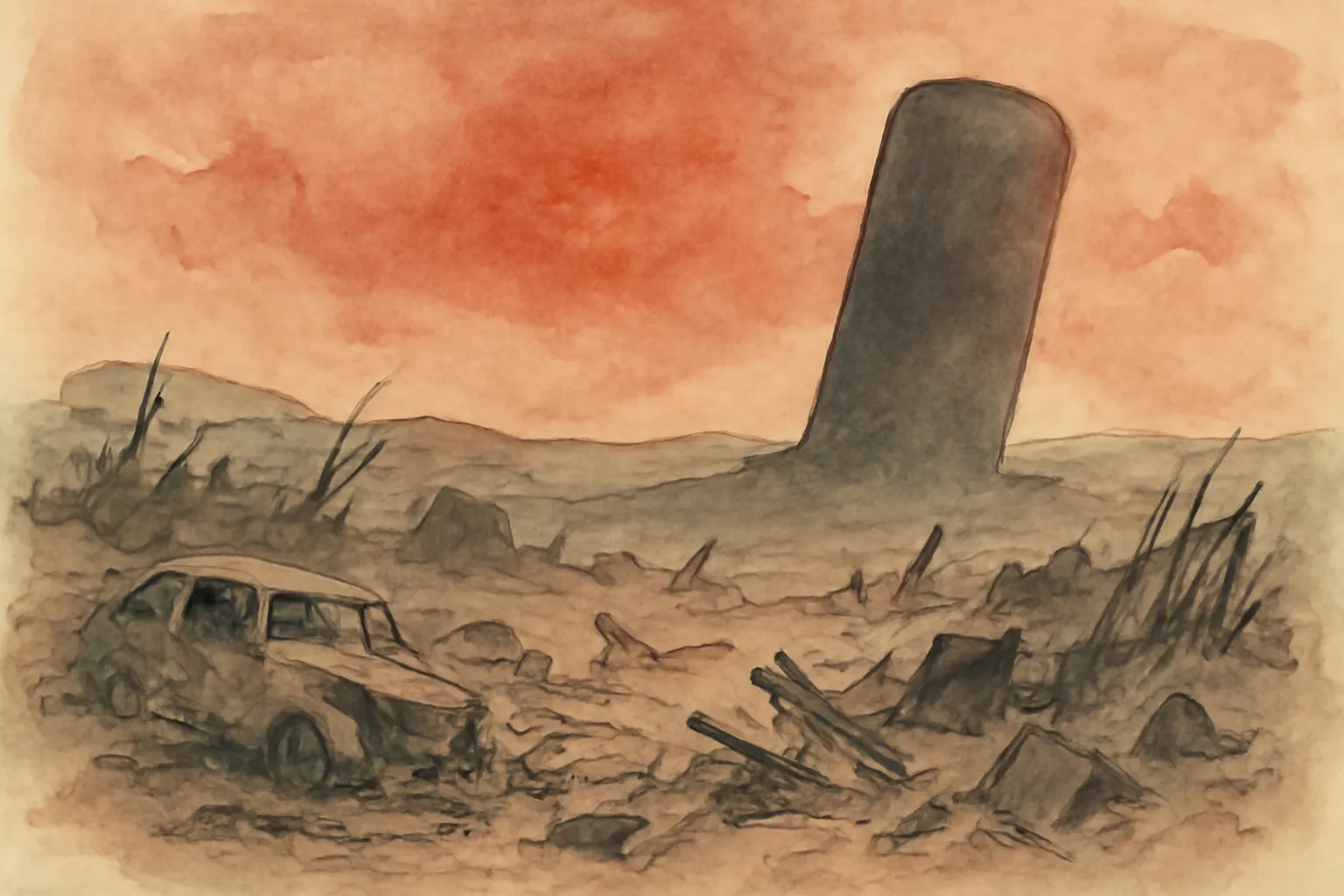
As the story progresses towards its conclusion, the aftermath of the invasion prompts a reflection on humanity's place in the universe. The destruction wrought by the Martians serves as a catalyst for profound introspection about human nature, civilization, and existence. Wells invites readers to contemplate the lessons learned from the catastrophic events, urging a reevaluation of priorities and values. The survival of humanity, in the end, is not solely attributed to superior strength but rather to a combination of luck and resilience. This conclusion raises existential questions: What does it mean to survive? How should humanity proceed in the wake of such a harrowing experience? Wells leaves readers with a sense of ambiguity, challenging them to grapple with the implications of their existence in a universe that can be both wondrous and terrifying.
10.A Cautionary Tale for Modern Times
The themes explored in 'The War of the Worlds' remain strikingly relevant in contemporary society. As humanity grapples with issues such as climate change, technological advancements, and global conflicts, Wells's cautionary tale serves as a reminder of the potential consequences of inaction and complacency. The novel warns against the hubris of believing in humanity's invincibility, urging a recognition of the interconnectedness of all life and the responsibilities that come with it. By drawing parallels between the Martian invasion and modern challenges, Wells's work transcends its time, encouraging readers to engage with the pressing issues of their era. The narrative serves not only as a thrilling tale of survival but also as a call to action, advocating for awareness, preparedness, and a commitment to preserving the values that define humanity.