

Pirsig, Robert M. · Biography · Description and travel
Zen and the Art of Motorcycle Maintenance by Robert M. Pirsig — Summary, Key Ideas & Quotes
1974421 pages✦ 3-min Big ideas★ 3.8 (127)
Rate it
"The real cycle you're working on is a cycle called 'yourself.'"One of the most important and influential books of the past half-century, Robert M. Pirsig's Zen and the Art of Motorcycle Maintenance is a powerful, moving, and penetrating examination of how we live and a meditation on how to live better. The narrative of a father on a summer motorcycle trip across America's Northwest with his young son, it becomes a profound personal and philosophical odyssey into life's fundamental questions. A true modern classic, it remains at once touching and transcendent, resonant with the myriad confusions of existence and the small, essential triumphs that propel us forward.
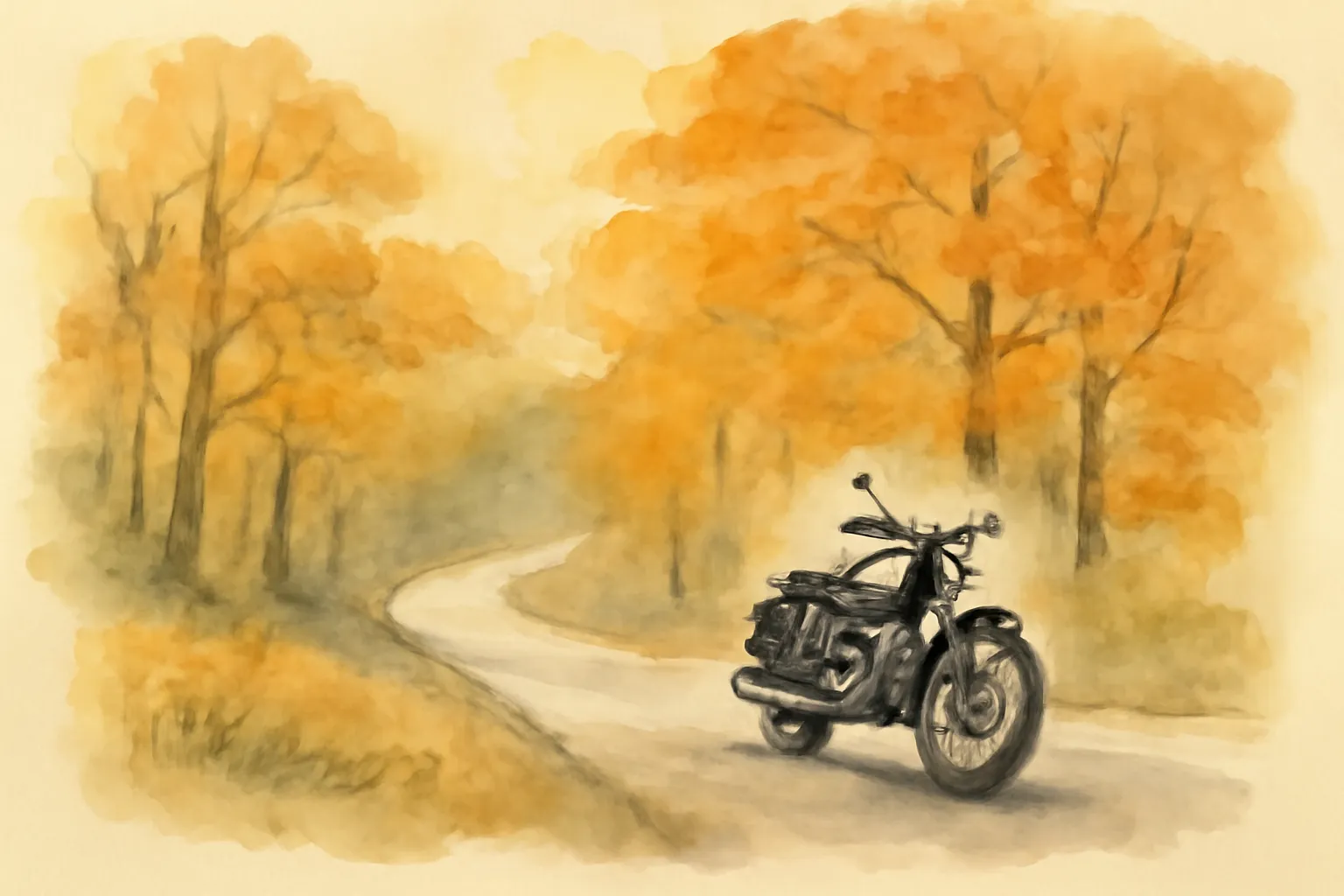
Pirsig introduces the concept of 'Quality' as a fundamental, yet elusive, aspect of experience—something that transcends easy definition but underpins both art and science. He argues that true understanding and satisfaction in life come from recognizing and valuing quality, whether in repairing a motorcycle or navigating personal relationships. This idea becomes a lens through which the book examines the tension between rationality and intuition, suggesting that quality bridges the gap between them.
A central theme is the distinction between the 'classical' (rational, analytical) and 'romantic' (intuitive, aesthetic) approaches to life. Pirsig uses motorcycle maintenance as a metaphor: some people focus on the underlying mechanics, while others appreciate the ride itself. He suggests that integrating both perspectives leads to a richer, more balanced life, rather than privileging one at the expense of the other.
“The place to improve the world is first in one's own heart and head and hands.”
“The real cycle you're working on is a cycle called 'yourself.'”
“You look at where you’re going and where you are and it never makes sense, but then you look back at where you’ve been and a pattern seems to emerge.”