1.Quality as the Centerpiece
Pirsig introduces the concept of 'Quality' as a fundamental, yet elusive, aspect of experience—something that transcends easy definition but underpins both art and science. He argues that true understanding and satisfaction in life come from recognizing and valuing quality, whether in repairing a motorcycle or navigating personal relationships. This idea becomes a lens through which the book examines the tension between rationality and intuition, suggesting that quality bridges the gap between them.
2.The Classical vs. Romantic Worldviews
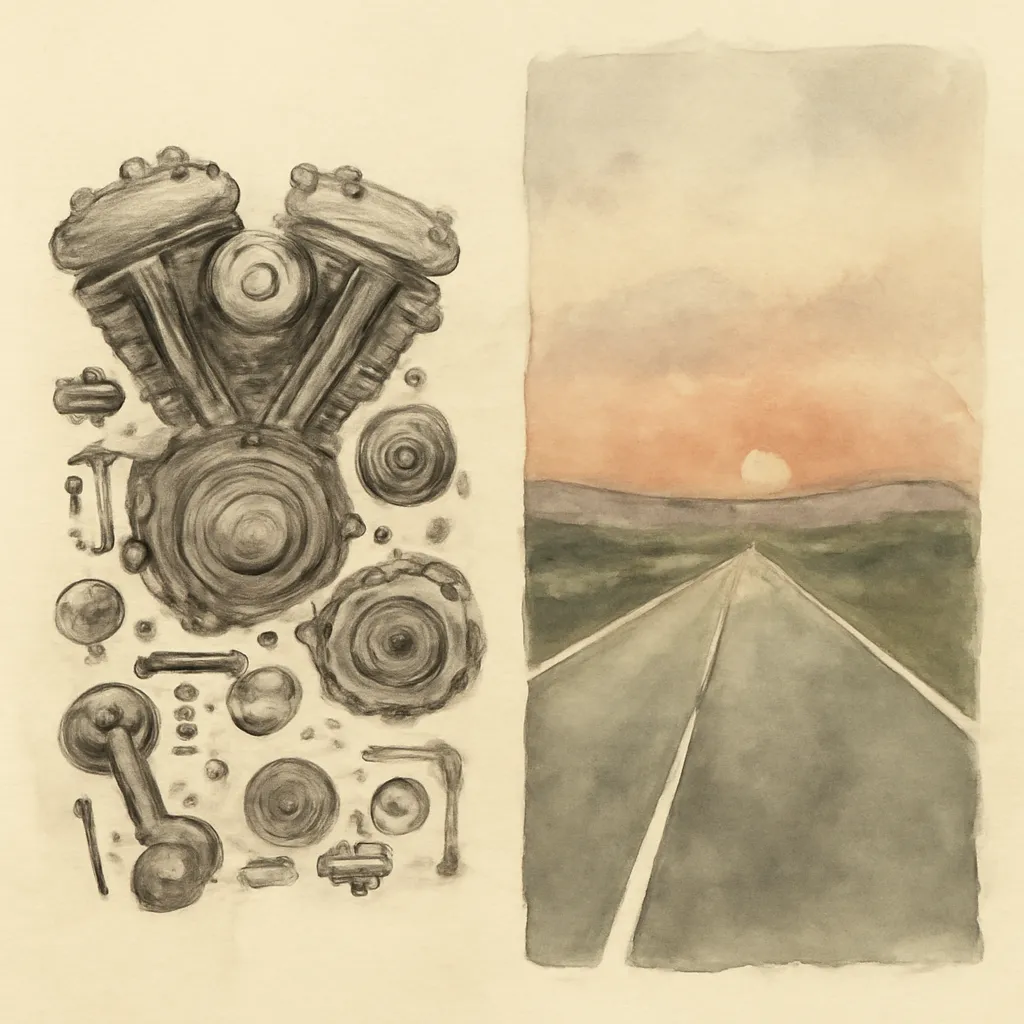
A central theme is the distinction between the 'classical' (rational, analytical) and 'romantic' (intuitive, aesthetic) approaches to life. Pirsig uses motorcycle maintenance as a metaphor: some people focus on the underlying mechanics, while others appreciate the ride itself. He suggests that integrating both perspectives leads to a richer, more balanced life, rather than privileging one at the expense of the other.
3.Technology and Human Values
Instead of viewing technology as cold or dehumanizing, Pirsig argues that our relationship with technology reflects our attitudes toward life itself. By engaging with machines thoughtfully and attentively, we can find meaning and even beauty in technological work. This philosophy encourages readers to approach everyday tasks with care and presence, transforming the mundane into the meaningful.
4.The Journey of Self-Discovery
The physical motorcycle journey mirrors an inner journey for both the narrator and his son. As they travel, the narrator confronts memories of his former self ('Phaedrus'), wrestling with questions of identity, sanity, and purpose. The book suggests that self-understanding is an ongoing process, requiring courage to face uncomfortable truths and reconcile past and present selves.
5.The Limits of Rationality
Through philosophical discussions and personal narrative, Pirsig critiques the limitations of pure rationality. He shows how overreliance on logic can lead to alienation and dissatisfaction, advocating instead for a more holistic approach that honors intuition and emotion alongside reason. This theme resonates with anyone struggling to find balance in a world that often prizes efficiency over meaning.
6.Living Deliberately
At its core, the book is a meditation on mindful living. Pirsig urges readers to be fully present in their actions, whether tuning an engine or engaging with loved ones. By paying attention to the process, not just the outcome, we cultivate a deeper appreciation for life’s everyday moments and challenges.