1.Multiplicity of Voices and Perspectives
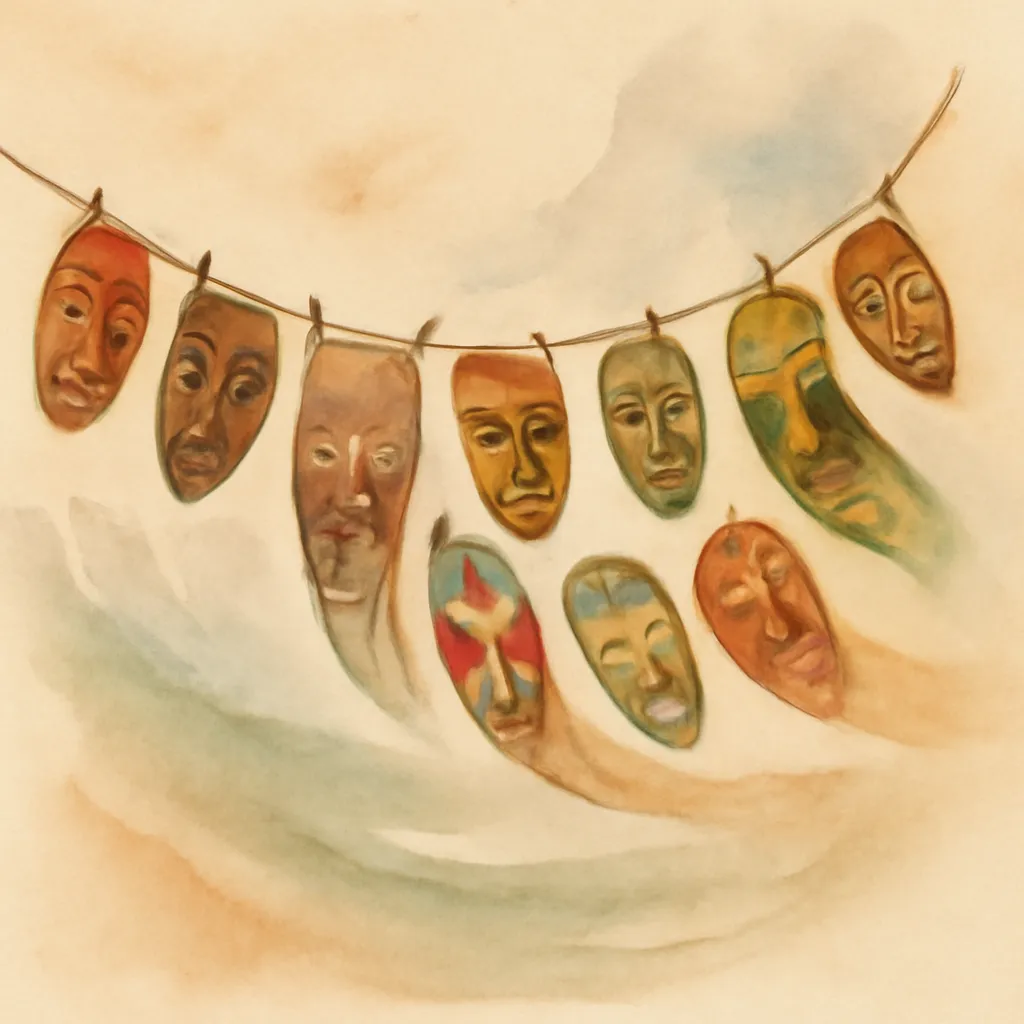
James crafts the novel as a polyphonic oral history, giving voice to over a dozen narrators from different backgrounds—gangsters, CIA agents, journalists, and ordinary Jamaicans. This narrative structure not only immerses readers in the chaos and complexity of the era but also resists any single, authoritative version of history. The shifting perspectives create a mosaic of truth, reflecting the fragmented reality of Jamaica’s social and political landscape.
2.Violence as Social and Political Currency
Violence permeates every layer of the novel, not just as physical acts but as a language and tool wielded by politicians, gangs, and foreign powers. The story exposes how violence underpins the struggle for power, shaping identities and destinies. It interrogates the normalization of brutality and the ways in which violence becomes both spectacle and survival mechanism in a society under siege.
3.The Shadow of Bob Marley
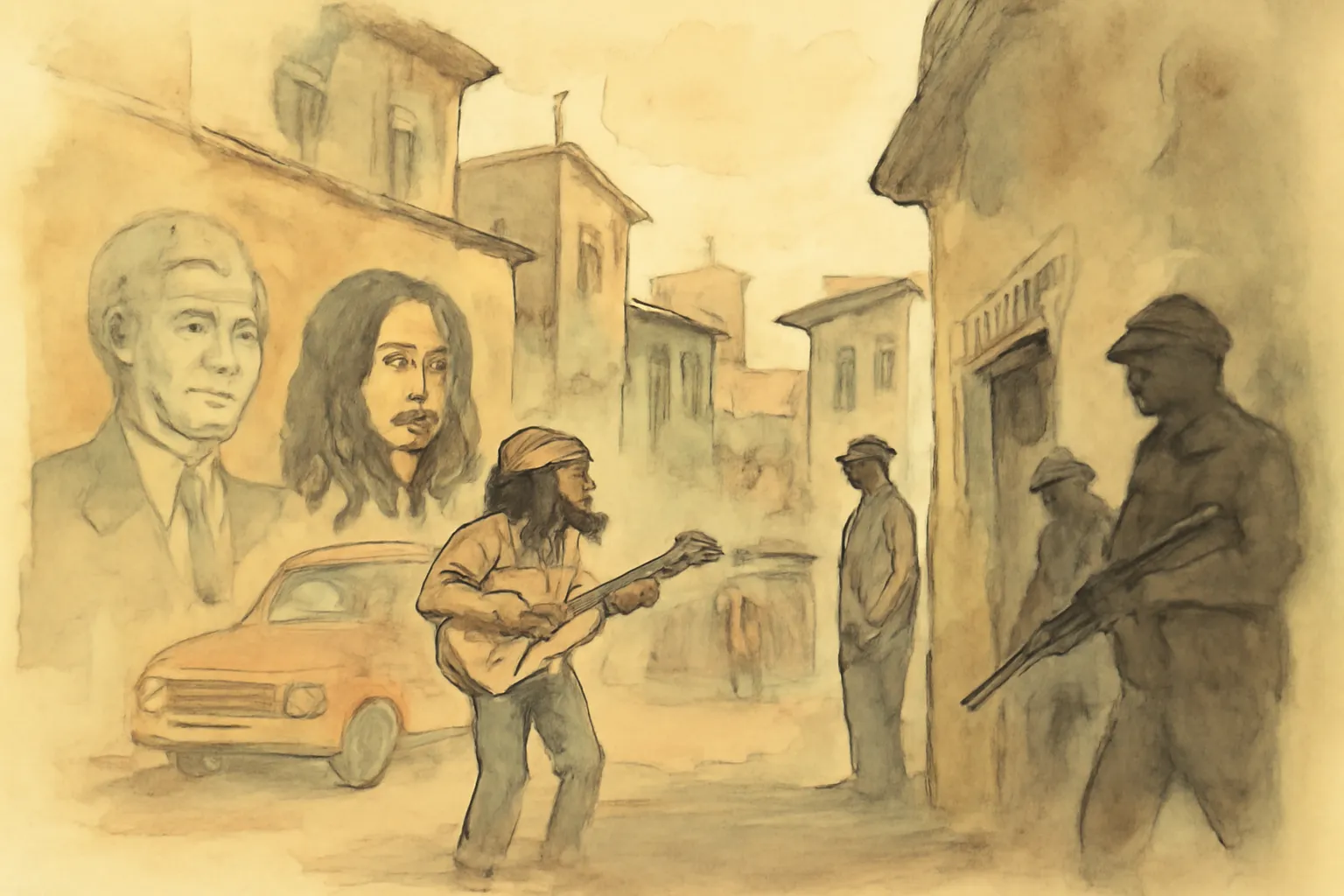
Though never named directly as 'Bob Marley,' the reggae superstar’s presence looms over the narrative as 'the Singer.' Marley becomes a symbol—of hope, unity, and the threat of change. The attempted assassination is less about Marley as an individual and more about what he represents: the possibility of transcending entrenched divisions. The novel explores how cultural icons can be both rallying points and targets in volatile times.
4.Global Forces and Local Lives
James situates Jamaican violence within a broader context of Cold War politics and international interference. The CIA’s covert operations, the drug trade’s expansion to the United States, and the migration of Jamaicans abroad all illustrate how local struggles are inseparable from global currents. The novel deftly shows how ordinary people are caught in the crossfire of larger geopolitical games.
5.Language as Identity and Resistance
The novel’s use of Jamaican patois, slang, and shifting registers is not just stylistic flair—it is central to its themes. Language becomes a marker of class, allegiance, and authenticity. James’s commitment to linguistic diversity both challenges readers and affirms the dignity and complexity of his characters, insisting that their voices be heard on their own terms.
6.Memory, Trauma, and the Possibility of Redemption
The narrative spans decades, tracing the lingering effects of violence and betrayal on survivors. Characters grapple with memory, guilt, and the search for meaning amid chaos. The book raises difficult questions about whether redemption is possible for individuals or societies scarred by trauma, and what it means to remember or forget.