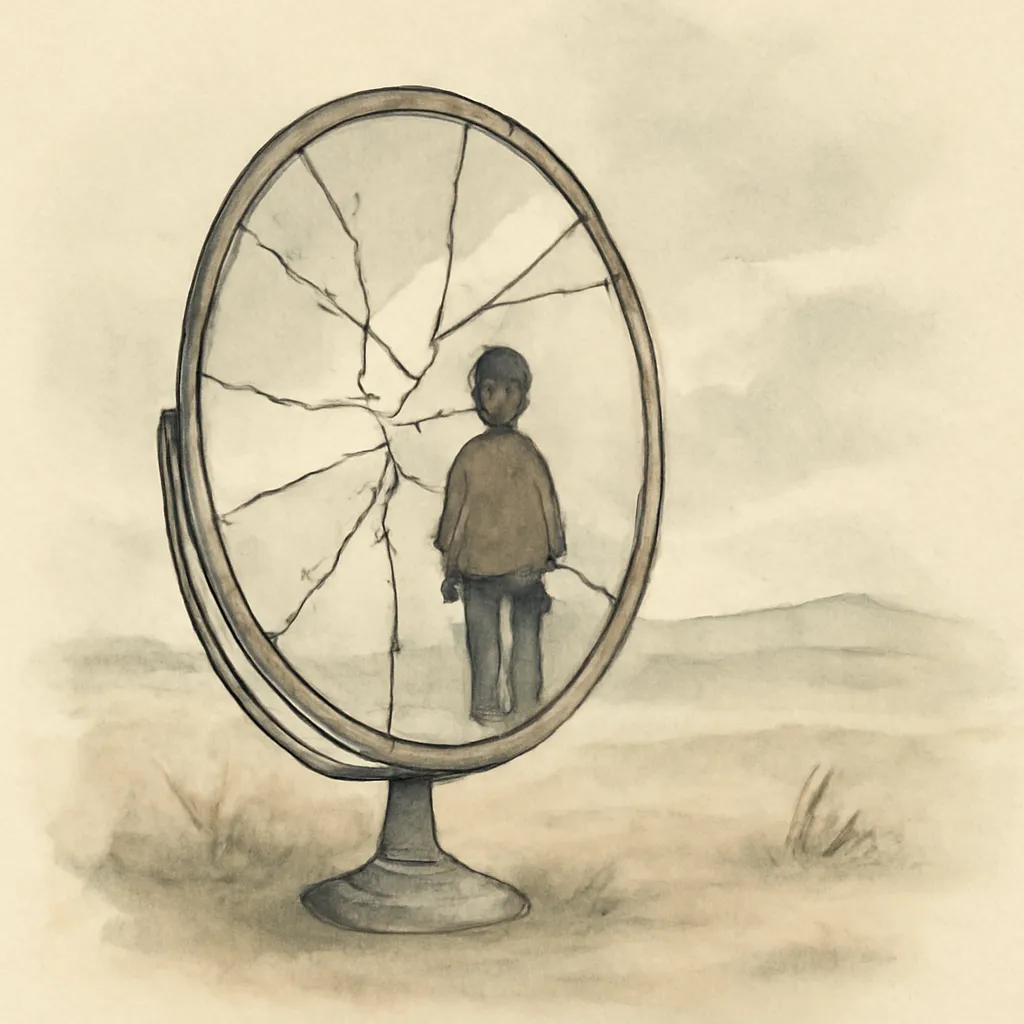
1.The Reality of Severe Child Abuse
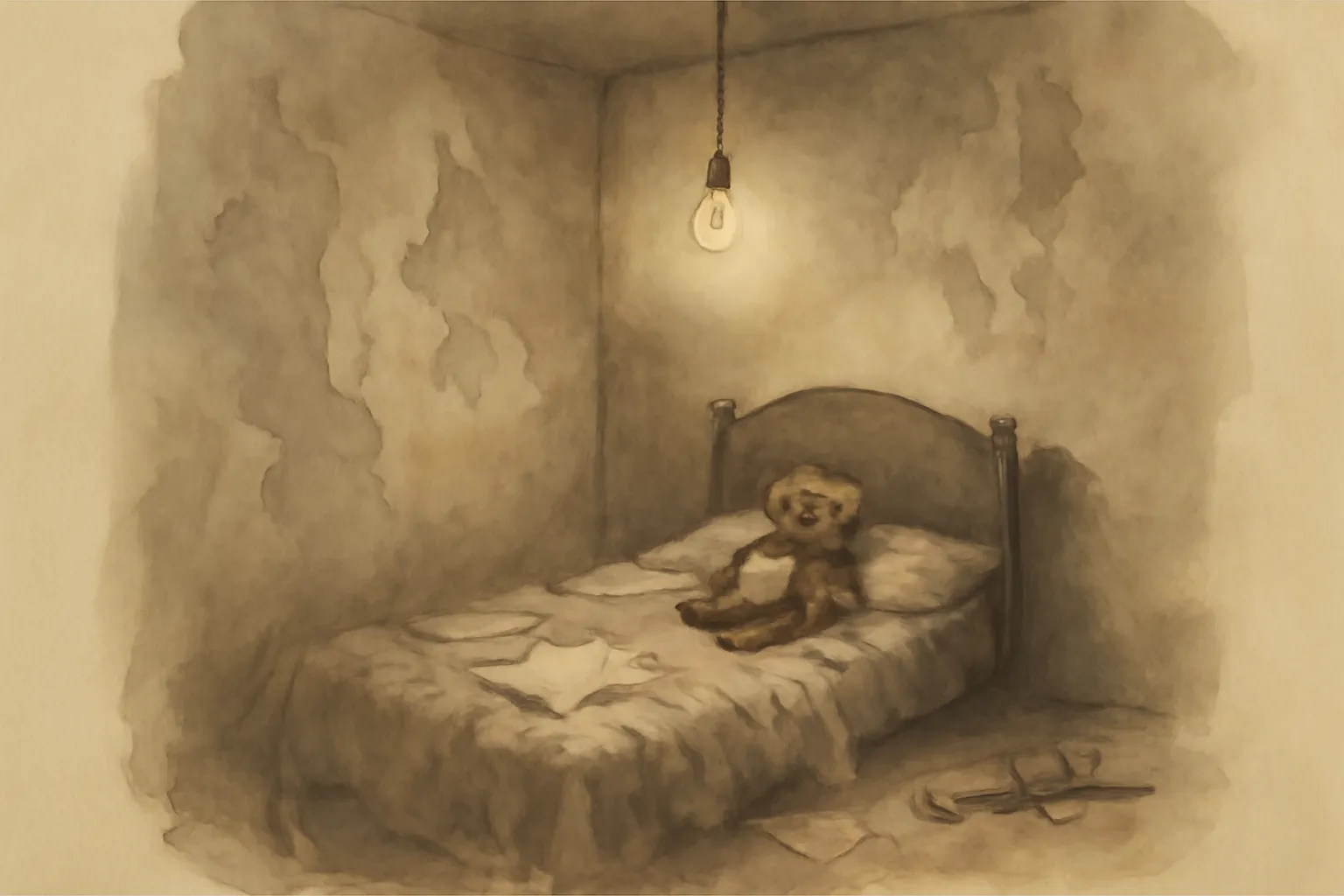
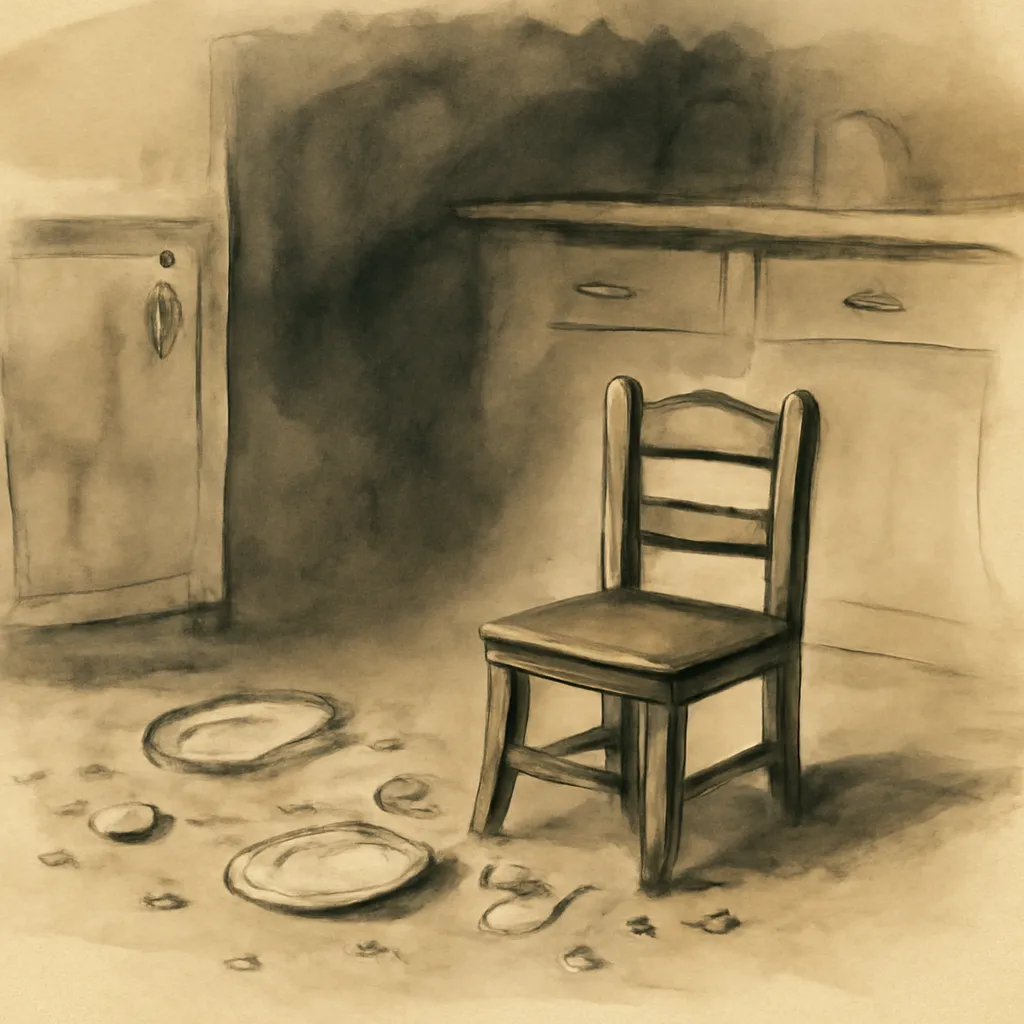
Pelzer’s memoir exposes the extent and brutality of child abuse that can occur behind closed doors, even in seemingly ordinary families. The detailed descriptions of physical and emotional torment serve to shatter illusions about the rarity or visibility of such suffering. By sharing his experiences, Pelzer forces readers to confront the uncomfortable truth that abuse can be hidden in plain sight, and that victims may have no one to turn to for help.
2.The Psychology of Survival
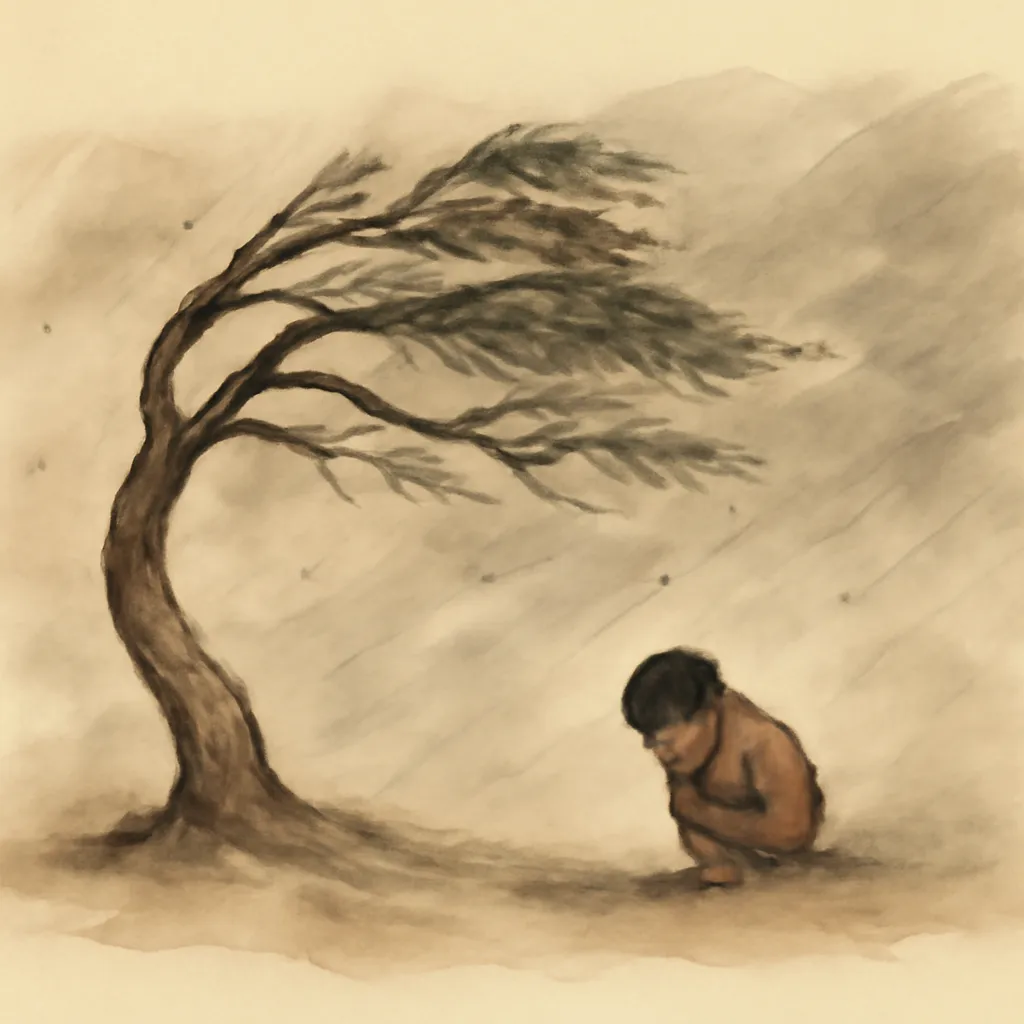
A central theme is Pelzer’s remarkable psychological resilience. Despite relentless cruelty, he develops coping mechanisms—mental games, hope, and a fierce will to live—that allow him to endure. The book explores how a child’s mind can adapt to trauma, finding ways to maintain a sense of self-worth and hope even in the bleakest circumstances.
3.Isolation and the Failure of Systems
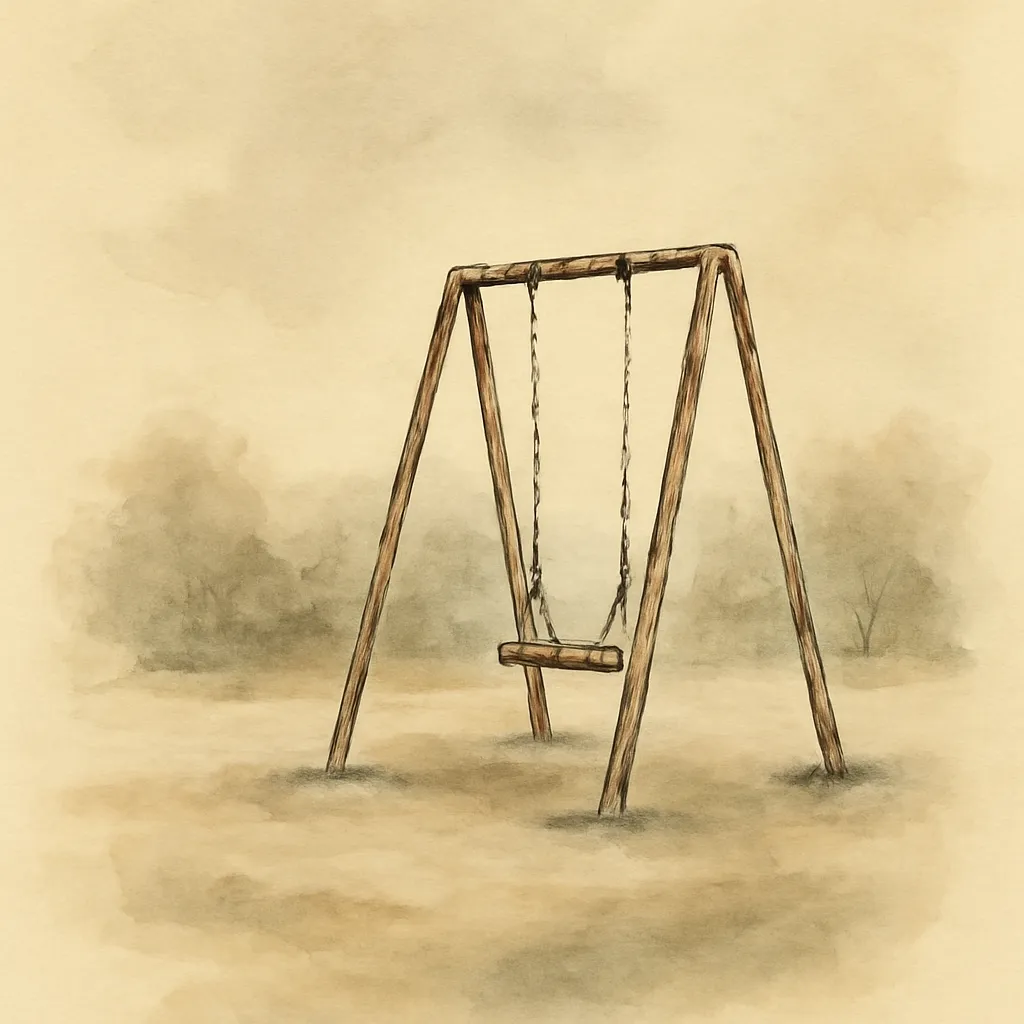
Pelzer’s story highlights the dangers of social isolation and the failures of those around him—teachers, neighbors, and family members—to recognize or act on signs of abuse. This underscores the importance of vigilance, awareness, and intervention by adults and institutions responsible for child welfare. The memoir serves as a call to action to break the silence and protect vulnerable children.
4.The Power and Limits of Hope
Throughout his ordeal, Pelzer clings to fleeting moments of kindness and the hope that someone will rescue him. This hope becomes both a lifeline and a source of pain, as repeated disappointments threaten to extinguish it. The narrative examines how hope can sustain a person through suffering, but also how its absence can be devastating.
5.The Lasting Impact of Trauma
The memoir doesn’t end with rescue; it acknowledges the lifelong scars left by abuse. Pelzer’s reflections suggest that survival is only the first step, and that healing from trauma is an ongoing process. His story invites readers to consider not just the immediate effects of abuse, but its enduring psychological and emotional consequences.
6.Breaking the Cycle
Pelzer’s decision to share his story publicly is an act of courage and a step toward breaking the cycle of abuse. By bringing hidden suffering into the light, he empowers others to speak out and seek help. The book advocates for awareness, empathy, and proactive intervention as essential tools in preventing and addressing abuse.