1.The Fragmentation of Power
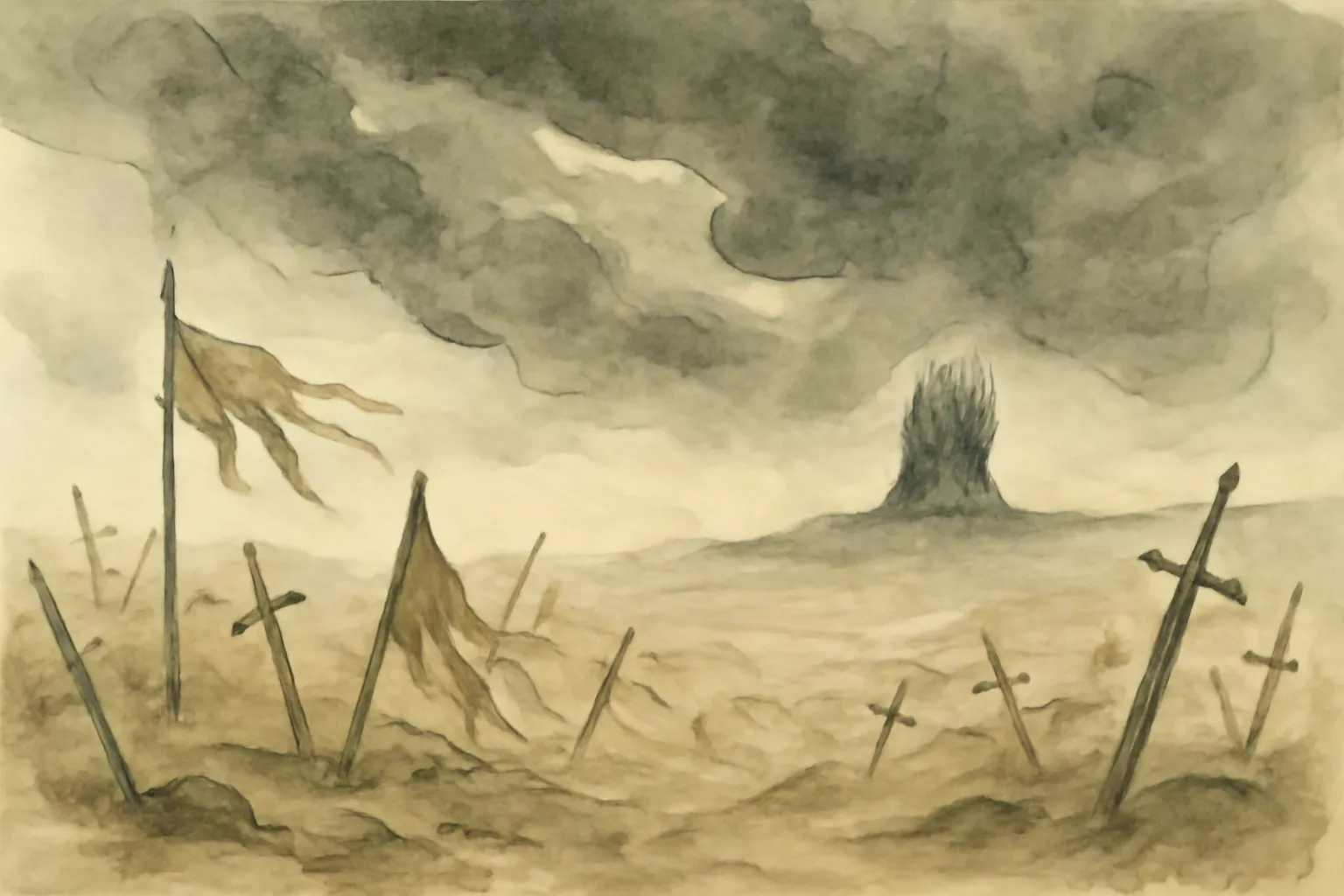
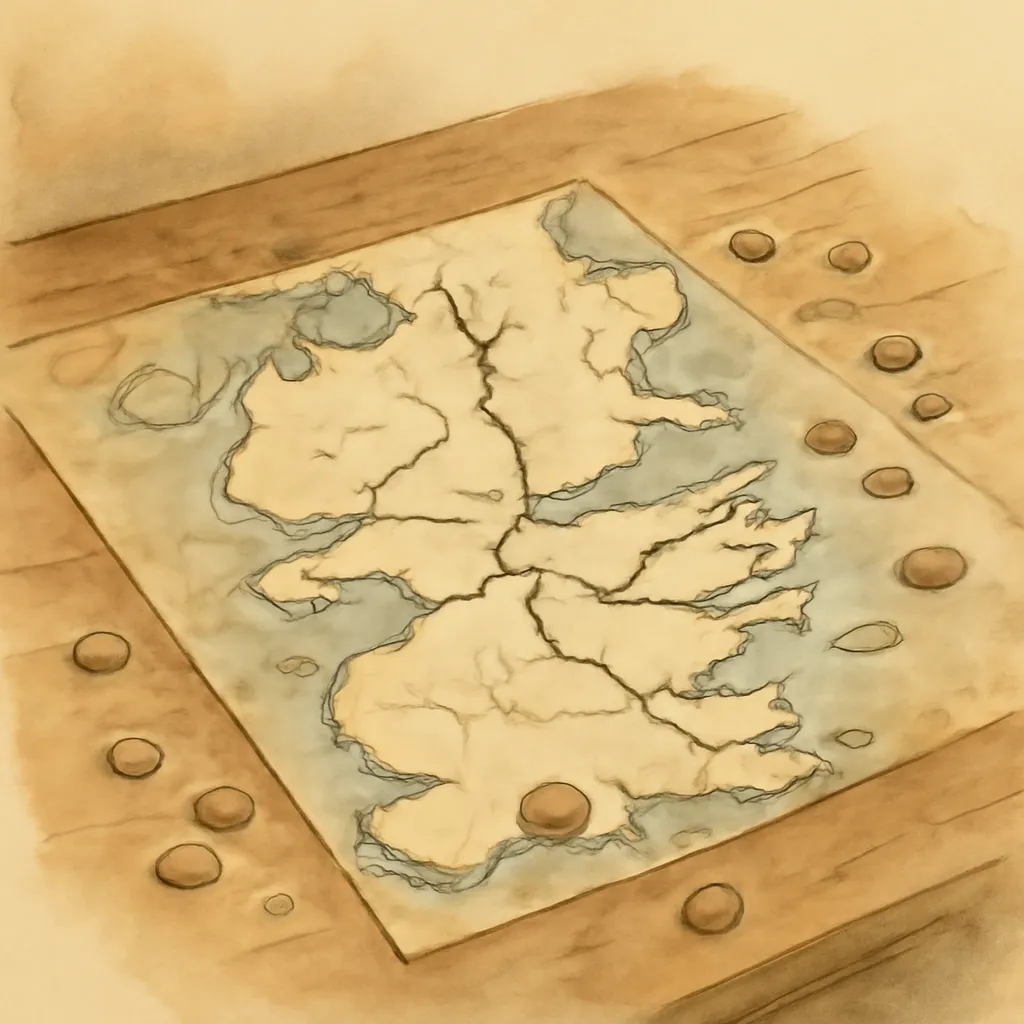
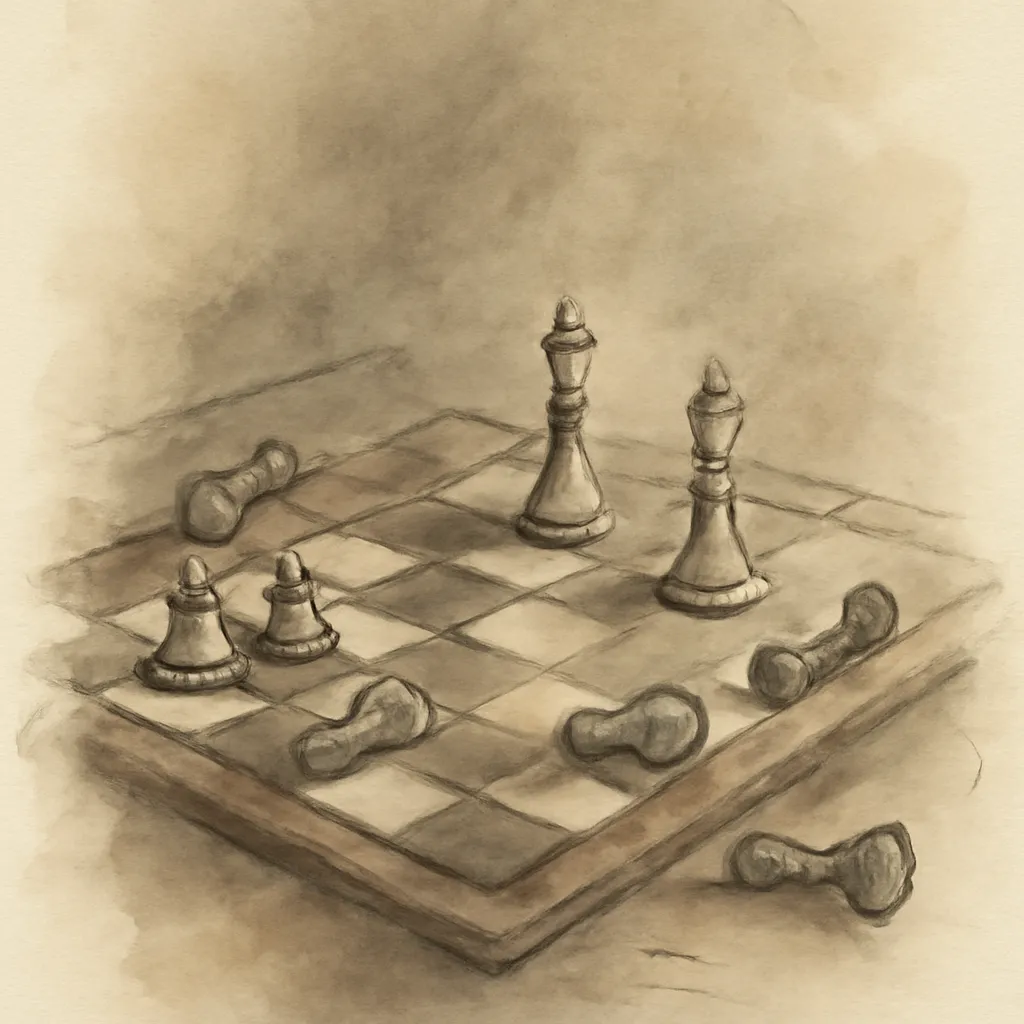
With the deaths of Eddard Stark and King Robert Baratheon, the Seven Kingdoms descend into chaos. Martin explores how the vacuum left by powerful leaders leads to a splintering of authority, as various factions and self-proclaimed kings emerge. This fragmentation is not just political but also personal, as families and loyalties are torn apart. The novel examines the instability that arises when legitimacy is questioned, and how the pursuit of power can unravel the very fabric of society.
2.Ambiguity of Morality
Martin continues to subvert traditional fantasy tropes by presenting characters whose motives and actions defy easy categorization. Heroes and villains are not clearly defined; instead, each character operates according to their own code, shaped by circumstance and necessity. This moral ambiguity challenges readers to empathize with even the most flawed figures, emphasizing that in war and politics, right and wrong are often matters of perspective.
3.The Role of Prophecy and Superstition
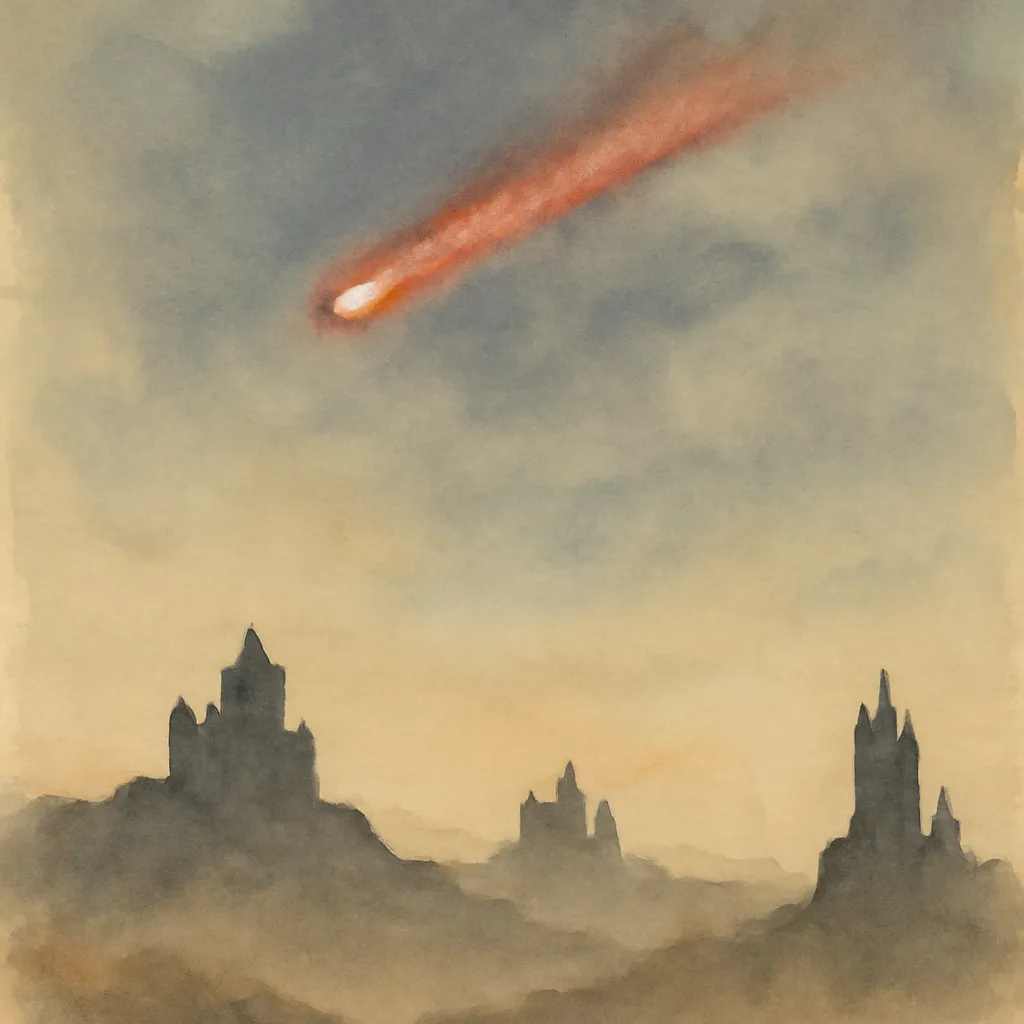
The blood-red comet streaking across the sky becomes a symbol interpreted differently by each faction, reflecting their hopes and fears. Prophecy, magic, and superstition gain prominence, particularly through characters like Melisandre and Bran. Martin uses these elements to show how belief—whether in omens, religion, or destiny—can influence decisions as much as strategy or force, blurring the line between rationality and faith.
4.War’s Toll on the Innocent
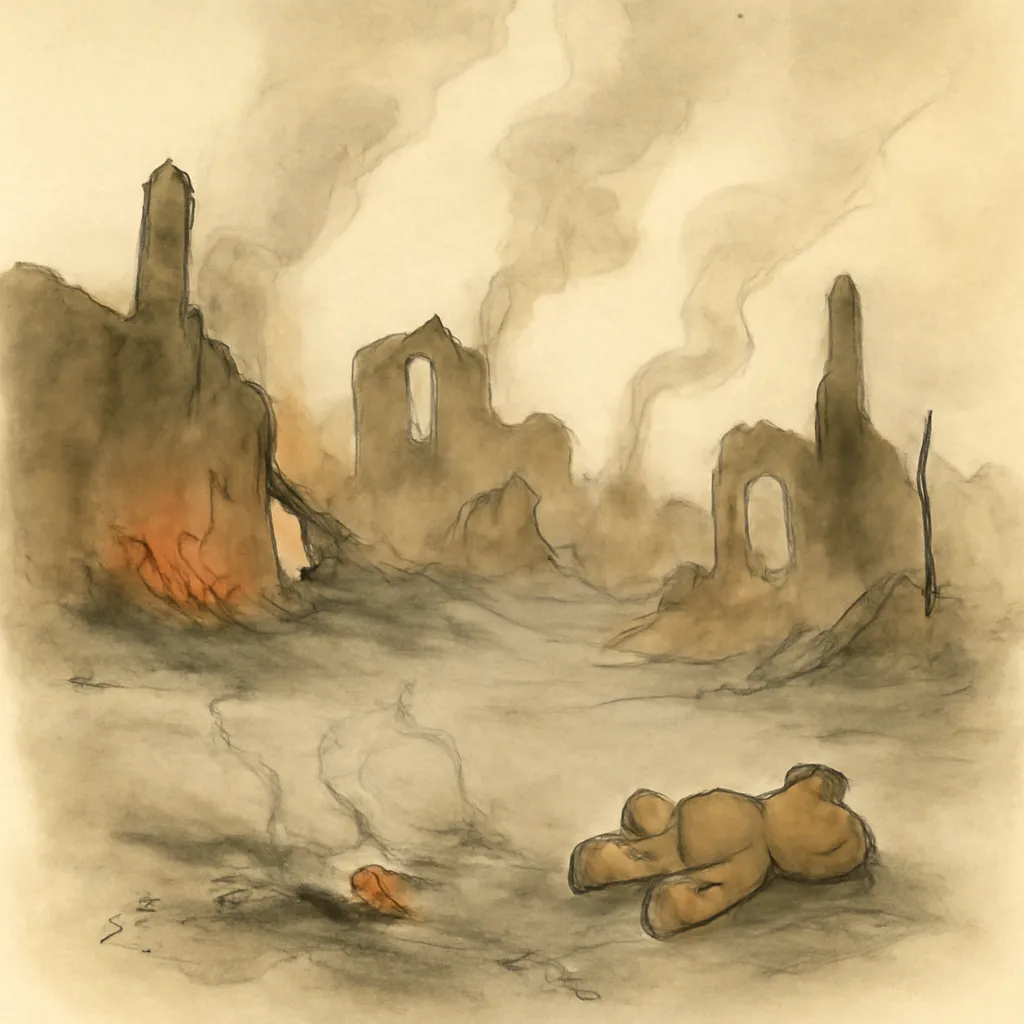
While kings and lords wage war, Martin does not shy away from depicting the suffering inflicted on ordinary people. Through Arya’s journey and the devastation of the countryside, the narrative highlights the collateral damage of power struggles. The book asks readers to consider the human cost of ambition, reminding us that the true victims of war are often those with no stake in its outcome.
5.Identity and Transformation
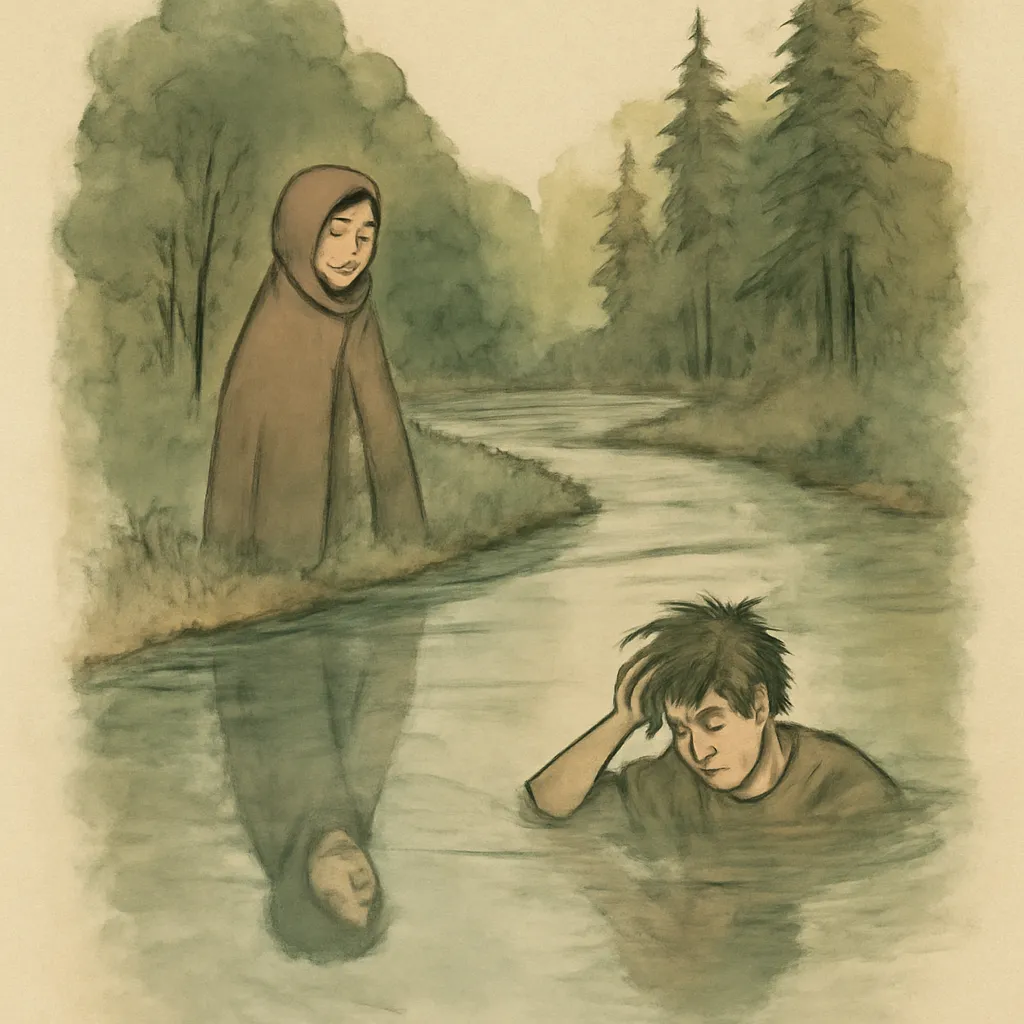
Many characters in A Clash of Kings are forced to reinvent themselves to survive. Arya disguises herself as a boy, Theon grapples with his divided loyalties, and Sansa navigates the treacherous court. Martin uses these transformations to explore themes of adaptation, resilience, and the search for self in a world where identity can be both weapon and shield.
6.The Unpredictability of Fate
Martin’s narrative resists tidy resolutions, with shifting alliances and unforeseen betrayals at every turn. The unpredictability of fate is a constant presence, reminding readers that in Westeros, no one is safe and nothing is guaranteed. This uncertainty keeps the stakes high and the story relentlessly suspenseful.