1.The Grotesque Antihero
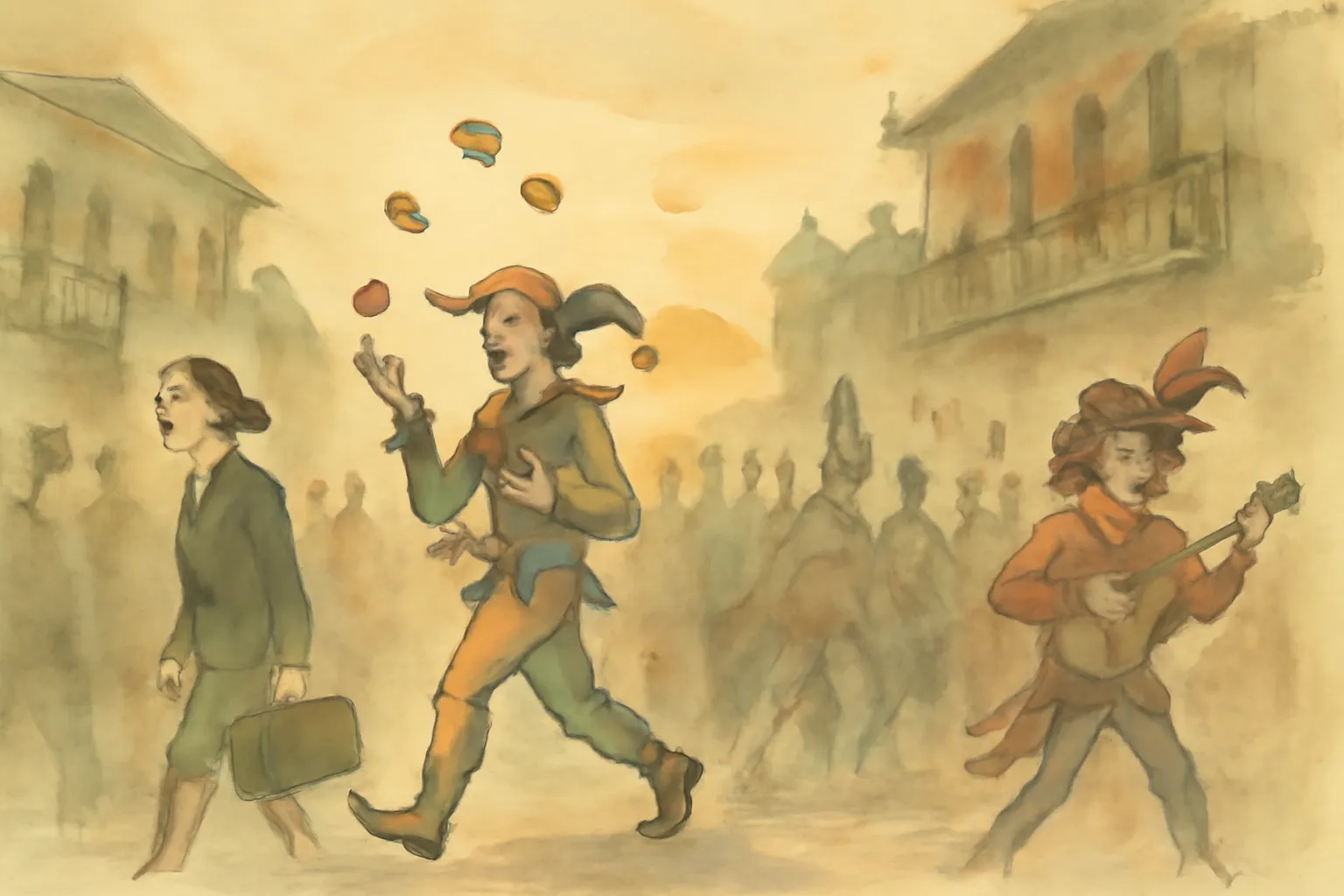
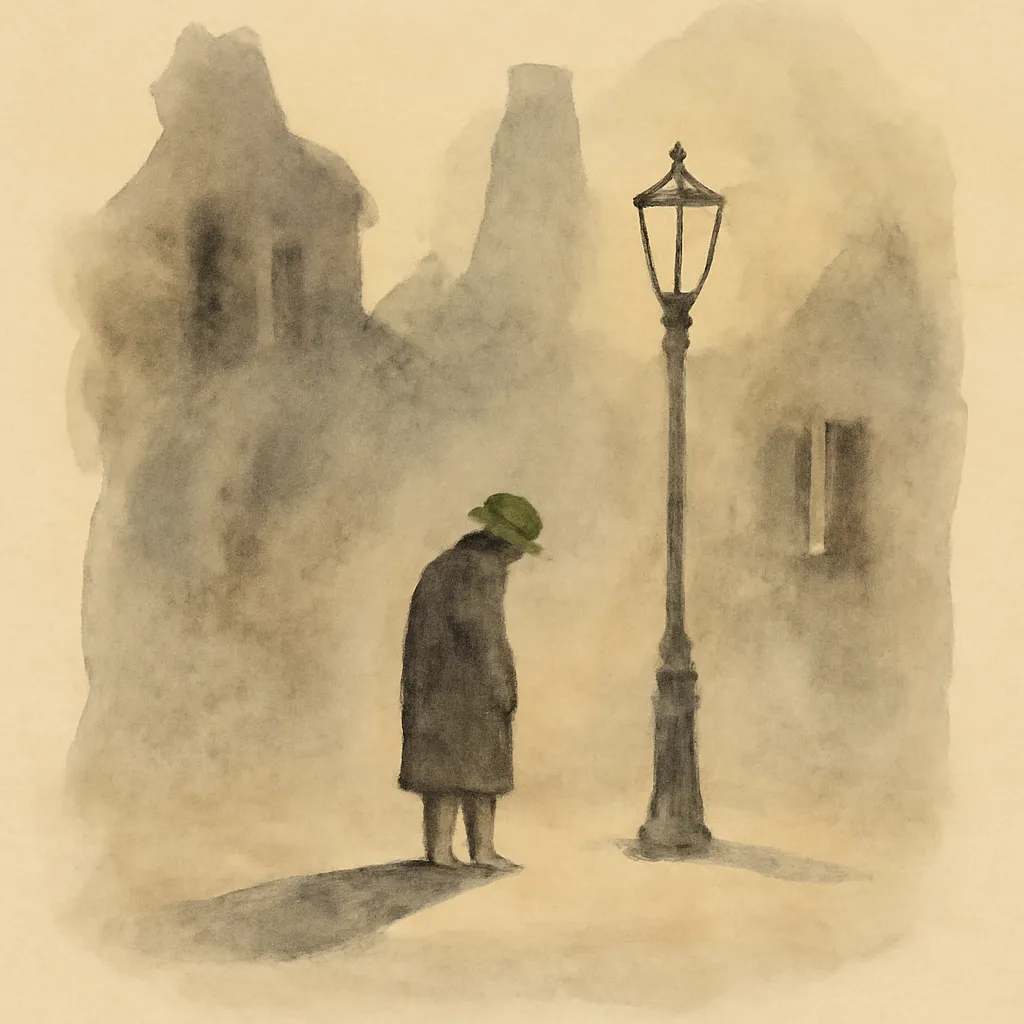
Ignatius J. Reilly, the novel's protagonist, is a larger-than-life figure whose sloth, intellect, and bombast set him apart from everyone around him. Rather than a traditional hero, Ignatius is a comic antihero—his arrogance, eccentricity, and refusal to conform both repel and amuse. Through Ignatius, Toole lampoons the idea of the misunderstood genius, showing how self-importance and delusion can isolate a person from the world.
2.Satire of Modern Society
The book is a sharp satire of American society, particularly the absurdities of bureaucracy, consumerism, and social pretensions. Toole uses the microcosm of New Orleans to expose the follies of various institutions—businesses, academia, law enforcement—highlighting how incompetence and mediocrity often prevail. The title itself, referencing a 'confederacy of dunces,' points to the collective foolishness that surrounds and frustrates the protagonist.
3.New Orleans as a Living Character
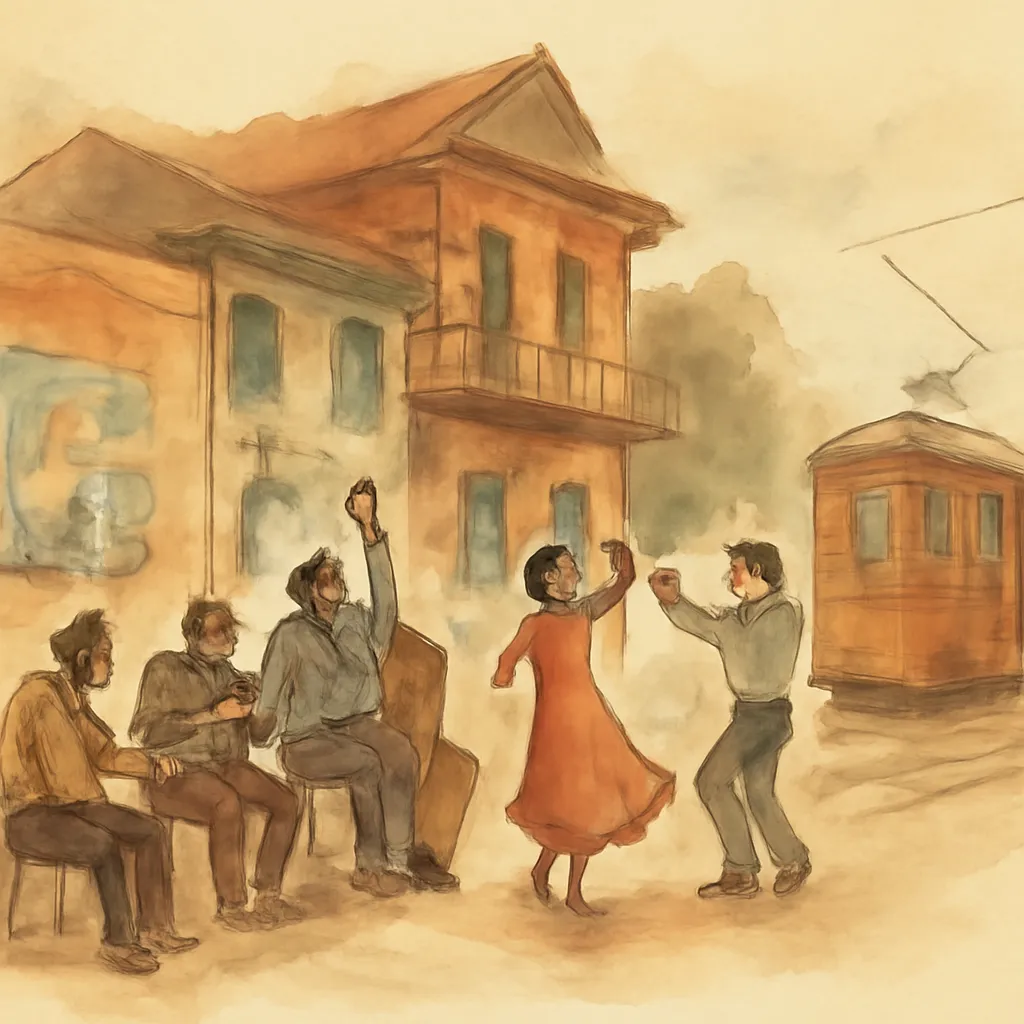
Toole’s depiction of New Orleans is vivid and affectionate, capturing the city’s unique blend of cultures, dialects, and eccentricities. The setting is not just a backdrop but a dynamic force that shapes the characters and their misadventures. The novel revels in the city’s chaos, color, and contradictions, making it an essential part of the story’s humor and heart.
4.The Struggle for Authenticity
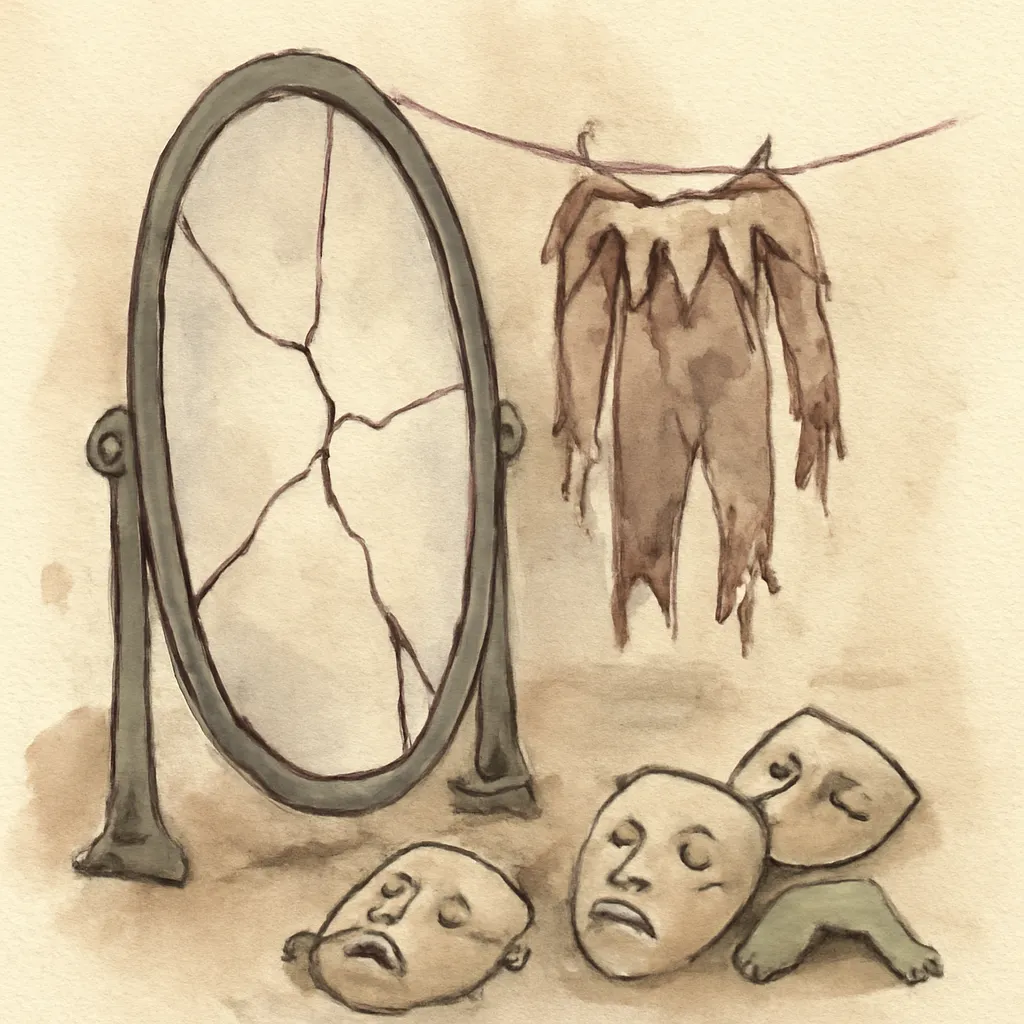
Many characters in the novel, not just Ignatius, are searching for meaning and authenticity in a world that often rewards conformity and mediocrity. The book explores how people construct identities—sometimes desperately or absurdly—in response to societal pressures. This theme resonates in Ignatius’s grandiose worldview and in the quieter struggles of characters like his mother, Irene.
5.Absurdity and Humor as Critique
A Confederacy of Dunces uses farce and slapstick to critique serious issues. The humor is broad and often outrageous, but it serves to illuminate the underlying sadness and frustration of people trapped by circumstance or their own limitations. Toole’s comedic style allows readers to laugh at the characters’ foibles while recognizing the poignancy of their struggles.
6.Tragedy Behind the Comedy
Beneath its comic surface, the novel is tinged with tragedy—both in the fates of its characters and in the story of its author. Ignatius’s inability to fit in, his mother’s despair, and the general sense of futility echo the real-life struggles of John Kennedy Toole, whose own life ended in tragedy before the book was published. This lends the novel a bittersweet quality that deepens its impact.