1.The Call of the West
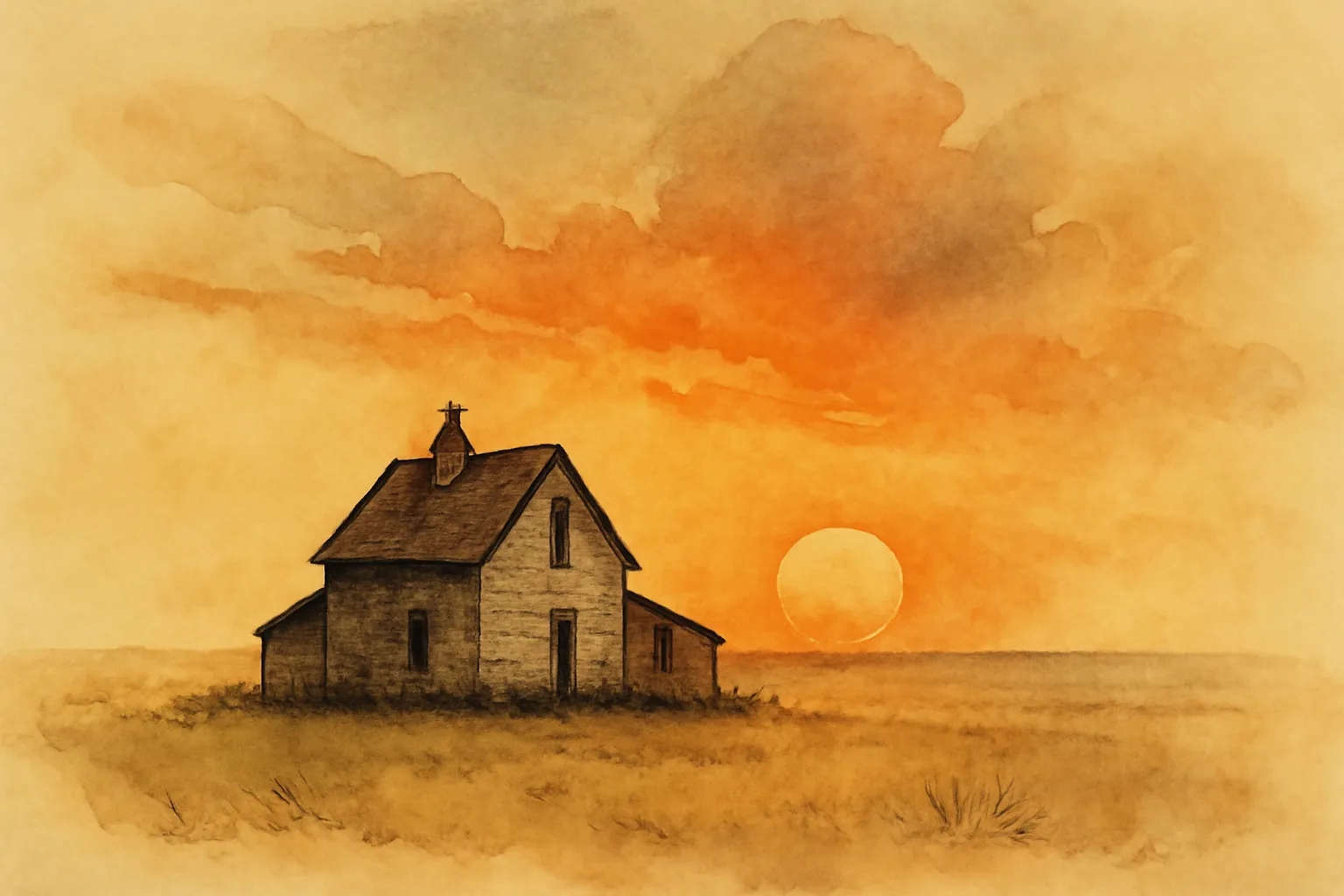
Garland's decision to return to the Midwest after years in the East symbolizes a profound connection to his roots. This move reflects not only a desire to be near his aging parents but also a longing for the simpler, more authentic life of the plains. The homestead in West Salem, Wisconsin, becomes a central character in his narrative, representing both a physical place and an emotional anchor for his family. He recalls the conversations and negotiations that led to acquiring the family homestead, illustrating how familial ties and shared memories are woven into the very fabric of the land. Garland's reflections on this transition reveal the complex interplay between personal ambition and familial duty, capturing the essence of a man caught between two worlds: the allure of literary fame in the East and the pull of his roots in the West.
2.A Mother's Legacy
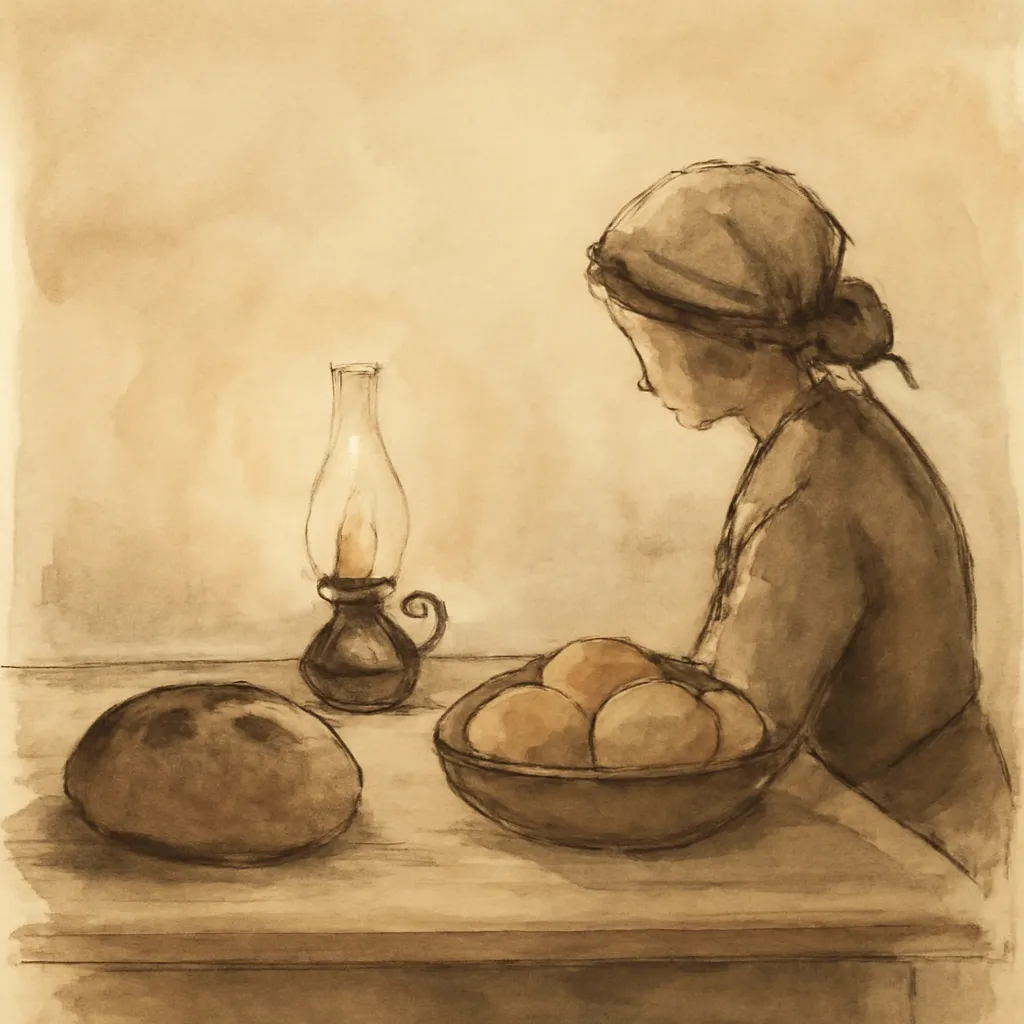
Garland's mother emerges as a powerful figure in his narrative, representing the unsung heroines of pioneer life. Her tireless work and sacrifices for her family shape Garland's understanding of love and duty. He recalls her daily routines—rising early, managing the household, and enduring the hardships of farm life—painting a vivid portrait of her devotion. This tribute to her life, expressed in his writing, serves as both a memorial and an acknowledgment of the countless women who labored in silence to build their families and communities. Garland describes the emotional weight of his mother's absence after her passing, illustrating how her memory lingers in every corner of their home. By honoring her life and struggles, he emphasizes the importance of recognizing and valuing the contributions of women in shaping the frontier, inspiring future generations to appreciate the legacies of their own mothers.
3.The Struggles of Pioneering Life
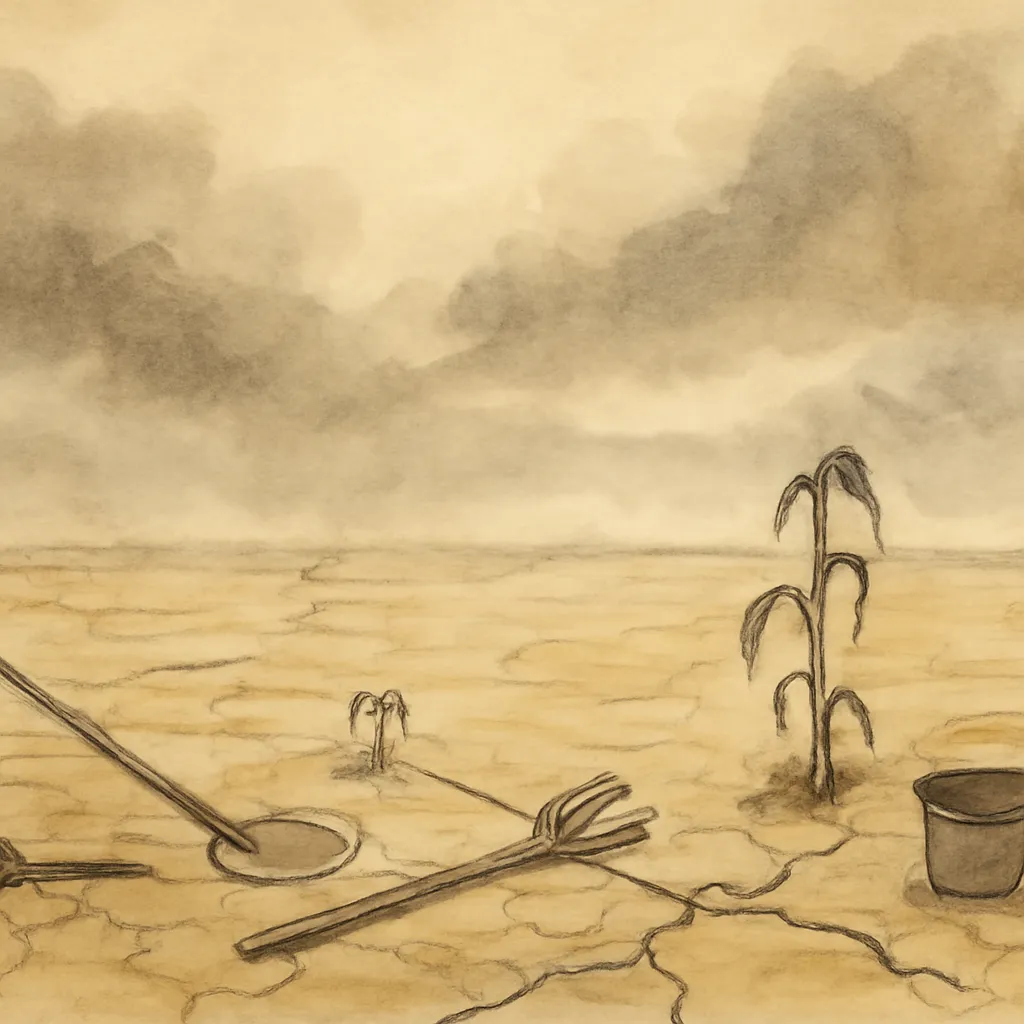
Garland's depiction of pioneering life is marked by both hardship and resilience. He recounts the challenges faced by his family, including the harsh realities of farming, the isolation of rural life, and the ever-present specter of failure. The relentless toil of farm life is vividly illustrated through anecdotes about plowing fields, harvesting crops, and managing livestock. Yet, amidst these struggles, there is a profound sense of community and shared experience among the settlers. Garland illustrates how neighbors relied on one another, forming bonds that transcended their individual hardships. He reflects on communal gatherings, such as barn raisings and harvest celebrations, which provide moments of respite and joy in the otherwise grueling existence. This sense of solidarity in the face of adversity highlights the strength of the human spirit and the capacity for hope, even in the most challenging circumstances.
4.The Artist's Journey
Garland's evolution as a writer is intricately woven into his personal narrative. His early experiences in Chicago, where he grappled with his identity as an artist, reveal the tension between his literary aspirations and the realities of making a living. He describes the vibrant cultural environment of the city, filled with literary salons and artistic movements, which both inspired and intimidated him. Despite the initial struggles, he immerses himself in the rich tapestry of the city's artistic community, drawing inspiration from its energy and diversity. Garland's dedication to honing his craft is evident as he navigates the challenges of publishing, seeking to portray the realities of Midwestern life in a way that resonates with readers. His commitment to his craft ultimately serves as a testament to the power of storytelling in shaping one's identity and preserving cultural heritage.
5.The Impact of Technology
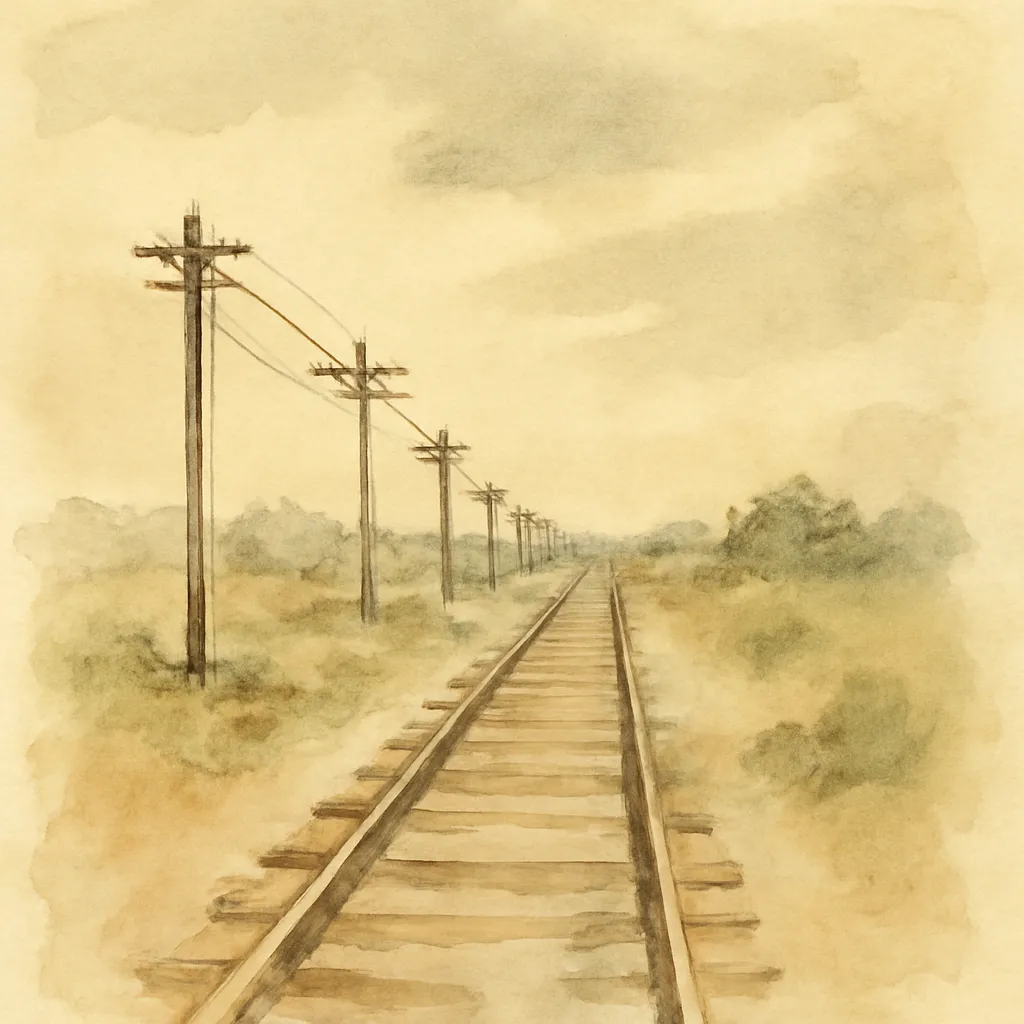
Garland's narrative illustrates the transformative effects of technology on rural life during the late 19th century. The arrival of the telegraph, railroads, and other advancements reshapes the landscape of communication and commerce, bringing both opportunities and challenges to the frontier. He reflects on how these innovations connect isolated communities, enabling them to engage with the broader world while simultaneously threatening their traditional ways of life. For instance, the telegraph allows for faster communication with family and friends, bridging the gap between the isolated Midwestern towns and the bustling East. However, Garland also acknowledges the tension that arises as modernization encroaches upon the pastoral lifestyle, leading to cultural shifts and the erosion of time-honored practices. This duality underscores the complexities of progress, as Garland grapples with the implications of modernization for his family and their neighbors. The tension between embracing change and preserving heritage becomes a recurring motif in his reflections.
6.Family Dynamics and Relationships
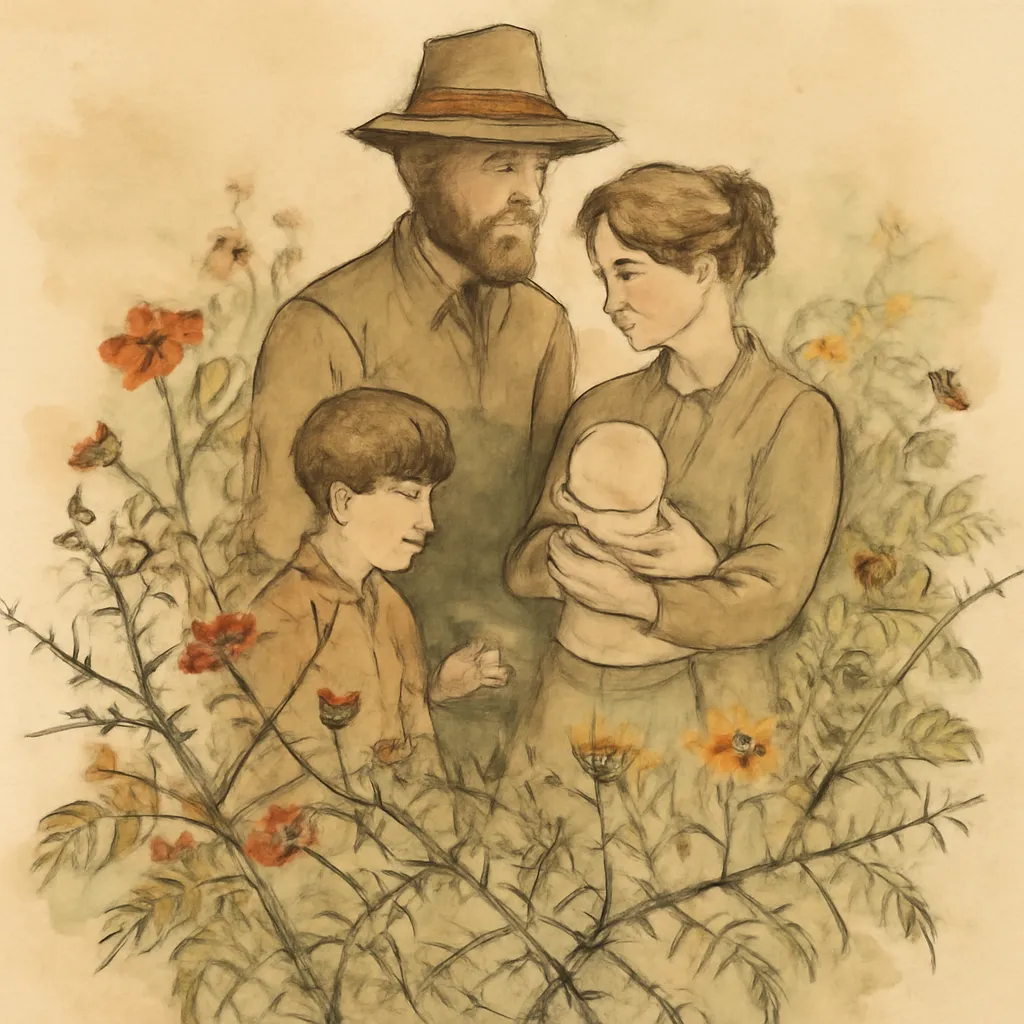
Garland's exploration of family dynamics reveals the intricate web of relationships that define his life. He portrays the bonds between siblings, the complexities of marital love, and the enduring influence of parental figures. His relationship with his father, a typical pioneer, is marked by both admiration and frustration, as he navigates the expectations placed upon him as the eldest son. The author shares personal anecdotes that highlight moments of conflict as well as deep affection, illustrating how these dynamics shape his understanding of responsibility and leadership. His relationship with his wife also evolves, illustrating the balance between partnership and individuality within the context of their lives. These familial connections serve to underscore the emotional depth and complexity of human relationships, highlighting the sacrifices made for the sake of family and the broader community. Through these experiences, Garland effectively addresses the universal themes of love, duty, and the quest for personal fulfillment.
7.The Role of Nature
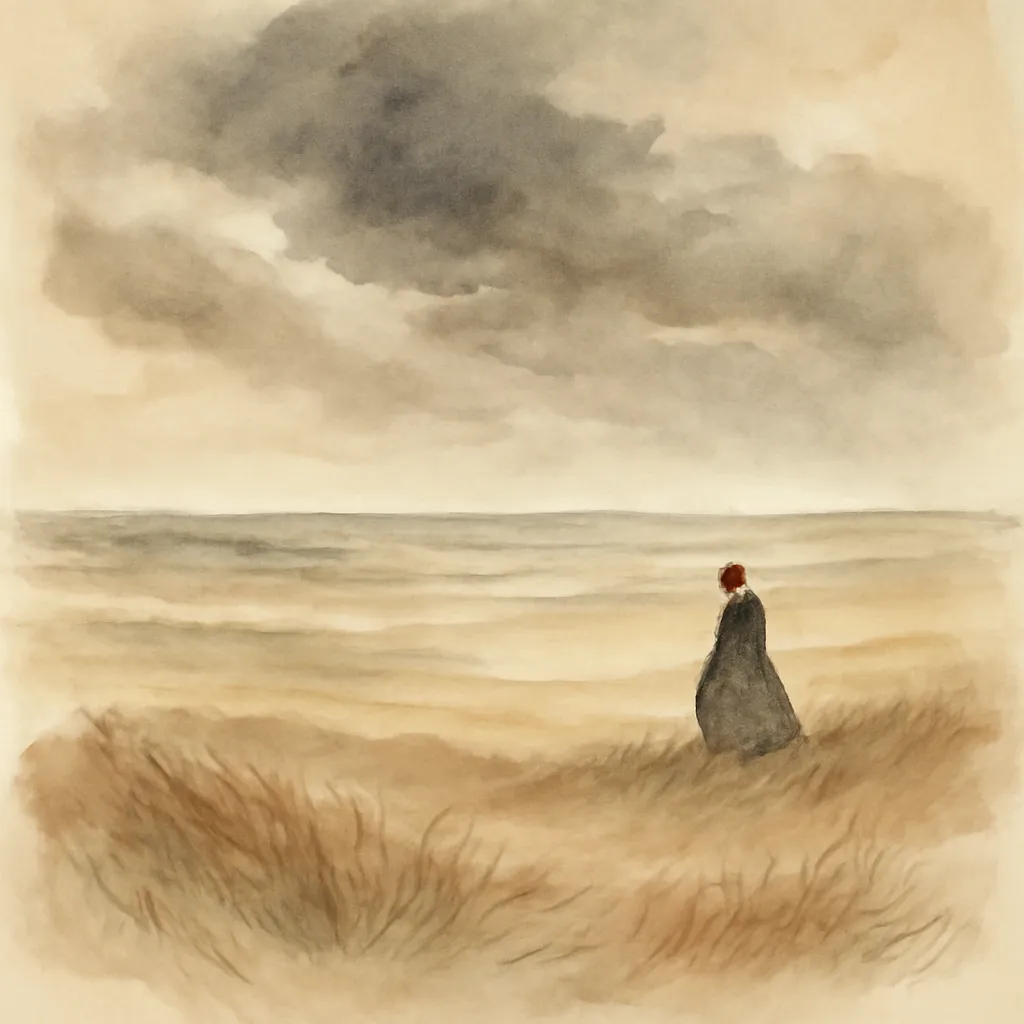
Nature plays a crucial role in Garland's narrative, serving as both a backdrop and a character in its own right. The vastness of the Midwest, with its prairies, rivers, and changing seasons, profoundly influences the lives of the pioneers. Garland's descriptions of the landscape evoke a sense of wonder and reverence, reflecting the deep connection between the settlers and their environment. He describes the beauty of the rolling hills during summer and the stark desolation of winter, portraying how these changes impact daily life and the emotional states of the inhabitants. This relationship underscores the theme of harmony with nature, as the pioneers learn to adapt to the land's rhythms and challenges. Garland’s reverence for the natural world enriches his storytelling, inviting readers to consider their own connections to the earth. He emphasizes how nature not only provides sustenance but also reflects the inner lives of those who inhabit it, serving as both a source of struggle and inspiration.
8.The Evolution of Gender Roles
Garland's narrative sheds light on the evolving roles of men and women in pioneer society. He highlights the shared responsibilities of husband and wife, challenging traditional notions of gender. While men often took on the role of providers, women like Garland's mother played an equally vital part in sustaining the family and community. He delves into the daily labors of women, from tending to children to managing household chores, portraying them as indispensable to the survival of frontier families. This nuanced portrayal emphasizes the importance of collaboration and partnership in the face of adversity. Garland's reflections on gender roles invite readers to reconsider the contributions of women in shaping the frontier, recognizing their agency and resilience in a rapidly changing world. By highlighting the dual roles of men and women, he contributes to a deeper understanding of the dynamics that defined the lives of those on the Middle Border.
9.The Search for Identity

Garland's quest for identity is a central theme throughout his narrative, as he grapples with the duality of his existence between the East and the West. His experiences in Boston and New York contrast sharply with his roots in the Midwest, creating a tension that drives his personal and artistic development. This search for identity is not only a reflection of his geographical journey but also an exploration of self-discovery and belonging. He reflects on the cultural influences that shaped him, weaving together threads from his upbringing and the larger societal context of the time. His literary career becomes a vehicle for this exploration, as he seeks to articulate the experiences of those who dwell on the Middle Border. Garland's writing serves as a means of reconciling these disparate aspects of his life, allowing him to forge a deeper understanding of who he is and where he comes from. This journey of self-discovery resonates with anyone who has felt the pull of multiple identities or cultures.
10.The Legacy of the Middle Border
Garland's narrative ultimately serves as a tribute to the enduring legacy of the Middle Border and its inhabitants. He captures the spirit of a generation marked by resilience, innovation, and a deep sense of community. Through his reflections on family, nature, and the struggles of pioneer life, Garland constructs a vivid portrait of a time and place that shaped the American experience. His storytelling is imbued with a sense of nostalgia, honoring the sacrifices and triumphs of those who came before him. This legacy resonates with contemporary readers, reminding us of the sacrifices made by those who ventured into uncharted territory and the importance of honoring their stories. Garland's work encourages us to reflect on our own connections to the land and the people who have influenced our lives, emphasizing the continuity between past and present.