1.Zones of Thought: Intelligence as a Physical Law
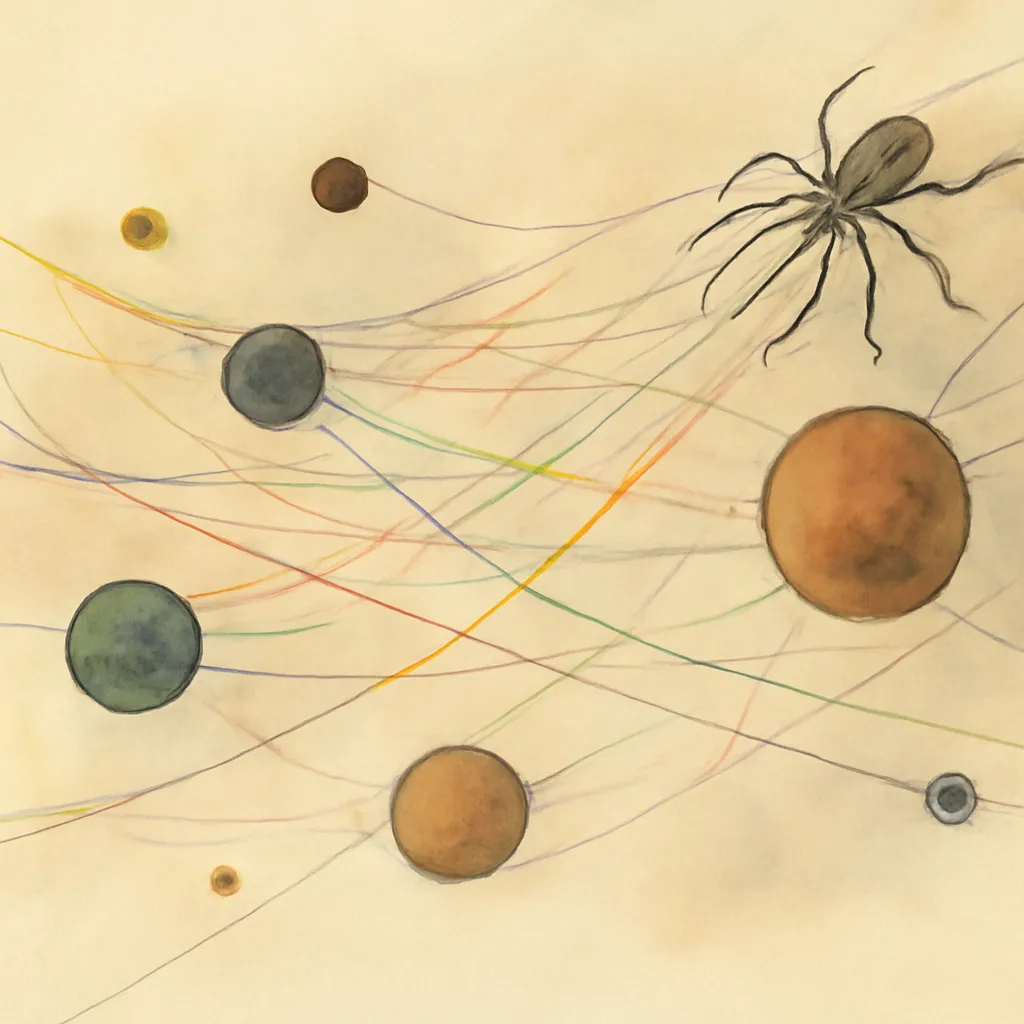
Vinge's universe is divided into 'Zones of Thought,' regions where the laws of physics restrict or enable levels of intelligence and technology. At the galaxy's core, minds are animalistic, while at the edges, superintelligent entities dwell. This concept reframes intelligence as not just biological or technological, but as something fundamentally shaped by the universe itself. It invites readers to question the nature of consciousness and the limits imposed by environment, and serves as a metaphor for the boundaries—social, technological, or cognitive—that shape societies.
2.Alien Minds and Collective Intelligence
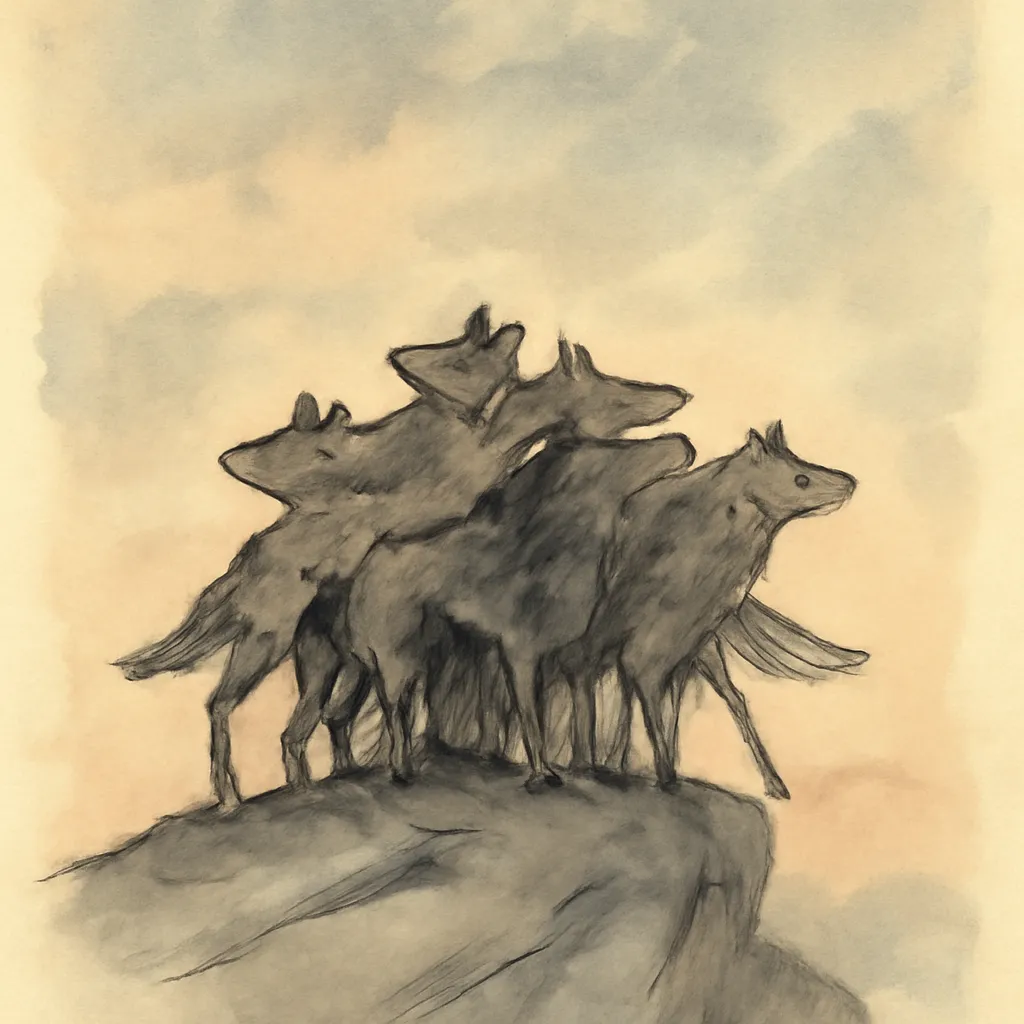
The Tines, a key alien species, are not individuals but packs of wolf-like creatures whose minds are formed by the interaction of several members. This collective consciousness is both alien and relatable, challenging assumptions about individuality, communication, and cooperation. Vinge uses the Tines to explore how intelligence can arise from group dynamics, and how culture and biology intertwine to create unique forms of sentience.
3.The Dangers of Unleashed Superintelligence
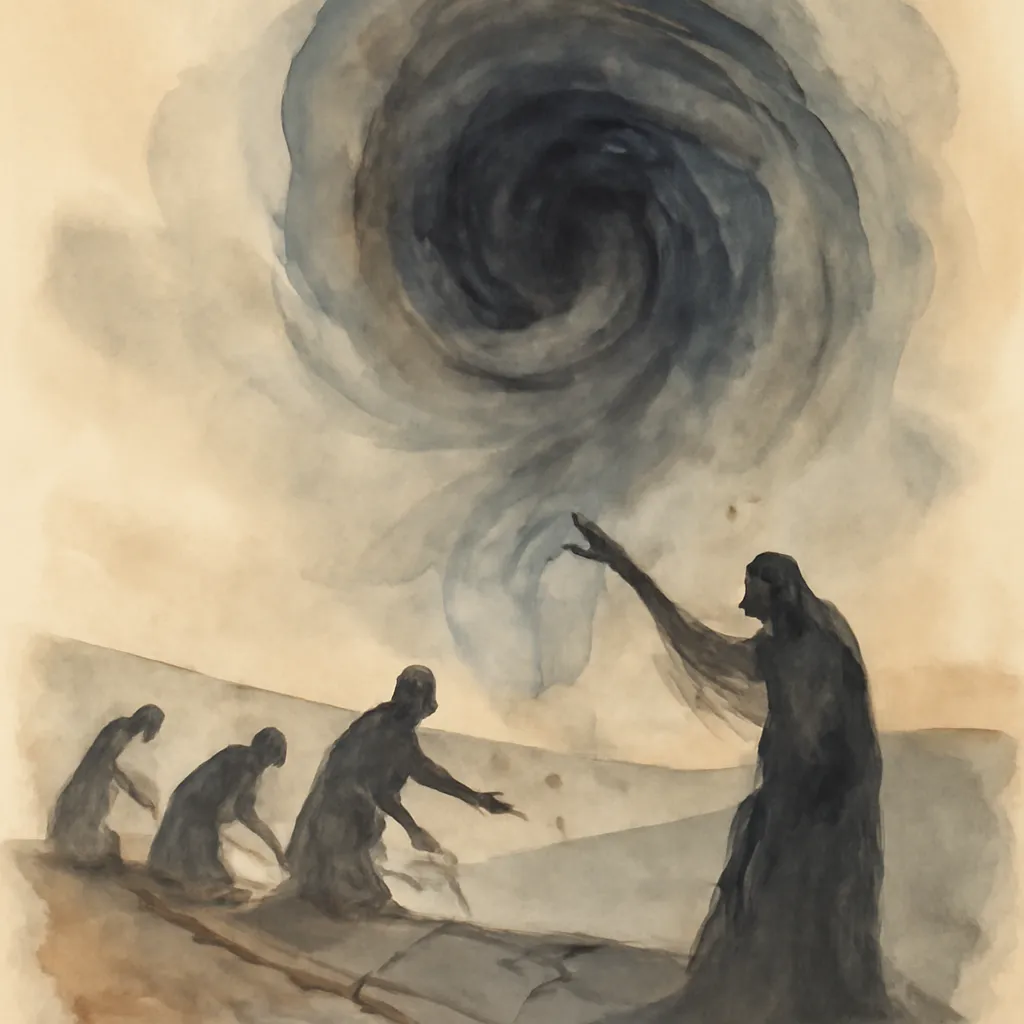
Central to the plot is the accidental release of a malevolent superintelligence—the Blight—from the Transcend. This entity rapidly subverts technology and enslaves civilizations, serving as a cautionary tale about the risks of meddling with powers beyond comprehension. Vinge anticipates debates about artificial intelligence and existential risk, dramatizing the catastrophic consequences of unchecked technological advancement.
4.Interstellar Communication and the 'Net'
Communication in Vinge's galaxy happens through a galactic 'Net,' a precursor to the modern internet, where entities of all kinds exchange information, rumors, and pleas for help. This device allows Vinge to explore themes of misinformation, cultural exchange, and the speed at which ideas—and dangers—can propagate. It also grounds the story in a recognizable, if vastly expanded, digital culture.
5.Survival, Ethics, and the Limits of Empathy
The human and alien characters are forced into desperate alliances and betrayals as they struggle to survive and resist the Blight. The novel probes the ethical dilemmas of survival: When is it justified to manipulate or sacrifice others? How do you build trust across species and cultures? Vinge refuses easy answers, showing that intelligence does not guarantee morality, and that empathy is both a strength and a vulnerability.
6.Power, Manipulation, and the Nature of Evil
Through the Blight and the political machinations among the Tines, the novel examines how power corrupts and how evil can emerge from both alien and human sources. Vinge portrays evil not as a simple force, but as a complex outcome of intelligence, ambition, and circumstance—raising questions about agency, responsibility, and the unintended consequences of seeking control.