1.The Allure of Beauty and Desire

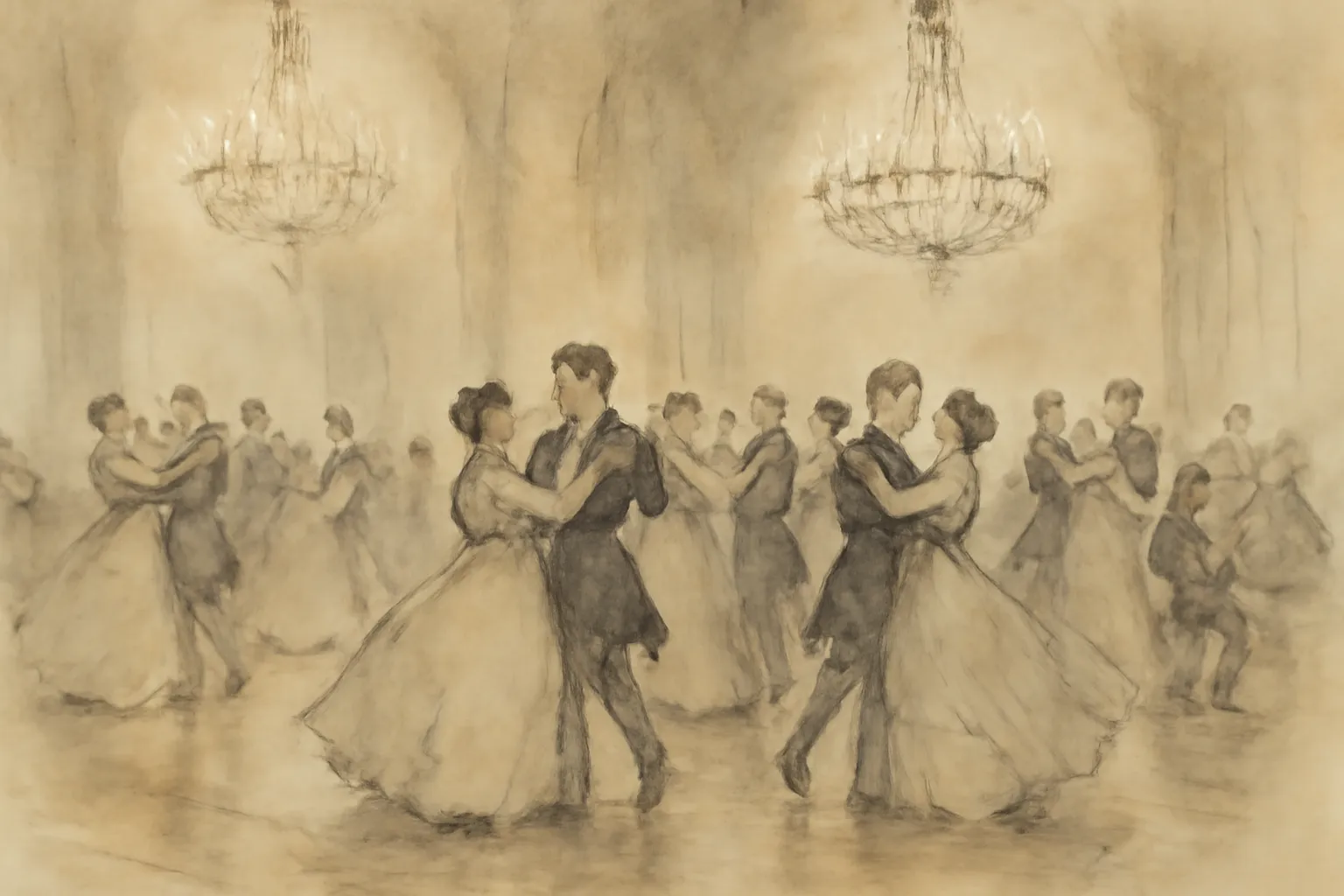
The novel opens with a poignant exploration of beauty as both an asset and a liability. Captain Trevalyon, described as exceptionally handsome, finds himself irresistibly drawn to beautiful women, a theme that resonates throughout the narrative. His interactions with Mrs. Tompkins, a captivating widow, underscore the magnetic pull of beauty; it is as if the allure of physical attraction blinds men to the complexities of the women they desire. For Trevalyon, his desire for Vaura Vernon, another beautiful woman, complicates his budding friendship with Colonel Haughton, who also seeks her affection. The narrative reflects on how beauty can create a competitive atmosphere among men, turning friendships into rivalries. This competition ultimately leads to emotional turmoil as Trevalyon grapples with his feelings, revealing the idea that beauty often comes with expectations and challenges that can overshadow genuine connection. Moreover, the text prompts the reader to consider the deeper implications of desire—how it can motivate actions that lead to both joy and regret.
2.The Influence of Social Status

Social class structures significantly shape the interactions and decisions of the characters within the novel. The pursuit of wealth, respectability, and social standing is evident as characters navigate the intricacies of their societal positions. Colonel Haughton represents the archetype of a man seeking to solidify his status through a strategic marriage with the wealthy Mrs. Tompkins. His motivations reflect a common practice among the upper classes, where love is often secondary to the advantages of a financially beneficial union. This societal pressure is illustrated when Haughton confidently approaches Mrs. Tompkins, knowing that her wealth will elevate his own standing. Savigny critiques these practices, showcasing moments of tension where characters must choose between societal expectations and their personal desires. Trevalyon’s feelings for Vaura become increasingly complicated as he balances his affection with the realities of their differing social standings. The narrative ultimately raises questions about the authenticity of relationships formed under such scrutiny, encouraging readers to reflect on the ways social status influences their own lives.
3.The Dilemma of Love and Friendship

A central theme in the novel is the complex interplay between love and friendship, which often overlaps and leads to misunderstandings. Captain Trevalyon’s close friendship with Colonel Haughton is tested as both men vie for the affections of the same women, particularly Vaura. This rivalry creates a palpable tension that threatens to unravel their camaraderie, illustrating how romantic interests can complicate even the strongest bonds. Trevalyon wrestles with feelings of jealousy, and his internal conflict serves as a microcosm of the broader challenges that arise when romantic pursuits enter the realm of friendship. The narrative captures the emotional labor involved in maintaining relationships amidst such complexities, prompting readers to consider the sacrifices that individuals make for love. The tension between loyalty to friends and the pursuit of personal happiness becomes a poignant focal point in the story, revealing how love can both enrich and strain friendships.
4.The Role of Women in Society

Savigny provides a nuanced portrayal of women's roles within the rigid confines of Victorian society, showcasing the various ways they navigate their limited agency. Mrs. Tompkins, a wealthy widow, embodies the complexities of a woman who wields influence through her status and charm. She exemplifies the cunning and strategic thinking required to thrive in a society that often diminishes women's voices. Savigny presents her as a character who is aware of her power and uses it to manipulate the men around her, particularly in her interactions with Haughton and Trevalyon. In contrast, Vaura Vernon represents a young woman on the cusp of self-discovery, grappling with societal expectations while yearning for authenticity. Her character arc illustrates the struggle for independence and self-assertion in a world that often sidelines women's desires. The novel critiques the societal norms that constrain women, ultimately illuminating their capacity for agency and resilience, as they forge their paths amidst the limitations imposed upon them.
5.The Burden of Secrets
Secrets serve as a powerful motif throughout 'A Heart-Song of To-day,' driving character development and plot progression. Characters harbor hidden motives and unspoken truths that significantly impact their relationships. Trevalyon's concealed feelings for Vaura create a tension that pervades his interactions, often leading him to act in ways that hinder rather than help his goals. Simultaneously, Mrs. Tompkins uses her knowledge of others' secrets as a means of control, highlighting how the burden of secrets can create both power and vulnerability. The narrative illustrates that while secrets may offer temporary advantages, they can lead to misunderstandings, emotional distress, and ultimately, a sense of isolation. This exploration of secrecy invites readers to reflect on the costs associated with concealment and the potential for honesty to foster deeper connections. As characters confront their secrets, they are challenged to choose between the comfort of silence and the risk of vulnerability.
6.Passion versus Pragmatism

The tension between passion and pragmatism emerges as a central conflict throughout the novel, influencing characters' decisions and relationships. Captain Trevalyon embodies this struggle as he grapples with his intense feelings for Vaura while navigating the practicalities of love and marriage. His interactions with Mrs. Tompkins further exacerbate this conflict, as he recognizes her allure yet understands the implications of pursuing a relationship with a woman driven by strategic interests. The narrative raises critical questions about the feasibility of love in a world that often prioritizes practicality over passion. As characters face real-life consequences of their choices, they must weigh the emotional rewards of following their hearts against the social realities that may dictate their futures. Through these conflicts, Savigny effectively portrays the complexities of human emotion and the difficult decisions individuals must make when navigating the intricacies of love.
7.The Power of Forgiveness
Forgiveness emerges as a vital theme in the novel, providing a means for characters to navigate their emotional journeys and rebuild relationships. As misunderstandings and rivalries unfold, the capacity to forgive becomes essential for healing and personal growth. For Trevalyon, overcoming feelings of jealousy and betrayal is a transformative process that enables him to move forward in his relationships. His journey illustrates that forgiveness is not simply an act of grace but a profound personal choice that can liberate individuals from the shackles of resentment. Savigny emphasizes that the act of forgiving can pave the way for deeper connections and understanding among characters, underscoring the importance of compassion and empathy in the face of adversity. This theme resonates with readers, encouraging them to reflect on their own experiences and the power of forgiveness in fostering healing and connection.
8.The Search for Identity
In 'A Heart-Song of To-day,' characters grapple with questions of identity in a society that seeks to define them by their social roles. Vaura Vernon’s journey of self-discovery is central to the narrative as she navigates the expectations placed upon her as a young woman of status. Her evolution from a passive participant in her life to an assertive individual reflects a broader quest for authenticity amidst societal pressures. The novel highlights the importance of self-acceptance and the courage to defy conventions in pursuit of personal fulfillment. Throughout her interactions with Trevalyon and Haughton, Vaura comes to realize that her true identity extends beyond societal labels, prompting her to assert her desires and preferences. This exploration of identity encourages readers to consider their own journeys of self-discovery, reminding them of the significance of embracing their true selves in the face of external expectations.
9.The Nature of True Happiness
The pursuit of happiness serves as a driving force for characters in 'A Heart-Song of To-day,' leading them to confront their desires, fears, and the realities of life. The novel suggests that true happiness is not solely found in romantic love or societal approval but also in self-awareness and personal fulfillment. Characters like Mrs. Tompkins, who initially seek happiness through external validation, eventually discover that contentment lies within. The narrative critiques the notion that material wealth and social status equate to happiness, instead promoting the idea that genuine joy emerges from authentic connections and self-discovery. Trevalyon's reflections on the nature of happiness further illustrate this theme, as he recognizes that a meaningful existence is built upon understanding oneself and nurturing relationships. Savigny’s exploration of happiness resonates with readers, prompting them to consider the sources of joy in their own lives.
10.The Interplay of Fate and Free Will
Fate and free will intertwine throughout the narrative, with characters often finding themselves at the mercy of circumstances beyond their control. Trevalyon’s repeated missed encounters with Vaura highlight the role of chance events in shaping their relationship, emphasizing life’s inherent unpredictability. However, the characters also exercise their free will in making choices that significantly impact their paths. This interplay raises questions about the extent to which individuals shape their destinies versus being shaped by external forces. As Trevalyon navigates his feelings for Vaura and the expectations imposed by society, he learns the importance of making conscious decisions that align with his desires. Savigny invites readers to ponder how fate and free will operate in their own lives, suggesting that while circumstances may influence outcomes, personal agency plays a crucial role in defining one's journey.