1.The Catalyst of Curiosity

The story begins with Professor Liedenbrock's discovery of an ancient manuscript containing cryptic Runic writing, which ignites his insatiable curiosity. The professor's obsession with deciphering the text leads to an intense exploration of the unknown, demonstrating how curiosity can drive individuals to pursue knowledge at any cost. This theme resonates throughout the narrative, as Liedenbrock's relentless determination to unlock the secrets of the Earth compels him, Axel, and Hans to undertake a perilous journey. Verne illustrates that curiosity is a double-edged sword; while it can lead to groundbreaking discoveries, it can also result in dire consequences. The professor's character embodies the archetype of the passionate scientist, willing to risk everything for the sake of understanding, reflecting the broader human experience of seeking knowledge. For instance, Liedenbrock's disregard for the potential dangers and his fixation on the manuscript serve to highlight how an unquenchable thirst for knowledge often leads individuals to venture into uncharted territories, both physically and intellectually.
2.The Power of Teamwork

Liedenbrock, Axel, and Hans represent different facets of human personality and skills, showcasing the importance of teamwork in overcoming challenges. Liedenbrock's fiery enthusiasm contrasts sharply with Axel's cautious nature, while Hans serves as the steady, pragmatic guide through the treacherous landscape. Their dynamic illustrates that diverse perspectives and strengths are crucial for success in any endeavor, especially one as daunting as their journey to the Earth's core. The trio faces numerous obstacles, including physical dangers and psychological trials, yet it is their collective efforts that ultimately enable them to push forward. Verne emphasizes that collaboration, trust, and mutual respect are essential for navigating the unknown, a lesson that resonates beyond the pages of the book into real-world endeavors. The interactions between Axel and Liedenbrock serve as a microcosm of the larger journey, where contrasting opinions and approaches lead to constructive dialogues, fostering camaraderie and ultimately reinforcing their resolve to venture into the depths of the Earth.
3.The Wonders of Geology
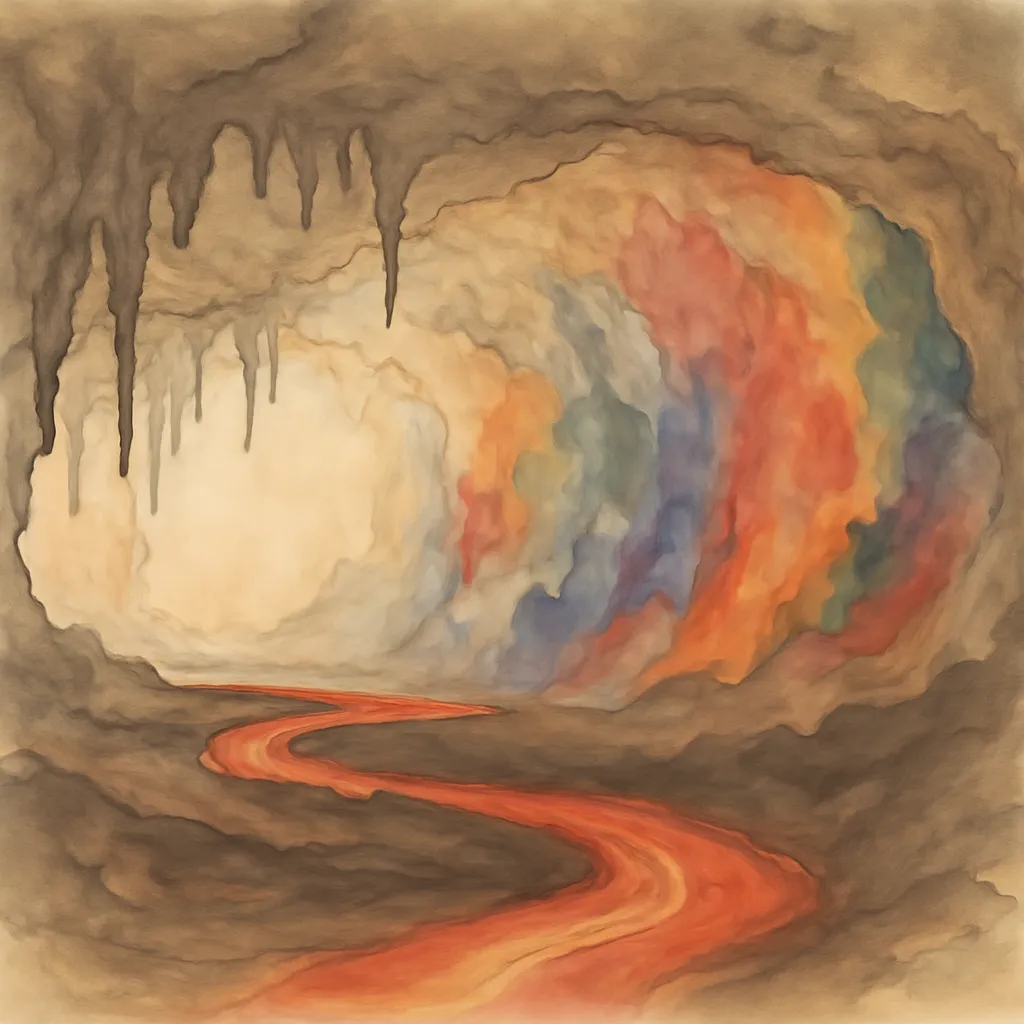
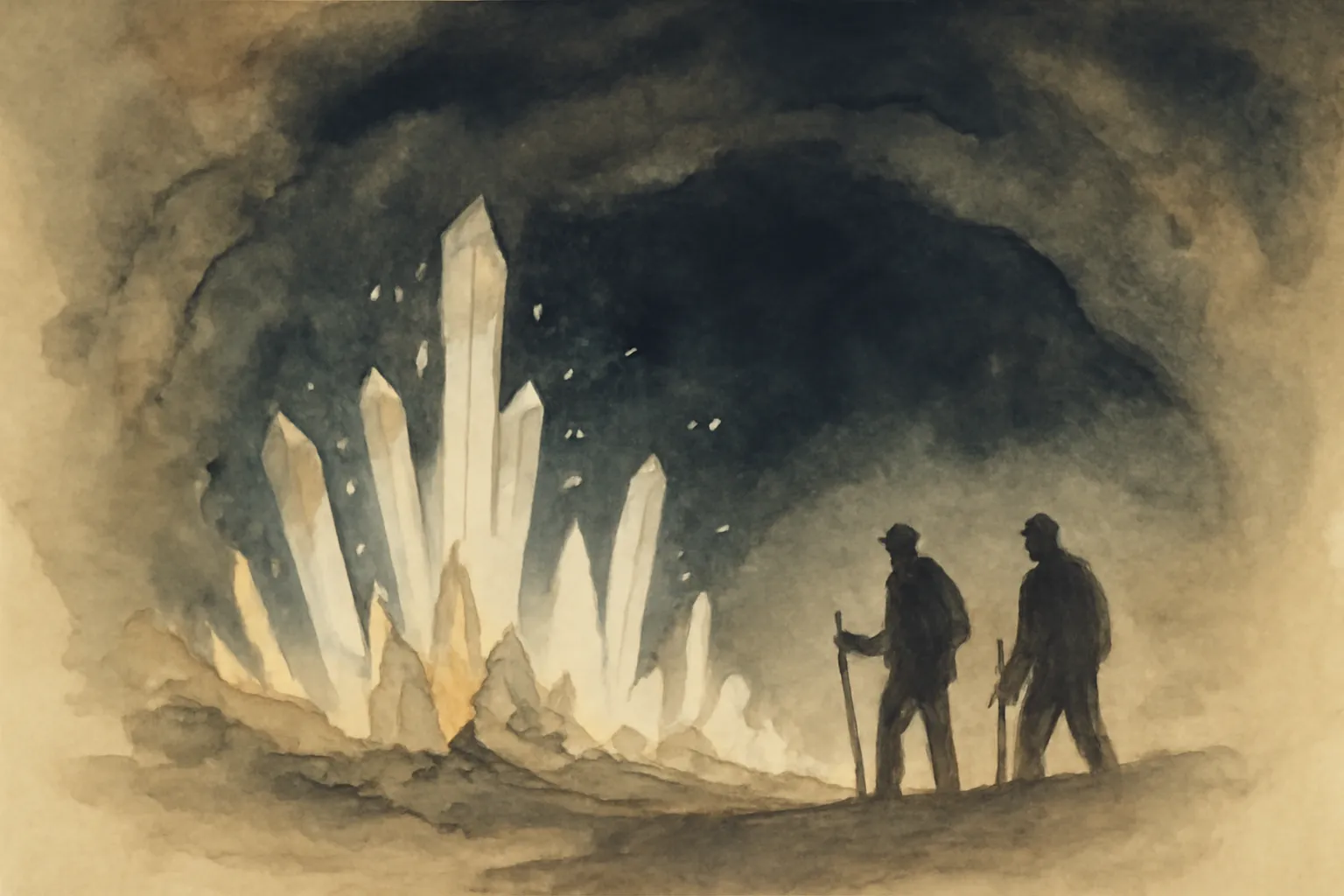
Verne's novel is steeped in geological knowledge, reflecting the scientific understanding of his time. As the characters descend into the Earth, they encounter various geological formations, each revealing a different aspect of the planet's history. From volcanic rocks to ancient fossils, the journey becomes a vivid exploration of the Earth's layers and the forces that shape them. Verne employs detailed descriptions of the mineral wealth and geological phenomena they observe, making the science accessible and engaging. For example, the characters marvel at the beauty of stalactites and stalagmites, the vibrant colors of minerals, and the vast underground oceans, all of which enhance the sense of wonder and adventure. This not only serves to educate readers about geology but also enhances the sense of wonder and adventure inherent in the exploration of the natural world. The narrative illustrates the interconnectedness of science and adventure, as each geological discovery adds depth to their quest and fuels their determination to press on. Verne's meticulous attention to detail and accurate representations of geological features create an immersive experience, inviting readers to appreciate the complexity and beauty of Earth's composition.
4.The Nature of Fear and Courage
Throughout their journey, the characters grapple with fear and the instinct to retreat in the face of danger. Axel, in particular, embodies this struggle, often questioning the wisdom of their expedition and expressing doubts about their safety. Verne masterfully captures the psychological tension of venturing into the unknown, highlighting how fear can paralyze or propel individuals forward. As the characters confront physical challenges, such as navigating treacherous caverns and battling the elements, they must summon their courage to continue. Verne illustrates that courage is not the absence of fear but rather the ability to act in spite of it. This theme resonates with readers, reminding them of the universal struggle between doubt and bravery that accompanies any significant undertaking. Axel's moments of vulnerability, juxtaposed with Liedenbrock's unwavering determination, create a dynamic tension that serves to amplify the stakes of their expedition. By addressing the psychological complexities of fear, Verne encourages readers to consider their own responses to challenges and the importance of resilience in pursuing one's goals.
5.The Role of Nature
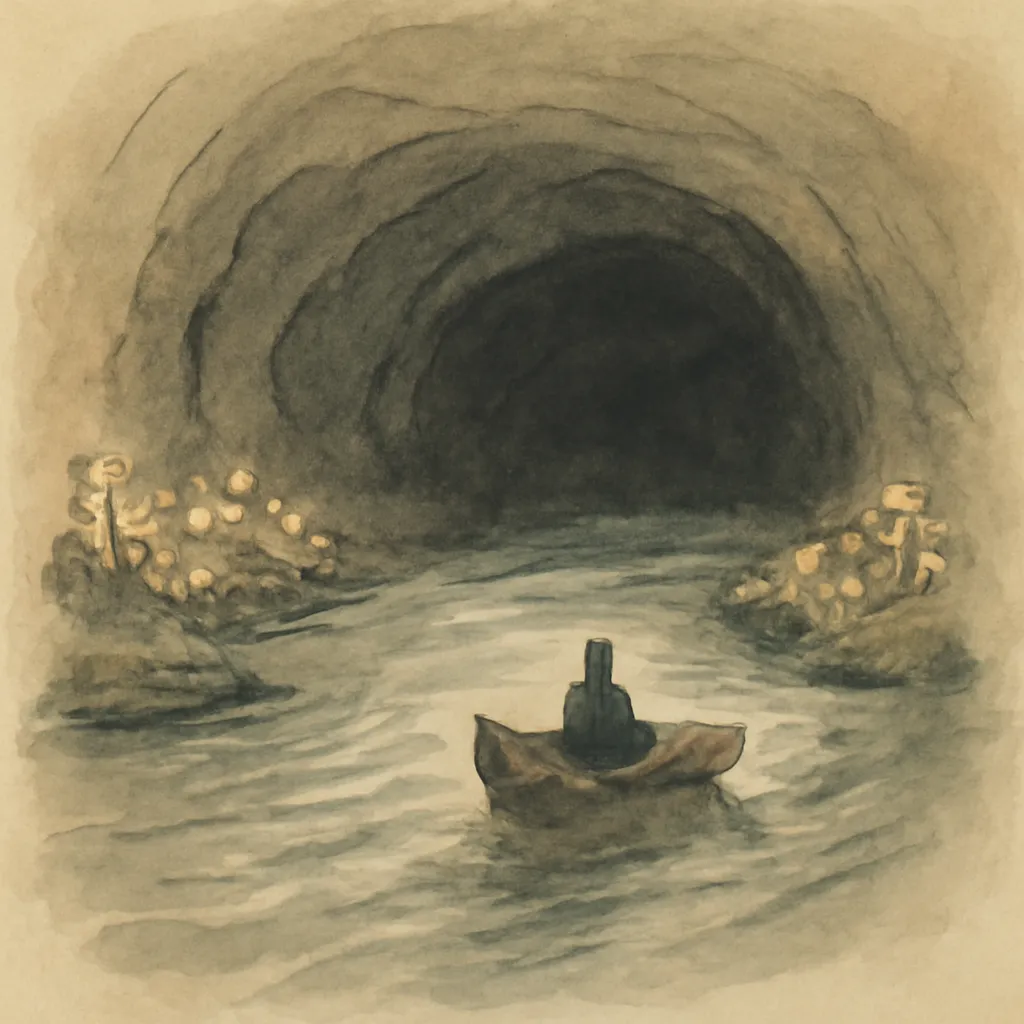
Nature serves as both a formidable adversary and a source of inspiration throughout the journey. Verne vividly describes the breathtaking landscapes, geological formations, and the awe-inspiring power of the Earth, emphasizing humanity's smallness in the face of nature's grandeur. The underground world is depicted as a realm of wonder, filled with luminous minerals, subterranean seas, and ancient fossils, showcasing the beauty and mystery of the Earth. However, nature also poses significant challenges, as the characters must navigate dangerous terrain and unpredictable conditions. For example, the eruption of a volcano and the risk of underground floods illustrate the uncontrollable power of nature, reminding the characters—and the readers—that they are mere visitors in this vast and dynamic environment. This duality highlights the complexity of the human relationship with nature, where admiration and fear coexist. Verne's portrayal of nature encourages readers to respect and appreciate the planet's beauty while acknowledging its potential for destruction. This theme serves as a poignant reminder of humanity's responsibility to coexist harmoniously with the natural world, emphasizing the need for stewardship and environmental consciousness.
6.Philosophical Musings on Discovery
As the characters journey deeper into the Earth, they engage in philosophical reflections on the nature of discovery and the pursuit of knowledge. Verne prompts readers to consider the implications of their quest, questioning the limits of human understanding and the ethical responsibilities that come with discovery. The characters grapple with the potential consequences of their findings, particularly in relation to the natural world and the future of humanity. For instance, the discovery of long-extinct creatures raises questions about the relationship between past and present, challenging the characters to think about the impact of their journey on contemporary scientific thought. This philosophical dimension adds depth to the narrative, inviting readers to reflect on their own motivations for exploration and the impact of scientific advancements. Verne’s exploration of these themes encourages a broader dialogue about the purpose of discovery and the responsibilities that accompany it, making the story not just an adventure but a profound examination of human ambition. By intertwining scientific inquiry with philosophical contemplation, Verne enriches the narrative, prompting readers to think critically about the nature of progress and the ethical implications of their own pursuits.
7.The Significance of Legacy

The journey undertaken by Liedenbrock and his companions is not just a personal quest but also a pursuit of legacy. The professor is driven by the desire to make a mark on the scientific community and to be remembered for his contributions to knowledge. This theme of legacy is woven throughout the narrative, as the characters consider the potential impact of their discoveries on future generations. Verne's portrayal of Liedenbrock's ambition illustrates the human desire for recognition and the hope of leaving a lasting legacy, reflecting the broader societal values of the time. The journey becomes a means of not only personal achievement but also of contributing to the collective understanding of humanity's place in the universe. The characters frequently discuss the implications of their findings, contemplating how their discoveries might influence future scientific endeavors. Ultimately, Verne posits that the quest for knowledge is inherently tied to the desire for recognition, suggesting that individual achievements contribute to a larger tapestry of human history and understanding.
8.The Impact of Technology

Verne's narrative reflects the technological advancements of his time, particularly in relation to exploration and scientific inquiry. The characters utilize various tools and instruments to aid their journey, from geological hammers to lighting devices, showcasing the role of technology in facilitating discovery. The expedition emphasizes that while technology can enhance human capabilities, it is ultimately the human spirit and determination that drive exploration forward. For instance, the use of the electric light illuminates their path through the dark caverns, symbolizing the progress of science in overcoming natural obstacles. However, Verne also illustrates the limitations of technology, as the characters face challenges that no amount of equipment can fully prepare them for. This interplay between technology and human endeavor raises questions about reliance on tools versus innate curiosity and courage. Through the lens of their experiences, Verne illustrates that while technology serves as a means to an end, it is the human desire for understanding that propels exploration into the unknown. This theme resonates with contemporary discussions about the role of technology in shaping human experiences and the future of exploration.
9.The Intersection of Science and Fiction
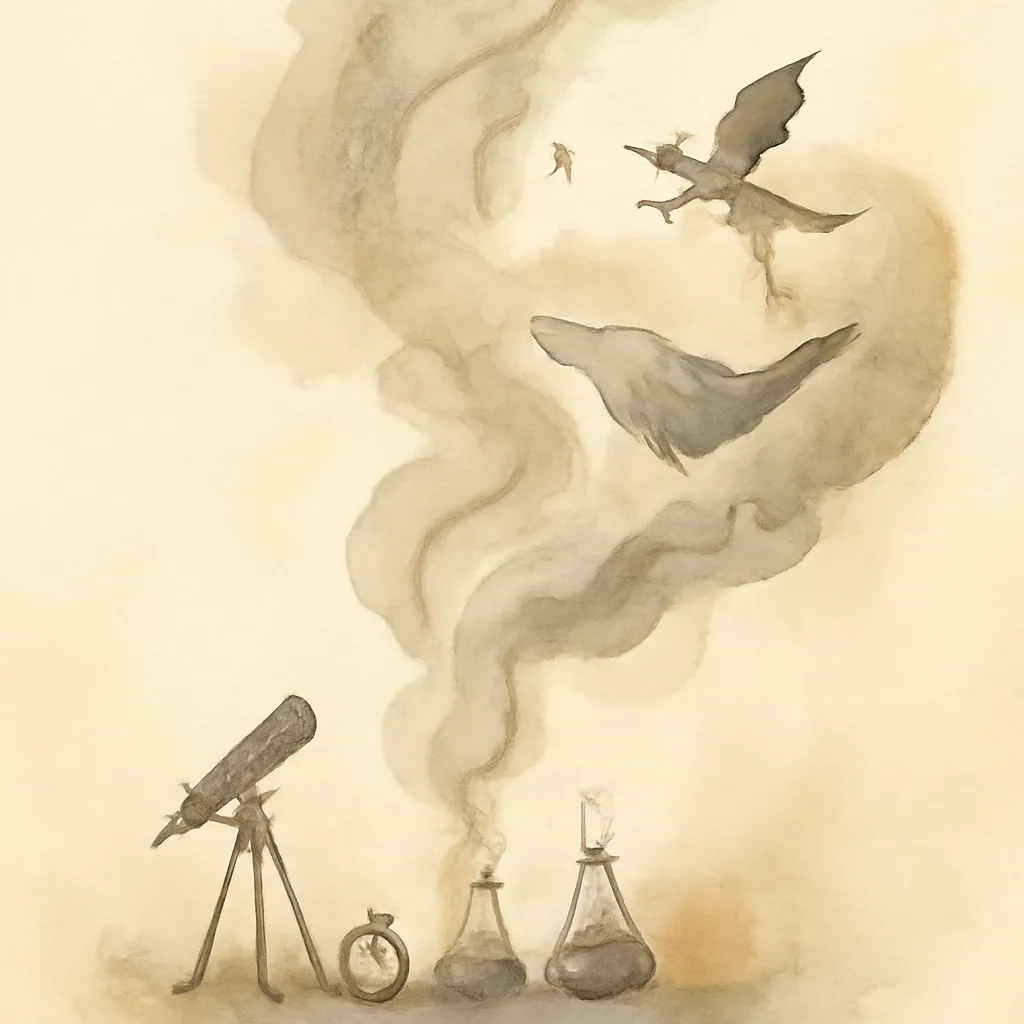
Verne's work exemplifies the seamless blending of scientific fact and imaginative fiction, creating a narrative that is both entertaining and educational. The scientific principles underlying the journey are grounded in contemporary geological knowledge, yet Verne's imaginative elements, such as prehistoric creatures and subterranean seas, captivate the reader's imagination. This intersection of science and fiction invites readers to suspend disbelief while engaging with real scientific concepts. Verne's ability to weave factual science into an adventurous narrative demonstrates the power of storytelling to inspire curiosity and wonder about the natural world. This blending of genres not only entertains but also serves to educate readers, encouraging them to explore the world around them with a sense of wonder and inquiry. By incorporating scientific knowledge into a fictional framework, Verne challenges readers to consider the boundaries of possibility and to embrace the spirit of exploration. This theme speaks to the broader potential of literature to bridge the gap between the known and the unknown, inviting readers to engage with complex ideas through the lens of imagination.
10.The Journey as a Metaphor for Life
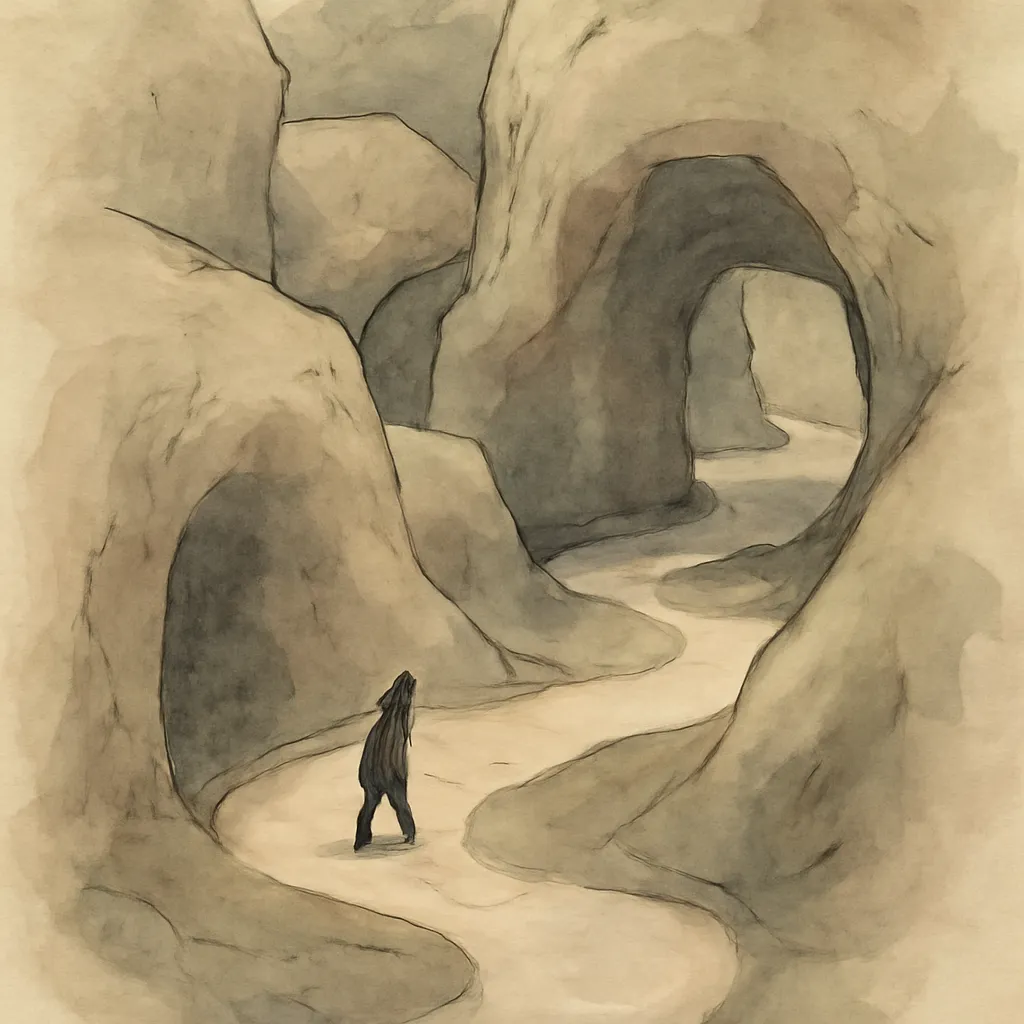
The expedition to the Earth's core serves as a powerful metaphor for the journey of life itself. The characters face numerous challenges, uncertainties, and moments of triumph, paralleling the human experience of navigating through life's complexities. Verne captures the essence of perseverance in the face of adversity, emphasizing that the journey is often as significant as the destination. The trials faced by Liedenbrock, Axel, and Hans reflect the universal struggles of ambition, fear, and the quest for meaning. Axel's internal conflicts and eventual growth mirror the broader human experience of overcoming obstacles and embracing the unknown. As they confront the unknown, they also discover their strengths and resilience, ultimately emerging transformed by their experiences. This metaphorical layer adds depth to the narrative, inviting readers to reflect on their own journeys and the lessons learned along the way. Verne's exploration of this theme encourages readers to embrace the uncertainties of life, recognizing that the pursuit of knowledge and self-discovery is a continuous journey filled with both challenges and rewards.