1.The Search for Dignity Amid Dehumanization
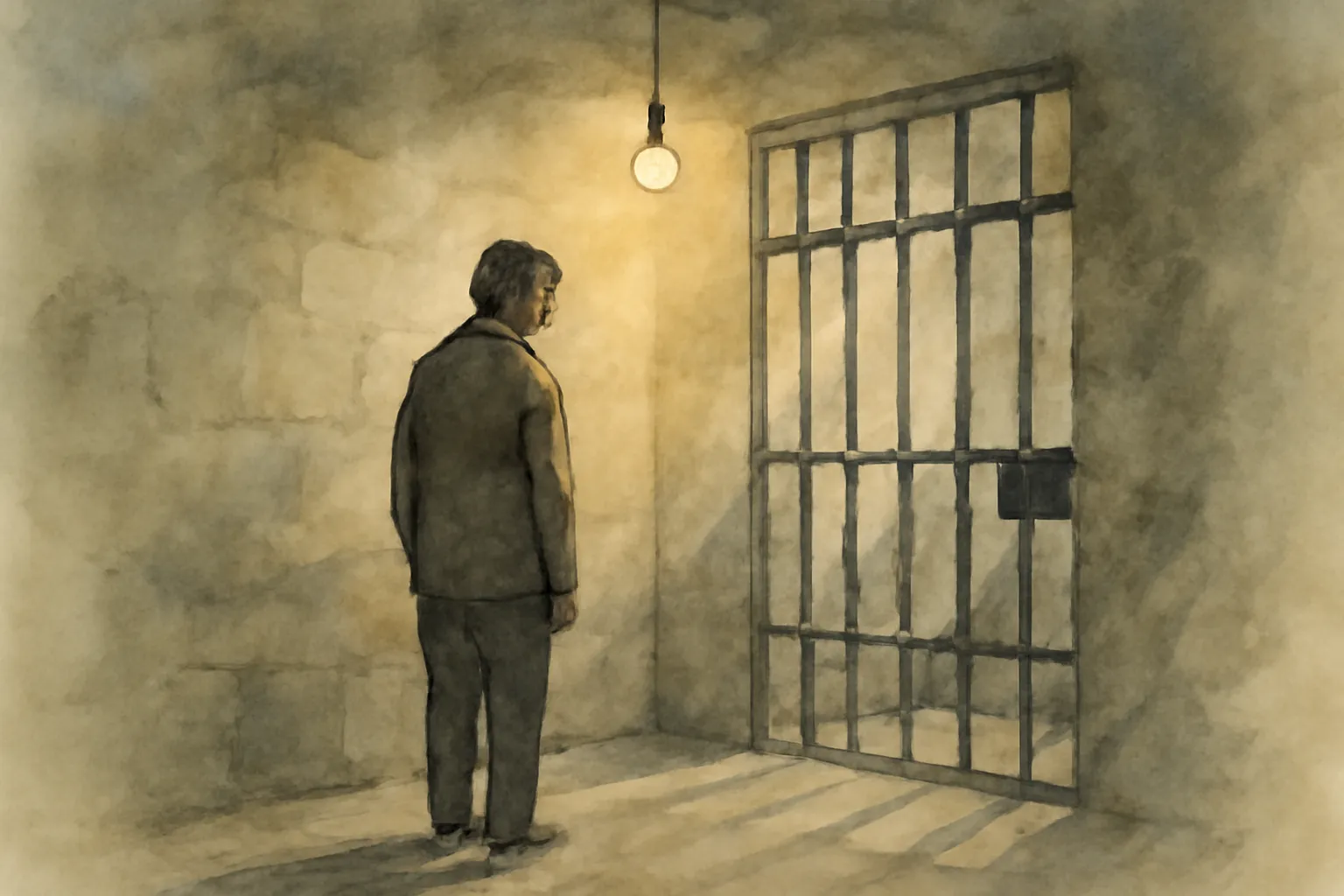
At its core, the novel confronts the brutal reality of a racist society that strips Black people of their dignity. Jefferson, condemned to die and compared to a 'hog' by his defense attorney, becomes the focal point for a community’s struggle to assert humanity in the face of systematic dehumanization. The story asks what it means to die—and live—with dignity, and whether true self-worth can be reclaimed in a world intent on denying it.
2.Education as Empowerment and Burden
Grant Wiggins, the local teacher, embodies the complicated role of education in oppressed communities. While education is seen as a path to empowerment, Grant is painfully aware of its limitations within the confines of racism and poverty. His struggle reflects the tension between hope for change and the despair of entrenched social realities, questioning whether knowledge alone can liberate or if it sometimes only sharpens the pain of oppression.
3.Responsibility and Community
The novel explores the interconnectedness of individual and communal responsibility. Grant is pressured by his aunt and Jefferson’s godmother to help Jefferson die with dignity, highlighting how personal choices reverberate through the community. This dynamic raises questions about the obligations we owe to one another, especially in times of crisis, and the ways in which collective action can foster resilience.
4.Transformation Through Relationship
Both Grant and Jefferson undergo profound internal transformations through their reluctant relationship. Grant, initially cynical and emotionally distant, gradually discovers the power of compassion and commitment. Jefferson, resigned to his fate, learns to see himself as a man rather than an animal. Their evolving bond illustrates how even the most broken circumstances can yield unexpected growth and meaning.
5.Faith, Ritual, and Resistance
Religious faith and ritual play a significant role in the community’s response to injustice. While Grant himself is skeptical of religion, the church serves as a source of strength and solidarity for others. The novel suggests that spiritual practices can be forms of resistance, offering comfort and a sense of agency when worldly justice is denied.
6.The Legacy of Systemic Racism
Set in the late 1940s, the novel vividly depicts the enduring scars of slavery and segregation. The legal system, the plantation economy, and everyday interactions all reinforce a racial hierarchy that limits the possibilities for Black lives. Gaines uses the story to expose how systemic racism shapes not just individual destinies, but the very fabric of community and identity.