1.The Power of Imagination
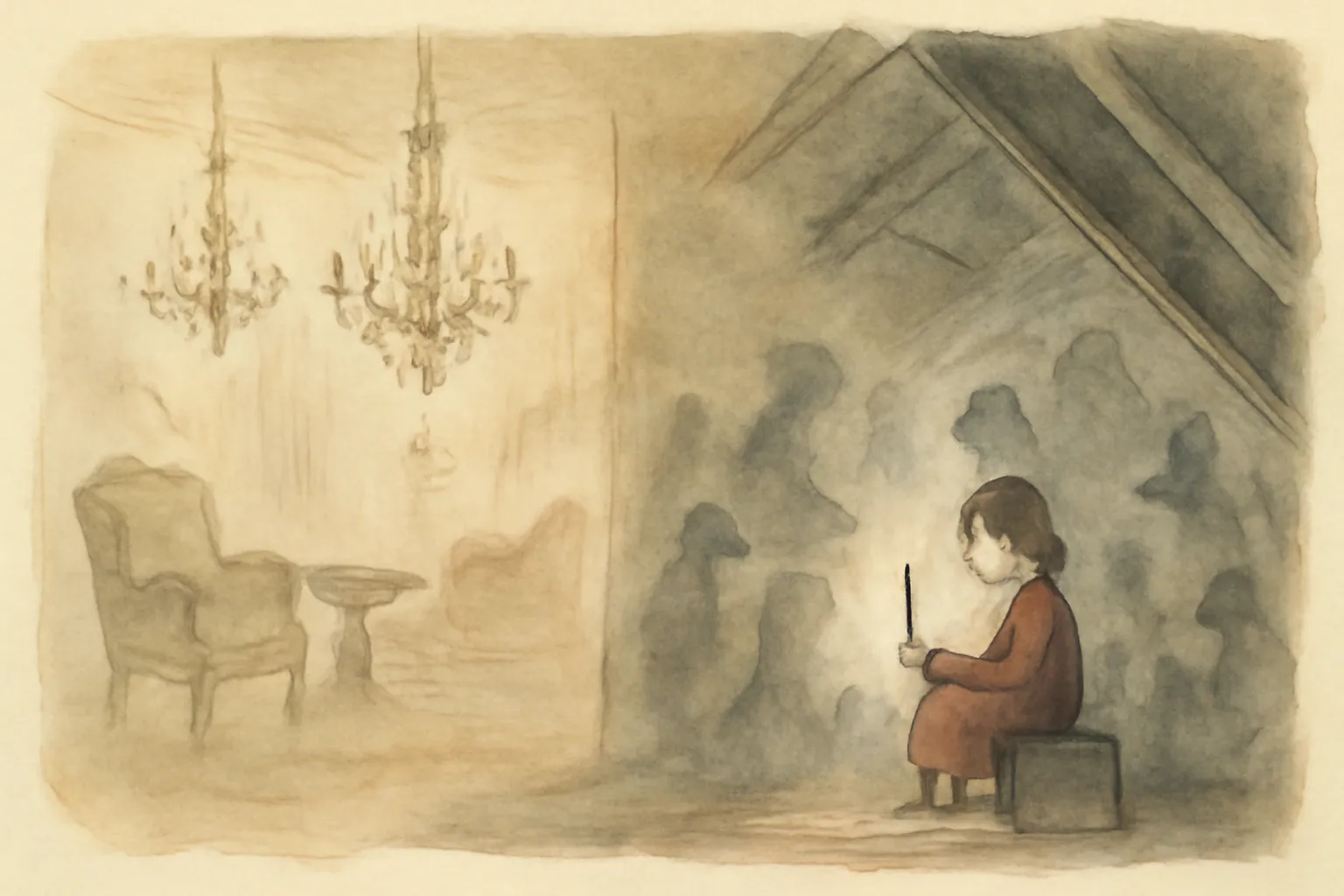
From the very beginning, Sara Crewe is characterized by her vivid imagination and ability to create enchanting worlds around her. Even as a wealthy child, she often dreams up stories that transport herself and her friends to far-off lands filled with adventure and magic. This imaginative capacity becomes her refuge when her life takes a drastic turn. After losing her father and her wealth, Sara continues to find solace in her dreams, often imagining herself as a princess, which helps her maintain her dignity in the face of adversity. Her ability to dream allows her to cope with her new reality in the attic, where she transforms her bleak surroundings into a place filled with hope and possibility. Sara's stories captivate her peers and serve as a reminder of the importance of creativity and imagination in overcoming life's hardships.
2.The Contrast of Wealth and Poverty
Burnett masterfully contrasts the lives of the wealthy and the poor through Sara's experiences at Miss Minchin's school. Initially, Sara is treated like royalty, admired for her status and wealth. However, when her fortunes change, she is subjected to the harsh realities of poverty and the cruelty of those who once praised her. Miss Minchin's disdain for Sara after her father's death highlights the fickle nature of wealth and social standing. This shift in treatment starkly illustrates how society often values individuals based on their financial status rather than their character. Despite being reduced to a scullery maid's status, Sara remains kind and generous, proving that her true worth is not defined by her bank account but by her compassion and integrity. The narrative challenges readers to reflect on the societal norms surrounding wealth, encouraging a deeper understanding of human value beyond material possessions.
3.Friendship and Empathy
Throughout the story, friendship plays a crucial role in Sara's life, particularly her bond with Becky, the scullery maid. Despite their differing social statuses, Sara and Becky form a deep connection rooted in empathy and mutual support. Sara's willingness to share her food and warmth with Becky, even when she is struggling herself, exemplifies the power of friendship in overcoming adversity. This relationship also serves to highlight the importance of kindness in a world that often prioritizes social hierarchies. Sara's compassion extends beyond Becky; she imagines herself as a protector of those in need, often coming to the aid of her classmates. This theme of empathy resonates throughout the narrative, encouraging readers to recognize the value of human connection and the impact of small acts of kindness in difficult times.
4.The Role of Authority Figures
Miss Minchin, as the headmistress of the school, represents the cold, unyielding nature of authority figures in Sara's life. Initially, she is enamored with Sara's wealth and status, but her true colors emerge when Sara loses everything. Miss Minchin's treatment of Sara reflects the harsh realities of power dynamics and the often cruel nature of authority figures who prioritize their interests over the well-being of those in their care. This relationship serves as a critique of the educational and societal systems that fail to nurture empathy and compassion. In contrast, the Indian gentleman, Mr. Carrisford, embodies a more benevolent form of authority. His eventual recognition of Sara's worth and his efforts to help her highlight the potential for goodness within those in positions of power. This duality invites readers to consider the responsibilities that come with authority and the importance of using power to uplift rather than oppress.
5.Resilience in the Face of Adversity
Sara's journey is a testament to the resilience of the human spirit. After her father's death, she faces immense hardship, living in an attic and enduring the scorn of her peers and authority figures. Despite these challenges, Sara remains steadfast in her kindness and optimistic outlook. She often reminds herself that she is still a princess, not because of her wealth, but because of her heart and spirit. This inner strength allows her to endure the trials she faces and inspires those around her. The narrative illustrates that resilience is not merely about enduring difficulties but also about maintaining one's integrity and compassion in the face of adversity. Sara's ability to find joy in small moments, such as her dreams or her friendship with Becky, serves as a reminder that hope can flourish even in the darkest of times.
6.The Impact of Kindness
Kindness is a central theme in 'A Little Princess,' and Sara's actions exemplify how small gestures can make a significant impact on others' lives. Despite her own struggles, Sara never hesitates to share her meager resources with Becky or to comfort her classmates. This selflessness not only uplifts those around her but also reinforces her sense of self-worth. Sara's kindness is infectious, inspiring others to act with compassion as well. For instance, her friendship with the Indian gentleman leads to a transformative moment in both their lives, as he recognizes her value and seeks to help her. The narrative underscores the idea that kindness is a powerful force that can break down barriers and create connections, fostering a sense of community and support in challenging times.
7.The Importance of Hope
Hope is a recurring motif in Sara's story, serving as a guiding light through her darkest moments. Even when faced with the harsh realities of her new life, Sara clings to the belief that her circumstances will change for the better. She often imagines her father coming to rescue her or dreams of a future filled with love and happiness. This unwavering hope not only sustains her but also inspires those around her. For instance, her ability to envision a brighter future encourages Becky to hold on to her dreams as well. Burnett illustrates that hope is not a passive sentiment but an active force that can drive individuals to persevere and seek change. Through Sara's journey, readers are reminded of the importance of maintaining hope, even in the face of adversity, as it can lead to unexpected transformations and new beginnings.
8.The Complexity of Identity
Sara's identity evolves throughout the narrative, reflecting the complex relationship between self-perception and societal expectations. Initially, she embodies the ideal of a wealthy, pampered child, but her identity shifts dramatically after her father's death. As she is stripped of her material possessions and social status, Sara grapples with her sense of self-worth. Despite her circumstances, she clings to the belief that she is still a princess at heart, which becomes a source of strength as she navigates her new reality. This exploration of identity invites readers to consider how external factors can shape one's self-perception and the importance of resilience in maintaining one's true essence. Sara's journey highlights the idea that identity is not solely defined by wealth or status but is deeply rooted in one's values, kindness, and capacity for imagination.
9.The Role of Fate and Fortune
Fate plays a significant role in Sara's journey, as her life is dramatically altered by the death of her father. The sudden shift from wealth to poverty raises questions about the randomness of fortune and the unpredictability of life. Burnett explores the idea that fate can be both cruel and benevolent, as seen through the characters' experiences. While Sara's misfortune initially seems unjust, it ultimately leads to her transformation and the discovery of her true self. This duality of fate invites readers to reflect on their own lives and the ways in which unexpected events can shape personal growth. The narrative suggests that while we may not have control over our circumstances, we have the power to respond with resilience, kindness, and hope, ultimately shaping our destinies.