1.Control What You Can
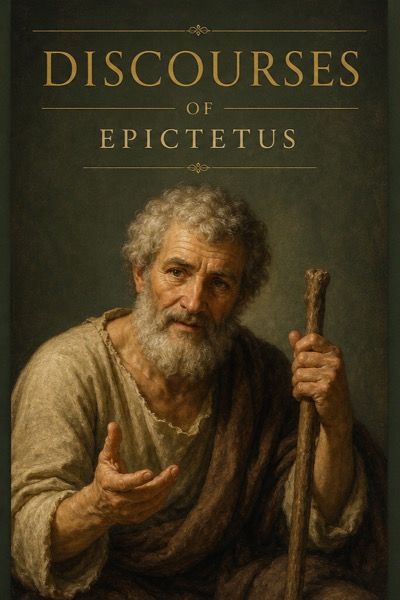
Epictetus emphasizes the crucial distinction between what is within our control—our thoughts, actions, and attitudes—and what lies beyond it, such as external events or others’ opinions. By focusing energy only on what we can influence, we avoid needless frustration and anxiety. This core Stoic insight encourages readers to accept what they cannot change, freeing themselves from the tyranny of external circumstances and finding stability within.
2.Desire Less, Appreciate More
A Manual for Living warns against the endless pursuit of external goods—wealth, status, or pleasure—which often leads to disappointment. Instead, Epictetus urges us to moderate our desires and cultivate gratitude for what we have. This shift in perspective fosters contentment and reduces suffering, helping us find satisfaction in the present moment rather than chasing fleeting rewards.
3.Respond, Don’t React
Epictetus teaches that our emotional responses are shaped by our judgments, not by events themselves. By pausing to examine our beliefs and assumptions before reacting, we gain the freedom to choose our response. This practice builds emotional resilience, allowing us to maintain composure and act with integrity even under pressure.
4.Live According to Nature
For Epictetus, living well means aligning our actions with reason and the natural order of things. This involves accepting life’s challenges as opportunities for growth and fulfilling our roles with virtue. Rather than resisting hardship or wishing circumstances were different, we are called to embrace reality and act with wisdom and courage.
5.Practice Daily Reflection
The book encourages regular self-examination as a path to self-mastery. By reflecting on our actions, motives, and progress, we become more aware of our strengths and shortcomings. This ongoing process of self-improvement is central to Stoic practice, helping us live more intentionally and in harmony with our values.
6.Freedom Through Acceptance
True freedom, Epictetus argues, comes not from changing the world, but from changing our relationship to it. By accepting reality and letting go of attachment to outcomes, we liberate ourselves from the suffering caused by unmet expectations. This acceptance is not passive resignation, but an active embrace of life as it is.