1.Grief as a Living Presence
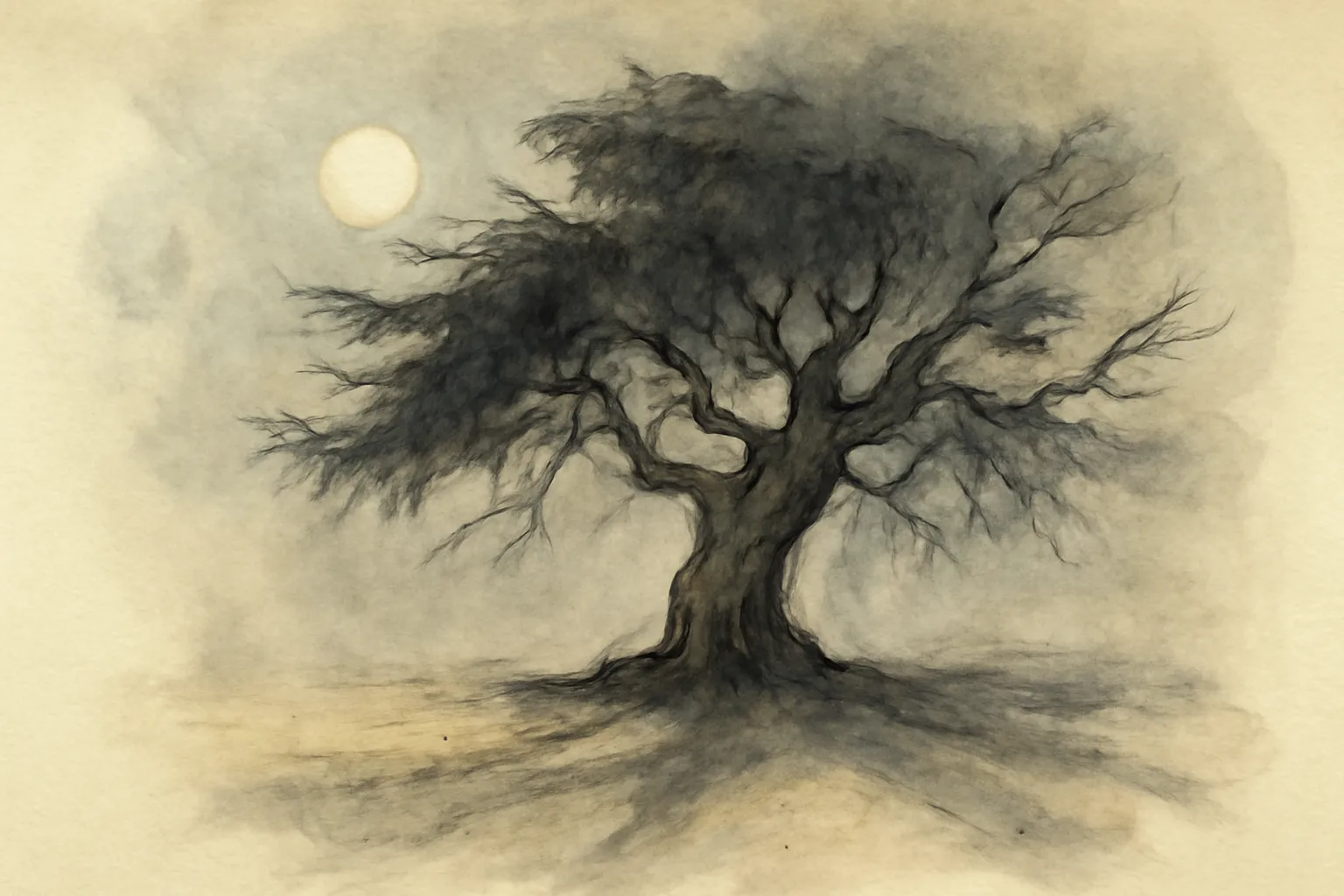
The novel personifies grief through the monster, a towering yew tree that visits Conor at night. This embodiment allows the story to explore grief not as a static state but as a force that intrudes, demands attention, and refuses to be ignored. The monster’s presence is both terrifying and strangely comforting, reflecting how grief can be overwhelming yet necessary for healing.
2.The Power and Danger of Truth
A central theme is the importance of facing uncomfortable truths. The monster insists that Conor tell his 'truth,' which is messier and more painful than he wants to admit. The book suggests that real healing begins when we confront our deepest fears and honest feelings, even when they contradict what we wish we felt.
3.Stories as Tools for Understanding
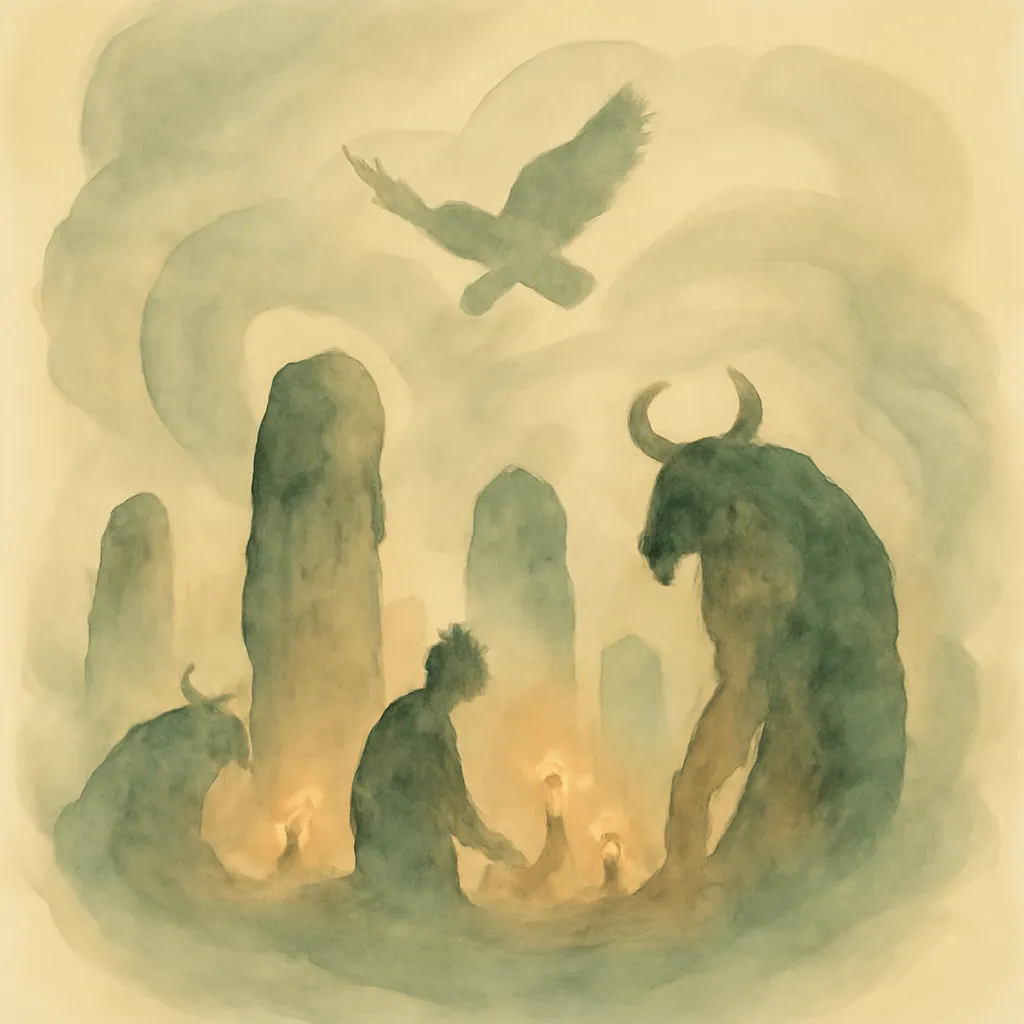
The monster tells Conor three stories, each with ambiguous morals and unexpected turns. These tales challenge simplistic notions of good and evil, mirroring the complexity of Conor’s real-life situation. Ness uses storytelling within the story to show how narratives can help us process and make sense of our emotions and experiences.
4.Isolation and the Need for Connection
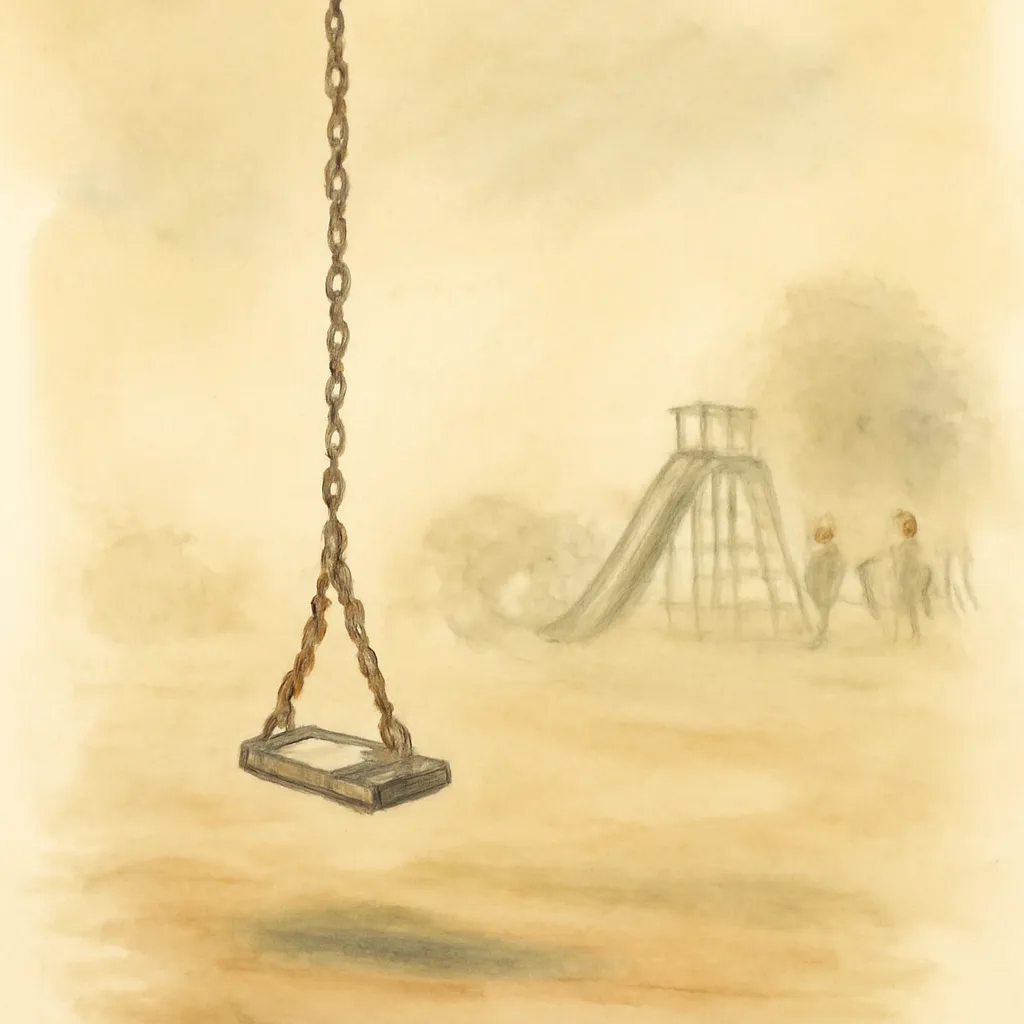
Conor’s journey is marked by profound loneliness. His mother’s illness isolates him from friends, teachers, and even his own family. The monster’s arrival, while frightening, provides a kind of companionship and understanding that Conor desperately needs. The novel highlights how isolation can intensify pain, but also how connection, even with something monstrous, can be healing.
5.Letting Go and Acceptance
Ultimately, A Monster Calls is about learning to let go. Conor’s struggle is not just with his mother’s impending death, but with accepting his own conflicting emotions—love, anger, guilt, relief. The monster guides him toward acceptance, showing that letting go is not betrayal, but a necessary step in moving forward.
6.The Ambiguity of Human Emotion
The book refuses to paint emotions as simple or tidy. Conor’s feelings are contradictory—he wants his mother’s pain to end, but fears what that means. Ness explores how guilt and relief can coexist with love and sorrow, encouraging readers to accept their own emotional complexity.