1.The Human Face of Revolution
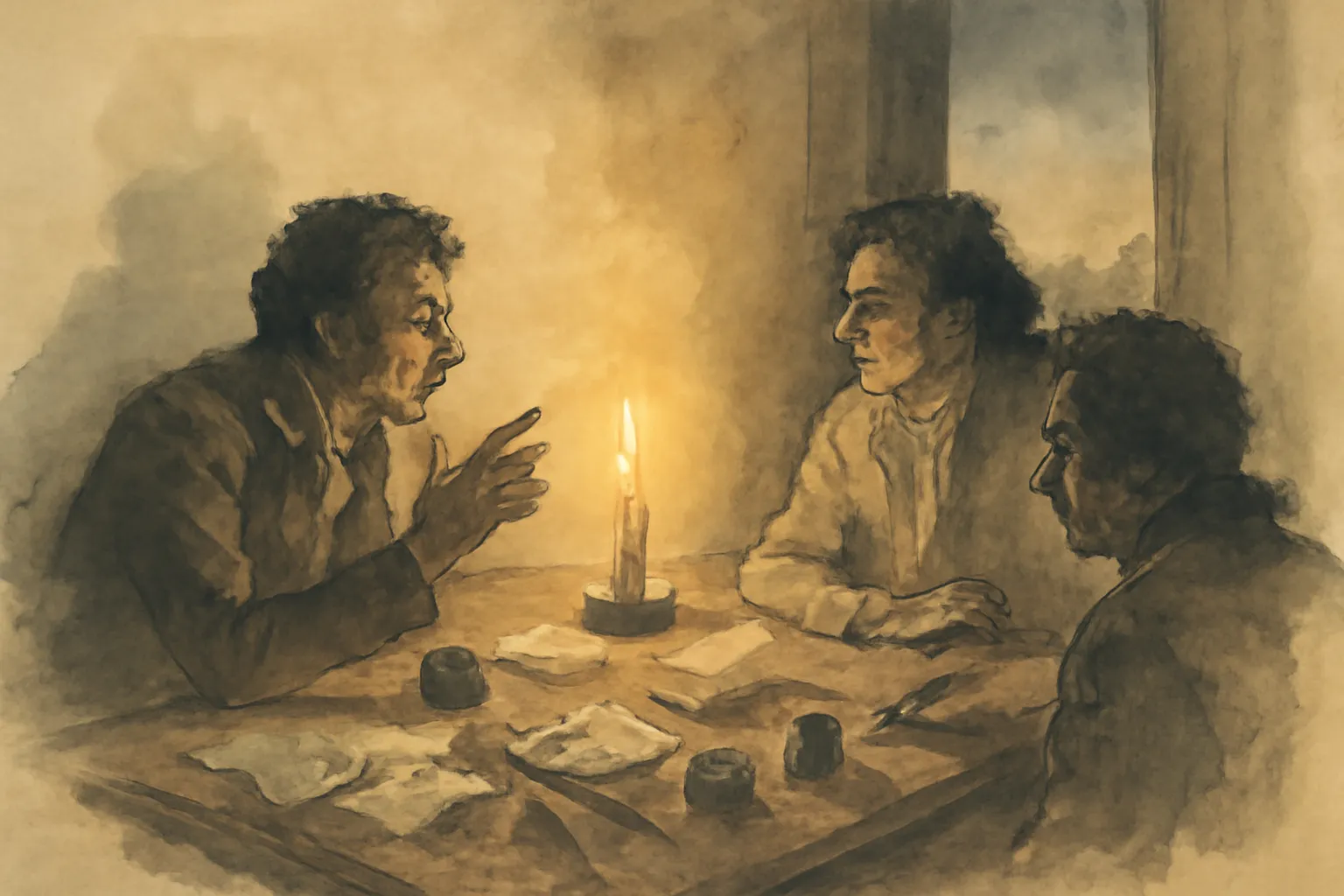
Mantel strips away the mythic veneer of the French Revolution, focusing on the inner lives, doubts, and contradictions of its key figures. Danton, Robespierre, and Desmoulins are not mere symbols or historical ciphers; they are flawed, passionate, and often conflicted individuals. By rendering their fears, loves, and rivalries in intimate detail, Mantel invites readers to see how history is shaped by personal choices as much as by grand ideas.
2.Ideals Versus Reality
The novel relentlessly interrogates the gap between revolutionary ideals—liberty, equality, fraternity—and the messy, violent reality of political upheaval. Mantel shows how the pursuit of purity and justice can devolve into suspicion, betrayal, and bloodshed. The protagonists are repeatedly forced to compromise, rationalize, or abandon their principles, raising questions about whether true change is ever possible without moral cost.
3.Ambition and Power
Ambition is both the engine and the undoing of Mantel's characters. The drive to shape history or to be remembered leads to alliances and betrayals, to moments of courage and acts of cruelty. Mantel is particularly attentive to how power transforms those who wield it, and how the revolutionaries' very success sows the seeds of their destruction. Their personal ambitions are inseparable from the larger political drama unfolding around them.
4.The Role of Fate and Agency
Mantel's narrative questions how much control individuals truly have over their destinies, especially in times of chaos. The protagonists are swept along by events as much as they shape them, and the sense of inevitability—of being caught in a tide larger than themselves—pervades the novel. Yet, Mantel also highlights the moments where choice matters, suggesting that history is made by both accident and intention.
5.The Intimacy of History
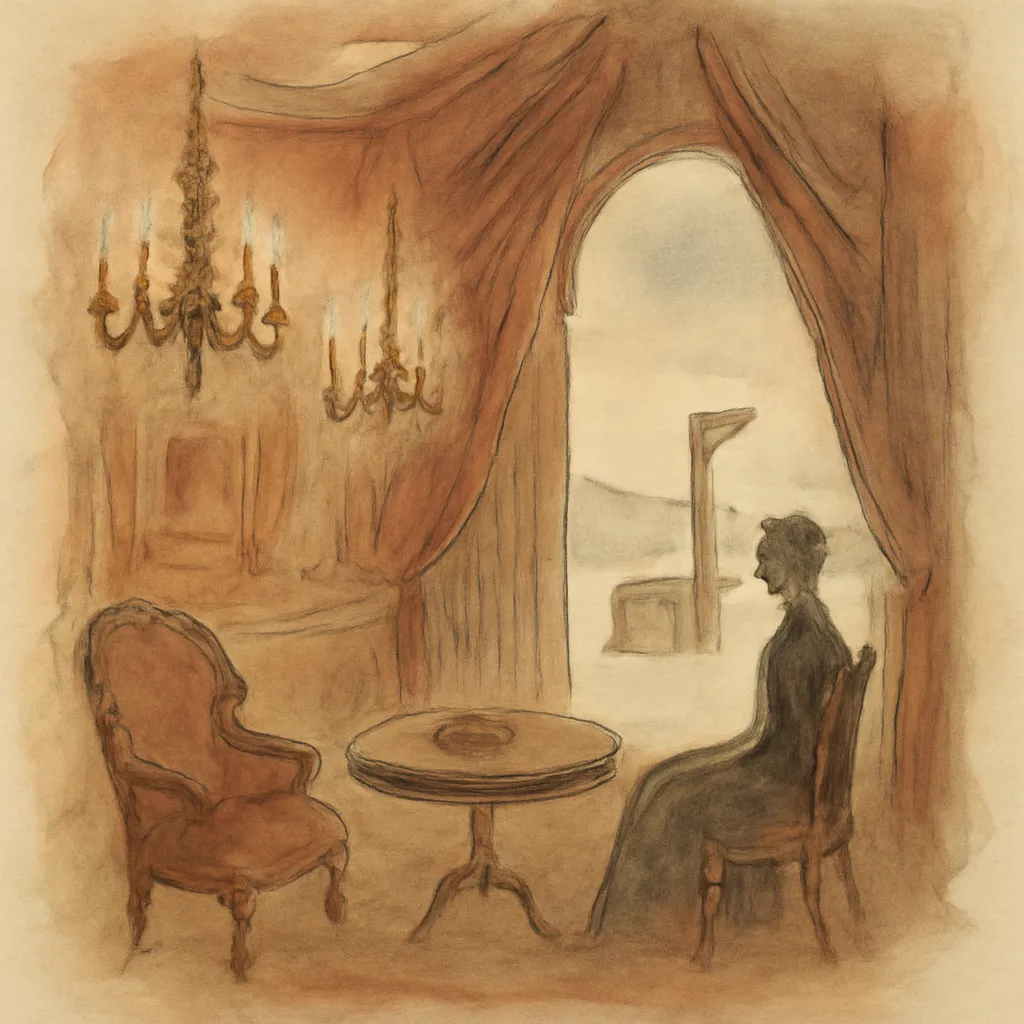
By weaving together public events and private lives, Mantel dissolves the boundary between the personal and the political. The revolution is experienced in salons and bedrooms as much as in assemblies and on the scaffold. This approach makes the stakes of history feel immediate and personal, reminding readers that epochal change is lived day by day, in moments of hope, fear, and heartbreak.
6.Language and Style
Mantel's prose is sharp, witty, and often anachronistically modern, lending a sense of immediacy and relevance to eighteenth-century events. Her narrative structure is complex, shifting perspectives and timeframes to reflect the uncertainty and turbulence of the era. This style demands attention but rewards readers with a richly immersive experience.