1.Foundations of Georgetown's Significance
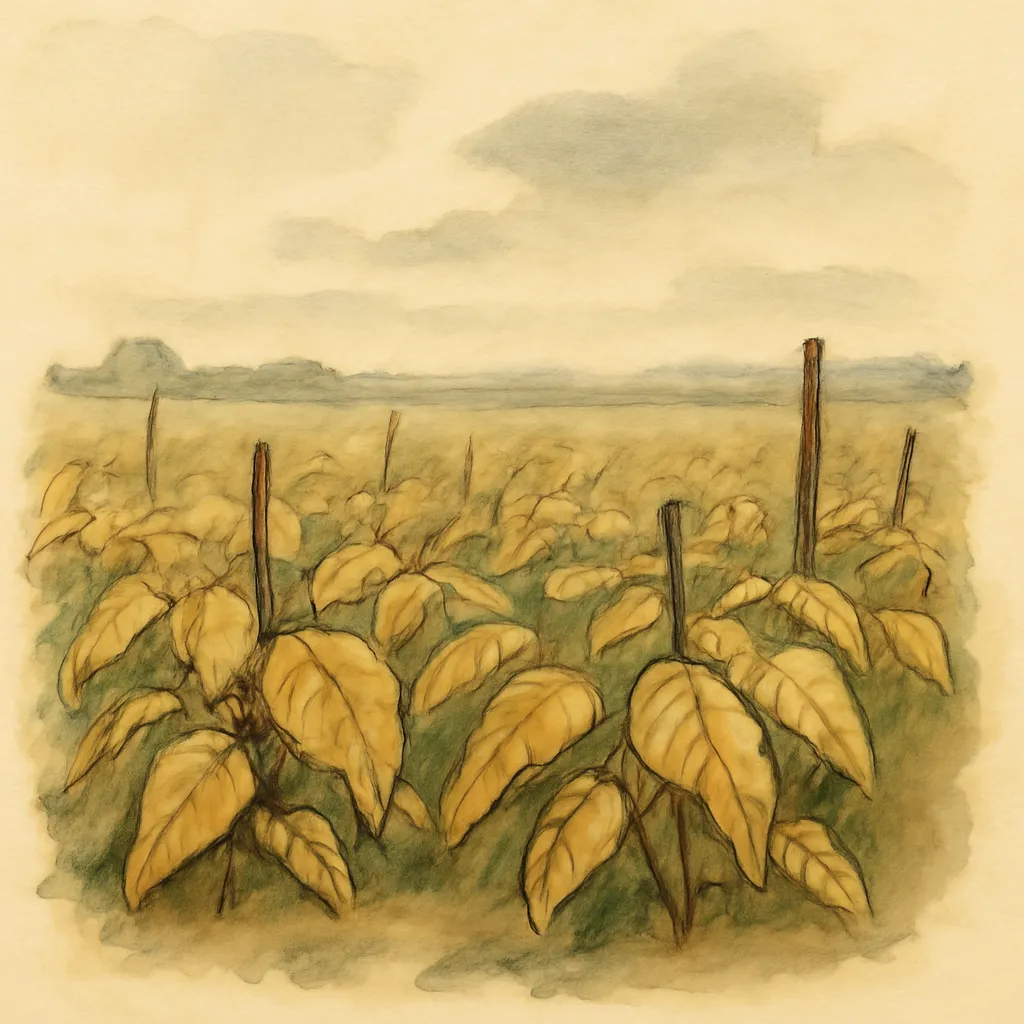
Georgetown's history is rooted in its strategic location at the head of tidewater on the Potomac River, which made it an essential hub for tobacco trade in the early colonial period. The area's fertile soil and abundant resources attracted settlers, including Scots and Irish, who began to establish a community in the 1600s. Captain John Smith's exploration in 1608 highlighted the region's potential, describing its mild climate and fertile land, which set the stage for Georgetown's growth. As early as the 1630s, traders like Henry Fleete recognized the site as ideal for habitation, leading to the establishment of a settlement that would flourish into a bustling port. This early economic activity laid the groundwork for Georgetown’s future as a vital trading center, influencing its culture and community dynamics. The strategic confluence of rivers not only facilitated trade but also allowed the town to become a melting pot of cultures and ideas, contributing to its unique identity.
2.The Rise of a Thriving Port
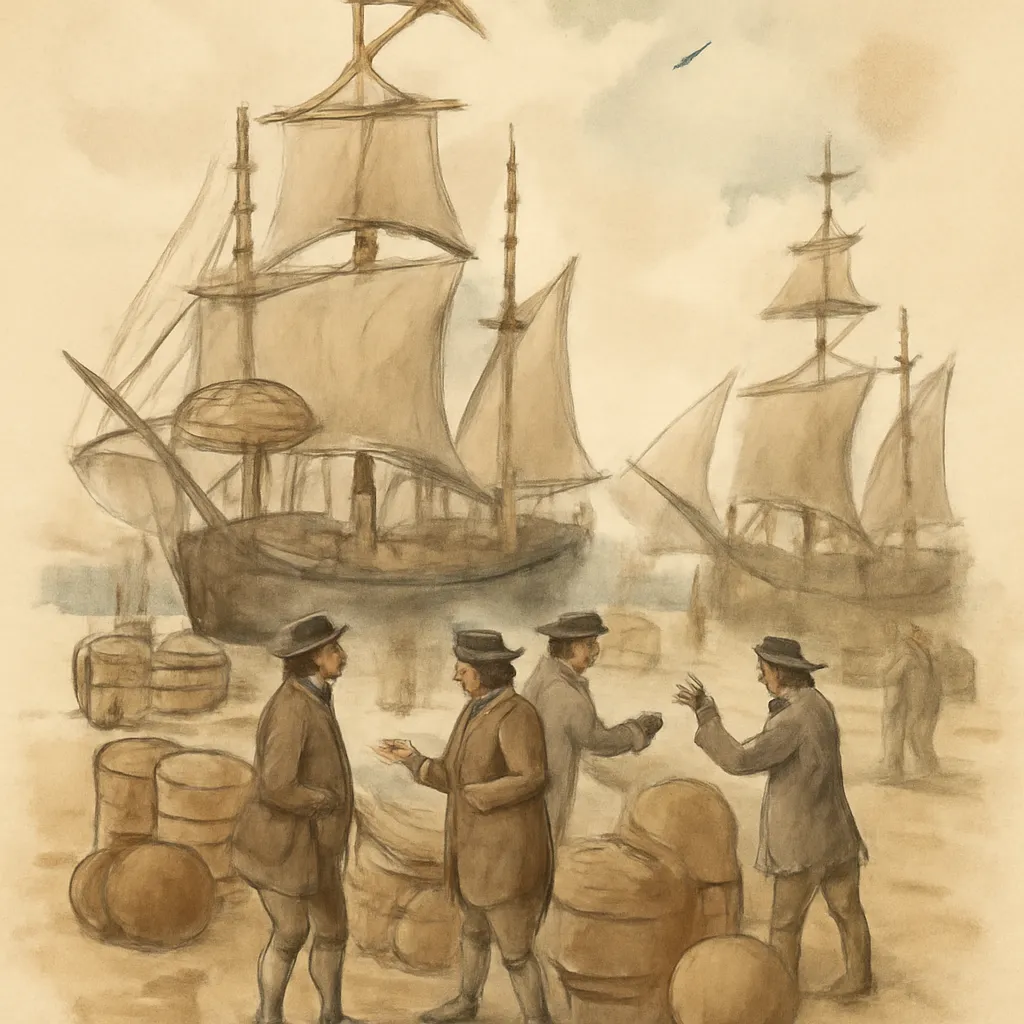
By the early 19th century, Georgetown had transformed into a bustling port, with a population that grew from 2,993 in 1800 to nearly 5,000 by 1810. The wharves were filled with ships laden with tobacco and wheat, vital commodities that fueled the local economy. Merchants thrived, bringing back luxuries from Europe and the West Indies, which allowed Georgetown's residents to enjoy a higher quality of life. The maritime trade established Georgetown's reputation as a significant commercial center, with its streets bustling with both local merchants and travelers from afar. The town's social life flourished in tandem with its economy, as taverns became central hubs for gatherings, discussions, and celebrations, fostering a vibrant community spirit that was characteristic of the era. The author intricately illustrates how the economic success of the town attracted professionals, artisans, and entrepreneurs, thereby widening the social fabric and enhancing the diversity of Georgetown.
3.A Tapestry of Architectural Beauty
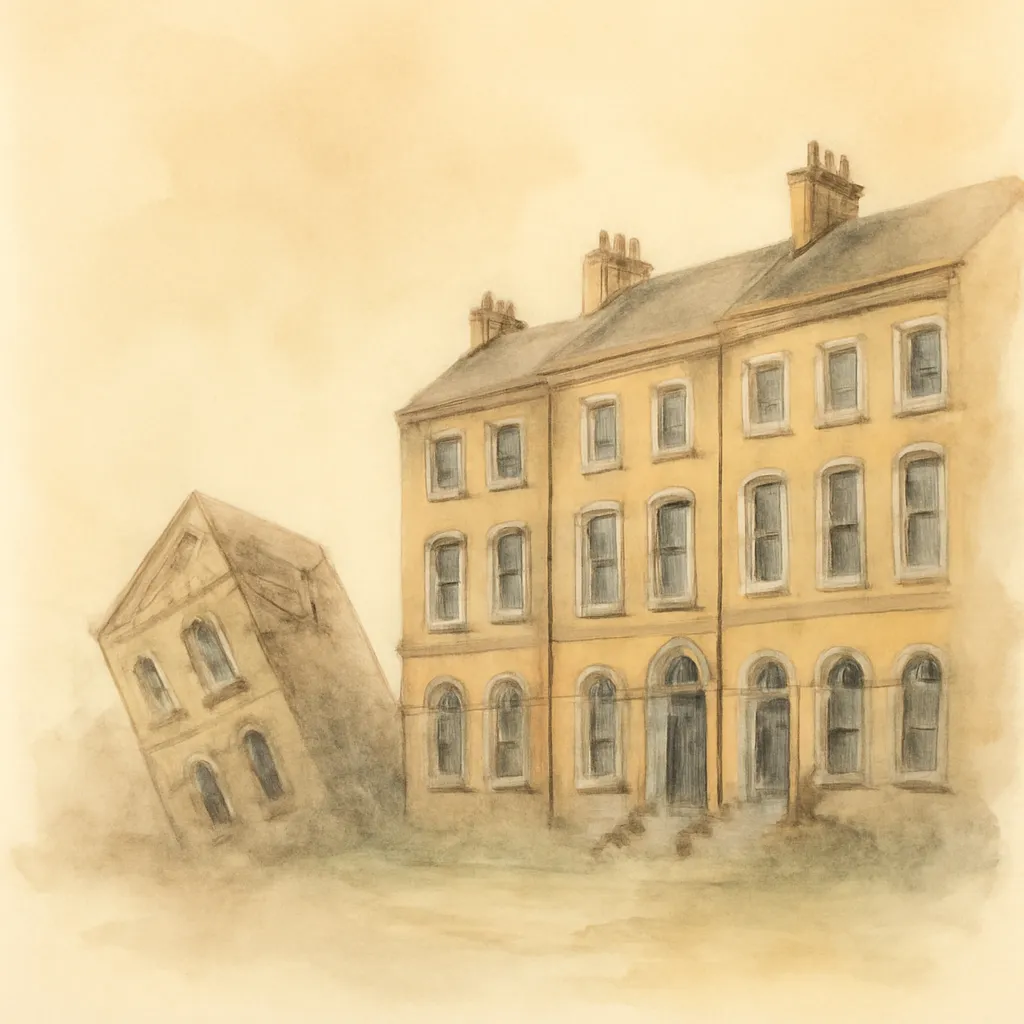
Georgetown's physical landscape is a testament to its rich history, with many homes and buildings reflecting the architectural styles of their times. The author laments the loss of many of these dignified structures, which have been replaced by less remarkable constructions over the years. Original street names and the layout of the town evoke a sense of nostalgia, as they tell the story of a place once filled with elegant homes and lush gardens. The contrast between the old and new becomes a poignant theme, illustrating the impact of urban development and the passage of time on Georgetown’s identity. The remaining historic buildings serve as reminders of the town's grandeur and the lives of those who once called it home, highlighting the need to preserve cultural heritage amidst modernization. The author emphasizes that the architectural narrative of Georgetown is not just about aesthetics but also about the stories of families and events that shaped the town, thus weaving a complex tapestry of human experience.
4.The People Who Shaped Georgetown
The character of Georgetown was significantly influenced by its inhabitants, whose diverse backgrounds and stories enriched the community. Many of the early settlers were Scots, whose cultural traditions and work ethic played a vital role in establishing the town's identity. The author shares anecdotes about notable residents, such as General Edward Braddock, who received a warm welcome upon his arrival, reflecting the town's hospitality and pride in its heritage. The book paints a picture of a close-knit community where families contributed to the town's development through commerce, education, and civic engagement. This social fabric created a sense of belonging and shared purpose among residents, which was essential to Georgetown's vibrancy in its early years. Furthermore, the interplay between different cultural traditions, including those of African American residents, contributed to a rich social tapestry that defined the town.
5.Taverns: The Heartbeat of Social Life

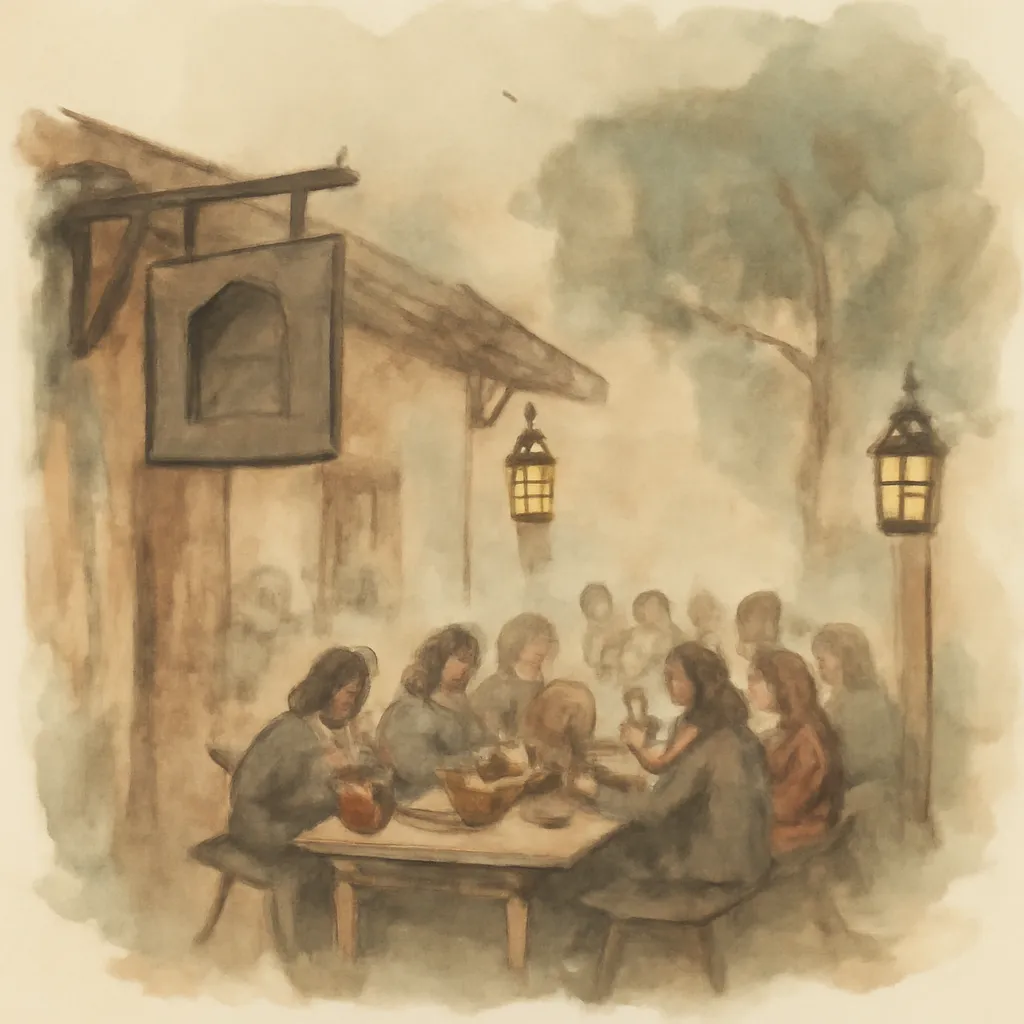
Taverns in Georgetown were more than just places to drink; they were vital social institutions where the community gathered to exchange news, celebrate events, and foster relationships. The narrative includes the history of the earliest tavern, operated by Joseph Belt, which became a focal point for travelers and locals alike. The role of taverns in the cultural and political life of the town is explored, showcasing how they served as venues for important discussions and decisions, particularly during the colonial and revolutionary periods. The lively atmosphere of these establishments is recalled through stories of banquets and gatherings that brought together people from various walks of life. This aspect of Georgetown's history underscores the importance of social spaces in shaping community dynamics and preserving local traditions. Taverns were not only places for leisure but also served as incubators for ideas that would shape the political landscape, making them critical to understanding the town's evolution.
6.The Evolution of Georgetown's Streets
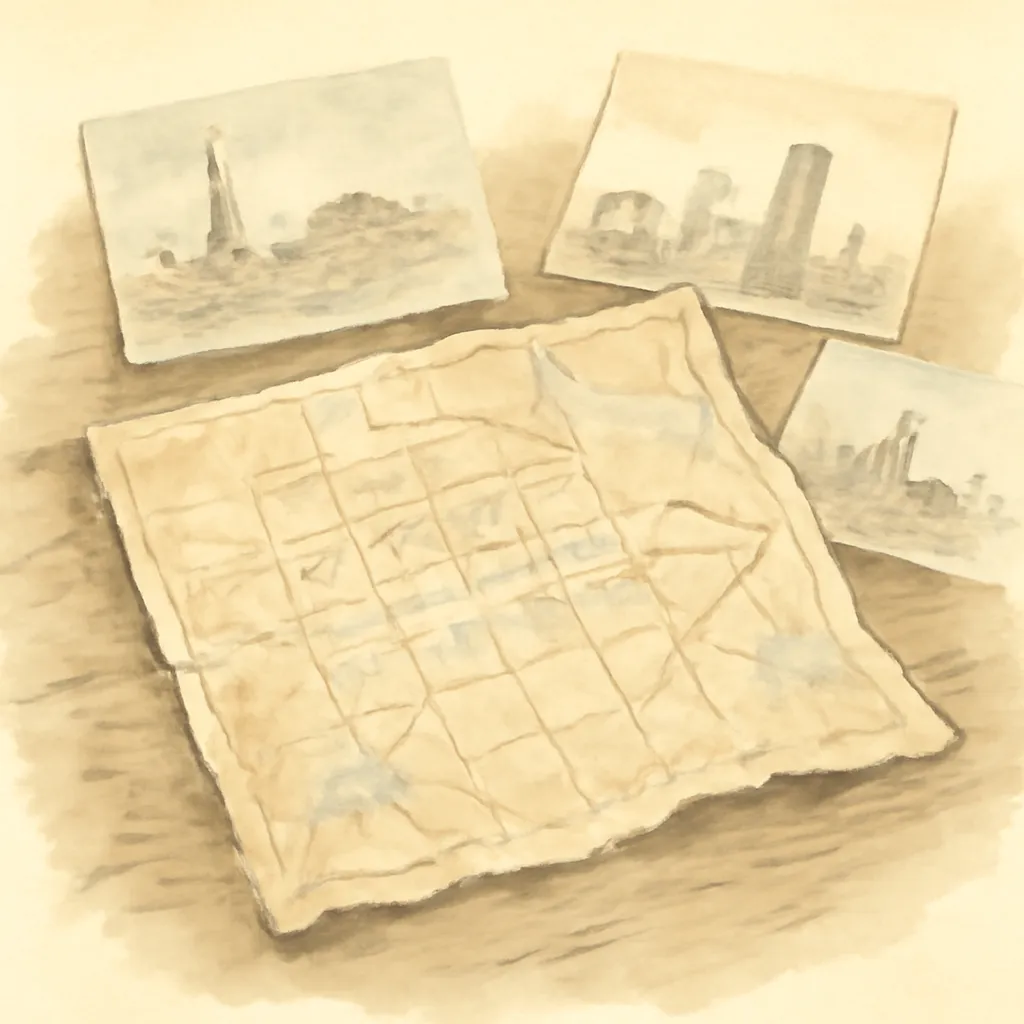
The naming and layout of Georgetown's streets reflect its historical and cultural evolution. Initially, the streets were named descriptively, capturing the essence of the activities and landscapes that defined them. As the town grew, names changed to honor prominent figures and events, creating a narrative of Georgetown's progress. The author describes how names like 'High Street' and 'Market Street' were chosen for practical reasons but have since lost their original significance due to modern developments. The transformation of these names serves as a metaphor for the loss of historical continuity, prompting reflections on what is preserved in the urban landscape and what is forgotten. Understanding this evolution allows readers to appreciate the layers of history embedded in the town's geography. The streets themselves become characterful witnesses to the town's growth, reflecting the changing socio-political landscape and the different eras of architecture and urban planning.
7.The Impact of Washington and L'Enfant
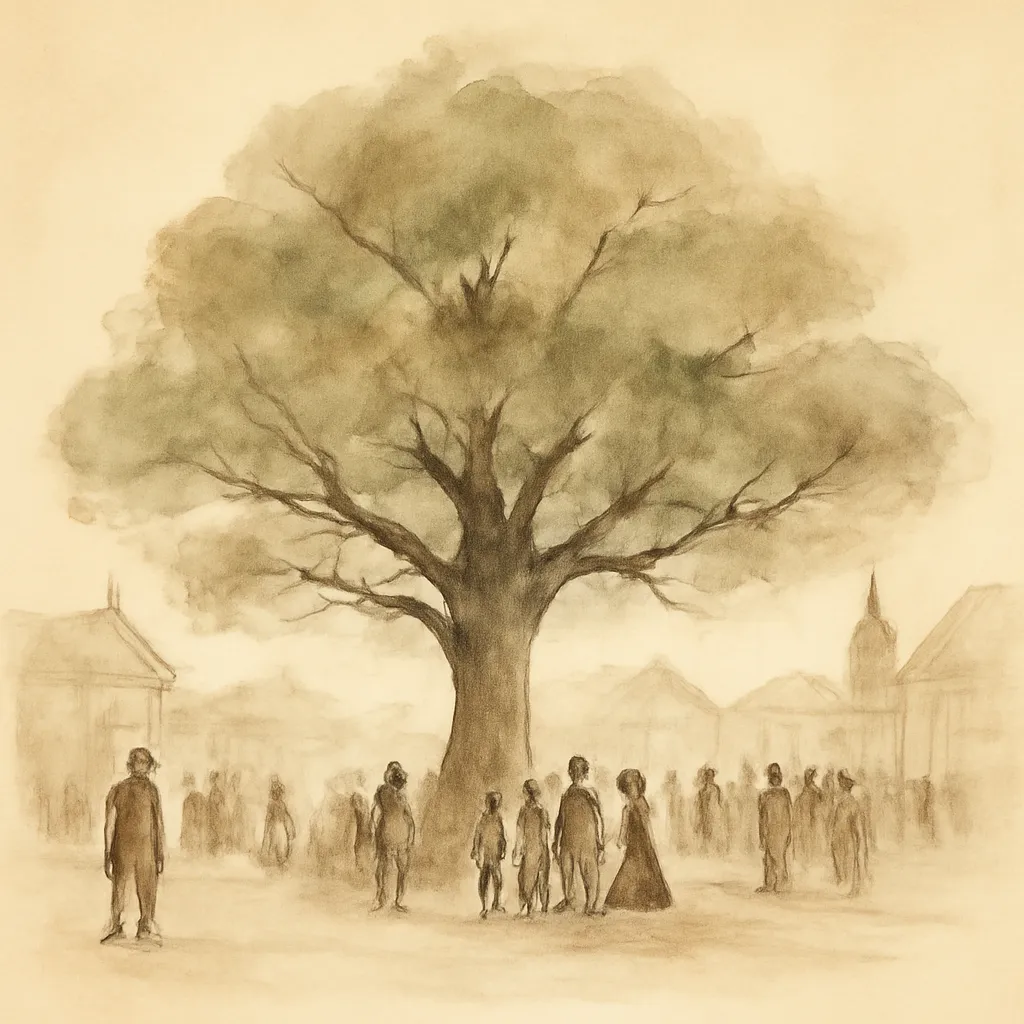
The arrival of George Washington and the planning of the new capital city had a profound impact on Georgetown. As Washington passed through on his way to his inauguration, the town was on the brink of becoming part of a larger national narrative. The author recounts how Pierre Charles L'Enfant's vision for the capital city intertwined with Georgetown's identity, as the town's geographical and historical significance was recognized in the context of the new government. The establishment of Washington, D. C. as the nation’s capital brought both opportunities and challenges for Georgetown, as it transitioned from an independent port town to a neighborhood integrated into a larger metropolis. This shift marked the beginning of a new chapter in Georgetown's history, influencing its development and altering its role within the broader political landscape. The author discusses the tension between preserving local character and adapting to the needs of a growing capital, highlighting the essential balance cities must strike between tradition and progress.
8.Social Stratification and Philanthropy
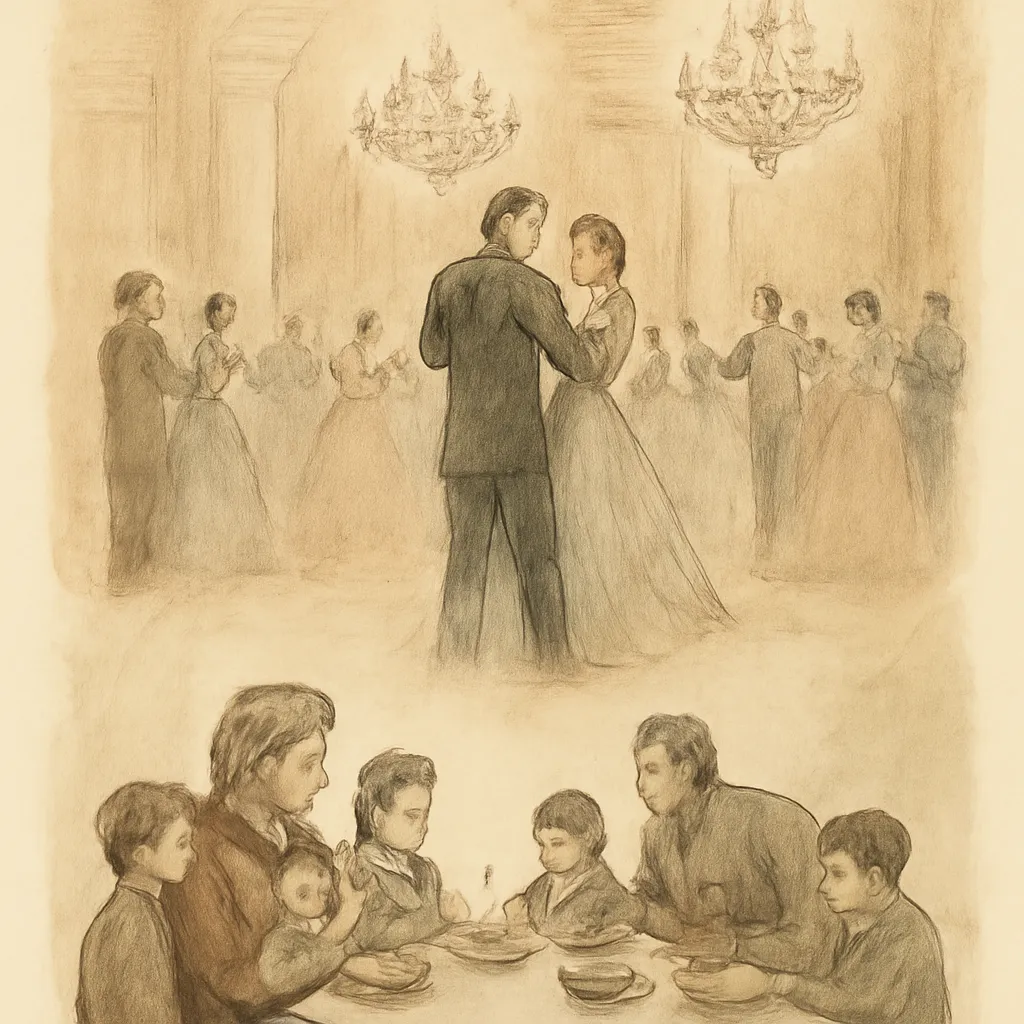
Georgetown's social landscape was marked by a blend of affluence and philanthropy, with prominent families contributing to the community's welfare. The author highlights three key philanthropists whose legacies shaped the town and the city of Washington. Edward Magruder Linthicum, for instance, established an endowment for a school to provide education to local boys, reflecting the values of civic responsibility and community engagement. His commitment to education and moral development underscores the importance of philanthropy in fostering social progress. The contrasting experiences of residents, from wealthy merchants to those struggling to make ends meet, reveal the complexities of social stratification in Georgetown. This dynamic is essential to understanding the town's history and the ongoing challenges of equity and inclusion. The author illustrates how these philanthropic efforts were not just about charity but were deeply intertwined with the social fabric, shaping the opportunities available to different segments of the population.
9.Cultural Traditions and Celebrations
Georgetown's cultural richness is exemplified through its traditions and celebrations, which brought the community together across social divides. The author recounts lively events such as Christmas caroling, where African American residents would sing hymns in the streets, showcasing a sense of shared joy and community spirit. May Day parades, featuring decorated carts and horses, further illustrate the vibrant social life that characterized Georgetown. These traditions not only provided a sense of normalcy amidst the challenges of daily life but also fostered connections between different groups within the community. By preserving these cultural practices, Georgetown maintained its unique identity and resilience, reflecting the values and aspirations of its diverse population. The celebration of these traditions serves as a reminder of the town's commitment to unity and the importance of community in the face of change.
10.The Legacy of Change and Memory

As Georgetown evolved, the interplay between change and memory became a central theme in its narrative. The physical transformation of the town, marked by the loss of historic buildings and the influx of modern developments, raises questions about what is remembered and what is erased. The author reflects on the importance of preserving the stories and legacies of those who lived in Georgetown, emphasizing the need for collective memory to inform contemporary identity. The ghosts of Georgetown, as described in the introduction, symbolize the enduring spirit of the town and its residents, reminding readers that the essence of a place is shaped by its history and the people who inhabit it. This exploration of memory and legacy serves as a poignant reminder of the importance of honoring the past while navigating the future. The author asserts that understanding the past is not merely an exercise in nostalgia but a crucial component of building a meaningful future, advocating for the preservation of cultural heritage as a means of maintaining a community's identity.