1.The Influence of Family

The protagonist, left motherless at birth and raised by her two aunts, embodies the struggle between conflicting familial expectations. Aunt Agnes, the serious and intellectual figure, pushes for a grounded education in 'serious' studies, while Aunt Helen, the more lighthearted and sociable, encourages a focus on modern languages and social graces. This duality creates a tension within the young lady, who feels torn between the scholarly pursuits valued by one aunt and the vivacious social world advocated by the other. The impact of this upbringing shapes her worldview, instilling a sense of ambition yet also leading to moments of profound loneliness and confusion as she tries to navigate her path. The contrasting influences of her aunts highlight the broader societal expectations placed on women during this era, emphasizing the challenge of forging an independent identity amidst external pressures. The protagonist's relationships with her aunts serve as a microcosm for the societal expectations of women, wherein the choices they make are heavily influenced by familial and societal notions of propriety and success.
2.The Quest for Education

Education plays a pivotal role in the protagonist's development, illustrating how knowledge can both empower and isolate. While her aunts' differing views initially lead to her health deteriorating due to stress, the eventual decision to hire a governess, Miss Jenks, marks a turning point. Although Miss Jenks is a sober disciplinarian, she instills a sense of structure and discipline in the young lady's studies, helping her to build a foundation of knowledge that is both broad and deep. This period of education becomes crucial as it teaches her the importance of depth over superficiality, a lesson that resonates throughout her life. The notion that education should not be merely about acquiring facts, but about fostering critical thinking and self-awareness, is a key theme that encourages readers to reflect on the true purpose of learning. The protagonist’s efforts to please both aunts often lead her to anxiety, showcasing the intense pressure young women face in meeting the expectations of their guardians, ultimately leading to a valuable but challenging educational experience that shapes her future.
3.Heartbreak and Self-Discovery

The protagonist's emotional journey is marked by a significant heartbreak involving Roger Dale, which serves as a catalyst for her self-discovery. Initially, she fantasizes about a romantic escape, considering becoming a shop-girl as a means to flee her privileged yet constraining life. This impulse to run away signifies her desire to break free from societal expectations and explore her identity outside the confines of wealth. However, her father's support during this tumultuous time helps her to find solace in the familiar, as they embark on long walks together in the woods. The physical journey through the natural landscape mirrors her internal struggle and provides a space for reflection. These moments of connection with her father become crucial as they allow her to process her emotions while reflecting on her worth and the lessons learned from her romantic entanglement. This experience ultimately becomes a defining moment in her journey toward maturity, illustrating that heartbreak can lead to profound personal growth and an understanding of the complexities of love, identity, and self-worth.
4.Wealth and Responsibility

As the protagonist inherits a substantial fortune after her father's passing, the themes of wealth and responsibility come to the forefront. She is thrust into the role of executrix, which brings forth a mix of ambition and trepidation. The conversation with her father's legal adviser, Mr. Chelm, highlights the complexities of managing such a fortune while also enjoying life. He cautions her against becoming a slave to her wealth, emphasizing that her father intended for her to enjoy her inheritance rather than be burdened by it. This dialogue sparks a critical reflection on the relationship between money and personal fulfillment. The protagonist grapples with the implications of her financial status; while wealth can provide opportunities, it also comes with the weight of responsibility and expectation. Her struggle to balance her newfound responsibilities with her desire for freedom encapsulates broader societal questions surrounding wealth and its implications for personal identity and happiness. Grant invites readers to consider how one's financial situation shapes their choices, relationships, and sense of self.
5.The Role of Gender in Society

The novel poignantly addresses the societal constraints placed on women during the time period, exploring how gender roles shape the protagonist's experiences. Through her interactions with her aunts and the men in her life, the protagonist becomes acutely aware of the limitations imposed on her due to her gender. She grapples with the expectation to marry well and conform to traditional roles, all while yearning for independence and self-actualization. Her ambition to take control of her inheritance and engage in business ventures reflects a subversion of these societal norms, showcasing her desire to carve out a unique identity. This tension between societal expectations and personal aspirations urges readers to reflect on the ongoing struggle for gender equality and the importance of challenging the status quo. The protagonist's path ultimately highlights the importance of autonomy in a world that continues to impose restrictive ideals around femininity and success.
6.Love as a Double-Edged Sword

The exploration of love in 'A Romantic Young Lady' reveals its dual nature as both a source of joy and pain. The protagonist's infatuation with Roger Dale initially embodies the romantic ideals of youth, filled with dreams and aspirations. However, the eventual betrayal shatters her illusions, prompting a deep reflection on the nature of love and trust. This experience forces her to confront the realities of relationships, emphasizing that love can be as fickle as it is profound. The narrative suggests that true love requires understanding, respect, and mutual growth, rather than mere romantic ideals. The protagonist evolves from a naive dreamer to a more discerning individual, realizing that the complexities of love demand introspection and wisdom. As she navigates the complexities of her feelings, the protagonist learns valuable lessons about vulnerability, self-worth, and the importance of discerning genuine affection from superficial attraction, a journey that resonates with anyone who has faced the trials of love.
7.Isolation and Connection

Throughout the novel, the theme of isolation juxtaposed with the need for connection emerges prominently. Despite being surrounded by her aunts and eventually inheriting wealth, the protagonist often feels a profound sense of loneliness. Her education and upbringing, while aimed at fostering her intellect, also contribute to her isolation as she struggles to find peers who understand her experiences and aspirations. This isolation is exacerbated by her heartbreak, creating a chasm between her and the world around her. However, the solace she finds in her father’s company during their walks highlights the importance of meaningful relationships in combating loneliness. These moments of connection provide a counterbalance to her isolation, illustrating the power of familial ties and genuine companionship in fostering emotional resilience. This dynamic urges readers to consider the significance of authentic connections in a world that can often feel isolating, especially for those navigating personal challenges. The journey towards overcoming isolation becomes a crucial aspect of the protagonist's growth, as she learns to seek and cherish relationships that uplift and support her.
8.The Journey to Independence
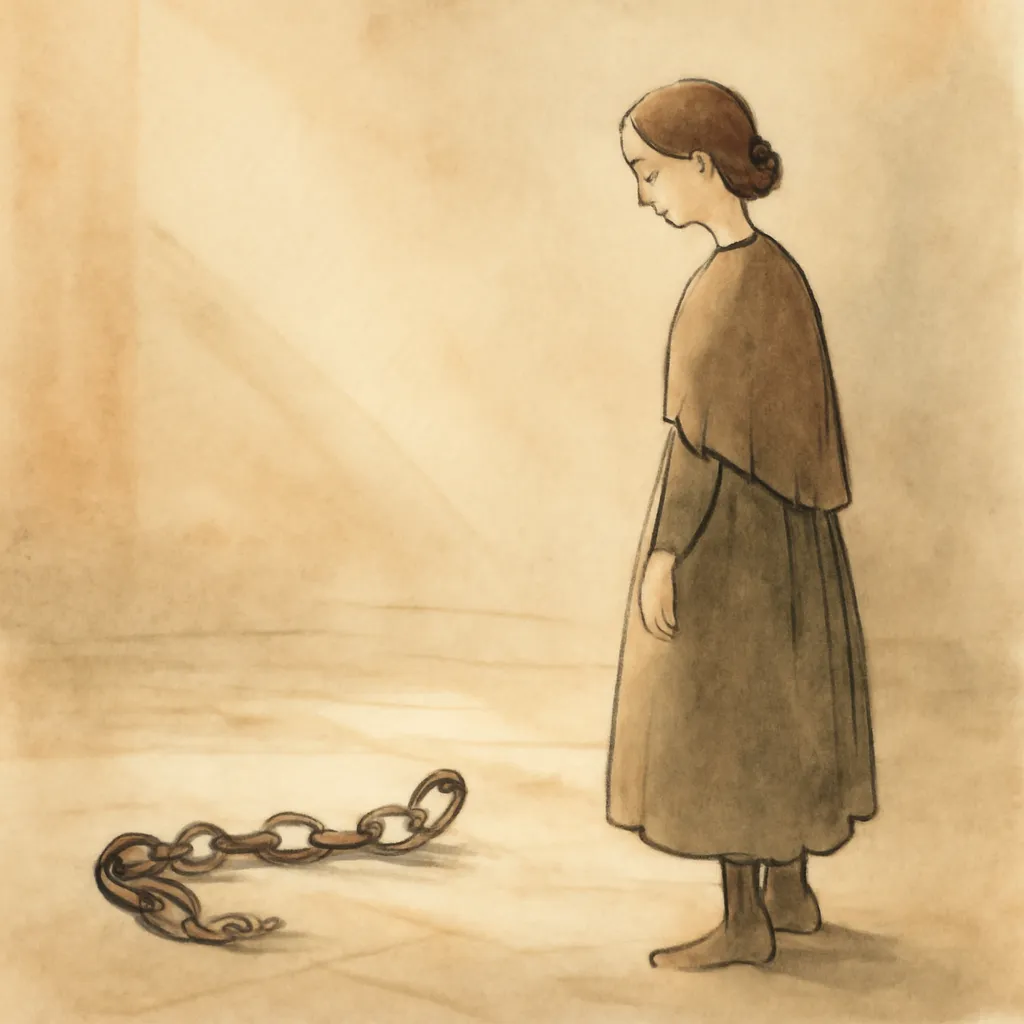
The protagonist’s evolution from a sheltered young lady to an independent woman is a central theme that resonates throughout the narrative. Initially, she is defined by her familial ties and societal expectations, but as she confronts heartbreak and takes on the responsibility of her inheritance, she begins to carve out her own identity. Her experiences push her to evaluate what it means to be independent, not just financially but emotionally and intellectually as well. The conversations with Mr. Chelm and her reflections on her past highlight the importance of self-reliance and the courage to pursue her own path. This journey towards independence is not without its challenges, but it ultimately empowers her to embrace her true self and make choices that align with her values. Grant effectively illustrates that the path to autonomy is fraught with obstacles yet is essential for personal fulfillment, encouraging readers to reflect on their own journeys toward independence and authenticity in their lives.
9.The Importance of Self-Reflection
Self-reflection emerges as a vital theme in the protagonist's journey, serving as a mechanism for growth and understanding. Throughout her trials, she learns the value of introspection, which allows her to process her emotions and experiences more deeply. The moments spent in contemplation, particularly after her heartbreak and during her educational pursuits, foster a greater awareness of her desires and values. This theme underscores the notion that understanding oneself is essential for making informed decisions about love, career, and personal aspirations. Grant suggests that self-reflection is not merely a passive activity but an active engagement with one's thoughts and feelings, which can lead to transformative insights. The narrative encourages readers to engage in their own self-reflection, recognizing that knowledge of oneself can lead to more authentic and fulfilling lives, ultimately guiding them toward their true purpose.