1.The Call to Adventure
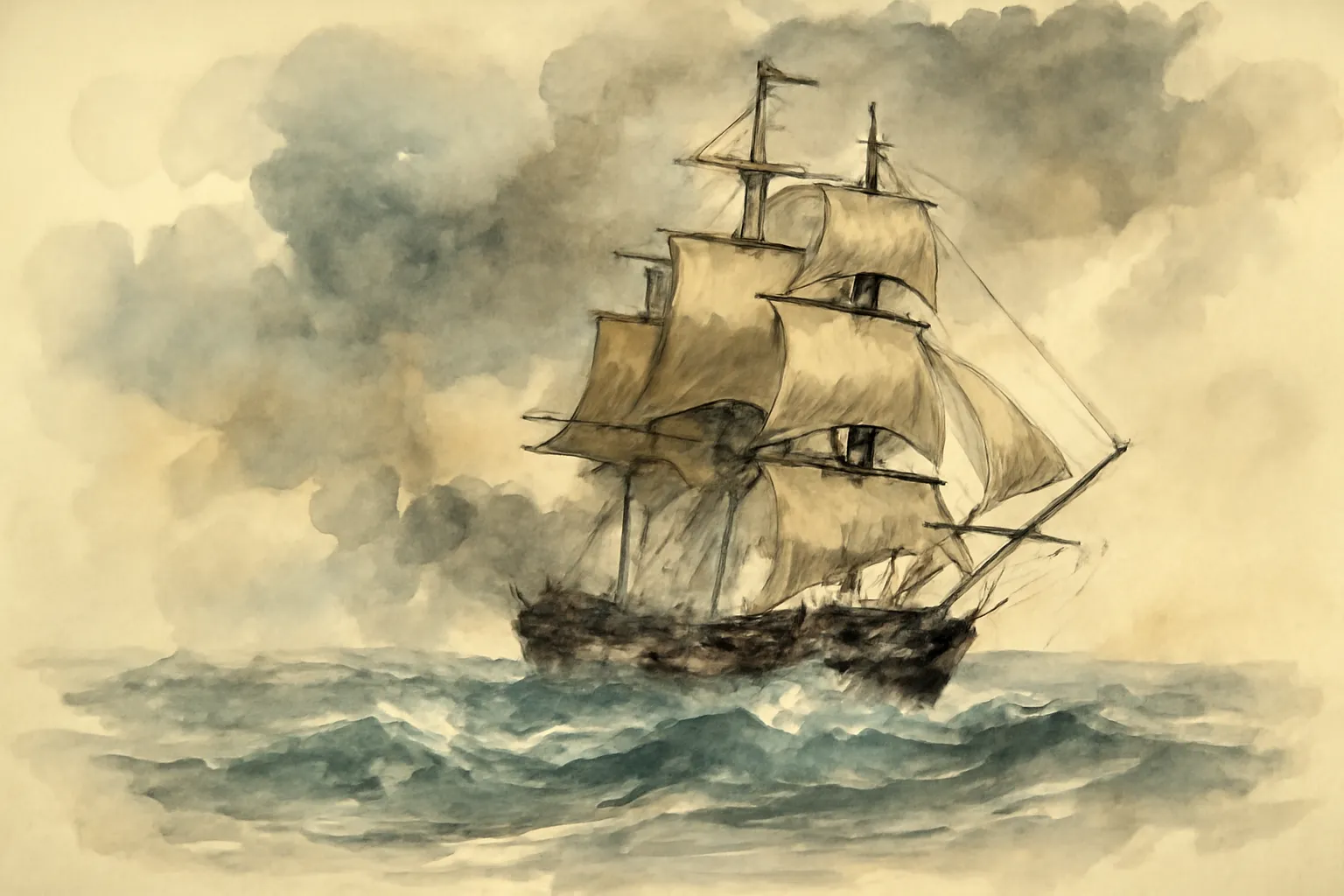
Hoffman’s journey begins with a heartfelt plea to his mother, revealing the emotional tug-of-war between familial bonds and the allure of naval adventure. His determination to join the Navy is sparked by a conversation with Captain Elphinstone, who suggests that war with France is imminent and that there are fortunes to be made. This insight ignites Hoffman's desire to pursue a life at sea, underscoring the romanticized view of naval service shared by many young men of the time. Through this lens, Hoffman illustrates the excitement of a new beginning while also capturing the conflicting emotions of leaving home. The call to adventure becomes a recurring theme in the narrative, representing not only the pursuit of glory but also the inherent risks and uncertainties that come with such a decision.
2.The Brutal Realities of War
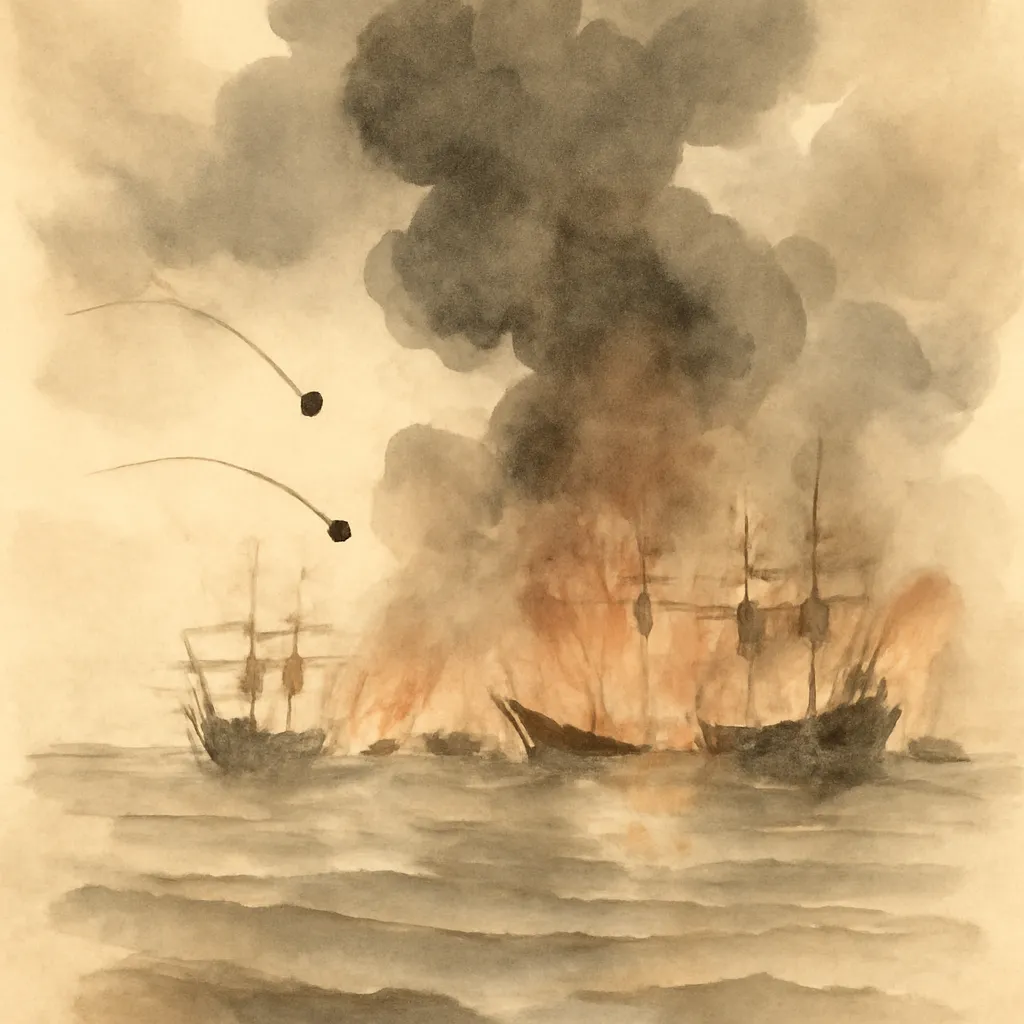
Hoffman's account of his time in the West Indies underscores the brutal realities of naval warfare. His participation in the bombardment and capture of St. Pierre, Dominica, showcases the intensity of conflict as he describes not only the strategic maneuvers but also the chaos of battle. The surrender of General Rochambeau and his garrison serves as a stark reminder of the stakes involved, where victory comes at the cost of lives and moral dilemmas. He vividly recalls the sights and sounds of battle—the roar of cannon fire, the cries of the wounded, and the overwhelming chaos that grips sailors during engagements. Such depictions highlight the psychological toll that warfare exacts on combatants, revealing that the glory of victory is often steeped in sorrow. This exploration of war is crucial, as it humanizes the soldiers and emphasizes that their experiences are not merely historical footnotes but profound moments of personal and collective struggle.
3.Navigating Nature’s Wrath
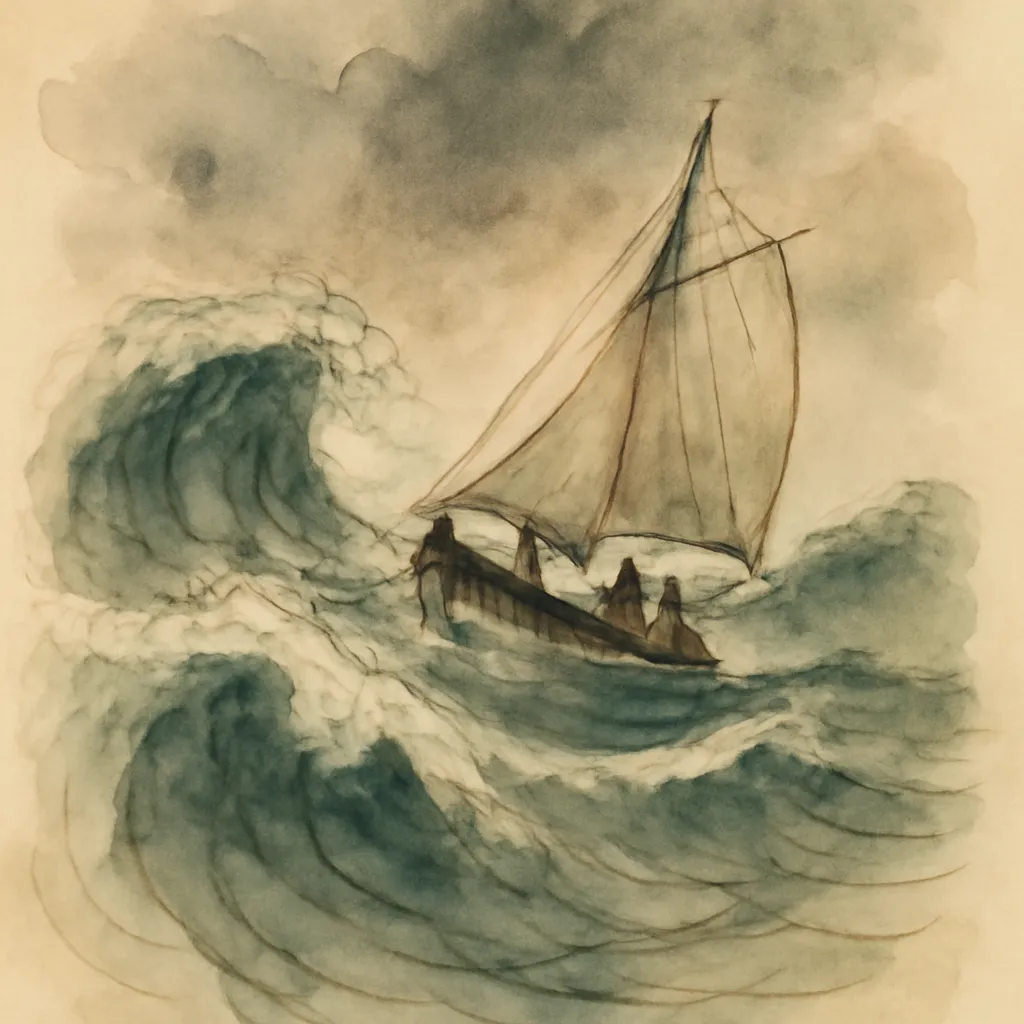
The sea emerges as a formidable character in Hoffman's narrative, often dictating the course of events with its unpredictable nature. From being windbound in Falmouth to facing fierce storms and navigating treacherous waters, Hoffman illustrates how nature can be as dangerous as any enemy ship. His descriptions of a lunar rainbow, unusual sea creatures, and the awe-inspiring beauty of the ocean provide moments of wonder that contrast sharply with the grim realities of naval life. These elements serve to remind both the sailors and the readers of their vulnerability against the forces of nature, which can thwart the best-laid plans in an instant. Hoffman's reflections on these experiences reveal a deep respect for the sea, acknowledging that while it can offer adventure and bounty, it also demands reverence and caution.
4.Camaraderie and Folly in the Face of Adversity
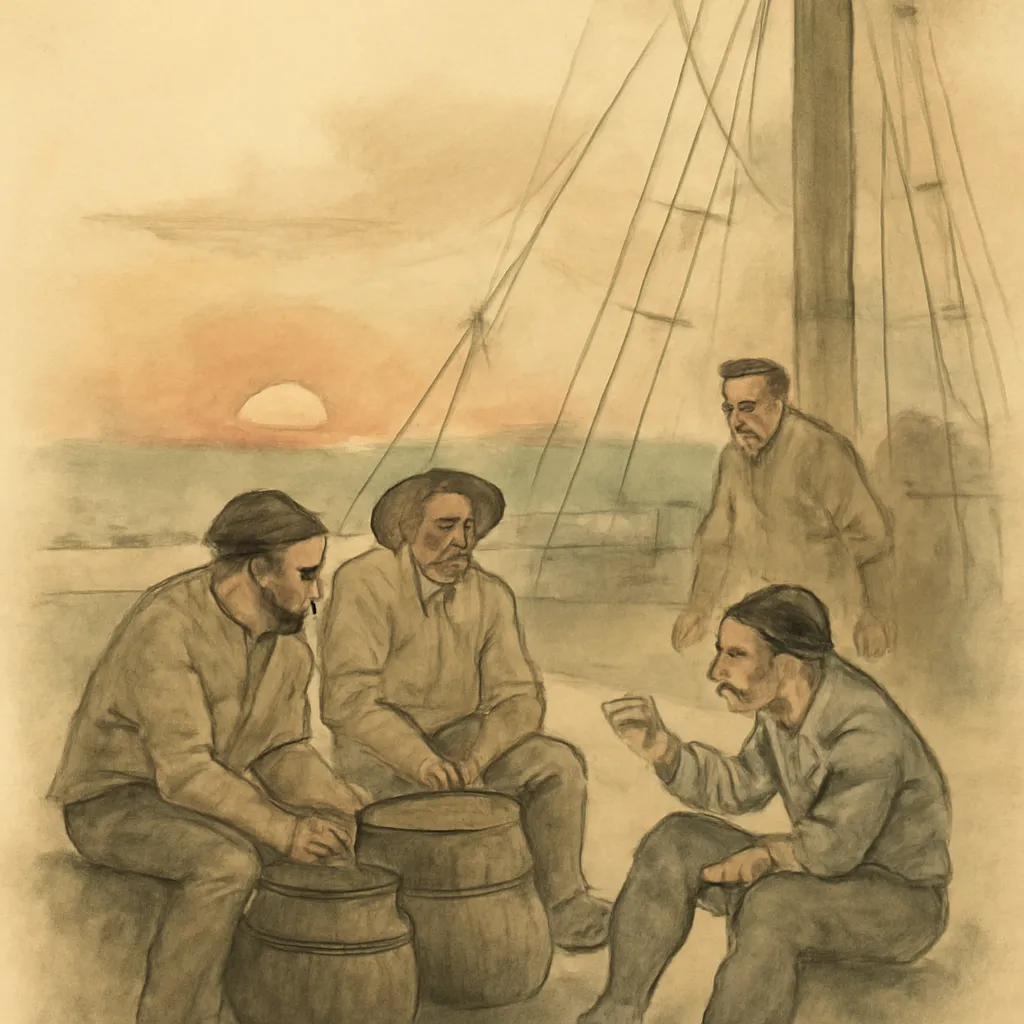
Amidst the trials of naval life, the bonds formed between sailors often provide relief and humor, helping to alleviate the weight of their circumstances. Hoffman recounts numerous moments of levity, from sailors' frolics ashore to humorous interactions with shipmates. These anecdotes not only highlight the camaraderie that develops among the crew but also reflect the necessity of maintaining morale amid uncertainty and danger. In several instances, Hoffman shares stories of sailors engaging in practical jokes or playful banter, which serve as a reminder of their shared humanity. The culture of resilience illustrated through these lighter moments underscores the idea that even in the darkest times, the human spirit finds ways to triumph through laughter and friendship. This theme emphasizes that the social dynamics aboard a ship are just as vital to survival as the physical capabilities of the crew.
5.The Devastating Impact of Disease
Hoffman’s struggle with yellow fever provides a stark reminder of the health risks faced by sailors in the tropics and the harsh realities of life at sea. His accounts of falling ill and witnessing the mortality rate among his peers reveal the grim reality of naval service, often overshadowed by tales of heroism and adventure. The author’s experience of nearly losing his eyesight due to fever emphasizes the physical and mental toll that such diseases take on sailors. His narrative reflects on the broader implications of disease outbreaks aboard ships, illustrating the challenges of maintaining health and order in such confined, perilous conditions. This theme resonates throughout the text, revealing that battles are not only fought against enemy ships but also against invisible foes. Hoffman's reflections serve as a poignant reminder of the fragility of life and the resilience required to endure such hardships.
6.Confronting the Moral Complexities of the Slave Trade
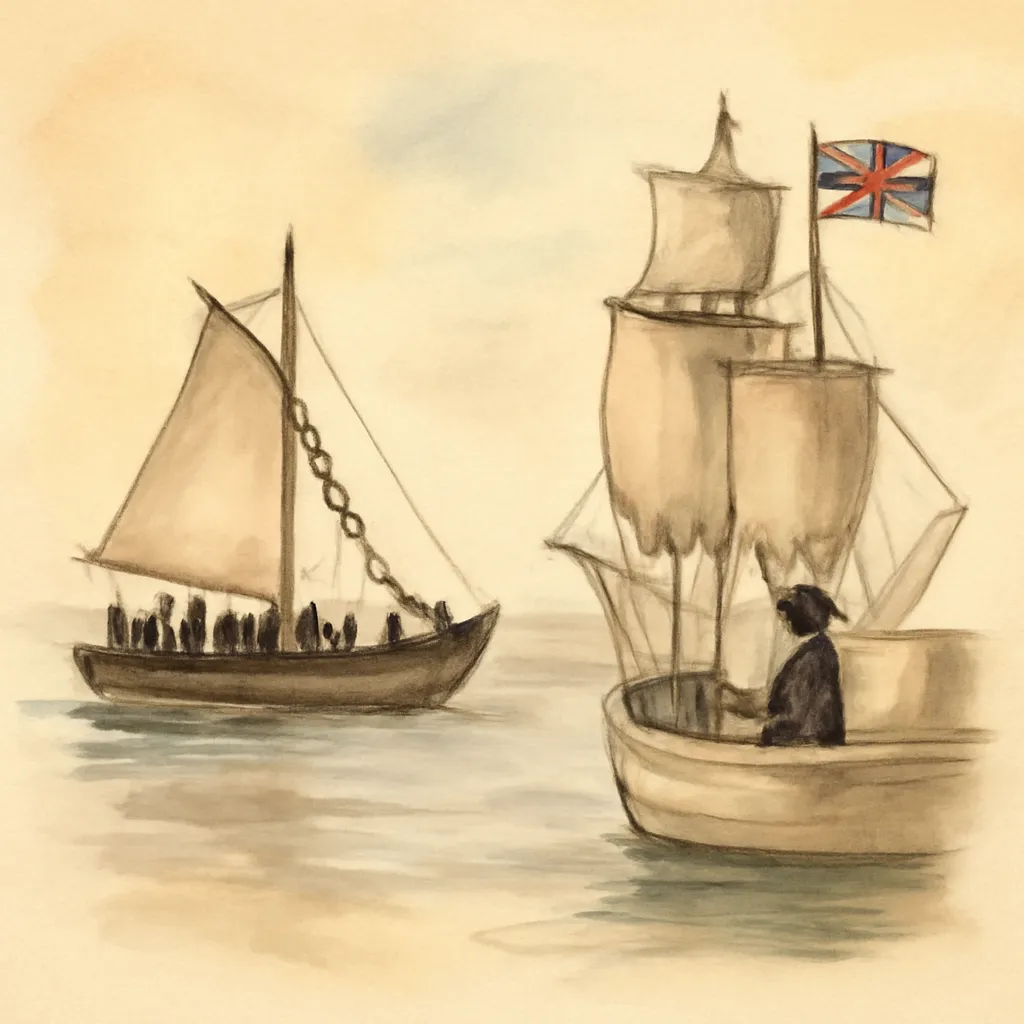
Hoffman’s encounters with the slave trade unveil the moral complexities of British naval operations during this period. As he commands a convoy of slave ships, he grapples with the ethical implications of his involvement in such a trade. The stark contrast between his experiences at sea and the lives of those enslaved prompts readers to confront the inhumanity of the practice and the complicity of the naval forces in perpetuating it. His visit to a Jamaican plantation offers a glimpse into the lives of enslaved individuals, raising questions about freedom, exploitation, and the responsibilities of those in power. This theme is pivotal, as it forces readers to reflect on the darker aspects of history that are often glossed over in tales of naval glory, emphasizing that the pursuit of profit came at a grave human cost. Hoffman's narrative invites a critical examination of the legacy of colonialism and oppression, urging readers to consider the moral responsibilities of those in positions of power.
7.The Thrill and Consequences of Naval Engagements
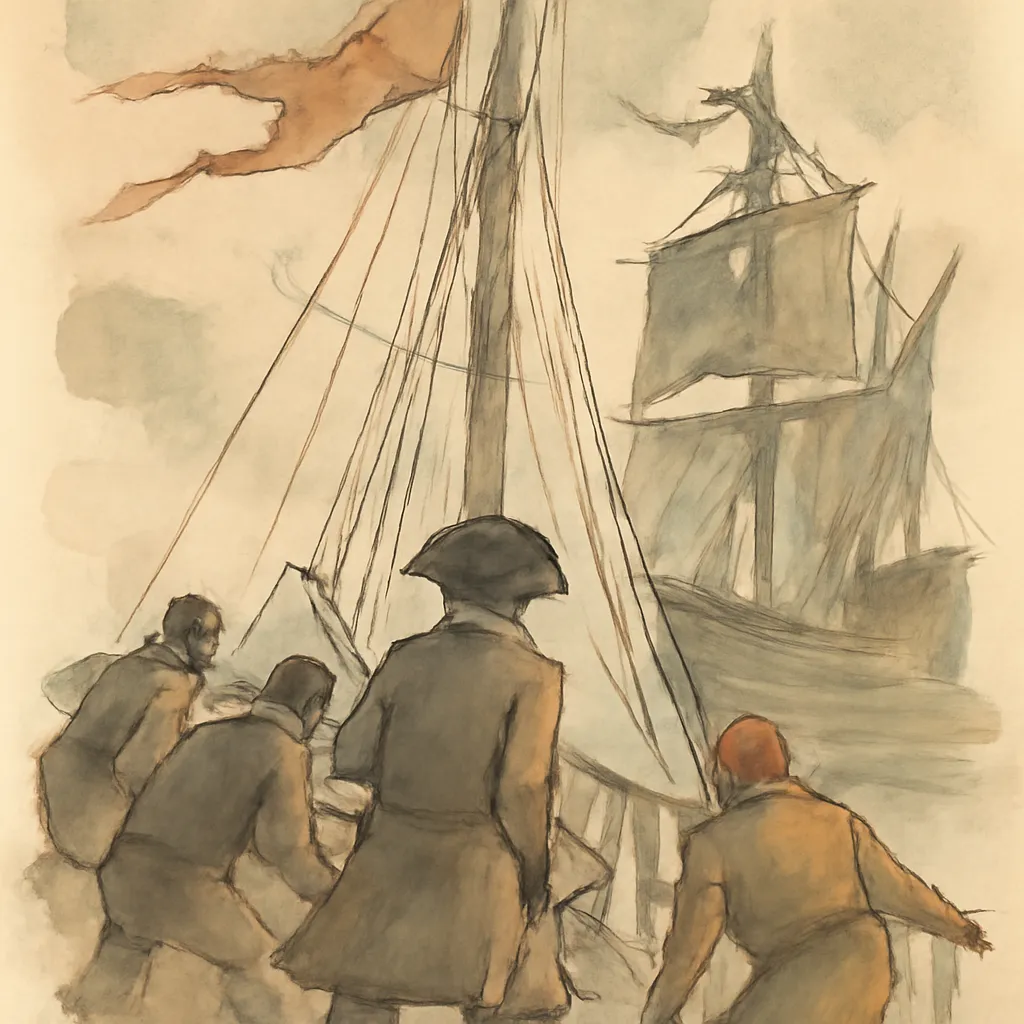
The excitement of naval engagements comes alive as Hoffman recounts various captures of enemy vessels, detailing not only the strategies employed but also the adrenaline experienced by the crew. His vivid descriptions of encounters with French privateers illustrate the high stakes of naval warfare, where each successful capture represents not just a tactical victory but also a potential windfall for the sailors. The thrill of battle is palpable, as Hoffman recounts the moments leading up to engagements, the chaos of cannon fire, and the camaraderie that develops during these high-stakes confrontations. Yet, these victories are tempered by the reality of loss and the mental toll such experiences exact. This duality captures the essence of naval warfare—where glory is often intertwined with sacrifice. Hoffman's engagement with this theme underscores the complexities of heroism at sea, illustrating that the pursuit of victory can come at a profound personal cost.
8.The Weight of Leadership in Times of Crisis
As Hoffman rises through the ranks, the responsibilities of leadership become more pronounced, revealing the challenges that accompany command. His experiences as a first lieutenant showcase the pressures of maintaining discipline and morale among the crew, particularly in the face of constant danger and uncertainty. Hoffman’s reflections on his decisions, such as initially declining to serve as first lieutenant, illustrate a deep self-awareness and an understanding of the complexities involved in leadership. The narrative conveys that effective leadership requires not only the ability to make strategic decisions but also the capacity for empathy and understanding. This theme resonates throughout the text, emphasizing that leadership is not merely about authority but also about the burden of making difficult choices that impact the lives of others, reinforcing the intrinsic link between leadership and moral responsibility.
9.Resilience in Captivity: A Study of Human Spirit
Hoffman’s time as a prisoner of war offers a poignant exploration of resilience and the human spirit in the face of adversity. His experiences, marked by unexpected kindness from captors and the challenges of captivity, highlight the complexities of human relationships even amidst conflict. Hoffman’s reflections on his time in captivity reveal a deep sense of gratitude for his eventual release, as well as a newfound appreciation for freedom and family. This chapter serves as a turning point in Hoffman's journey, showcasing how experiences of captivity can lead to personal growth and a re-evaluation of one's values. Through his narrative, readers witness the emotional weight of captivity and the bittersweet elation of reunion, reminding us of the fragility of freedom. Hoffman's resilience in the face of such trials is a powerful testament to the strength of the human spirit and the will to overcome.
10.Returning Home: The Challenge of Reintegration
As Hoffman returns to England after years of service, he faces the challenge of reintegration into civilian life, a moment filled with mixed emotions. His return is marked by a profound sense of nostalgia, as he reflects on the contrasting realities of life at sea and at home. The quiet of civilian life serves to highlight the significant changes he has undergone, both personally and professionally. Hoffman's reflections on family, duty, and the passage of time underscore the personal cost of his naval career, illustrating how the experiences at sea have irrevocably altered his worldview. This theme resonates deeply, capturing the bittersweet nature of returning home after significant trials. The narrative concludes with a sense of closure, yet it leaves readers contemplating the lasting impact of Hoffman's experiences at sea, inviting reflection on the true meaning of homecoming.