1.The Fragmentation of Identity
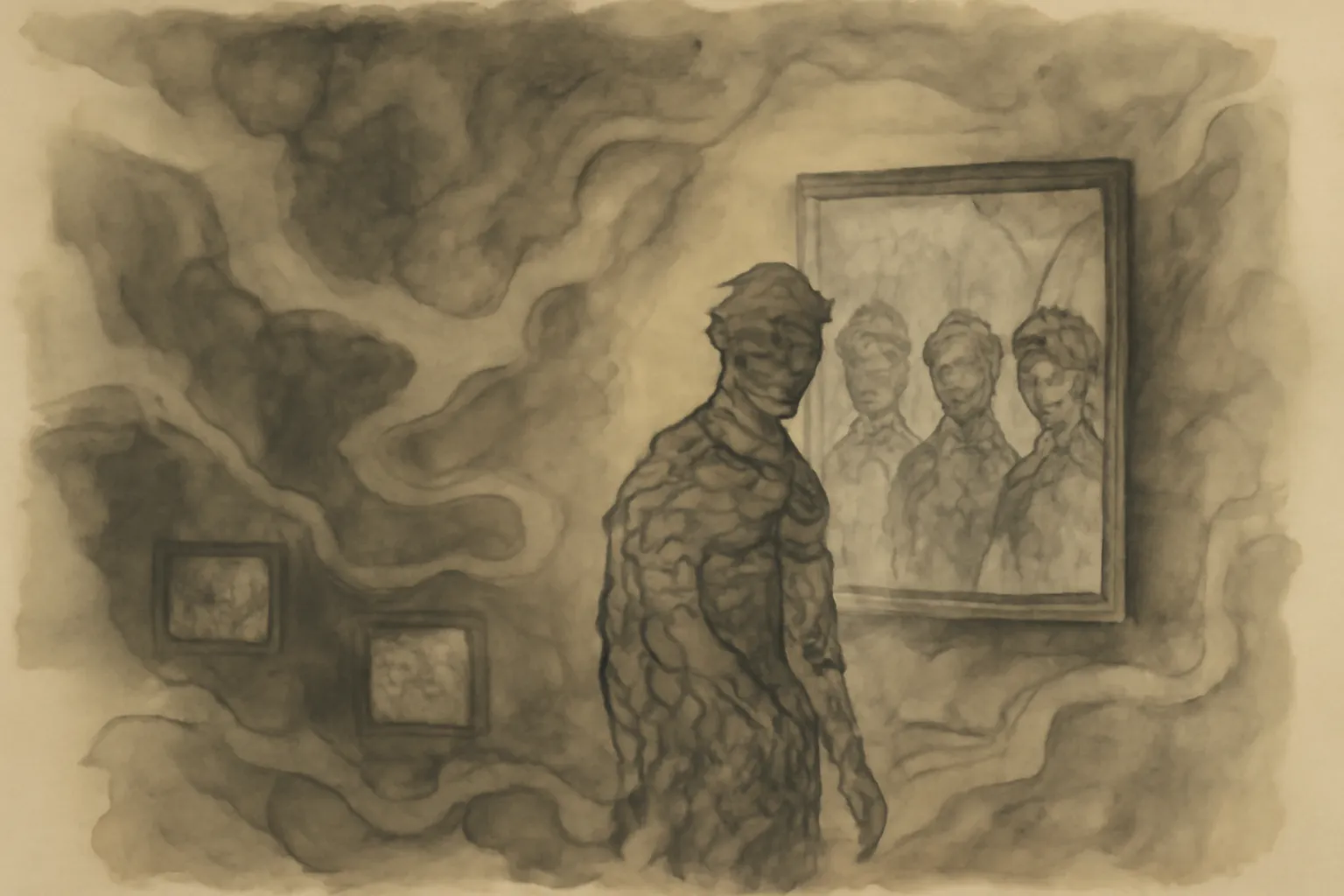
At the heart of the novel is Bob Arctor, an undercover narcotics agent whose dual life erodes his sense of self. The use of the 'scramble suit'—a device that constantly changes his appearance—symbolizes his fractured identity, but the real fragmentation comes from his addiction to Substance D. As Arctor surveils his own friends and himself, the boundaries between his undercover persona and his real self dissolve, raising questions about whether identity is stable or merely a performance shaped by context and chemical influence.
2.Addiction as Societal and Personal Collapse
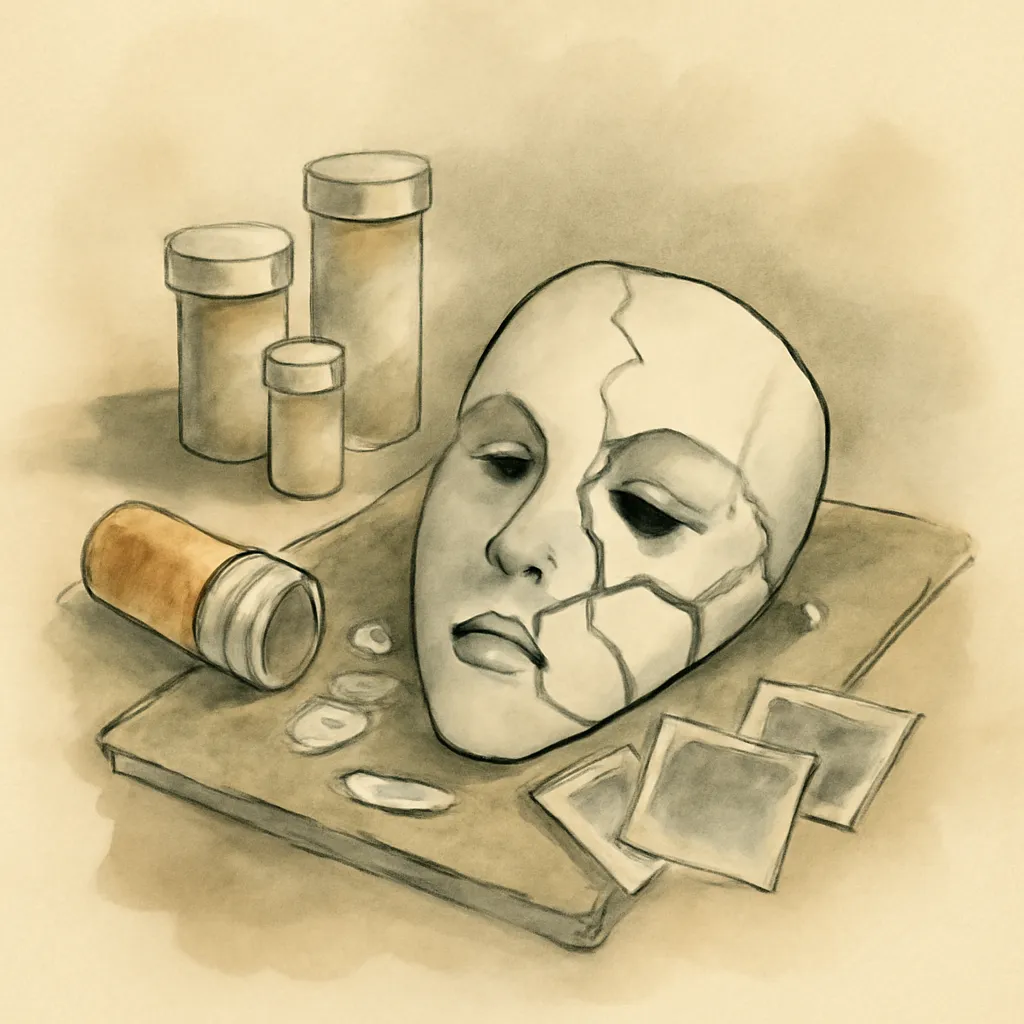
Dick’s portrayal of Substance D addiction is both harrowing and empathetic. The drug not only destroys individuals but also reflects the decay of the society around them. Through Arctor and his circle, Dick shows how addiction breeds paranoia, erodes trust, and ultimately leads to self-betrayal. The novel draws on Dick’s own experiences with drug culture, making its depictions emotionally authentic and unflinching in their honesty.
3.Surveillance and the Loss of Privacy
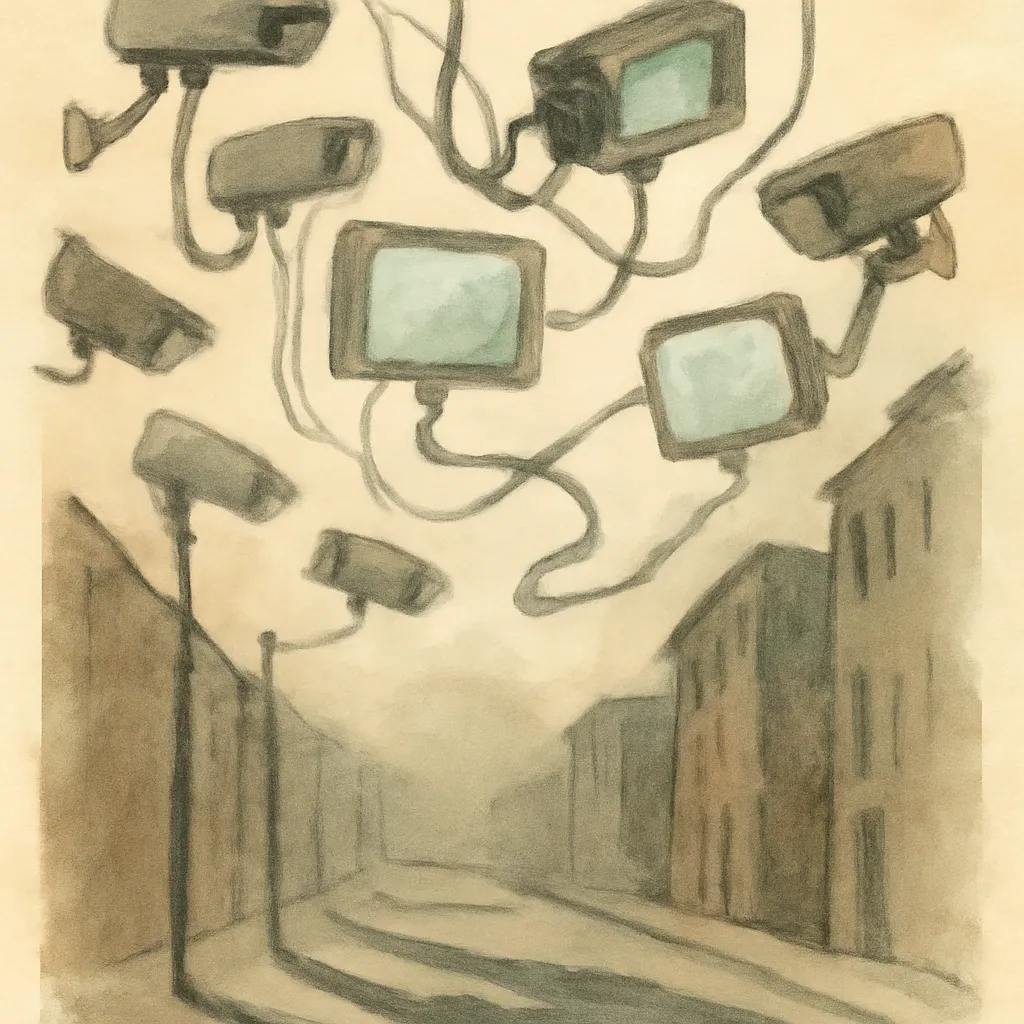
The world of A Scanner Darkly is saturated with surveillance technology, from hidden cameras to the scramble suit to the omnipresent threat of being watched by the authorities. Surveillance is not just a tool for law enforcement; it becomes a metaphor for self-alienation and the impossibility of authentic connection. The novel anticipates contemporary debates about privacy, suggesting that constant observation leads to a breakdown of trust and personal autonomy.
4.Reality, Paranoia, and Perception
Dick blurs the line between reality and hallucination, both for his characters and his readers. The effects of Substance D, combined with the stress of undercover work, make it increasingly difficult for Arctor to distinguish what is real. This confusion is mirrored in the narrative structure, which often leaves readers questioning what is actually happening. The novel explores how easily reality can be manipulated—by drugs, by authority, or by one’s own mind.
5.Empathy and the Tragedy of the Individual
Despite its bleakness, the novel is suffused with empathy for its damaged characters. Dick’s afterword dedicates the book to friends lost to drugs, underscoring the human cost of addiction. The story is less about crime and punishment than about the tragedy of people caught in systems—of addiction, surveillance, and bureaucracy—that care little for their well-being. This compassion elevates the novel beyond dystopian satire into a moving meditation on suffering and loss.