1.The Shattering of Family Identity
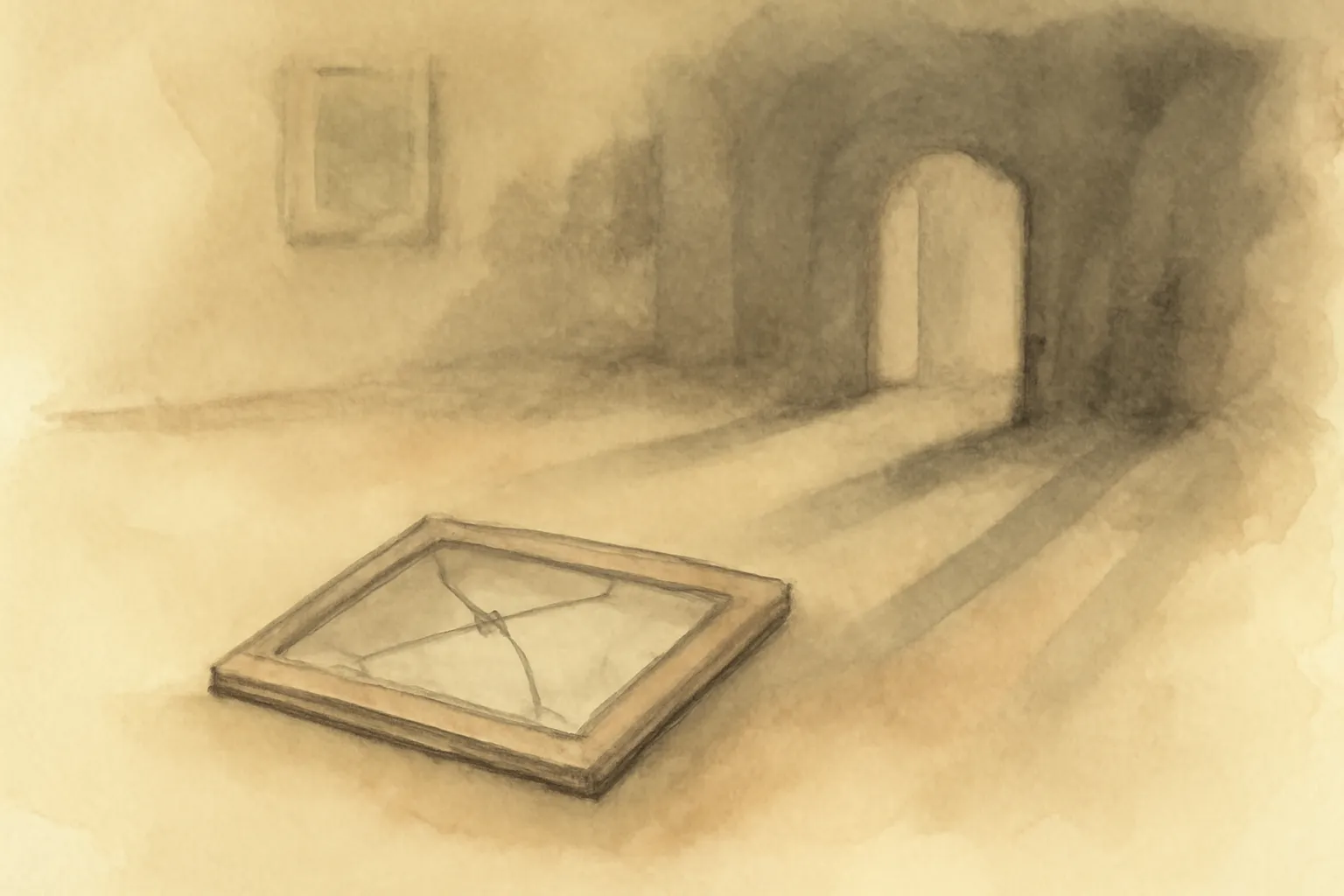
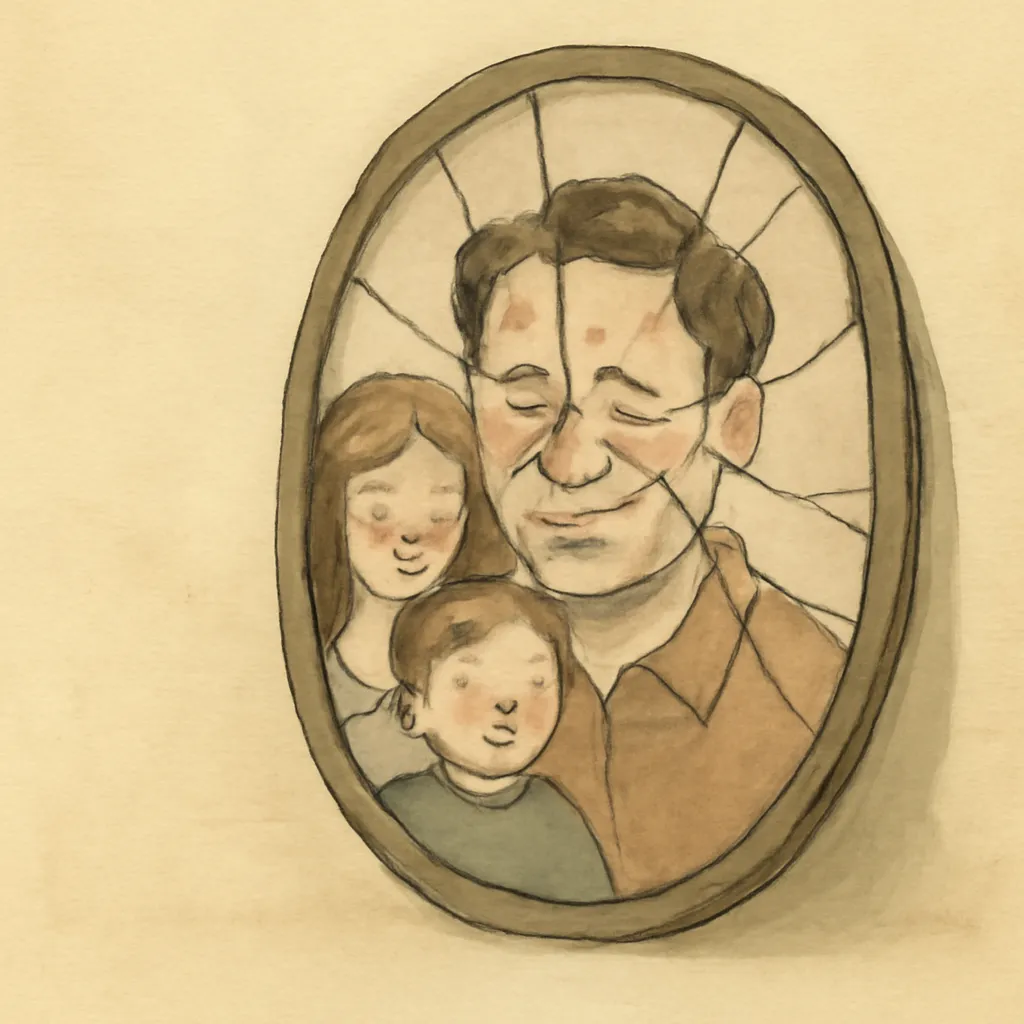
Rawson’s memoir explores how her father’s arrest as the BTK killer instantly destroyed her sense of family and personal identity. She recounts the shock and disbelief of learning that the loving, ordinary dad she knew was capable of horrific crimes. The narrative delves into the cognitive dissonance and grief that comes from reconciling cherished memories with horrifying truths, showing how trauma can fracture not just individuals, but the very foundations of family life.
2.The Unseen Victims of Crime
While the BTK’s victims and their families suffered the most direct harm, Rawson highlights how the families of perpetrators are also deeply affected. She describes the stigma, suspicion, and public scrutiny that fell on her and her family, as well as the guilt and shame she struggled with despite her innocence. The book broadens the conversation around true crime, reminding readers that the ripple effects of violence extend far beyond the headlines.
3.Faith and Forgiveness Amid Betrayal
Rawson’s journey is also one of spiritual struggle. Raised in a religious household, she wrestles with her faith in the wake of her father’s arrest, questioning everything she once believed. Over time, she explores forgiveness—not as excusing or forgetting, but as a way to reclaim her own life from the shadow of her father’s actions. Her story is a testament to the possibility of finding peace and meaning after profound betrayal.
4.The Complexity of Parental Love
A central tension in the memoir is Rawson’s enduring love for her father, despite his crimes. She does not excuse or minimize his actions, but she also refuses to erase the positive memories and affection she felt as a daughter. This nuanced portrayal challenges simplistic notions of good and evil, and invites readers to grapple with the uncomfortable reality that people are rarely all one thing.
5.The Long Road to Healing
Rawson details her ongoing process of healing, including therapy, support from loved ones, and her own writing. She candidly addresses the lasting effects of trauma—anxiety, nightmares, and trust issues—while also offering hope for recovery. Her story encourages others facing trauma to seek help and to believe in the possibility of rebuilding a meaningful life.
6.Reclaiming One’s Narrative
By telling her own story, Rawson resists being defined solely by her father’s crimes. The memoir is an act of agency, allowing her to reclaim her voice and identity. She underscores the importance of speaking out, both for her own healing and to help others in similar situations feel less alone.