1.Science as a Human Adventure
Bryson frames the history of science not as a dry list of facts, but as a series of human stories—full of eccentric personalities, lucky accidents, and dogged curiosity. He emphasizes that scientific knowledge is the result of countless individuals, often working in obscurity or facing ridicule, whose combined efforts have shaped our understanding of the world. This approach demystifies science, showing it as a profoundly human pursuit rather than an abstract authority.
2.The Unlikeliness of Existence
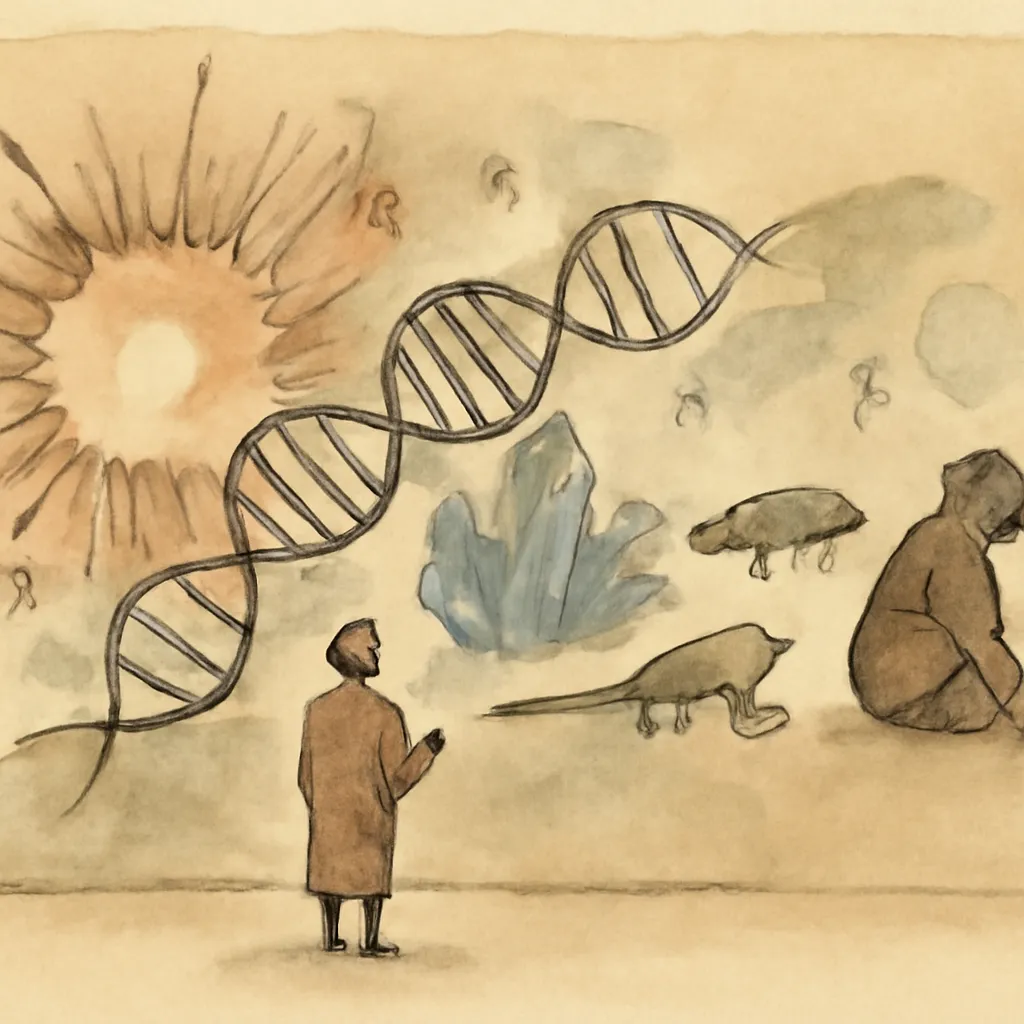
One of the book’s core themes is how staggeringly improbable our existence is. Bryson explores the narrow margins that allowed life—and particularly human life—to arise: from the precise conditions of the Big Bang, to the delicate balance of Earth’s atmosphere, to the random mutations driving evolution. He invites readers to marvel at the sheer luck and complexity required for us to be here, fostering both humility and wonder.
3.The Limits and Uncertainties of Knowledge
Bryson is candid about how much we still don’t know. Whether discussing the age of the Earth, the structure of atoms, or the fate of the universe, he highlights the gaps, debates, and shifting theories that characterize scientific progress. This honest portrayal encourages readers to see science as a dynamic, evolving process—one that thrives on questions as much as answers.
4.Interconnectedness of Scientific Fields
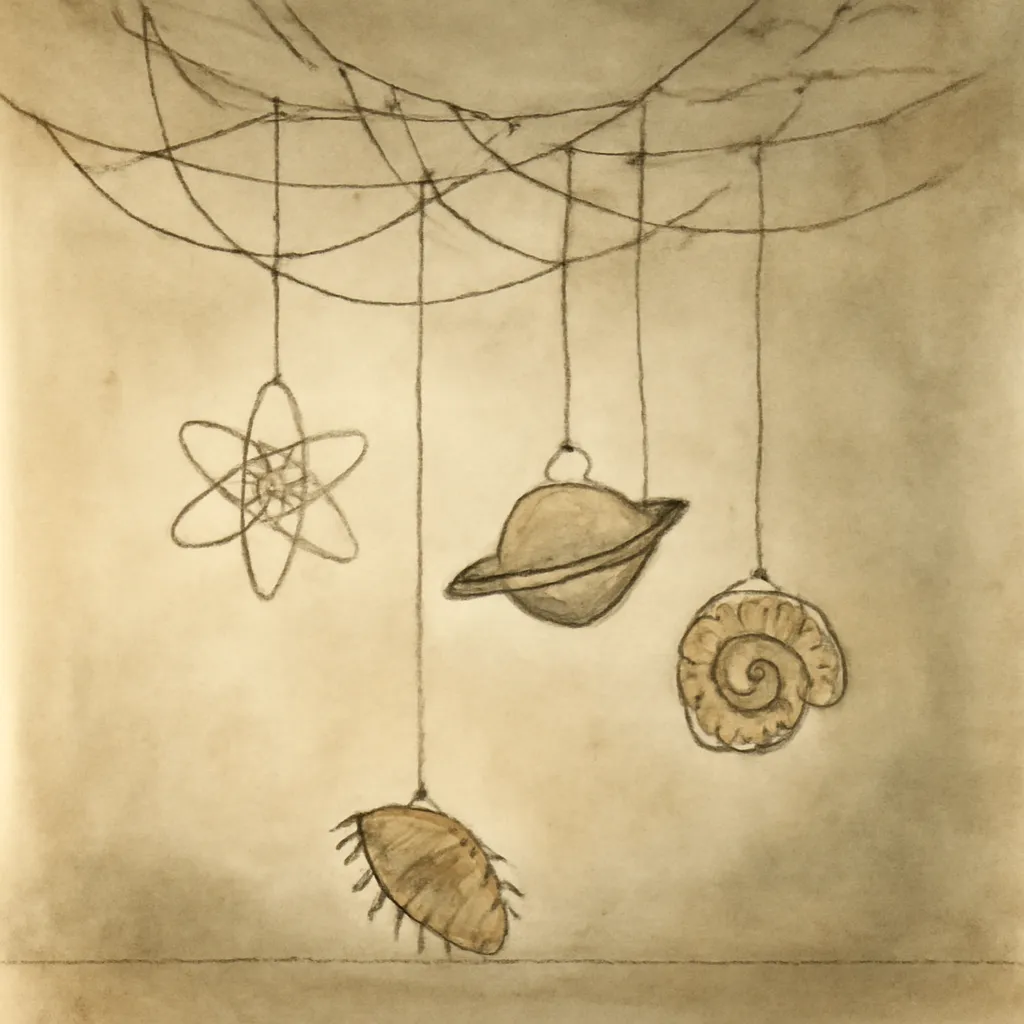
The book demonstrates how discoveries in one field often spark revolutions in others. Bryson weaves together astronomy, geology, chemistry, biology, and physics, showing how understanding the cosmos requires insights from each. This interconnectedness reveals the beauty and complexity of the natural world, and the necessity of cross-disciplinary thinking.
5.The Role of Curiosity and Wonder
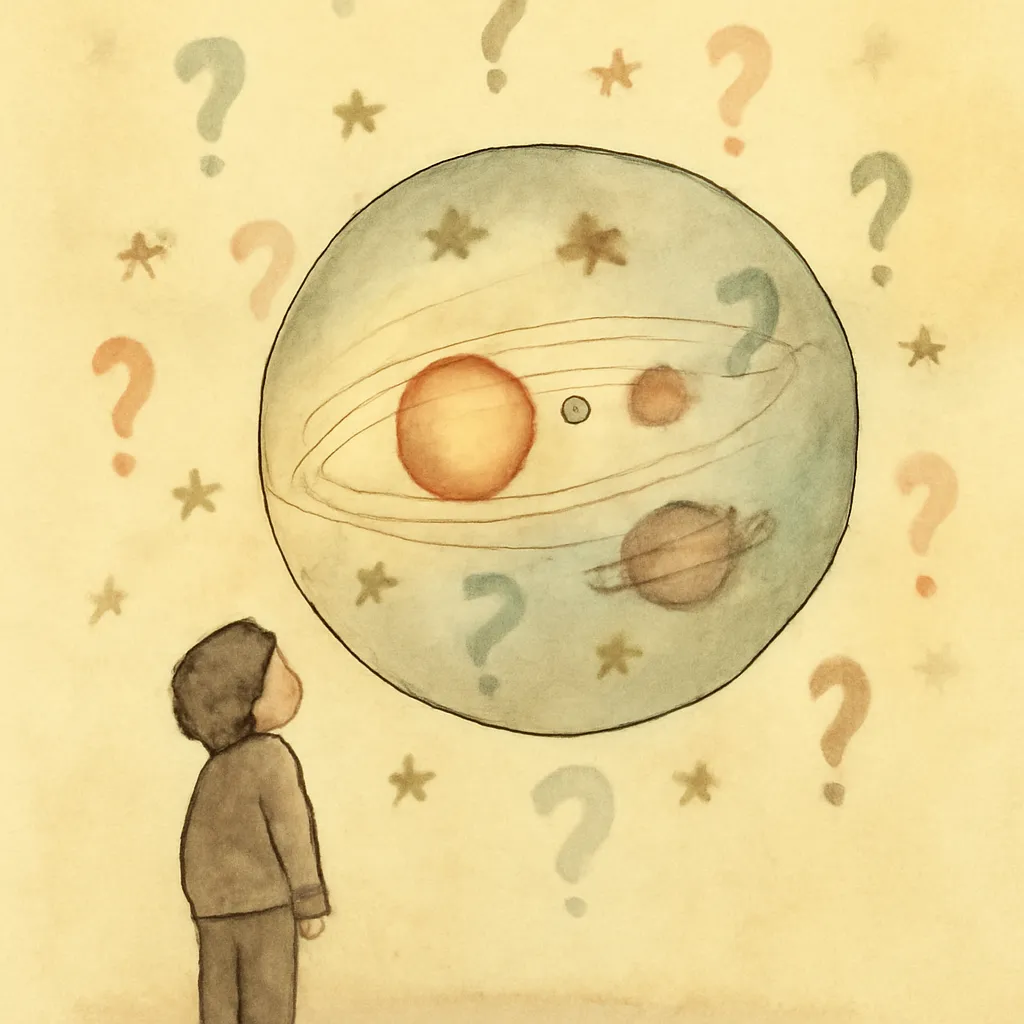
Throughout, Bryson returns to the idea that curiosity is the engine of discovery. He celebrates the sense of wonder that drives scientists to ask big questions and persist in the face of uncertainty. By rekindling this childlike curiosity in readers, he makes science approachable and exciting, rather than intimidating.
6.Humor and Accessibility in Science Communication
Bryson’s trademark wit and storytelling skill make daunting topics like quantum mechanics and plate tectonics not just understandable, but enjoyable. He uses humor to deflate scientific pretension and to make even the most complicated ideas memorable. This style invites a broad audience into conversations often reserved for specialists.