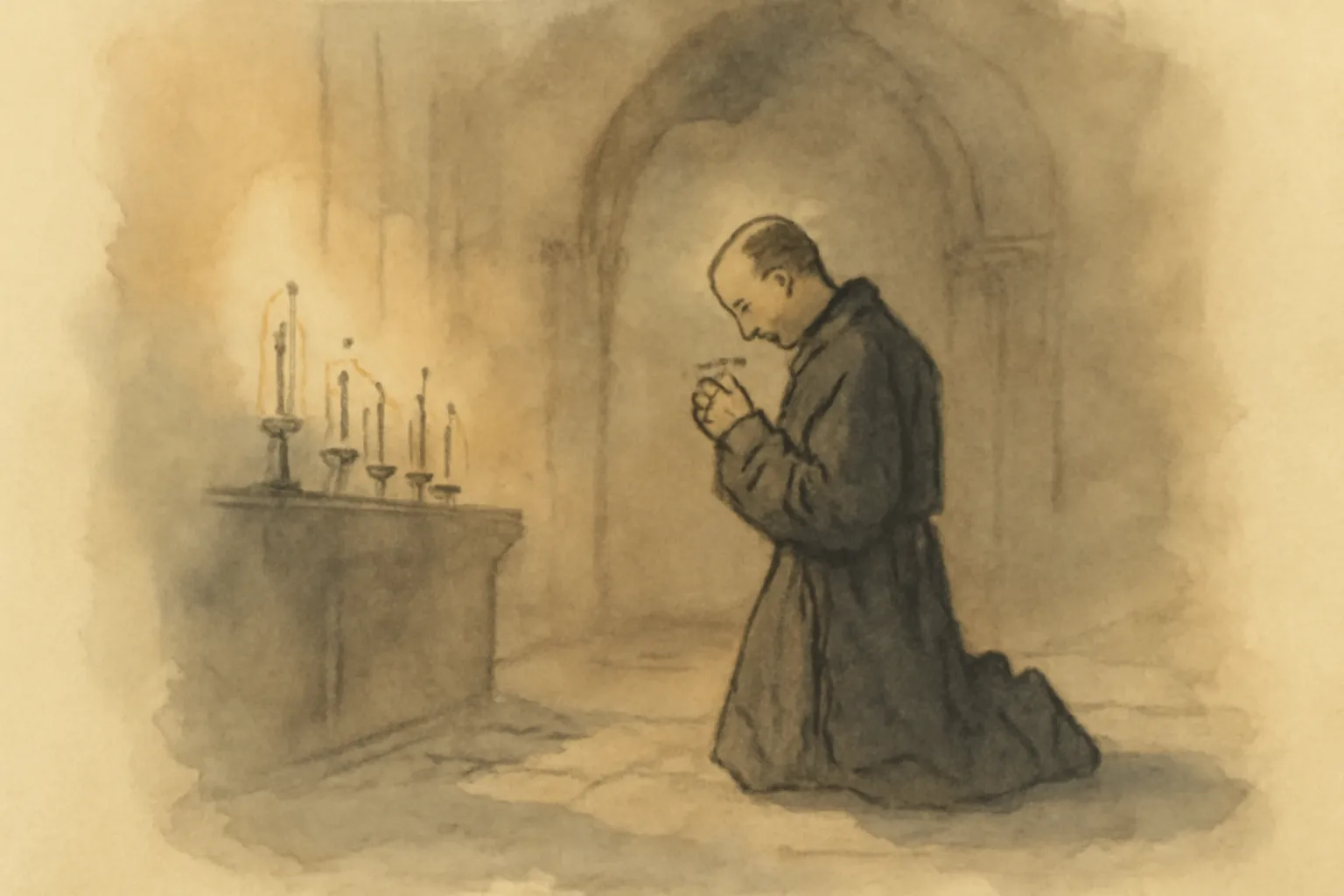
1.The Burden of Responsibility
Dorriforth, a Roman Catholic priest, embodies the struggle between personal desires and the responsibilities imposed by his vocation. Tasked with the guardianship of Miss Milner after the death of his close friend, he feels the weight of this duty acutely. His commitment to moral integrity and the welfare of Miss Milner conflicts with his growing affection for her, creating an internal struggle that defines his character. Despite his religious vows, Dorriforth seeks to protect Miss Milner from the dangers of society while grappling with his own feelings. This tension highlights the theme of responsibility versus desire, illustrating how personal obligations can complicate emotional connections. Dorriforth's internal turmoil is not just a reflection of his character but also serves as a broader commentary on the societal expectations placed upon individuals in positions of moral authority.
2.Miss Milner's Transformation

Miss Milner's character evolves significantly throughout the novel, reflecting the complexities of youthful exuberance and the harsh realities of societal expectations. Initially portrayed as a vivacious and carefree young woman, her experience of loss and subsequent guardianship under Dorriforth catalyzes a transformation. After the death of her father, she enters a world where her beauty and charm are both her greatest assets and her most significant vulnerabilities. The shift from carefree youth to a more reflective and restrained individual is central to her character development. As she navigates her new life in London, the influences of her social circle and her interactions with Dorriforth challenge her understanding of love and duty. Inchbald masterfully depicts this transition, emphasizing the impact of external circumstances on personal identity. Her gradual awakening to the implications of her actions serves as a poignant reminder of how personal growth often arises from adversity.
3.The Complexity of Love
A Simple Story delves into the multifaceted nature of love, portraying it as both a source of joy and a cause of turmoil. Dorriforth's love for Miss Milner is complicated by his role as her guardian and his religious vows, creating a tension that permeates their interactions. His affection is juxtaposed with the societal norms that dictate their relationship, leading to moments of emotional conflict. The presence of Lord Frederick Lawnly, who represents the allure of romantic love free from moral obligations, further complicates Miss Milner's feelings. The narrative explores how love can be both redemptive and destructive, shaping the characters' choices and their ultimate fates. Inchbald illustrates the notion that love cannot be confined to simple definitions; it is a complex emotion influenced by context, duty, and personal aspirations.
4.Societal Expectations and Individual Desires

The novel paints a vivid picture of the societal norms of the time, which dictate the behavior and choices of its characters. Dorriforth's commitment to his priestly duties and Miss Milner's behavior are heavily influenced by the expectations of their social milieu. Miss Milner's beauty and charm attract numerous admirers, yet these very qualities complicate her relationship with Dorriforth, who fears for her virtue amidst the temptations of society. The pressure to conform to societal standards often leads to internal conflict, as characters struggle to balance their personal desires with the roles imposed upon them. Inchbald critiques these societal norms, revealing how they can stifle individual happiness and lead to tragic outcomes. The struggle between societal expectations and individual desires is poignantly illustrated through Dorriforth's reluctance to act on his feelings for Miss Milner, as he is constantly aware of the moral implications of his position.
5.Friendship and Loyalty
Friendship plays a crucial role in A Simple Story, particularly through the bond between Miss Milner and Miss Woodley, her confidante. Miss Woodley serves as a moral compass for Miss Milner, guiding her through the complexities of love and societal expectations. Their friendship is characterized by loyalty, compassion, and mutual support, contrasting with the often tumultuous relationships surrounding them. This dynamic underscores the importance of friendship as a source of strength and guidance in navigating life's challenges. Miss Woodley's unwavering support for Miss Milner, despite the latter's reckless behavior, highlights the theme of loyalty in relationships. Their interactions reveal that true friendship is not merely about shared joys but also about providing counsel during moments of personal crises.
6.The Role of the Guardian

Dorriforth's role as a guardian is central to the narrative, shaping the trajectory of Miss Milner's life and their relationship. His position carries both power and vulnerability, as he must balance his duties with his growing affection for her. The guardianship dynamic complicates their relationship, as Dorriforth grapples with the implications of his feelings in the context of moral obligations. He is faced with the reality that his affection for Miss Milner could be perceived as inappropriate, leading to a self-imposed distance. This power imbalance raises questions about autonomy, choice, and the ethical responsibilities of guardians. Inchbald uses this dynamic to explore themes of control and the impact of authority on personal relationships, ultimately questioning the effectiveness of societal structures designed to protect individuals. Dorriforth's struggle can be seen as a critique of patriarchal systems that often limit personal freedom in favor of societal norms.
7.Conflict and Resolution

The narrative is rife with conflict, both internal and external, as characters navigate their emotions and societal pressures. Dorriforth's internal conflict regarding his feelings for Miss Milner serves as a driving force in the plot, leading to moments of tension and misunderstanding. Externally, the pressures of society and the expectations placed upon them create additional layers of conflict, complicating their relationship further. The presence of Lord Frederick Lawnly serves as an external threat, bringing to the forefront Dorriforth's fears of losing Miss Milner to a man who represents the very societal temptations he seeks to shield her from. Inchbald employs these conflicts to propel the story forward, culminating in resolutions that challenge the characters' beliefs and desires. The resolution does not simply restore order; it forces characters to confront the consequences of their choices, highlighting the complexities of human relationships. This exploration of conflict enriches the narrative, as characters must navigate not only their emotions but also the societal structures that govern their lives.
8.The Impact of Loss
Loss is a recurring theme in A Simple Story, profoundly affecting the characters' development and decisions. Miss Milner's grief over her father's death serves as a catalyst for her transformation, influencing her behavior and emotional state. Dorriforth's loss of his close friend, who entrusted him with Miss Milner's care, adds another layer of complexity to his character. The weight of these losses shapes their interactions and decisions, underscoring the emotional toll of grief. Inchbald poignantly illustrates how loss can lead to both growth and despair, compelling characters to reassess their values and priorities in the face of tragedy. Miss Milner's initial sorrow transitions into a desire for independence and self-discovery, as she grapples with her new reality. The exploration of loss deepens the emotional resonance of the narrative, inviting readers to reflect on how grief can alter perceptions and choices.
9.Moral Ambiguity
A Simple Story navigates the murky waters of moral ambiguity, challenging readers to consider the complexities of right and wrong. Dorriforth's struggle to adhere to his religious vows while harboring feelings for Miss Milner raises ethical questions about desire and duty. Similarly, Miss Milner's flirtations with societal norms often place her in morally questionable situations, leading to moments of reckoning. The characters are frequently confronted with choices that force them to weigh their personal inclinations against their moral obligations, resulting in a rich tapestry of ethical dilemmas. Inchbald invites readers to reflect on the nuances of morality, illustrating that human emotions cannot be easily categorized as good or bad. This exploration of moral ambiguity adds depth to the characters and encourages a more profound understanding of their motivations, making readers question the validity of societal norms that dictate behavior.
10.Redemption and Forgiveness
The themes of redemption and forgiveness are woven throughout the narrative, particularly in the relationships between Dorriforth, Miss Milner, and their respective choices. Dorriforth's journey is marked by moments of self-reflection and the potential for redemption as he navigates his feelings for Miss Milner. His eventual understanding of the complexities of love and duty allows for a path toward forgiveness, both for himself and for Miss Milner. The narrative suggests that redemption is possible, even in the face of societal judgment and personal failure. The characters' journeys illuminate the idea that recognizing one's shortcomings and striving for moral improvement is a form of grace. Inchbald's treatment of these themes underscores the importance of compassion and understanding in the pursuit of happiness, suggesting that true resolution lies not in the absence of conflict but in the ability to forgive oneself and others.
11.The Struggle for Autonomy
In A Simple Story, both Dorriforth and Miss Milner grapple with issues of autonomy, particularly as they navigate societal expectations and personal desires. Dorriforth's commitment to his priestly duties often constrains his personal desires, leading him to question his own autonomy. His internal battle highlights the tension between individual desires and societal or religious obligations, raising questions about the true nature of freedom. Conversely, Miss Milner's struggle for autonomy is often eclipsed by her romantic entanglements and societal pressures. Her journey reflects a quest for self-identity amidst the chaos of love and duty. This duality of experience underscores the universal struggle for autonomy, making the characters' journeys relatable and poignant. Inchbald presents autonomy not just as a personal right but as a complex interplay of societal, familial, and romantic influences that shape one's choices.