1.The Church's Evolution Amidst Empire
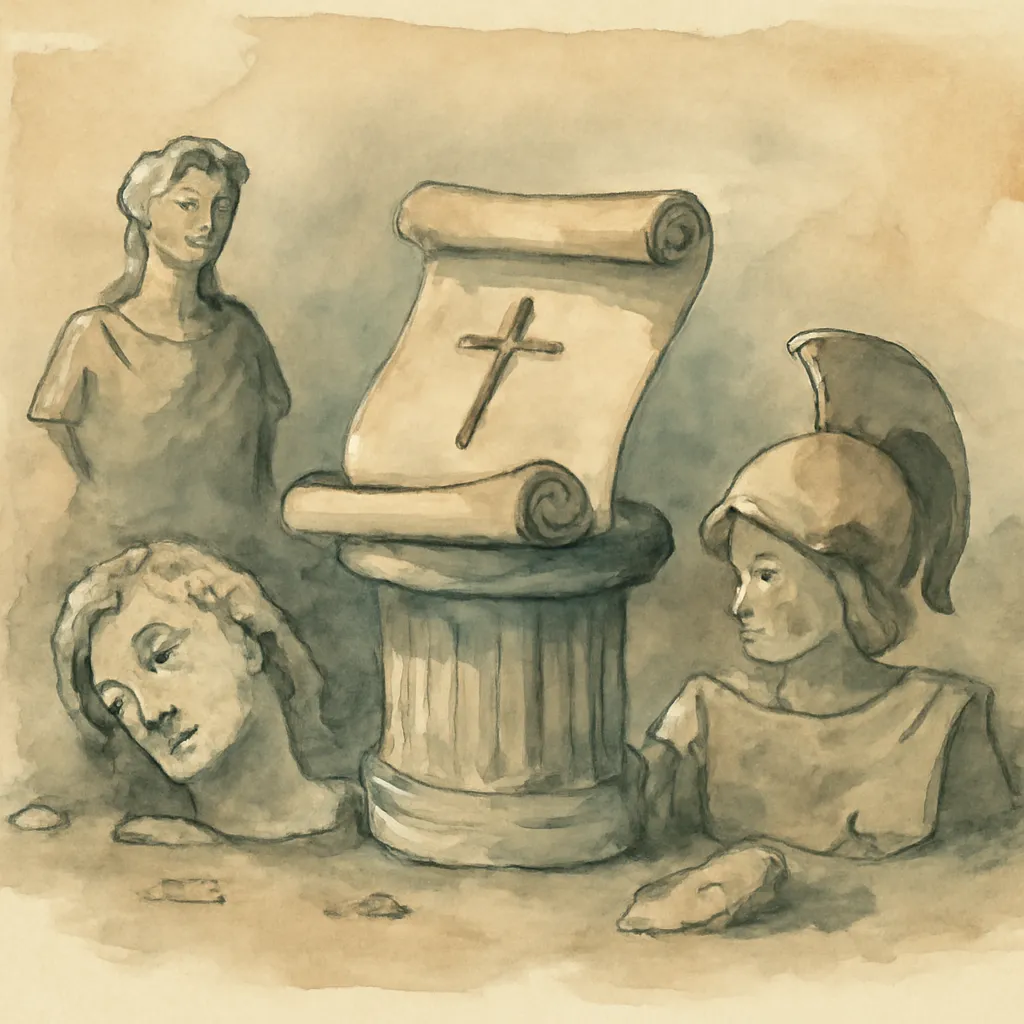
In the second century, Christianity experienced rapid expansion across the Roman Empire, marking a significant evolution in its relationship with the prevailing heathen culture. Initially, Christians faced sporadic persecutions, which intensified as the Church gained prominence. This era was characterized by a growing perception of Christians as malefactors, leading to a defensive posture within the Church. In response to the increasing hostilities, early Christian thinkers began to articulate a robust apologetic defense against the critiques of heathen philosophers and institutions. This defense not only sought to justify the Christian faith but also aimed to establish its legitimacy within the broader cultural context of the Empire. Tertullian, a key figure of this time, emphasized the universality of Christ's message, arguing that all nations had come to believe in the Christ who had already come. His writings reflect the Church's struggle to assert its identity and beliefs in a hostile environment, laying the groundwork for a more organized ecclesiastical structure.
2.The Internal Crisis of the Second Century
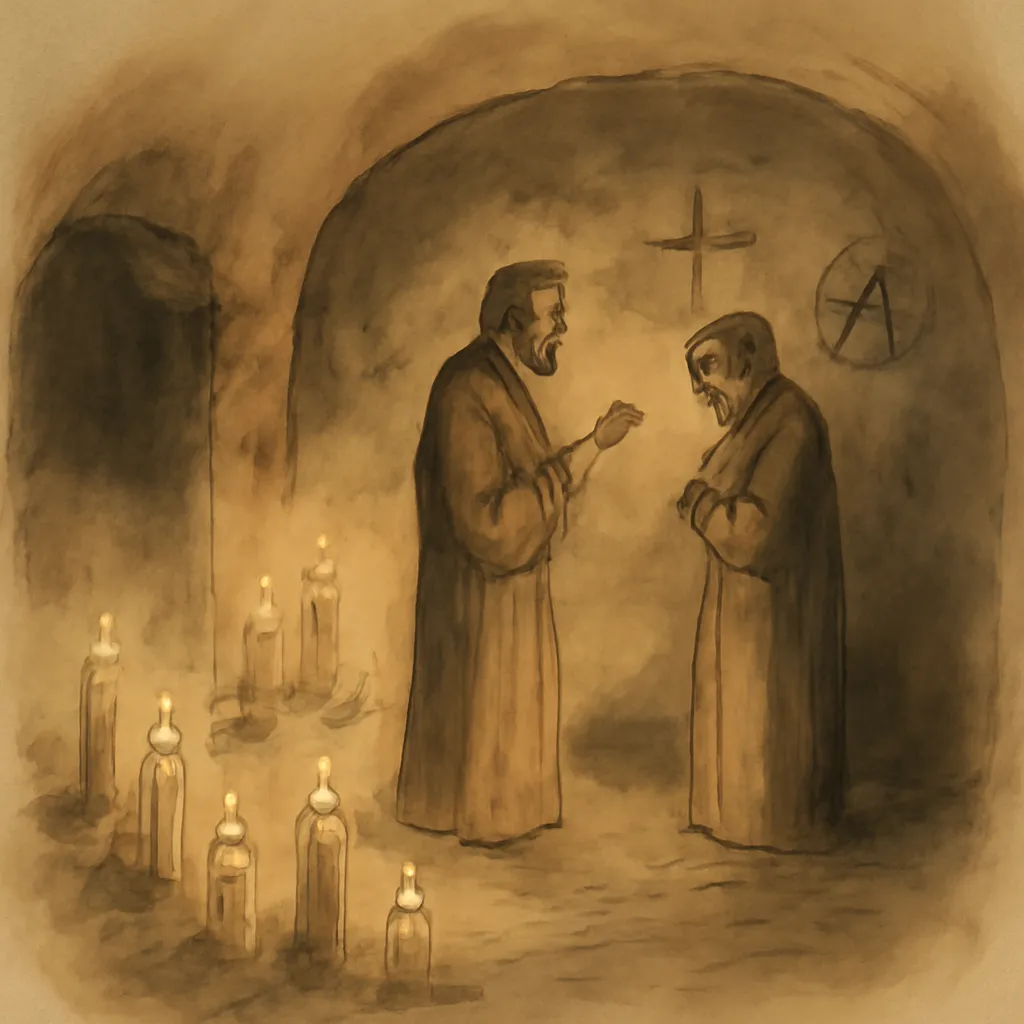
The second century also marked a period of internal crisis for the Church, primarily due to the rise of Gnosticism and other heretical sects. This internal turmoil was exacerbated by the absence of universally accepted norms of faith, leading to a proliferation of interpretations of Christian teachings. Many adherents embraced Christianity without a true understanding of its tenets, often filtering their beliefs through pre-existing philosophical or religious frameworks. Gnosticism, with its syncretistic nature, presented a significant challenge to orthodox Christianity, as it incorporated elements from various religious traditions, including Persian dualism and Hellenistic philosophy. The Church's response to these heretical movements was multifaceted, involving the establishment of councils to address doctrinal disputes and the development of a more defined orthodoxy based on apostolic tradition. This struggle for doctrinal purity was not merely about theological correctness; it was essential for maintaining the unity and identity of the Church in a rapidly changing religious landscape.
3.Defending Orthodoxy Against Heresy
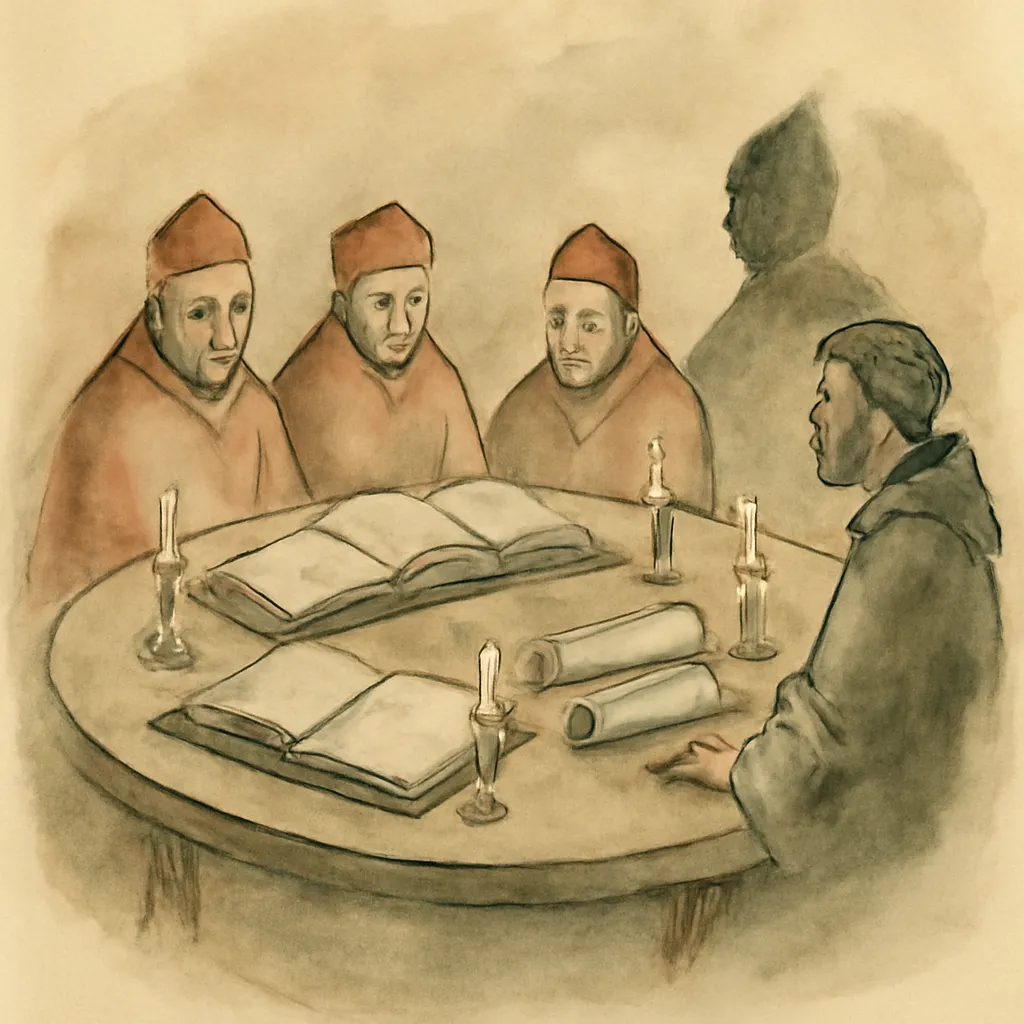
As heresies proliferated, the Church recognized the need for a structured defense against these divergent beliefs. Early ecclesiastical councils emerged as crucial forums for addressing and condemning heretical doctrines. These gatherings of bishops aimed to establish fixed norms and definitive authorities, drawing upon apostolic tradition and the continuity of the episcopal office. Through these councils, the Church sought to clarify what constituted orthodoxy and to delineate the boundaries of acceptable belief. The apostolic faith, encapsulated in the Apostles' Creed, became a reference point for orthodoxy, enabling the Church to expel prominent heretical movements like Gnosticism. This process of defining orthodoxy not only strengthened the Church's internal cohesion but also facilitated its eventual alignment with the imperial authority, as both entities sought stability and order amidst the chaos of competing beliefs.
4.The Birth of Catholic Theology
The development of Catholic theology marked a significant milestone in the Church's history, distinguishing it from traditional theological interpretations of the time. This new theological framework sought to articulate the beliefs held by Christians using the precise language of contemporary philosophy, thereby integrating reason with faith. Two primary schools of thought emerged: the apologetic conception of Christianity as a revealed philosophy and the Asia Minor school, which emphasized salvation from sin and corruptibility. The apologetic approach framed Christianity as a comprehensive revelation of divine knowledge, moral law, and the promise of eternal life. In contrast, the Asia Minor school highlighted the transformative power of the Incarnation, emphasizing its role in granting humanity divine incorruptibility. These emerging theological perspectives not only enriched the Church's doctrinal foundations but also paved the way for future theological debates and the establishment of a more systematic understanding of Christian beliefs.
5.Political and Religious Dynamics Under Roman Rule
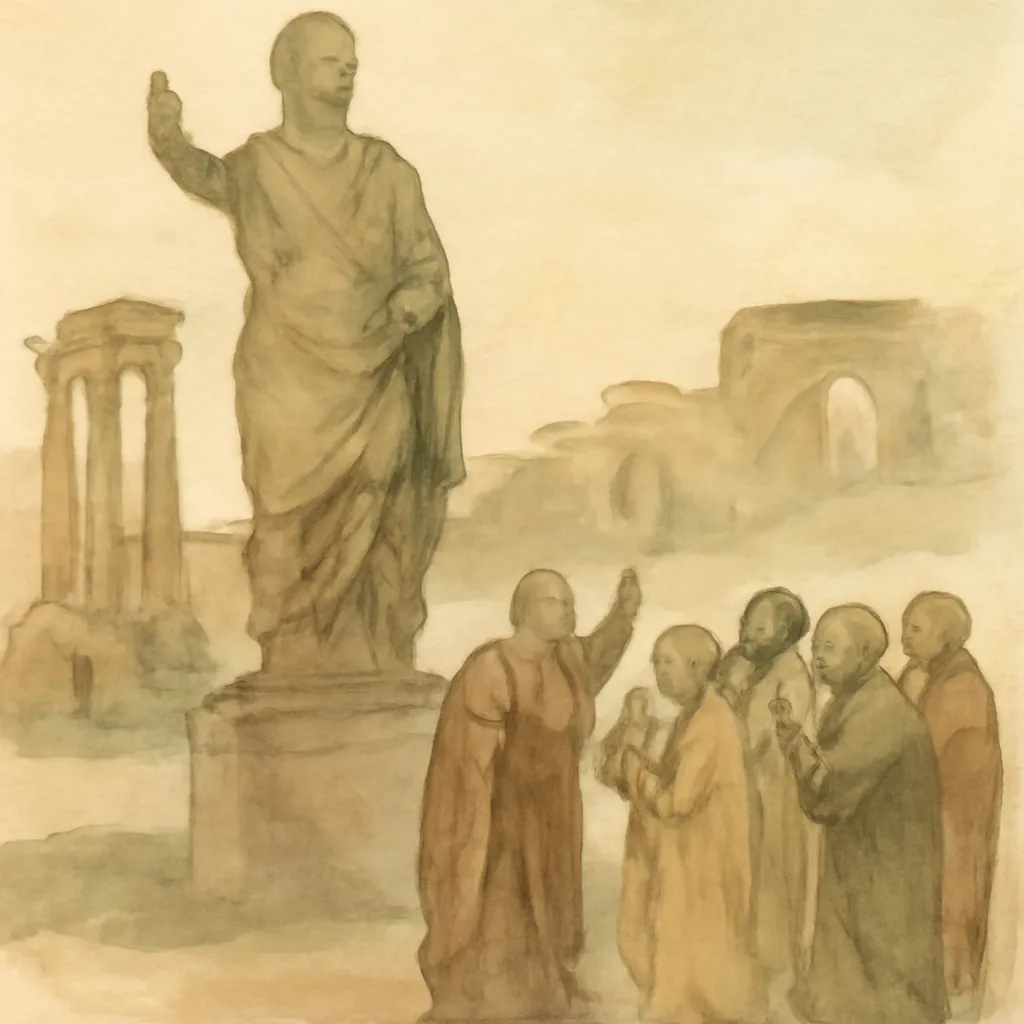
The relationship between the Church and the Roman Empire evolved significantly during the reigns of various emperors, particularly Septimius Severus and Caracalla. While initially, Christians enjoyed a degree of favor, this changed as the Empire faced increasing internal and external pressures. The Church's growth coincided with a rise in religious syncretism, where various cults, including Christianity, began to intermingle within the imperial milieu. The political landscape became increasingly hostile towards Christians, particularly during the reign of Decius, who initiated the first systematic persecution of Christians. This period of persecution tested the resolve of the Church, leading to significant schisms and disputes regarding the administration of discipline. The Church's ability to navigate these challenges was pivotal in shaping its identity and organizational structure, ultimately leading to a more defined ecclesiastical hierarchy.
6.The Long Peace and Its Theological Developments

Following the Decian-Valerian persecution, the Church entered a prolonged period of relative peace, which lasted until the onset of Diocletian's persecution. This era allowed the Church to consolidate its theological advancements and refine its organizational structure. The earlier forms of Monarchianism began to fade, and discussions surrounding Christology intensified, particularly concerning the relationship between divine and human natures. During this time, the cultus of the Church evolved, reflecting a growing hierarchical organization that placed bishops at the forefront of ecclesiastical authority. However, the peace was not without its challenges; the Church faced the influx of converts from paganism, which diluted its moral and spiritual rigor. In response, the Church sought to elevate its moral standards through monasticism and charitable works, aiming to counteract the negative influences of new converts and maintain its spiritual integrity.
7.The Last Great Persecution: Diocletian's Reign
The last great persecution of Christians, initiated by Diocletian, marked a culmination of tensions between the Church and the Roman state. This persecution was unprecedented in its severity and scope, lasting nearly ten years and resulting in widespread suffering among Christians. The renewed vigor of the imperial administration under Diocletian allowed for a more systematic approach to suppressing Christianity, leading to significant challenges for the Church. Many Christians, unprepared for such intense scrutiny and persecution, succumbed to the pressures and lapsed from their faith. This period of suffering led to further schisms within the Church, particularly regarding the administration of discipline and the treatment of those who had renounced their faith. The aftermath of Diocletian's persecution set the stage for future ecclesiastical reforms and the eventual acceptance of Christianity within the imperial framework.
8.The Rise of Constantine and the Church's New Status
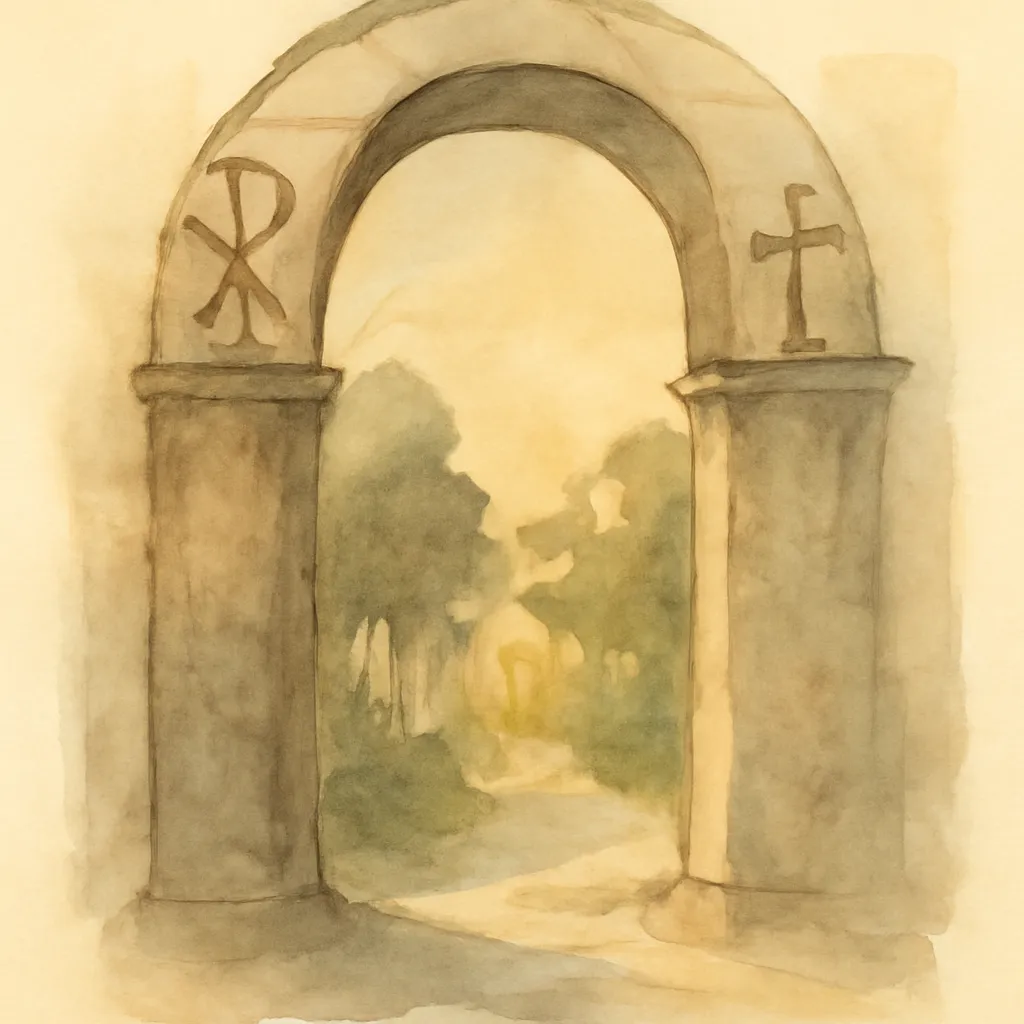
With the ascension of Constantine, the Church experienced a dramatic shift in its status, transitioning from a persecuted sect to a favored institution within the Roman Empire. Constantine's policies favored Christianity, granting it privileges previously reserved for pagan religions. However, this newfound favor came with its own set of challenges, as Constantine sought to balance the interests of the Christian minority with those of the pagan majority. His efforts to promote unity within the Church were met with resistance, as various factions vied for influence and recognition. Constantine's establishment of the Council of Nicaea in 325 exemplified his commitment to addressing theological disputes and fostering unity among Christians. This council aimed to clarify the nature of Christ and the relationship between the Father and the Son, laying the groundwork for future theological discourse and the development of the Nicene Creed, which would become a cornerstone of Christian orthodoxy.
9.The Transition to a Unified Church and State
As the Church solidified its position within the Empire, the relationship between ecclesiastical and secular authority underwent significant transformation. The period from Constantine's reign to the death of Theodosius I marked the establishment of the Church as a state institution, intricately linked to the imperial authority. During this time, the Church's hierarchical organization became more defined, with clergy serving not only as spiritual leaders but also as officials in the administration of justice. This integration of Church and state facilitated the spread of Christian ethics into Roman law, although it also led to challenges as the influx of converts from pagan backgrounds sometimes diluted the Church's moral standards. The rise of monasticism during this period represented a response to these challenges, as monks sought to embody a higher moral life and counteract the secular influences on the Church. This complex interplay between Church and state would shape the future of Christianity in the West, affecting its institutional structures and theological developments.
10.The Foundations of the Western Church in the Fifth Century
The fifth century was a pivotal time for the Western Church, as it faced the dual challenges of internal strife and external threats from barbarian invasions. St. Augustine emerged as a dominant theological figure during this period, shaping the Church's understanding of sin, grace, and the sacraments. His writings addressed the controversies surrounding Donatism and Pelagianism, providing a clearer articulation of the Church's doctrine and its role in the salvation of humanity. The Roman See, particularly under the leadership of Innocent I and Leo the Great, became a central authority amid the chaos, asserting its influence over the fragmented ecclesiastical landscape. The Church's ability to navigate these challenges laid the groundwork for its future cohesion and authority, ultimately establishing the papacy as a leading force in Western Christendom.