1.The Birth of Russian Literature and the Introduction of Christianity
The introduction of Christianity to Russia in 988 marks a profound turning point in the development of Russian literature. Grand Prince Vladimir's conversion not only transformed the spiritual landscape of the nation but also initiated the establishment of written language and education. He invited priests from Byzantium, who brought with them religious texts, ecclesiastical knowledge, and the Cyrillic alphabet. This moment introduced the first known authors to the Russian literary scene, such as Ilarion and Luka Zhidyata, who produced works that were deeply intertwined with Christian doctrine. Ilarion's 'A Word Concerning the Law' discusses the philosophical divide between Judaism and Christianity, showcasing his ability to articulate complex theological concepts in a manner comprehensible to the layperson. Furthermore, this early literature laid the groundwork for a culture that highly valued education, with ecclesiastical literature becoming the foremost genre and influencing subsequent generations of Russian writers.
2.The Role of Monasteries in the Ancient Period
With the spread of Christianity, monasteries became the primary centers of learning and literary production in Russia. During the period following the introduction of Christianity and leading up to the Tatar invasions, Kieff emerged as the cradle of Russian education and literary activity. The establishment of schools attached to monasteries meant that religious figures often served as the primary educators, ensuring that most literate individuals were clerics. The literature produced during this time was predominantly religious in nature, consisting of sermons, hymns, and moral exhortations. Works like Luka Zhidyata's 'Exhortation to the Brethren' exemplify the characteristics of early Russian writing—simple language, clear moral lessons, and an emphasis on spiritual guidance. These texts reflect the educational priorities of the time while also revealing a society grappling with its newfound faith, blending old traditions with new beliefs.
3.Cultural Disruption Under the Tatar Yoke
The Tatar Dominion (1224-1370) resulted in significant cultural and literary upheaval, as Kieff lost its status as the educational and cultural capital of Russia. This period saw the decentralization of power and the emergence of Moscow as a new center of authority. Amidst the chaos of Tatar raids, monastic communities became sanctuaries for both religious and intellectual life. The literature produced during this time often reflected the struggles and fears of the populace. Political sermons became a vital form of expression, engaging with themes of resistance and faith. An example is the Epistle of Archbishop Vasily of Novgorod, entitled 'Concerning the Earthly Paradise', which debates theological issues while appealing to contemporary anxieties. Such works illustrate how literature served both a spiritual and a pragmatic purpose, providing guidance and solace in an era marked by instability and social disruption.
4.Literature During the Reign of Ivan the Terrible
The reign of Ivan the Terrible (1530-1584) heralded a new phase in Russian literature, characterized by the rise of historical narratives and a focus on the complexities of governance. The 'Stepennaya Kniga', or 'Book of Degrees', emerged as a significant literary form during this period, cataloging the lineage of Russian princes from Rurik to Ivan IV. This work not only chronicled history but also reinforced the idea of divine right and the significance of noble lineage in Russian society. Ivan's reign saw the creation of the 'Domostroy', attributed to Pope Sylvester, which outlined the moral and domestic responsibilities of individuals within society. This text reflects a growing concern with civic virtues and the moral decay of the clergy, addressing the need for reform. The literature of this era highlights the tension between absolute power and the ethical dilemmas faced by rulers and subjects alike.
5.Peter the Great: A Catalyst for Change in Literature
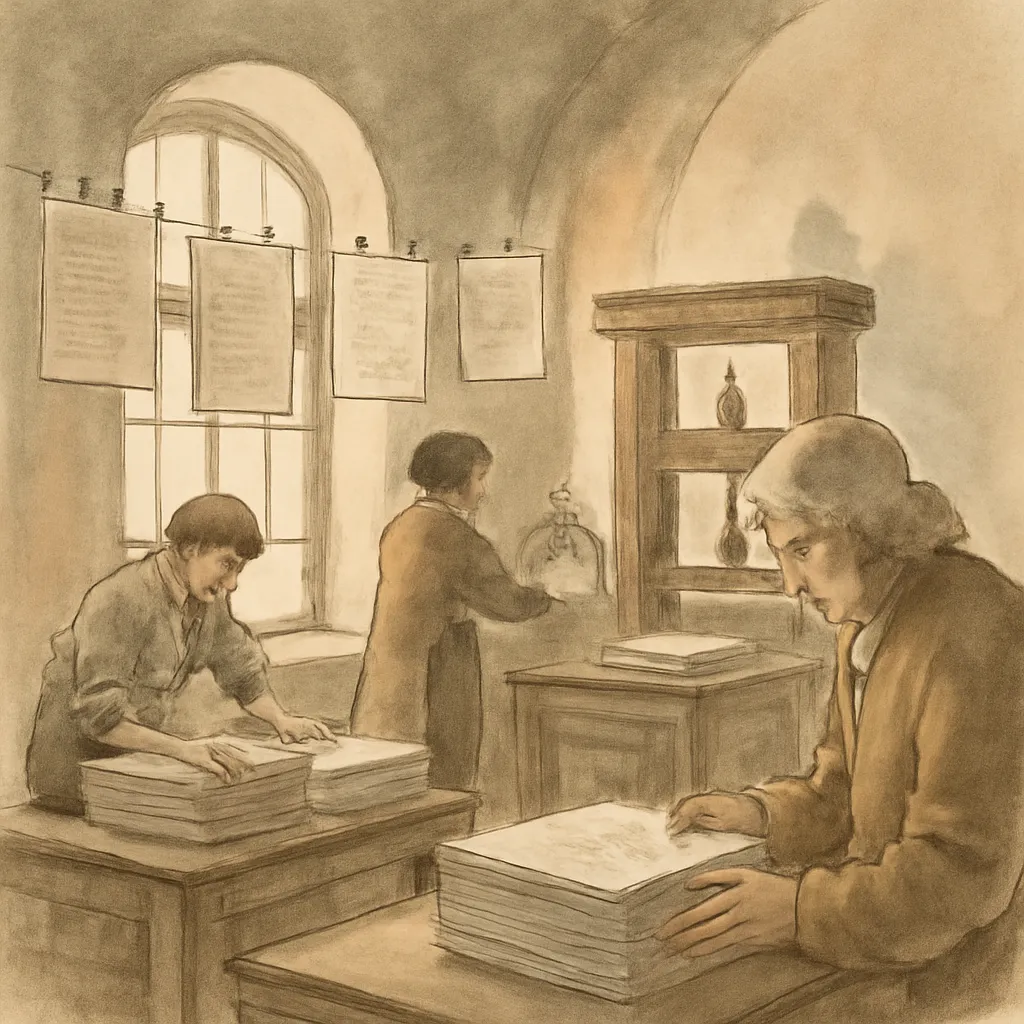
The reign of Peter the Great (1689-1723) was marked by sweeping reforms that reshaped Russian education, literature, and cultural identity. Embracing a utilitarian approach to culture, Peter established printing houses, leading to increased access to literature and the dissemination of new ideas. His efforts to modernize Russia included the translation of foreign works, allowing Russian writers to engage with global intellectual currents. The introduction of the first Russian newspaper, 'Russian News', under Peter’s supervision, signified a shift toward greater public discourse and transparency. However, Peter also harbored a distrust of monastic influence on literature, leading him to restrict monks' access to writing materials. This era saw the emergence of an official literature that prioritized state interests, reflecting a growing separation between literary production and religious influences.
6.Katherine II: Patronage and Literary Flourishing
Katherine II's reign (1762-1796) marked a significant turning point in the perception of literature within Russian society. The Empress actively engaged with the literary community, becoming both a patron and a contributor. Her own writings, including plays and satirical articles, highlighted contemporary issues and elevated literary discourse. Katherine’s newspaper, 'All Sorts of Things', tackled societal norms and cultural critiques, engaging a readership eager for reform and enlightenment. This period saw the emergence of a more secular, critical literature that reflected the complexities of Russian life. Authors began to experiment with genres and forms, incorporating elements of realism that resonated with the audience. The relationship between literature and power became increasingly intertwined, as writers navigated the delicate balance between artistic freedom and the expectations of the state.
7.The Influence of Pushkin and the Birth of Modern Russian Literature
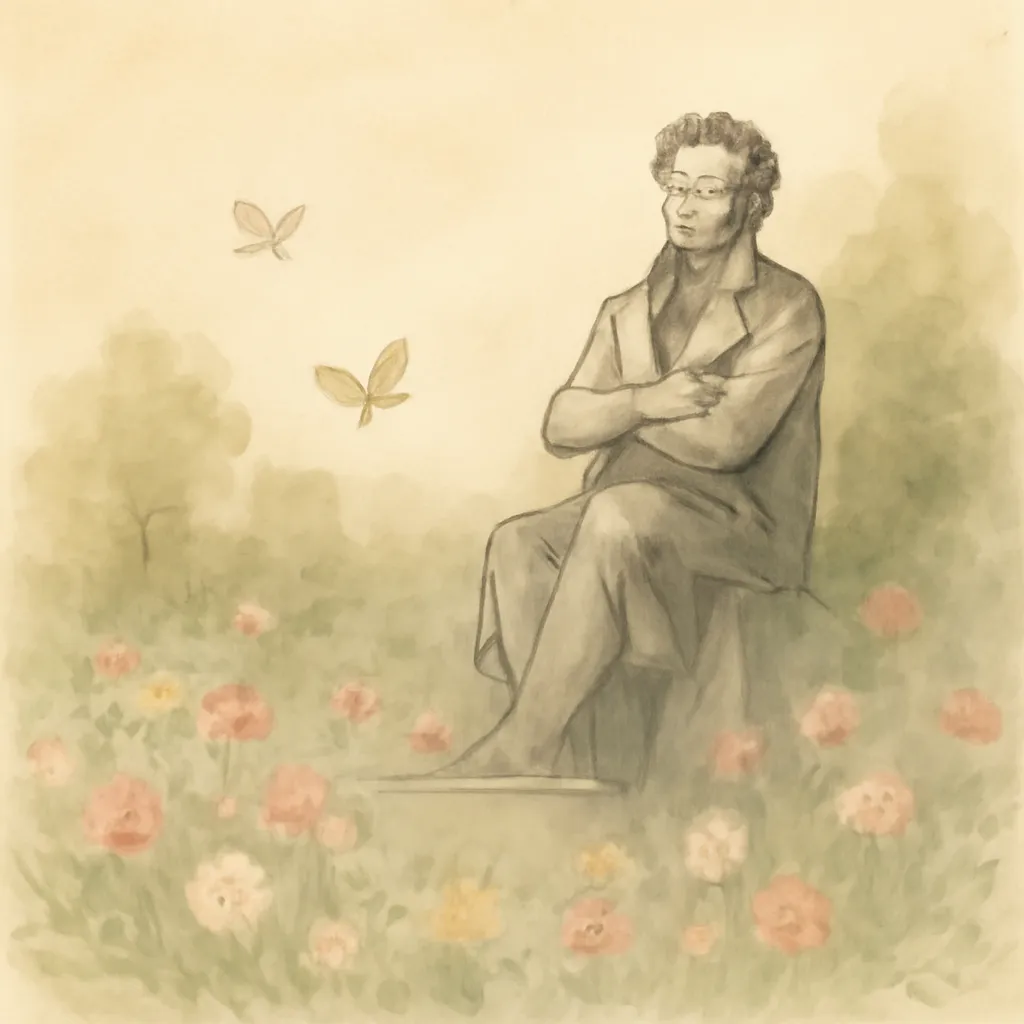
Alexander Pushkin (1799-1837) is often hailed as the father of modern Russian literature, heralding a new era of creativity and innovation. His works ushered in a stylistic shift that emphasized emotional depth, lyrical beauty, and a focus on individual experience. Pushkin's ability to blend traditional Russian folk tales with contemporary themes created a unique voice that resonated across social strata. His relationships with fellow writers, such as Delvig and Baratynsky, fostered a collaborative literary environment that encouraged experimentation and support among peers. Pushkin's impact is evident in his revolutionary use of language and form, paving the way for future writers to explore complex characters and social issues. His legacy is not only felt in literature but also in shaping the Russian identity, as his poetry and prose continue to inspire generations of readers and writers.
8.Realism and the Emergence of Social Commentary
The 1840s and 1850s marked the advent of realism in Russian literature, characterized by a shift toward addressing social issues and moral dilemmas faced by individuals in an evolving society. Writers like Fyodor Dostoevsky and Ivan Turgenev delved into the depths of human psychology, examining existential questions and the nature of good and evil. Dostoevsky, in particular, drew from his own experiences with poverty and social injustice, creating deeply complex characters grappling with ethical and philosophical quandaries. His works, such as 'Crime and Punishment' and 'The Brothers Karamazov', reflect a profound exploration of faith, redemption, and the human condition. This movement towards realism allowed writers to confront the realities of Russian life, engaging readers in discussions about morality, society, and the struggle for meaning in a rapidly changing world.
9.The Transformation of the Russian Theater
The evolution of the Russian theater in the 19th century mirrored the wider literary developments of the time, as playwrights sought to create a distinctly Russian dramatic tradition. Alexander Ostrovsky emerged as a pivotal figure, developing works that authentically portrayed the intricacies of Russian life, particularly among the merchant class. His plays emphasized social issues and moral conflicts, showcasing the struggles of individuals against societal norms. Ostrovsky's contributions marked the establishment of Russian drama as a respected art form, moving away from the French influences that had previously dominated. His ability to reflect the realities of Russian society on stage fostered a new appreciation for theater as a vehicle for social critique and cultural expression, paving the way for future generations of playwrights.
10.The Enduring Legacy of Russian Literature
The legacy of Russian literature is characterized by its profound impact on global literary traditions and thought. The works of authors such as Leo Tolstoy, Fyodor Dostoevsky, and Anton Chekhov have left an indelible mark on the literary landscape, influencing writers and thinkers around the world. Their exploration of complex characters and moral dilemmas continues to resonate with readers today. Russian literature serves as a lens through which to examine the human experience, addressing themes of identity, suffering, and the quest for meaning. The richness and diversity of Russian literary heritage not only reflect the nation's history but also contribute to the ongoing dialogue about culture, society, and the human condition. This enduring influence underscores the importance of literature as a transformative force, capable of shaping perceptions and inspiring change.