1.The Historical Context of Theodicy

Bledsoe begins by examining the historical failures of philosophers like Plato and others to construct a viable theodicy, framing this not as a reason for despair but as an invitation to continue the inquiry into the nature of evil. He argues that many thinkers have prematurely abandoned this vital exploration, suggesting that the difficulties faced in understanding the problem of evil are not insurmountable. Just as past scientific advancements emerged from a long history of inquiry, Bledsoe posits that philosophical understanding of the moral universe can likewise evolve. He emphasizes that despair should not silence inquiry; instead, the human mind must be encouraged to confront these challenges with humility and determination. This perspective invites readers to recognize that progress in thought is often achieved through persistent effort rather than instantaneous resolution, resonating with the belief that humanity can and must engage with profound questions without losing hope.
2.Leibnitz and the Spirit of Inquiry
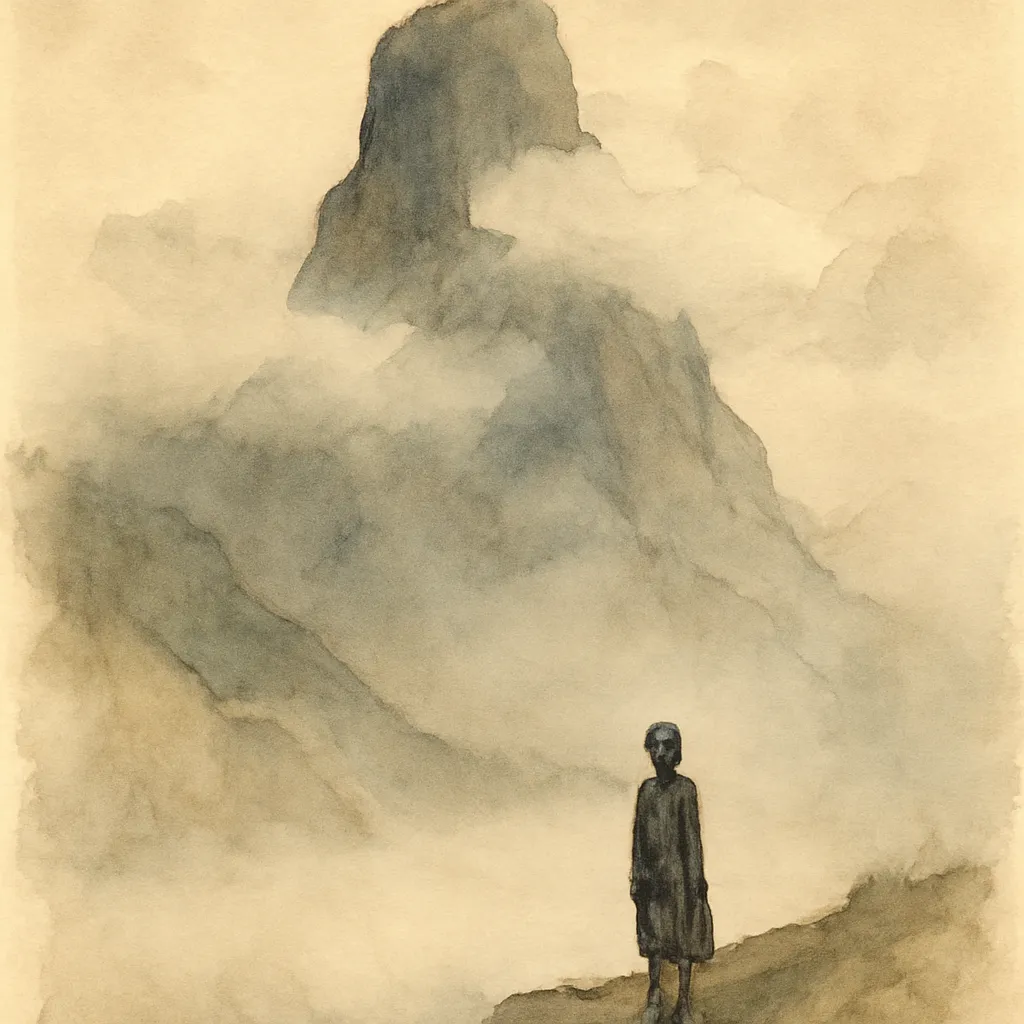
Bledsoe critiques the approach of Leibnitz, who, despite his formidable intellect, ultimately failed to reconcile the existence of evil with divine holiness. He suggests that Leibnitz's pride and ambition in tackling the problem led him astray, as he sought to conquer the enigma rather than pursue truth with an open mind. Bledsoe emphasizes that true inquiry requires an attitude of humility, as the complex nature of existence cannot be fully grasped through sheer intellectual might alone. He notes that Leibnitz's pride in his reasoning capabilities may have clouded his judgment, leading to conclusions that many reject. By analyzing Leibnitz's failures, Bledsoe encourages readers to adopt a spirit of inquiry that is marked by a willingness to embrace uncertainty and seek understanding rather than victory over the problem. This approach positions the quest for knowledge as an ongoing process, one that necessitates patience and a readiness to confront the unknown.
3.A Moral Universe Shrouded in Mystery
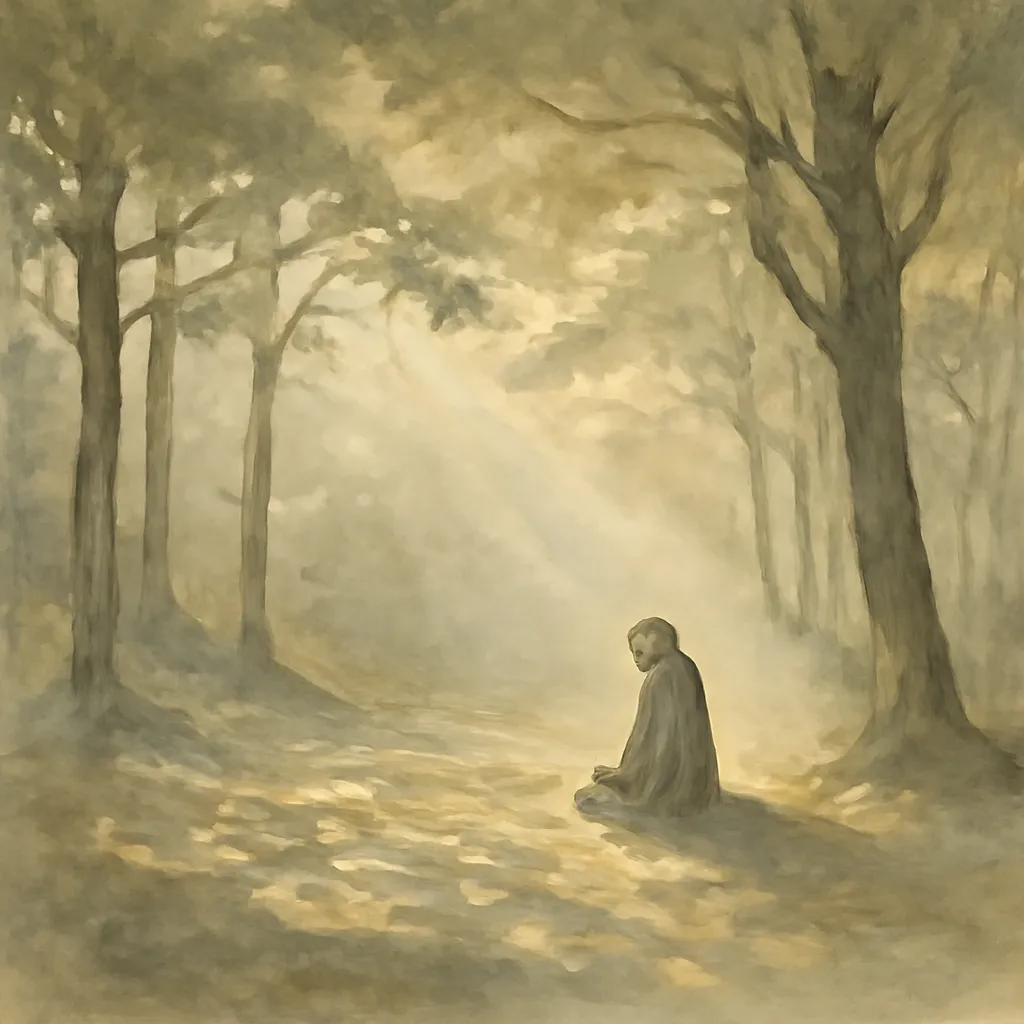
Bledsoe challenges the notion that the moral structure of the universe is intentionally obscured to instill humility in mankind. He argues that the complexities of existence should not induce despair but rather inspire awe and reverence for the divine. According to Bledsoe, the vastness of the universe and the intricacies of moral law reflect the greatness of God rather than an indictment of human capability. He asserts that the mysteries of existence are meant to elevate our understanding of the divine and the moral order, encouraging a sense of wonder rather than submission to ignorance. Bledsoe uses examples from classical philosophy to illustrate how the fear of the unknown has historically hindered intellectual progress. This idea reframes the pursuit of knowledge as a noble endeavor that ultimately leads to greater appreciation of the divine, rather than a futile exercise in futility. He contends that the more one explores the universe's mysteries, the more one comes to understand the divine's majesty.
4.The Power of the Human Mind

Bledsoe expresses a profound admiration for the capabilities of the human mind, highlighting its ability to overcome significant challenges despite its limitations. He reflects on the paradox of human intelligence, which, while capable of monumental achievements, often finds itself baffled by seemingly simple phenomena. This duality is indicative of the broader human experience: struggling against obstacles while simultaneously reaching for greater truths. Bledsoe emphasizes that the human mind should not be underestimated; instead, it should be viewed as a powerful instrument capable of uncovering deeper truths about existence and the divine. He cites historical figures who have made extraordinary contributions despite their struggles, illustrating that intellectual achievements often emerge from grappling with complexity. This optimistic view encourages readers to engage actively in the pursuit of knowledge, as the potential for discovery lies within the very fabric of human thought, suggesting that the effort to understand is itself a reflection of divine image within humanity.
5.Dissipating Absurdity Rather Than Solving Mysteries

Bledsoe distinguishes his approach to theodicy by clarifying that his objective is not to solve the mysteries of faith but to dismantle the absurdities that arise from atheistic arguments. He asserts that the true challenge lies in refuting misconceptions about God and the moral order, rather than attempting to unveil the ultimate truths that may remain beyond human comprehension. By focusing on the absurdities of atheistic reasoning, Bledsoe provides a framework for understanding why many arguments against the existence of God fail to hold up under scrutiny. He emphasizes that engaging with these absurdities can lead to a clearer understanding of God's nature and the moral universe. This approach allows for a more focused inquiry into the nature of evil and divine justice, one that seeks to clarify rather than complicate. Bledsoe's perspective invites readers to engage with the complexities of faith while recognizing that some mysteries may be beyond human grasp, and it is the absurdities that warrant rigorous examination. This clarity of purpose empowers readers to engage in meaningful discourse on the nature of good and evil without succumbing to despair.
6.The Role of Divine Agency in Moral Evil
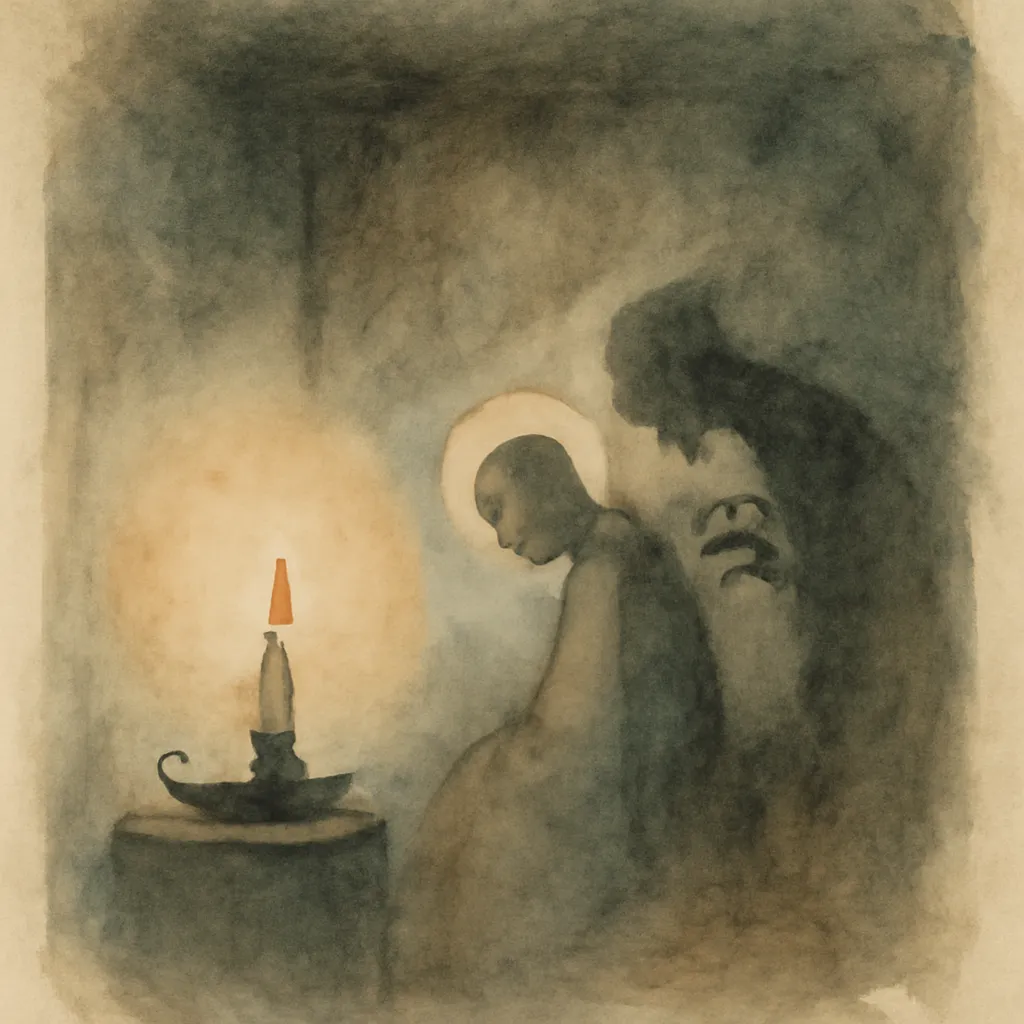
Bledsoe tackles the contentious issue of divine agency concerning moral evil, arguing that the doctrine of necessity leads to troubling implications about God's character. He critiques the notion that God is the author of sin, suggesting that such a belief undermines the very essence of divine holiness. Through careful reasoning, Bledsoe establishes that if God is the direct cause of all events, including evil, it would challenge the foundational belief in a just and benevolent deity. He examines various theological perspectives, including those of Calvin and Edwards, who argue that God's sovereignty allows for the existence of evil without implicating Him in its authorship. Bledsoe contends that while God may permit evil to occur, this does not equate to His direct causation of it. By exploring the nuances of divine agency, he invites readers to consider the complexities of divine justice in relation to human freedom and moral responsibility, emphasizing that understanding this relationship is crucial for a robust theodicy.
7.Moral Distinctions Under Threat

Bledsoe argues that the scheme of necessity, if accepted, poses a grave threat to the existence of moral distinctions. He articulates that if all actions are necessitated by prior causes, then concepts of virtue and vice become meaningless. This radical implication calls into question the very foundation of moral accountability, as individuals would be absolved of guilt for actions that are not truly voluntary. Bledsoe critiques philosophers like Spinoza, who dismiss moral distinctions under the weight of deterministic logic, and instead advocates for a robust understanding of moral agency. He emphasizes that recognizing moral distinctions is essential for upholding ethical accountability in society. This argument serves as a rallying cry for those who believe in the intrinsic value of moral choice and the necessity of preserving the concept of free will. He argues that without moral distinctions, society risks descending into chaos, where actions are evaluated solely based on external circumstances rather than internal moral compasses.
8.The Interplay of Liberty and Necessity

Bledsoe delves into the intricate relationship between liberty and necessity, examining how various philosophers have grappled with this tension throughout history. He critiques thinkers like Hobbes and Locke, who have attempted to reconcile the two concepts, often leading to contradictions and confusion. Bledsoe argues that true liberty cannot coexist with a deterministic framework that constrains human agency. Instead, he advocates for a model of free will that acknowledges the complexities of human choice while affirming the reality of divine sovereignty. He discusses how the acceptance of necessity undermines personal responsibility and asserts that genuine freedom must include the capacity to make choices that align with moral principles. This nuanced view encourages readers to consider the implications of their beliefs about freedom and responsibility, prompting a deeper engagement with the moral dimensions of their actions. By navigating this interplay thoughtfully, Bledsoe aims to illuminate a path toward a more coherent understanding of human agency in a divinely governed universe.
9.The Importance of Continued Inquiry
Bledsoe concludes with a compelling call for continued inquiry into the problem of evil, urging readers not to succumb to despair in the face of philosophical challenges. He emphasizes that the pursuit of knowledge is an essential aspect of the human experience, one that reflects our intrinsic desire for understanding and truth. Bledsoe’s affirmations of human capability and the divine attributes of God serve as a foundation for ongoing exploration, encouraging readers to engage with questions of morality and existence with vigor and determination. He asserts that embracing the complexity of these issues can lead to a richer understanding of both the divine and the moral universe. This call to action resonates with anyone grappling with the nature of evil and the quest for meaning in a world filled with challenges. By framing inquiry as a courageous pursuit, he inspires readers to seek knowledge and engage with the moral fabric of their lives.