1.The Weight of Inheritance
At its core, the novel interrogates what it means to inherit—not just land, but trauma, secrets, and expectations. The Cook family’s thousand-acre farm is both a prize and a burden, symbolizing the legacy parents pass to children. The division of the farm sets off a chain reaction, exposing how inheritance can bind and destroy, and how the past is never truly past in family dynamics.
2.Power, Patriarchy, and Silence
Smiley explores the destructive power of patriarchal authority through Larry Cook’s dominance over his daughters. The silence and complicity surrounding his actions—especially regarding abuse—reflect how power structures within families can suppress truth and perpetuate harm. The novel critiques the myth of the benevolent patriarch and exposes the costs of silence.
3.Land as Identity and Battleground
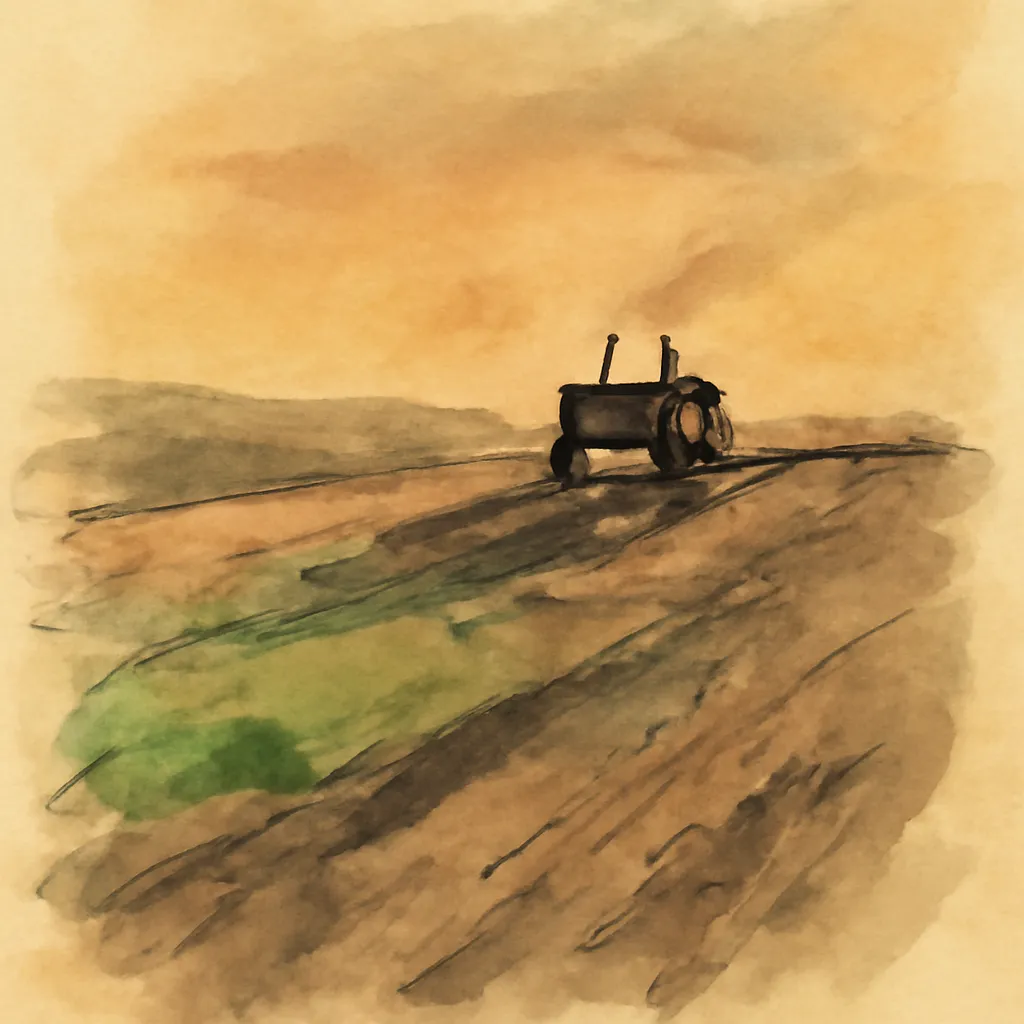
The Iowa farmland is more than a backdrop; it is a living, contested space that shapes the characters’ identities and destinies. Smiley uses the rhythms of farming life to mirror the cycles of generational conflict and renewal. The land’s beauty and harshness echo the family's emotional landscape, making the farm itself a central character in the drama.
4.The Limits of Forgiveness
A Thousand Acres asks whether true forgiveness is possible when wounds run deep and justice is elusive. The characters struggle with resentment, guilt, and the desire for reconciliation, but Smiley refuses easy resolutions. The novel suggests that some wrongs may be too profound to forgive, especially when they are woven into the fabric of family life.
5.Feminist Reimagining of a Classic
By retelling King Lear from the perspective of the eldest daughter, Ginny, Smiley gives voice to women historically silenced in literature. The novel reframes the Lear story as one of female endurance and survival, highlighting issues of autonomy, complicity, and the cost of speaking out. It’s a powerful meditation on women’s agency in a world that often denies it.
6.The Illusion of the American Dream
The Cook family's story exposes the dark side of the American agrarian ideal. The promise of prosperity and harmony on the land is undercut by greed, rivalry, and decay. Smiley shows how the pursuit of the American Dream can mask dysfunction and perpetuate cycles of harm, forcing readers to question the mythologies we build around land and family.