1.The Nature of Impressions and Ideas

Hume categorizes human perceptions into two fundamental types: impressions and ideas. Impressions are the vivid and forceful sensations we experience directly, such as taste, pain, or the beauty of a sunset, while ideas are the fainter recollections of these impressions that we think about later. This distinction is crucial as it forms the basis for understanding how we derive knowledge and form beliefs. For example, the immediate pain from a burn is an impression, while the memory of that pain is an idea. Hume emphasizes that all our thoughts and reasoning are ultimately built upon these primary impressions, indicating that our understanding of the world is deeply influenced by our sensory experiences. Furthermore, Hume asserts that all complex ideas are composed of simple impressions, which underlines the importance of sensory experience in shaping our conceptual understanding of reality. This view challenges the rationalist notion that ideas can be generated solely through reason.
2.The Role of Pride and Humility
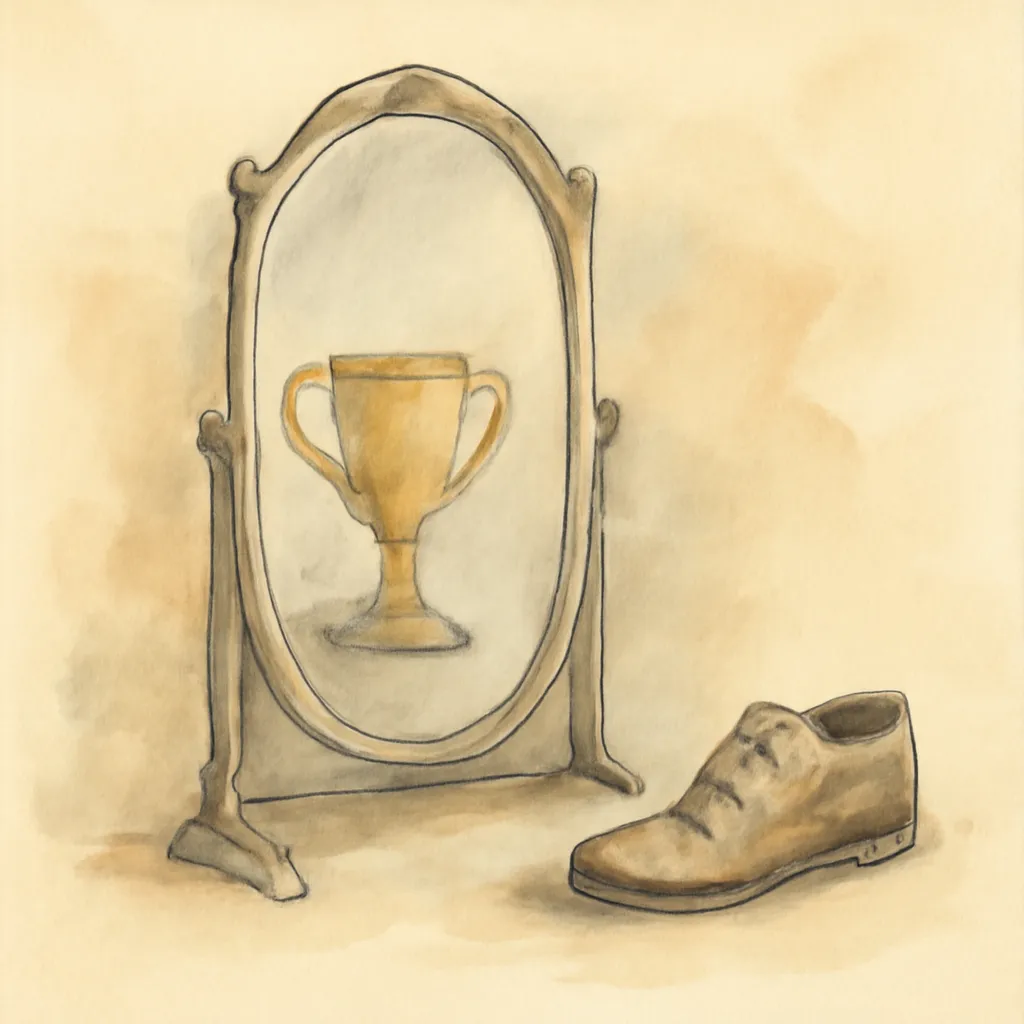
Pride and humility are two key emotions that shape our self-perception and social interactions. Hume posits that pride arises from a favorable view of oneself, often linked to external achievements or attributes, while humility stems from a negative self-assessment. These feelings are not just personal; they are influenced by our perceptions of external advantages or disadvantages, such as wealth, social status, or reputation. Hume illustrates that these emotions can lead to complex social behaviors, where an individual's sense of pride can inflate or deflate based on societal feedback. For instance, someone may feel pride after receiving accolades, reinforcing their self-worth, while criticism may invoke humility and self-doubt, highlighting the power of social validation in shaping our emotional landscape. Moreover, Hume suggests that pride can serve as a motivator for ethical behavior, as individuals may strive to act virtuously to maintain their sense of pride in themselves.
3.Understanding Love and Hatred
Hume explores the passions of love and hatred, emphasizing their distinct yet interconnected nature. Unlike pride and humility, which focus on the self, love and hatred are directed toward others. Love arises from positive feelings towards someone’s qualities, such as kindness or intelligence, while hatred stems from negative sentiments, such as betrayal or cruelty. Hume argues that these emotions are not merely reactions to the qualities of others but are influenced by our own experiences and perceptions. For example, admiration for a friend's kindness can engender love, while a perceived slight can provoke hatred. This duality illustrates how our relationships with others are deeply intertwined with our emotional responses, shaping our interactions and social dynamics. Hume also notes that these emotions can co-exist, as love may be tempered with jealousy, or hatred may be mixed with a sense of loss, revealing the complexity of human feelings.
4.The Will and Direct Passions
Hume delves into the concept of the will, defining it as the internal impression associated with the desire to act. He posits that our actions stem from direct passions like desire and aversion, which arise from experiences of pleasure and pain. This perspective challenges traditional notions of free will, suggesting that our decisions are often dictated by our emotional states rather than rational deliberations. Hume insists that understanding the will requires acknowledging the interplay between external influences and internal passions. For instance, the will to pursue a goal may be driven by the pleasure associated with achieving it, illustrating how our desires are deeply rooted in our emotional experiences. Hume also cautions against the illusion of complete autonomy in our actions, arguing that our will is shaped by prior experiences and the passions that arise in response to them, blurring the lines between free choice and determinism.
5.Liberty and Necessity
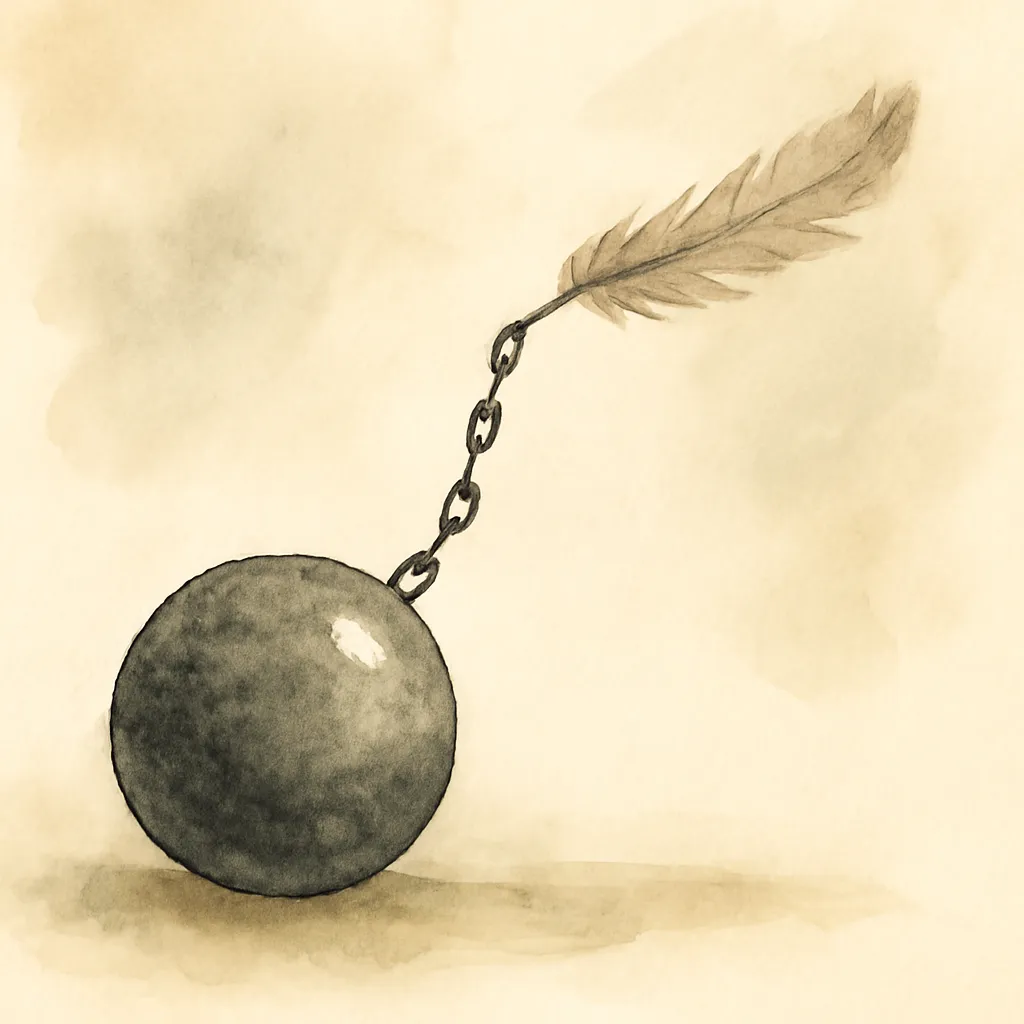
In discussing liberty and necessity, Hume confronts the philosophical debate surrounding free will. He asserts that while human actions appear voluntary, they are ultimately governed by causal laws akin to those that govern physical matter. This deterministic view suggests that our choices, influenced by prior experiences and emotional states, are not as free as they seem. Hume argues that understanding this relationship between necessity and liberty can lead to a more nuanced view of moral responsibility. For example, if an individual acts out of anger, their action may be seen as determined by their emotional state rather than a free choice, prompting a reconsideration of moral judgment and accountability. Hume suggests that recognizing the limitations of our will does not negate the importance of moral evaluations; instead, it invites a deeper understanding of the motivations behind our actions and the social context in which they occur.
6.Moral Distinctions and the Moral Sense
Hume challenges the idea that moral distinctions are derived solely from reason, proposing instead that they stem from a moral sense inherent in human beings. This moral sense allows individuals to feel approval or disapproval based on their emotional responses to actions. Hume argues that moral judgments are not purely rational calculations but are deeply rooted in our feelings of pleasure and pain. For instance, witnessing an act of kindness may elicit feelings of approval, while observing cruelty may provoke disapproval. This perspective emphasizes the importance of emotional engagement in moral reasoning, suggesting that our moral compass is guided more by sentiment than by abstract principles. Hume's theory implies that the basis of morality is inherently subjective and shaped by human sentiments, leading to a more empathetic understanding of ethical behavior.
7.Justice as an Artificial Virtue
Hume posits that justice is an artificial virtue, shaped by societal needs rather than inherent moral qualities. He argues that the concept of justice arises from the necessity of maintaining social order and cooperation among individuals. Unlike natural virtues, which stem from innate human tendencies, justice requires a collective agreement and understanding of property rights and obligations. Hume illustrates this by exploring how different societies develop their own rules of justice based on their unique circumstances. For example, in a society where resources are scarce, the rules governing property may be more stringent, reflecting the need for cooperation and mutual benefit. This insight reveals the dynamic nature of moral systems and challenges the notion of universal moral truths, emphasizing that justice is not simply a reflection of moral virtue but a construct that evolves with societal context.
8.The Interplay of Virtue and Vice
Hume examines the origins of natural virtues and vices, emphasizing that human behavior is often motivated by the pursuit of pleasure and avoidance of pain. He argues that actions deemed virtuous are those that produce positive emotional responses, while those that result in negative feelings are considered vicious. This framework suggests that our moral evaluations are intimately tied to our emotional experiences. For instance, acts of generosity may evoke feelings of love and pride, while selfishness may lead to feelings of hatred or disdain. Hume's exploration of virtue and vice illustrates the complexity of human morality, highlighting the emotional undercurrents that drive our ethical judgments. He implies that understanding virtue involves recognizing the emotional satisfaction it brings, while vice is associated with the discomfort it produces, thus tying morality closely to our psychological states.
9.The Influence of Custom and Imagination
Hume discusses the significant role of custom and imagination in shaping human passions and moral judgments. He argues that our experiences and the customs of our society influence how we perceive and react to various situations. For instance, cultural norms may dictate what is considered virtuous or vicious, impacting our emotional responses. Hume illustrates this by considering how societal customs can elevate certain virtues, such as bravery, while downplaying others, like humility. Imagination also plays a critical role; it allows us to envision potential outcomes, which can amplify our feelings of desire or aversion. Hume's insights into custom and imagination underscore the fluidity of moral perceptions and the importance of context in ethical reasoning, suggesting that our moral evaluations are not static but evolve with our experiences and societal changes.
10.The Interrelationship of Passions
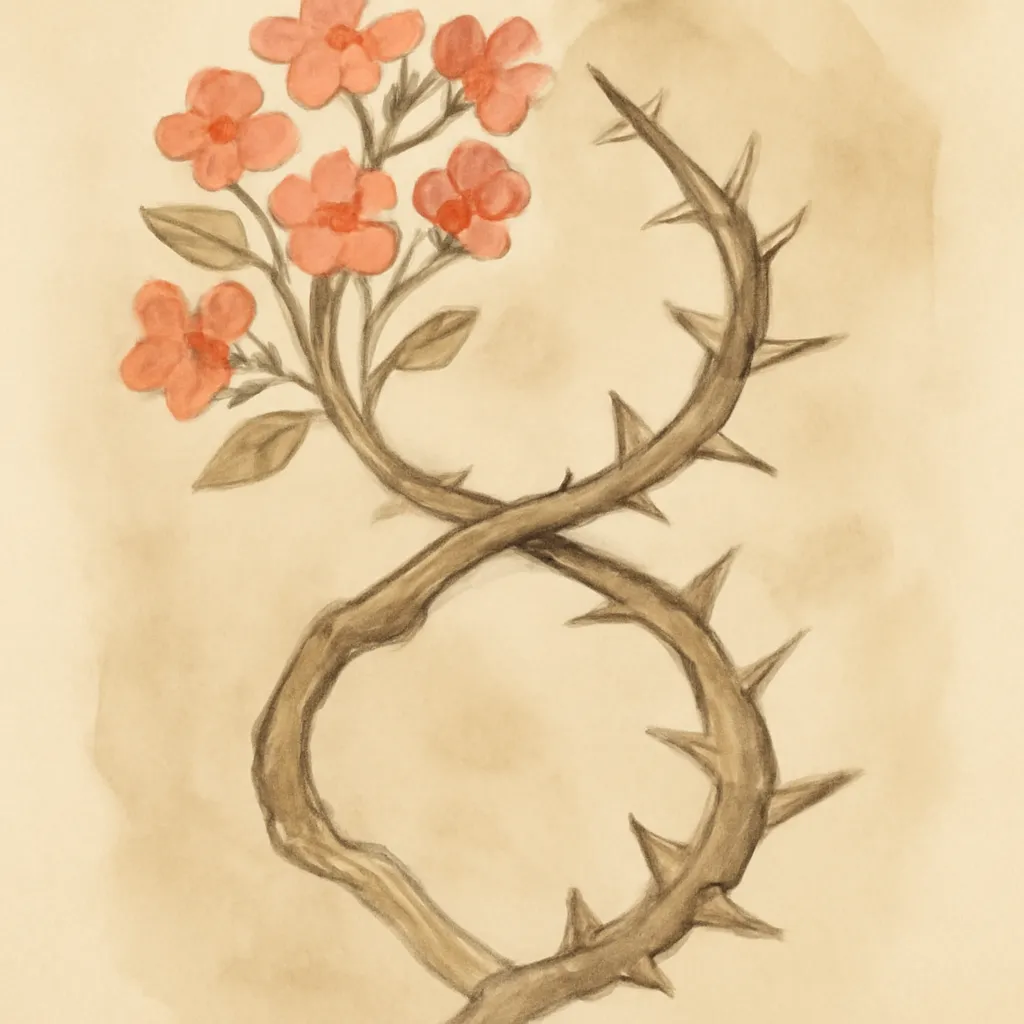
Hume emphasizes the interconnectedness of different passions and how they influence one another. For instance, feelings of love can coexist with jealousy, and pride can be accompanied by fear of failure. This interrelationship demonstrates that human emotions are not isolated but rather operate in a complex web of influences. Hume suggests that understanding this complexity is essential for comprehending human behavior and moral judgments. For example, a person may act out of love but feel jealous at the same time, leading to conflicting emotions that complicate their actions. By acknowledging the interplay between different passions, Hume provides a more nuanced view of human nature, highlighting the need for empathy and understanding in social interactions. This perspective encourages us to recognize that our emotional landscape is frequently messy and multifaceted, reflecting the intricate realities of human life.