1.The Duality of Athens
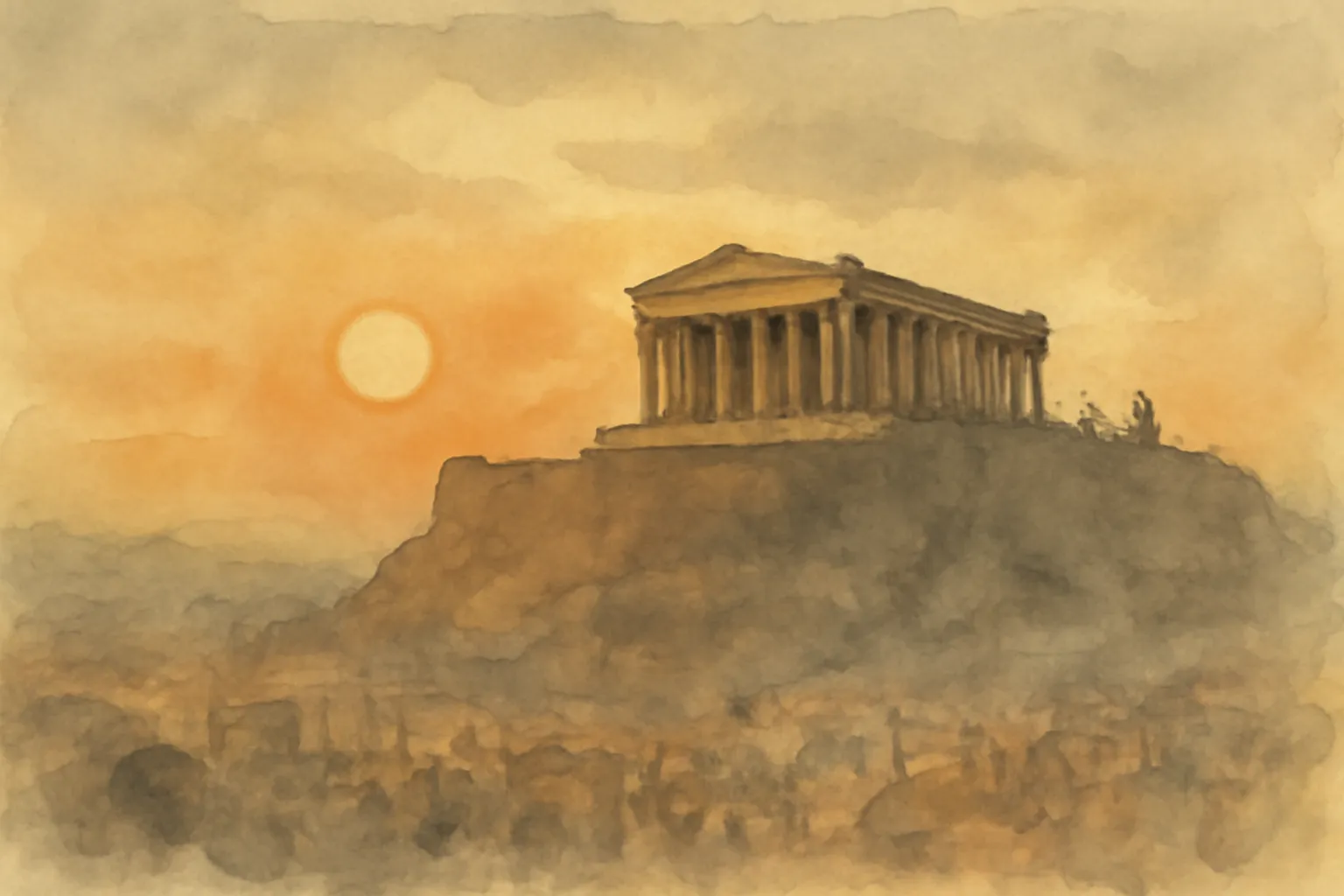
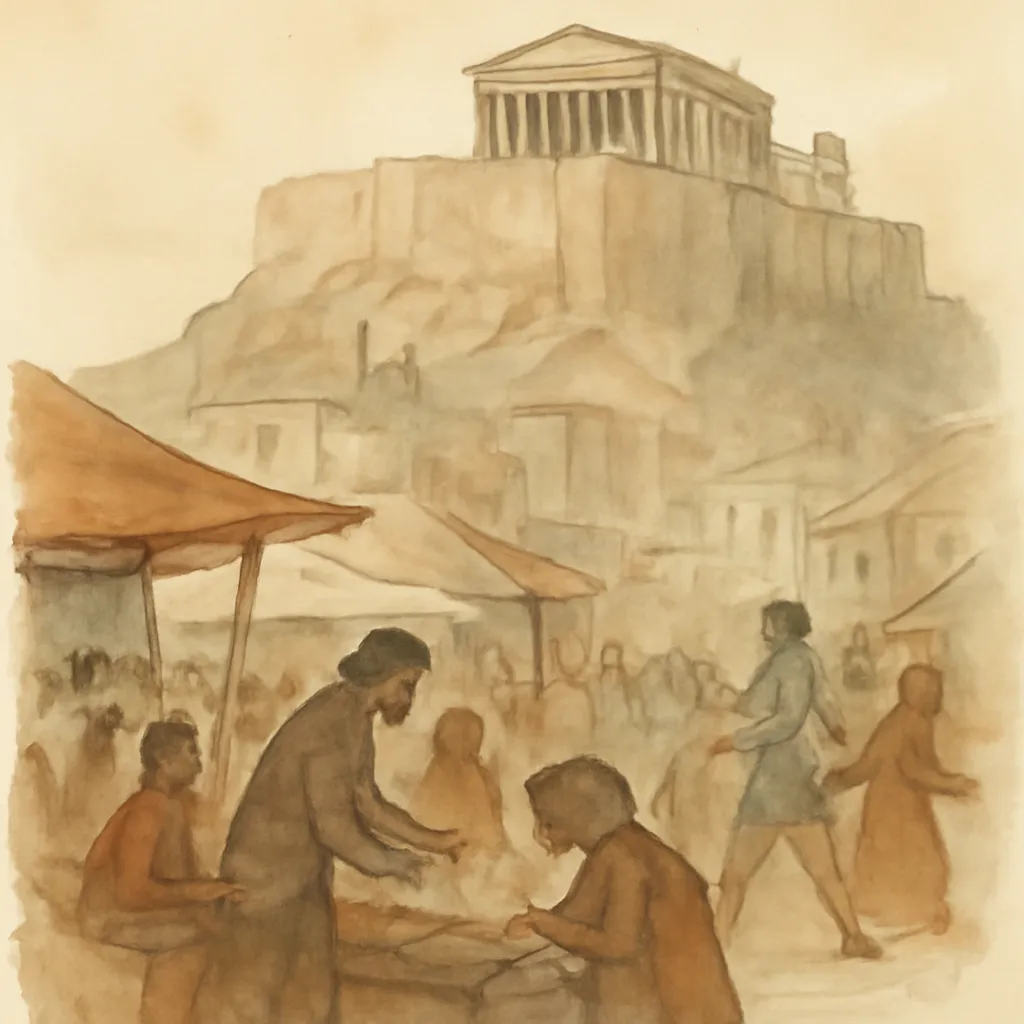
Athens is portrayed as a city with two faces—one idealistic and elevated, and the other grounded in the bustling chaos of everyday life. The Acropolis stands as a symbol of artistic and spiritual achievement, representing the aspirations of the Athenian people. In contrast, the Agora is depicted as a beehive of activity, where commerce and gossip intertwine, showcasing the more mundane aspects of Athenian society. This duality is significant as it reflects the tensions between the lofty ideals of democracy and the realities of political maneuvering and personal ambition. The juxtaposition of these two worlds sets the stage for the conflicts that the characters must navigate, highlighting the complexity of life in ancient Athens.
2.Glaucon's Journey: From Athlete to Hero
Glaucon's character arc from a promising athlete to a symbol of Athenian resilience is central to the narrative. Initially, he is portrayed as a young man focused on winning glory in the Isthmian Games, driven by his love for Hermione. However, as the threat of Persian invasion looms, his motivations shift, and he becomes a figure of sacrifice and bravery. The pressure of familial expectations and the weight of his city’s fate transform him into a reluctant hero, willing to risk everything for his homeland. This evolution is significant as it reflects the broader theme of personal sacrifice for the greater good, a recurring motif in tales of war and heroism. Glaucon's internal struggle between personal desires and civic duty resonates with contemporary themes of loyalty and patriotism.
3.The Influence of Themistocles
Themistocles emerges as a pivotal figure in the narrative, embodying the cunning and strategic acumen required to lead Athens against the Persian threat. His foresight in building a strong navy and his ability to manipulate political dynamics underscore the importance of leadership in times of crisis. Themistocles's character is marked by his pragmatic approach to governance, often prioritizing the survival of Athens over personal relationships. His interactions with Glaucon and other characters reveal the complexities of political alliances and the sacrifices leaders must make. His strategic brilliance is juxtaposed with the emotional turmoil of the citizens, illustrating the heavy burden of leadership during war. This dynamic emphasizes the theme that victory in war requires not just valor on the battlefield but also wisdom in leadership.
4.Love and Loyalty in Times of War
The romantic subplot between Glaucon and Hermione adds depth to the narrative, illustrating how love can flourish amidst chaos. Their relationship is tested by Glaucon’s disinheritance and the looming threat of war, yet it remains a source of strength for both characters. Hermione's unwavering support for Glaucon, even as he grapples with accusations of treachery, highlights the theme of loyalty in personal relationships. In contrast, the potential betrayal by those closest to them, such as Democrates, complicates their love story. This tension serves to remind readers that in times of conflict, personal relationships are fraught with challenges that can either strengthen bonds or lead to tragic outcomes. The exploration of love amidst adversity resonates with universal themes of fidelity, sacrifice, and the human desire for connection.
5.Betrayal and Political Intrigue
The narrative is rife with themes of betrayal, notably through the character of Phormio, whose disloyalty underscores the fragility of alliances during wartime. His actions set off a chain of events that jeopardize the safety of Athens and test the loyalties of those around him. The political intrigue surrounding the Persian emissary and the machinations of various characters, including Democrates, create a tense atmosphere where trust is scarce. These betrayals serve as a reminder of the high stakes involved in political maneuvering during a time of war, where personal ambitions can clash with the collective good. The portrayal of political treachery adds a layer of complexity to the narrative, illustrating that the fight for freedom is not only against external enemies but also against internal discord.
6.The Role of Prophecy and Fate
Prophecy and fate play significant roles in shaping the characters' destinies throughout the book. Characters often grapple with their fates, such as Glaucon’s struggle with the prophecy surrounding his future and the implications of his actions. This theme resonates deeply in the context of ancient Greek culture, where the belief in fate and the will of the gods heavily influenced personal and political decisions. The narrative suggests that while individuals can strive for greatness, their paths are often dictated by forces beyond their control. This interplay between human agency and predetermined fate raises questions about the nature of heroism and whether true agency exists in the face of overwhelming odds. The characters' journeys reflect the tension between striving for personal goals and the larger forces that shape their lives.
7.The Significance of Salamis
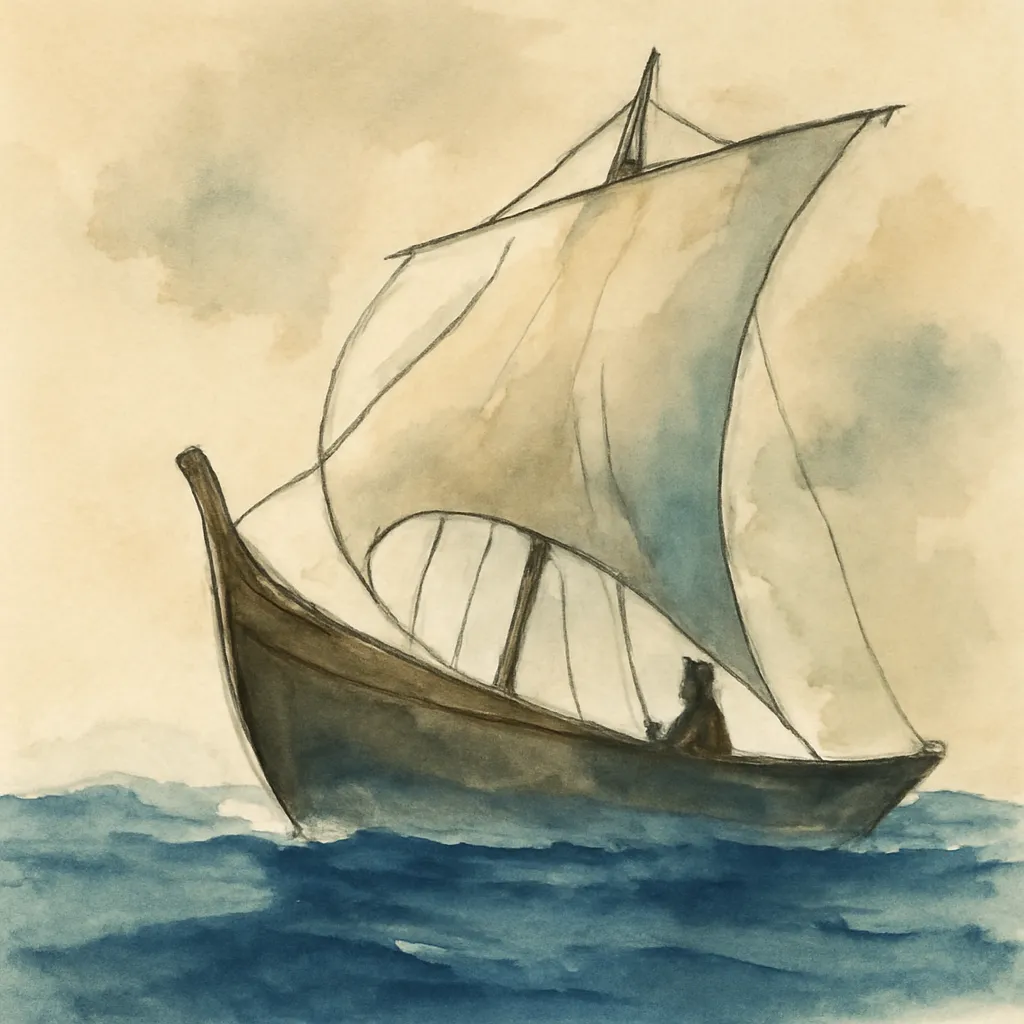
The Battle of Salamis serves as a crucial turning point in the narrative, representing not only a military victory but also a symbol of Athenian unity and resilience. The strategic brilliance of Themistocles in orchestrating the naval battle underscores the importance of tactical ingenuity in warfare. The victory at Salamis becomes a rallying point for the Greeks, instilling a renewed sense of hope and determination in the face of adversity. This triumph is not merely a battle won; it signifies the collective spirit of the Hellenes fighting against tyranny. The aftermath of Salamis sets the stage for the subsequent liberation of Greece, emphasizing the theme that unity and collaboration can overcome even the most formidable foes. The significance of this battle extends beyond its historical context, serving as a metaphor for the struggle between freedom and oppression.
8.The Human Cost of War
Davis does not shy away from depicting the heavy toll that war takes on individuals and families, particularly through the experiences of Hermione and other women left behind. As Athens prepares for battle, the emotional landscape is filled with anxiety, loss, and uncertainty. The evacuation of Athens and the fear of becoming slaves to the Persians highlight the grim realities of war that extend beyond the battlefield. Hermione’s longing for Glaucon and her struggles with the loss of her former life encapsulate the personal sacrifices made during wartime. The narrative poignantly illustrates how war reshapes identities and relationships, often leaving a trail of devastation in its wake. This focus on the human cost of conflict serves as a powerful reminder of the sacrifices made by those who fight for freedom, emphasizing that victory often comes at a significant price.
9.Courage and Heroism Defined
The concept of courage and heroism is intricately woven throughout the narrative, challenging traditional notions of what it means to be a hero. Characters like Glaucon and Leonidas exemplify bravery through their willingness to confront overwhelming odds, but heroism is also explored through acts of loyalty and sacrifice. The narrative illustrates that true courage is not merely about physical prowess but also involves moral integrity and the strength to stand up for one’s beliefs. The contrast between the heroic actions of the Greeks and the perceived cowardice of some city-states serves to underscore the values of bravery and honor that define Athenian identity. This exploration of heroism resonates with readers, prompting reflections on the nature of courage in their own lives. The characters’ struggles and triumphs redefine heroism as a multifaceted concept rooted in both action and conviction.
10.The Power of Unity and Collective Action
The theme of unity emerges as a powerful force throughout the narrative, particularly in the face of external threats. The collaboration between different Greek city-states, despite their historical rivalries, becomes essential for resisting the Persian invasion. Characters like Themistocles advocate for collective action, emphasizing that the fate of Greece depends on mutual support and solidarity. The portrayal of the Greeks coming together at Salamis symbolizes the strength found in unity, reinforcing the idea that shared purpose can overcome division. This theme resonates with contemporary discussions on cooperation and collaboration in the face of adversity. The narrative ultimately conveys that the collective efforts of individuals can lead to monumental change, inspiring readers to consider the importance of unity in their own communities.