1.Time as the Relentless 'Goon'
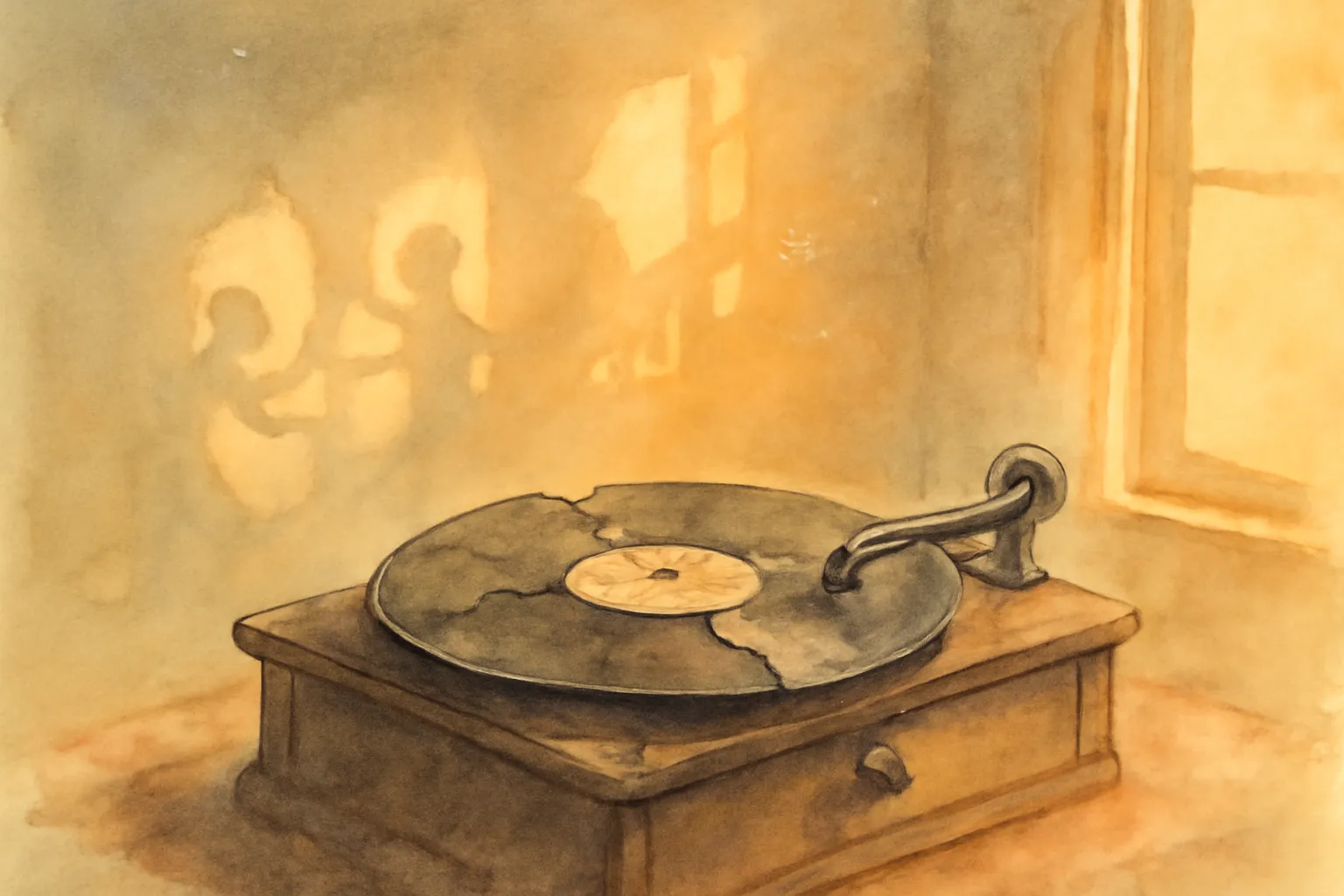
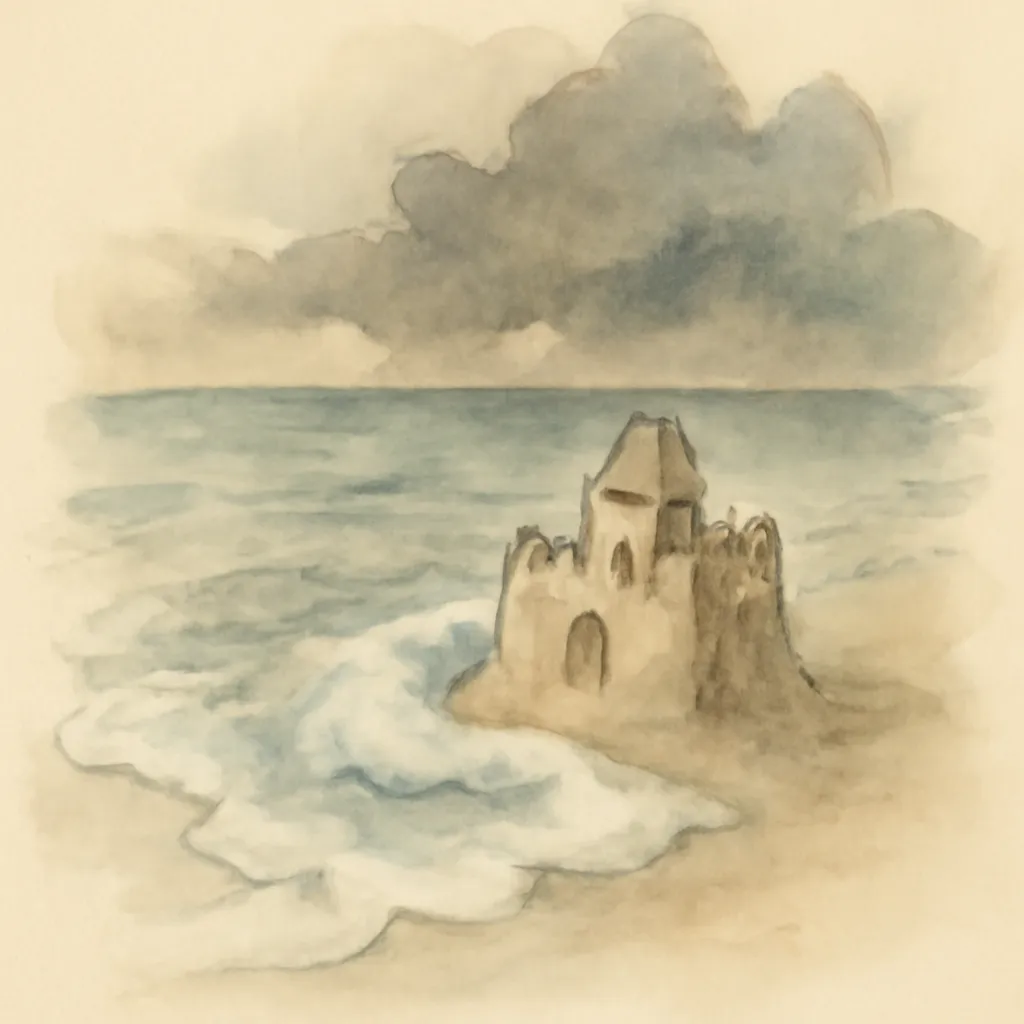
The novel’s central metaphor is time itself, depicted as an unstoppable force that alters people, relationships, and dreams. Egan’s non-linear narrative, skipping back and forth across decades, illustrates how time erodes youthful ambitions and reshapes identities. Characters are haunted by their past choices, and the reader witnesses their evolution, decline, or adaptation. The book suggests that no one escapes the 'goon squad' of time, and that nostalgia, regret, and hope are inextricably linked to our sense of self.
2.Interconnectedness of Lives
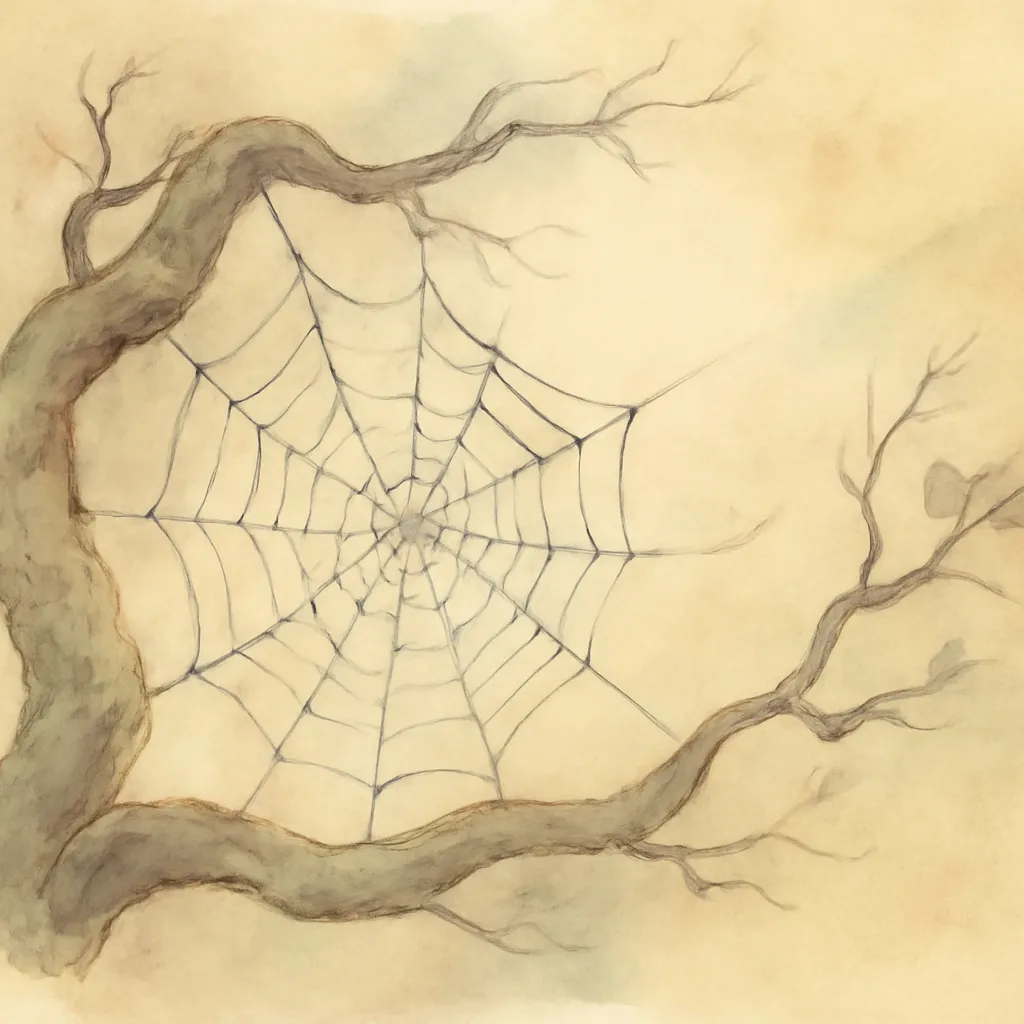
Egan constructs the novel as a web of stories, each chapter focusing on a different character whose life intersects with others in surprising ways. This structure mirrors the unpredictable connections of real life and underscores how individual actions ripple outward. The reader is invited to piece together the links between characters, revealing how fleeting encounters and shared histories shape destinies.
3.Music as Metaphor and Motif
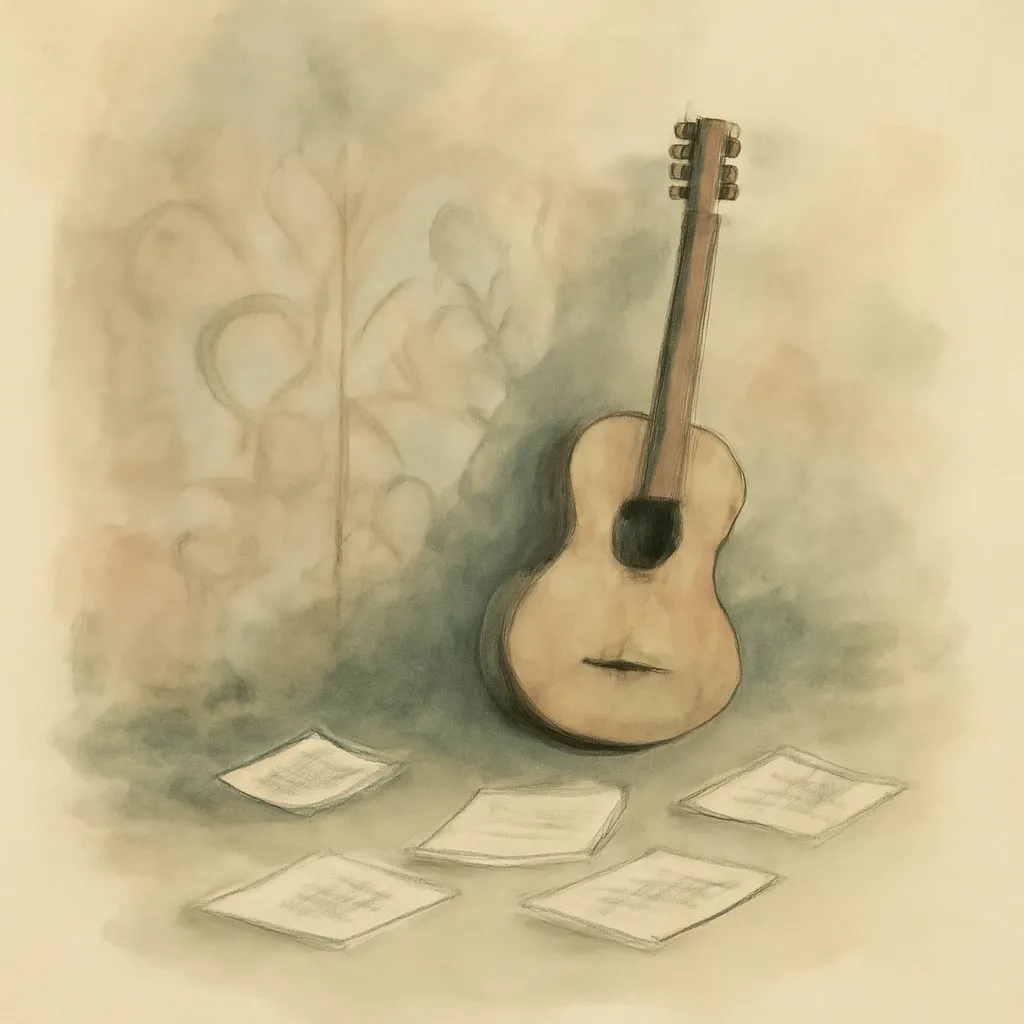
Music, especially punk rock, is both backdrop and metaphor in the novel. It represents rebellion, youth, and the desire for authenticity. As characters age, their relationship to music changes, reflecting broader shifts in culture and self-perception. The music industry’s transformation—from analog to digital, from passion to commodification—parallels the characters’ own struggles to stay relevant and true to themselves.
4.Fragmented Identity and Narrative Innovation
Egan experiments with form, including a chapter written as a PowerPoint presentation, to reflect the fragmented, nonlinear nature of memory and identity. The shifting points of view and time periods challenge readers to assemble meaning from disparate pieces, echoing the characters’ own searches for coherence in their lives. This stylistic daring is not just a gimmick; it reinforces the book’s themes of disconnection and the difficulty of understanding oneself and others.
5.The Search for Redemption and Connection
Despite the cynicism and disappointments that pervade the novel, moments of grace and connection persist. Characters reach for forgiveness, understanding, or simply a second chance, even as their flaws and failures are laid bare. Egan suggests that while time may wound, it also offers opportunities for growth and reconciliation, however imperfect.
6.The Impact of Technology and Cultural Change
The novel’s later chapters look ahead to a near-future shaped by social media, viral marketing, and technological alienation. Egan explores how these forces reshape communication, relationships, and even the music industry. The book asks whether authentic connection is still possible in a world increasingly mediated by screens and algorithms.