1.The Art of Disguise
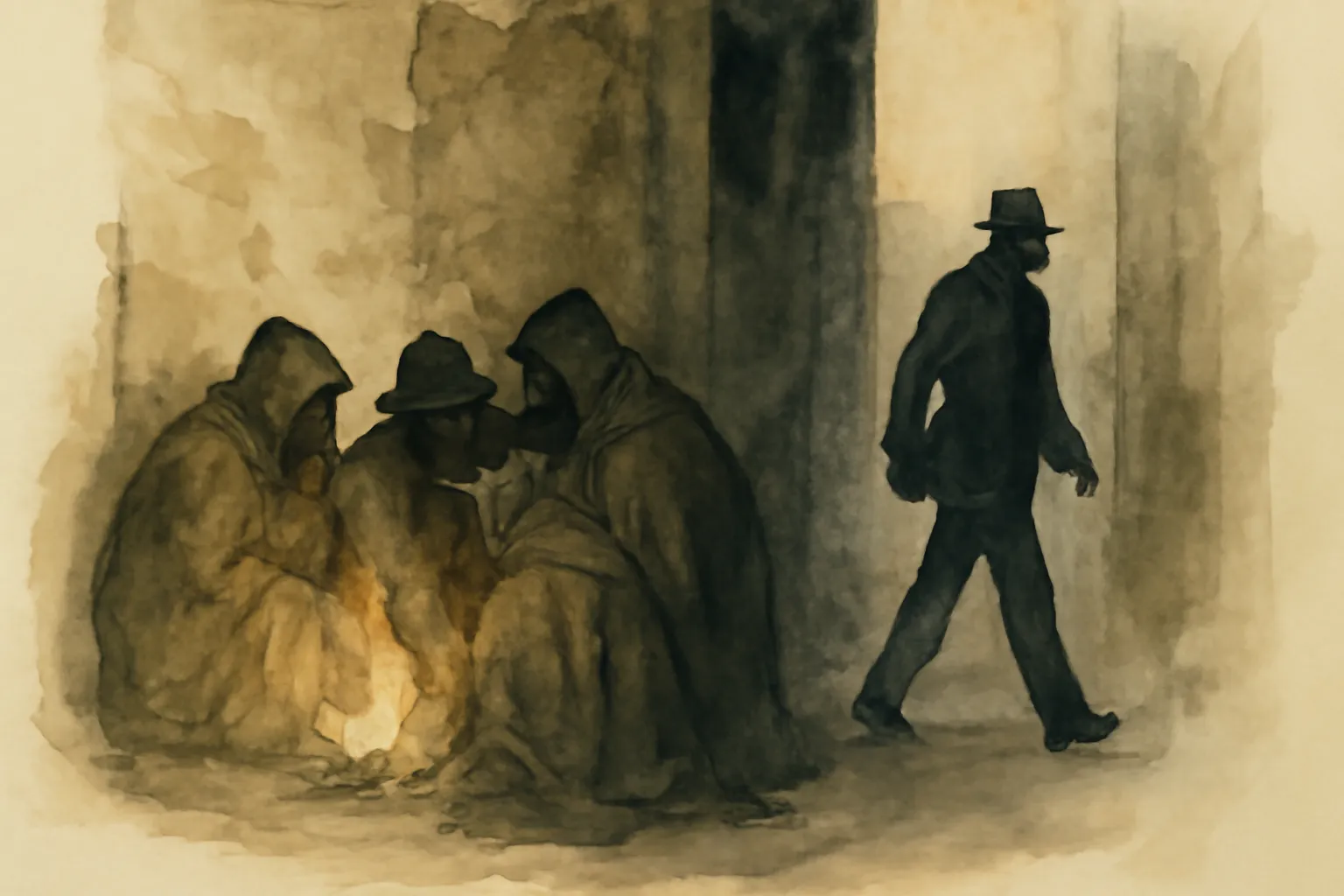
Nick Carter's mastery of disguise is central to the plot, showcasing how identity can be manipulated for various purposes. From the outset, Carter and his assistants adopt the personas of hoboes, blending seamlessly into the underworld. This transformation serves not only as a tactical move to gather intelligence but also highlights the theme of duality—how people can wear different masks to navigate their worlds. Each character's disguise is meticulously crafted, reflecting their backgrounds and motivations. For instance, Carter's disguise as 'Dago John' allows him to gain the trust of the outlaw community, opening doors to crucial information. The use of disguises raises questions about authenticity and the lengths to which individuals will go to achieve their goals, illustrating that sometimes the line between hero and villain can be blurred.
2.The Nature of Criminality
The novel delves into the psyche of its criminal characters, particularly the motivations that drive them to a life of crime. Black Madge, as the titular 'Fiend in Skirts,' embodies the complexities of criminality—she is not merely a villain but a product of her environment. Her interactions with Nick Carter reveal her cunning intelligence and strategic thinking, making her a formidable opponent. The narrative explores how circumstances, societal pressures, and personal vendettas shape an individual's path to crime. For example, Madge's desire for revenge against Carter, whom she perceives as the architect of her downfall, adds depth to her character, transforming her from a mere antagonist into a tragic figure. This exploration compels readers to consider the broader societal implications of crime and the factors that contribute to an individual's choices.
3.Trust and Deception
Trust is a fragile commodity in the world of 'A Woman at Bay,' where deception lurks around every corner. Nick Carter must navigate a landscape filled with lies and ulterior motives, where even allies can become enemies. His reliance on his assistants—Chick, Patsy, and Ten-Ichi—underscores the importance of teamwork in the face of danger. However, the potential for betrayal is ever-present, especially as characters like Handsome and Madge reveal their true colors. The tension between trust and deception is palpable, particularly during pivotal moments when Carter must decide whom to believe. This dynamic creates a sense of suspense, as readers are left questioning the loyalties of each character. The theme emphasizes that in a world rife with deceit, discernment is crucial for survival.
4.The Role of Female Characters
Black Madge stands out as a powerful female figure in a predominantly male narrative, challenging traditional gender roles within the context of crime and law enforcement. Her character is multifaceted; she is not only a criminal mastermind but also a woman navigating a patriarchal society. Madge's interactions with Nick Carter reveal a complex relationship where she challenges his authority and intellect. This tension highlights the struggle for power and agency, as Madge operates within a system that seeks to marginalize her. The novel invites readers to consider the implications of gender in the criminal underworld, showcasing that women can be just as formidable and cunning as their male counterparts. Madge's character ultimately serves as a commentary on the societal constraints placed upon women, and her defiance against these norms adds depth to the narrative.
5.Consequences of Vengeance
Vengeance is a driving force in the narrative, particularly for Black Madge, whose quest for revenge against Nick Carter propels much of the plot. Her determination to settle the score illustrates how personal vendettas can consume individuals, leading them down a dark path of destruction. As Madge orchestrates her plans against Carter, the story raises questions about the morality of revenge and its consequences. The collateral damage inflicted on others in the pursuit of vengeance serves as a poignant reminder of the cycle of violence that can ensue. Nick Carter, too, grapples with the implications of his actions as he navigates the criminal landscape. The narrative ultimately suggests that the pursuit of revenge can be a double-edged sword, often resulting in unintended consequences that affect not only the individuals involved but also the wider community.
6.Friendship and Loyalty
The bond between Nick Carter and his assistants is a central theme that underscores the importance of friendship and loyalty in the face of adversity. Each character brings unique skills and perspectives to the table, allowing them to complement one another effectively. Their camaraderie is tested as they confront various challenges and dangers, particularly during their infiltration of the outlaw camp. The narrative illustrates how trust and loyalty can be invaluable assets in high-stakes situations. For instance, Patsy's willingness to return to the criminal underworld despite the risks demonstrates his loyalty to Carter and their shared mission. This theme resonates throughout the story, reinforcing the idea that true friendship can provide strength and resilience in the face of overwhelming odds.
7.The Influence of Setting
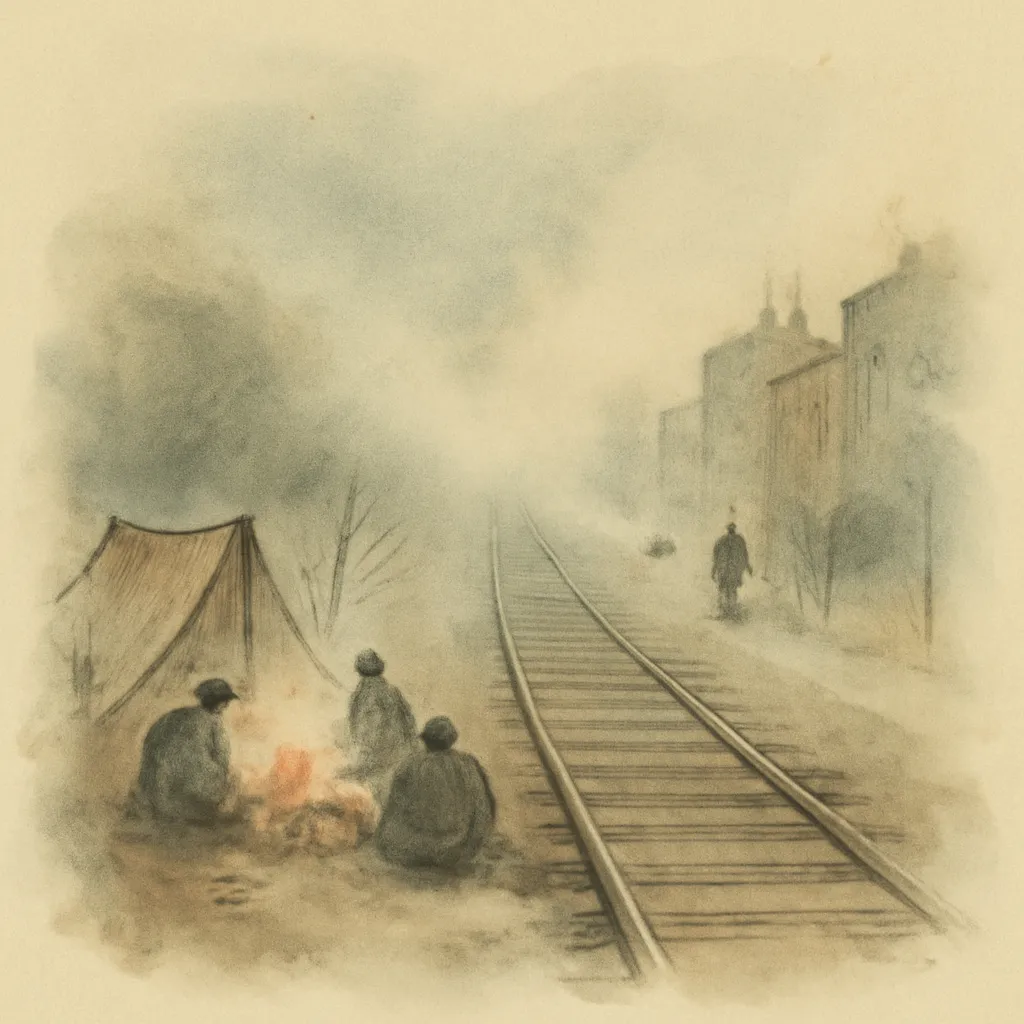
The setting of 'A Woman at Bay' plays a crucial role in shaping the narrative and enhancing the atmosphere of suspense and danger. The contrasting environments of the hobo camps, the bustling streets of New York, and the secluded hideouts of outlaws create a vivid backdrop for the unfolding drama. Each location is described in detail, immersing readers in the gritty realities of the characters' lives. The hobo camps, with their rough-and-tumble atmosphere, serve as a microcosm of society's marginalized, highlighting the struggles faced by those on the fringes. In contrast, the opulence of the railroad company’s offices represents the power dynamics at play. The interplay between these settings underscores the themes of class, identity, and survival, making the environment a character in its own right.
8.Moral Ambiguity
The characters in 'A Woman at Bay' exist in a world marked by moral ambiguity, where right and wrong are not always clearly defined. Nick Carter, as the detective, embodies the principles of justice and order, yet his methods often blur the lines of legality. Conversely, Black Madge, while a criminal, is portrayed with depth and complexity, prompting readers to empathize with her motivations. This moral complexity challenges traditional notions of heroism and villainy, inviting readers to question the nature of justice. For instance, Madge's actions, driven by a desire for revenge, can be seen as a response to the injustices she has faced. The narrative compels readers to reflect on their own beliefs about morality and the choices individuals make in the pursuit of their desires, ultimately suggesting that morality is often subjective.
9.The Power of Intelligence
Intelligence and cunning are key themes that permeate the narrative, with characters relying on their wits to navigate perilous situations. Nick Carter exemplifies the power of intelligence, using his sharp mind to outmaneuver the criminals he encounters. His strategic thinking is evident in how he orchestrates his infiltration of the hobo camp, employing psychological tactics to gain trust and gather information. The narrative emphasizes that brute strength is not always the answer; rather, it is often the cleverness and resourcefulness of individuals that determine the outcome of conflicts. Black Madge, too, displays intelligence in her schemes, demonstrating that wit can be as dangerous as physical prowess. This theme underscores the idea that in a world filled with danger, intellect can be a powerful weapon.
10.The Impact of the Past
The past looms large over the characters in 'A Woman at Bay,' influencing their actions and shaping their identities. Black Madge's history of betrayal and loss fuels her desire for revenge against Nick Carter, who represents the culmination of her failures. The novel deftly weaves flashbacks and recollections that illuminate the characters' backstories, providing context for their motivations. Nick Carter's own past experiences inform his approach to the case, guiding his decisions as he navigates the complexities of the criminal world. This exploration of the past serves as a reminder that individuals are shaped by their experiences, and that unresolved grievances can dictate present actions. The narrative invites readers to consider how the past informs the present, and how individuals must confront their histories to move forward.