1.Time as a Physical Dimension
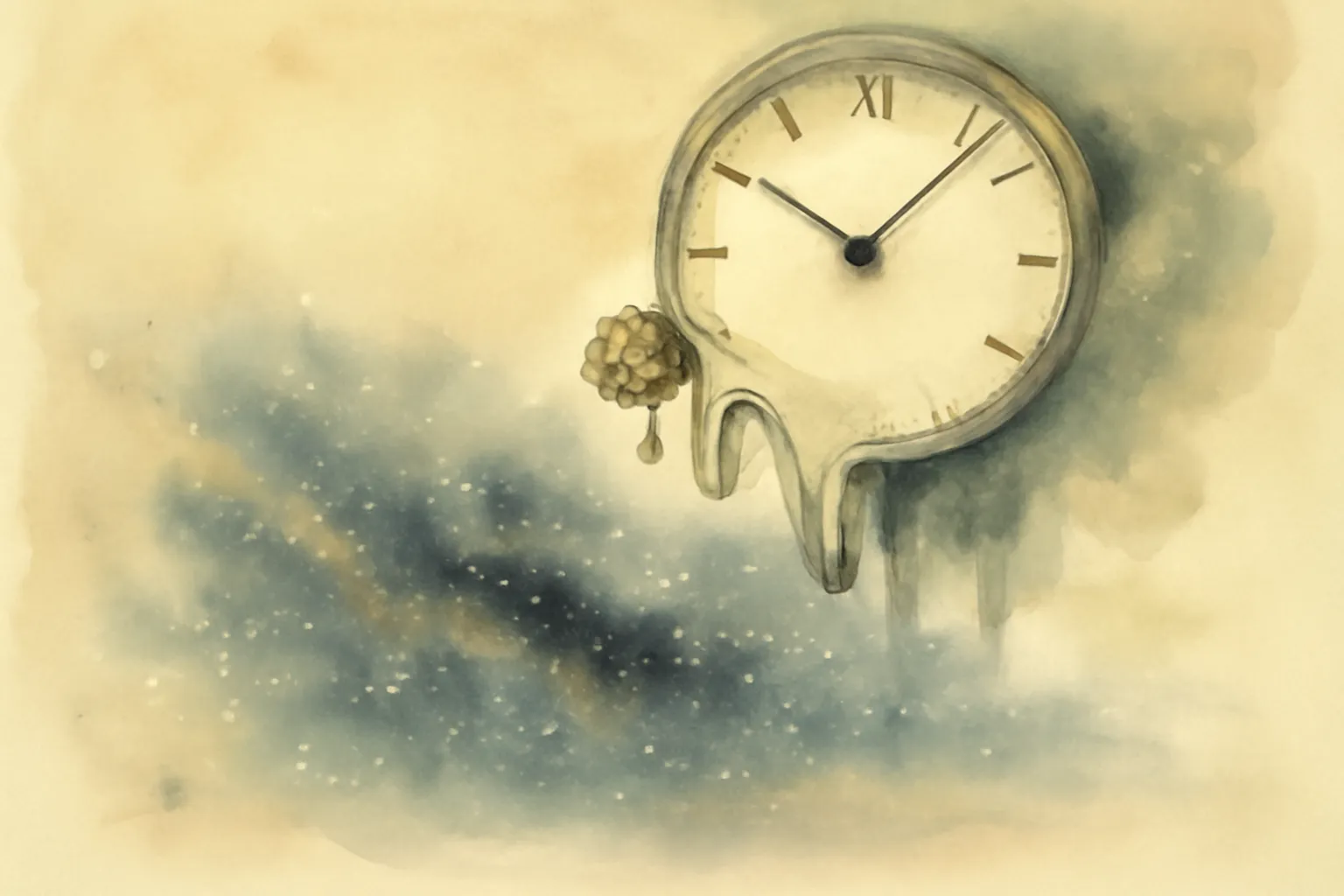
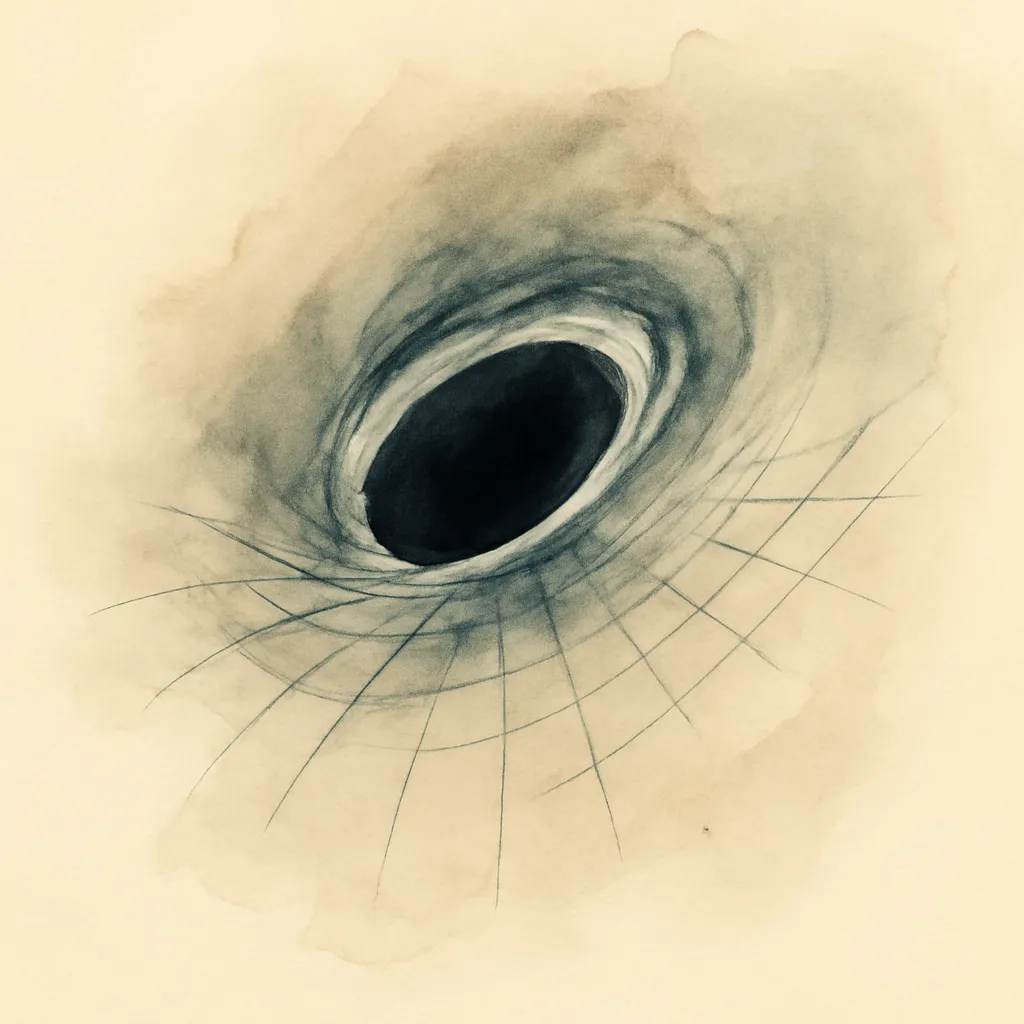
Davies explores how Einstein’s theories revolutionized our understanding of time, showing it is not an absolute backdrop but a flexible dimension intertwined with space. This means time can stretch, contract, and even stop under certain conditions, such as near black holes or at the speed of light. The book explains how these insights challenge our everyday intuition and force us to rethink the nature of reality itself.
2.The Beginning and End of Time
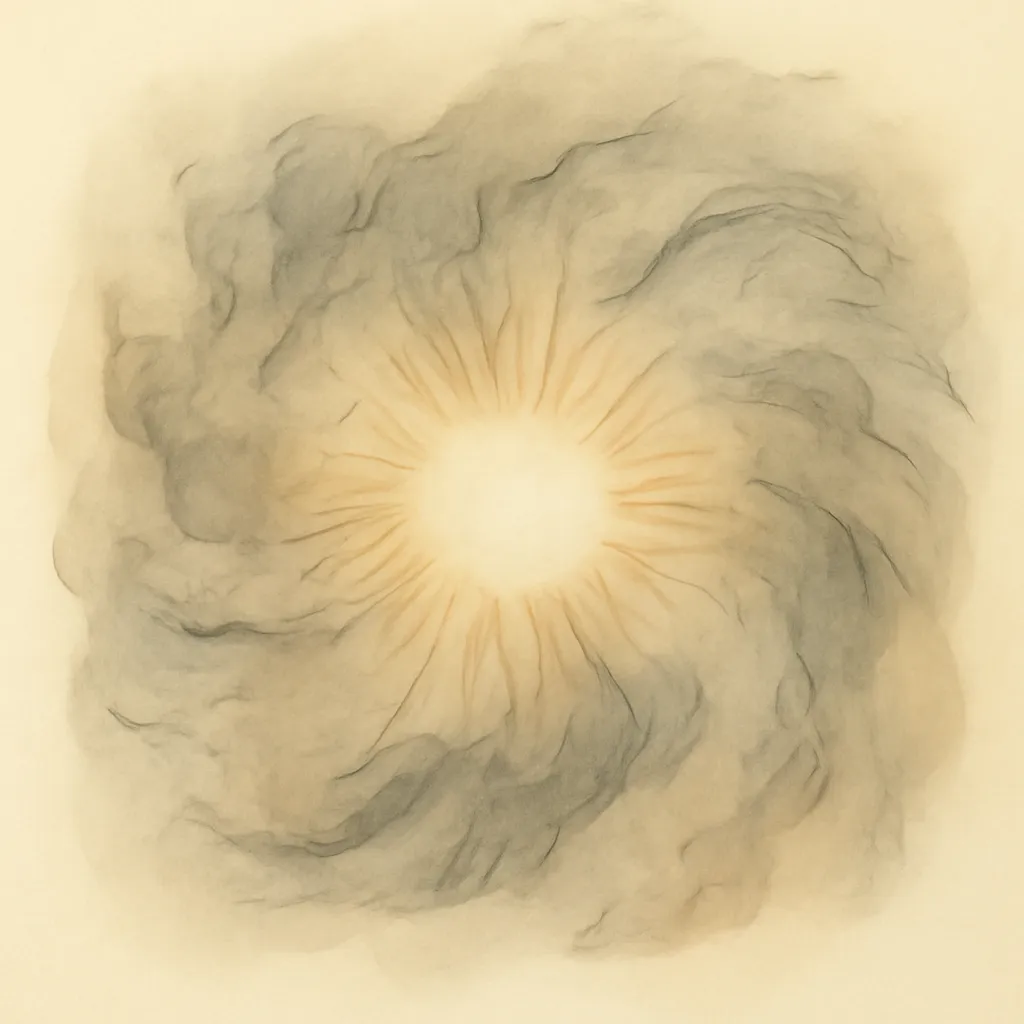
A central theme is the idea that time—and thus the universe—had a definite origin, as suggested by the Big Bang. Davies discusses the scientific evidence for a cosmic beginning and the possibility of an end, addressing both the physics and the philosophical implications. He considers whether time could have existed 'before' the Big Bang and what it would mean for time to come to an end.
3.The Arrow of Time and Entropy
Davies delves into why time appears to flow in one direction, from past to future, even though the fundamental laws of physics are time-symmetric. He explains the role of entropy and the second law of thermodynamics in creating the 'arrow of time,' and how this connects to the evolution of the universe, the emergence of life, and our own perception of time passing.
4.Time in Quantum Physics
The book examines how quantum theory complicates our understanding of time, introducing scenarios where time can behave non-classically or even disappear from the equations altogether. Davies discusses paradoxes like quantum entanglement and the measurement problem, highlighting how time at the quantum level remains one of the biggest mysteries in science.
5.Time, Consciousness, and Perception
Davies doesn’t shy away from the human side of the puzzle, exploring how our brains construct the sense of a flowing present and how this subjective experience relates to the objective, physical nature of time. He considers whether time’s passage is an illusion and what this means for our understanding of consciousness and free will.
6.Cosmological Puzzles and Paradoxes
Throughout the book, Davies highlights unresolved questions, such as why some stars appear older than the universe itself and how time might behave in extreme environments like black holes or the early universe. He uses these puzzles to illustrate the limits of current theories and the ongoing search for a deeper understanding.