1.A Journey Begins: The Allure of Nova Scotia
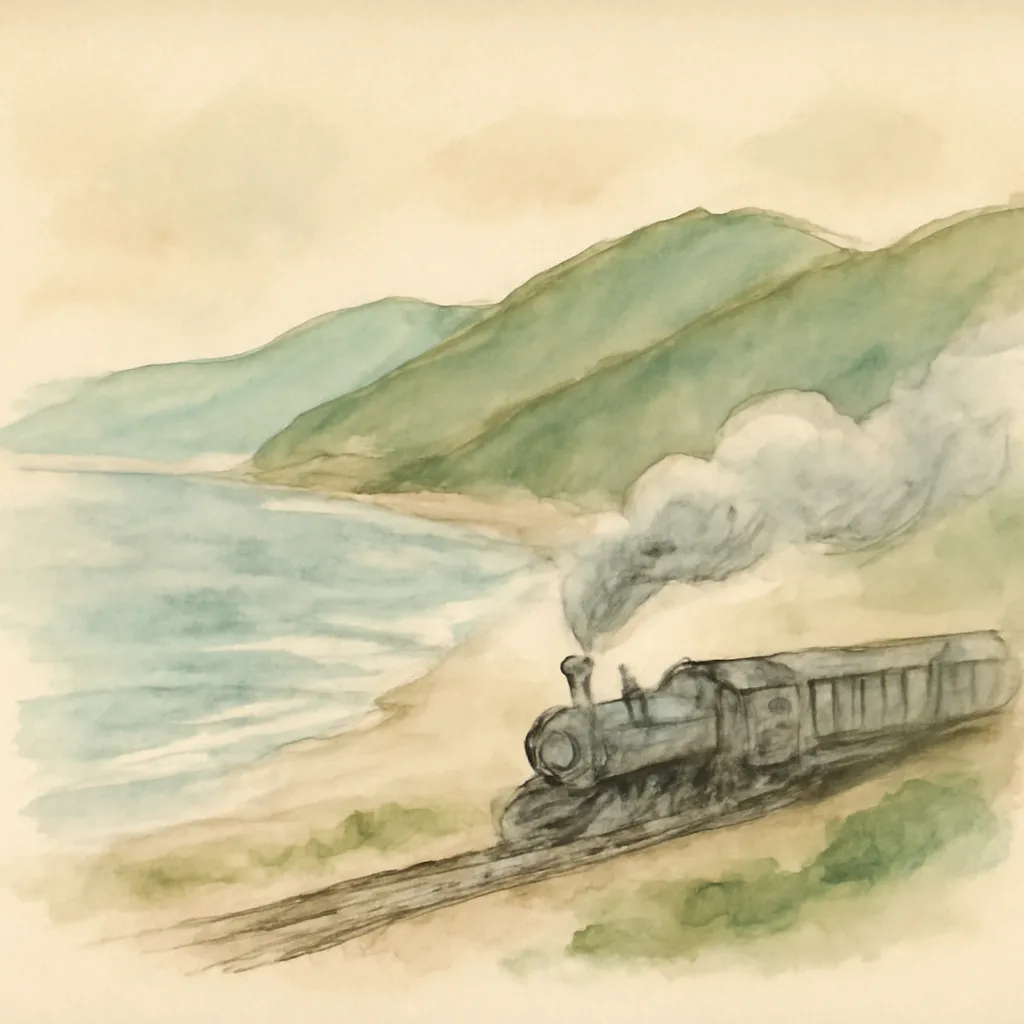
Cozzens begins his adventure in Nova Scotia with a sense of wonder and anticipation. The allure of the region is palpable as he describes the journey from Boston to Halifax, emphasizing the beauty of the Atlantic Ocean and the unique character of the province. He paints a vivid picture of the landscape, from the bustling port of Halifax to the serene coastal villages. The initial excitement is tinged with a hint of skepticism about the province's reputation, which has often been marred by fog and mystery. However, as Cozzens immerses himself in the local culture and history, he finds a wealth of beauty and richness that defies the stereotypes. His reflections set the tone for the exploration of Acadian life, inviting readers to reconsider their preconceived notions of this enchanting land.
2.Cultural Contrasts: The Acadian Mindset vs. American Hustle
One of the most compelling themes in 'Acadia' is the contrast between the tranquil, reflective nature of Acadian life and the frenetic pace of American society. Cozzens notes that the American mind often lacks the capacity for tranquility, a notion that becomes clear as he observes the slow, deliberate pace of the Acadian people. This is illustrated in his encounters with local villagers, who maintain their customs and language despite their proximity to Halifax. Cozzens argues that the Acadians' isolation has preserved their unique cultural identity, allowing them to exist in a world largely untouched by the rapid modernization that characterizes the neighboring American landscape. Through this lens, he encourages readers to appreciate the value of a slower, more contemplative way of life, one that prioritizes community and tradition over ambition and progress.
3.Evangeline: The Heart of Acadian Folklore
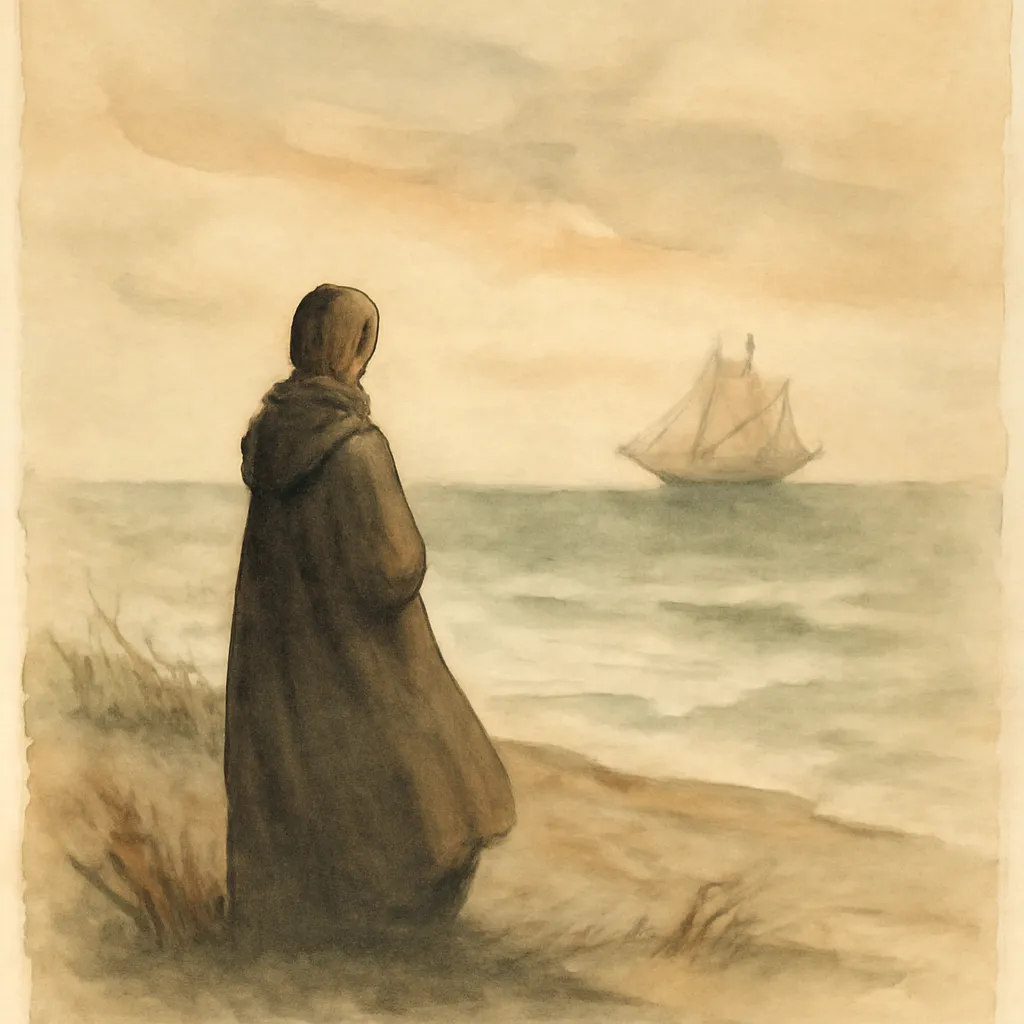
Cozzens weaves the story of Evangeline, a symbol of Acadian identity, into his narrative, drawing on Longfellow's famous poem to highlight the cultural significance of this character. Evangeline represents not only the beauty of Acadian women but also the profound sense of loss and longing that permeates Acadian history. The tale of Evangeline resonates deeply with the themes of love, displacement, and the quest for belonging, reflecting the experiences of the Acadian people during the tumultuous periods of conflict and exile. Cozzens emphasizes that the story of Evangeline is not just a work of fiction but a living legend that continues to inspire and connect the Acadian community. By exploring the roots of this folklore, he invites readers to engage with the emotional and cultural landscape of Acadia, fostering a greater understanding of its historical struggles and enduring spirit.
4.Halifax: A Garrison Town with a Rich History
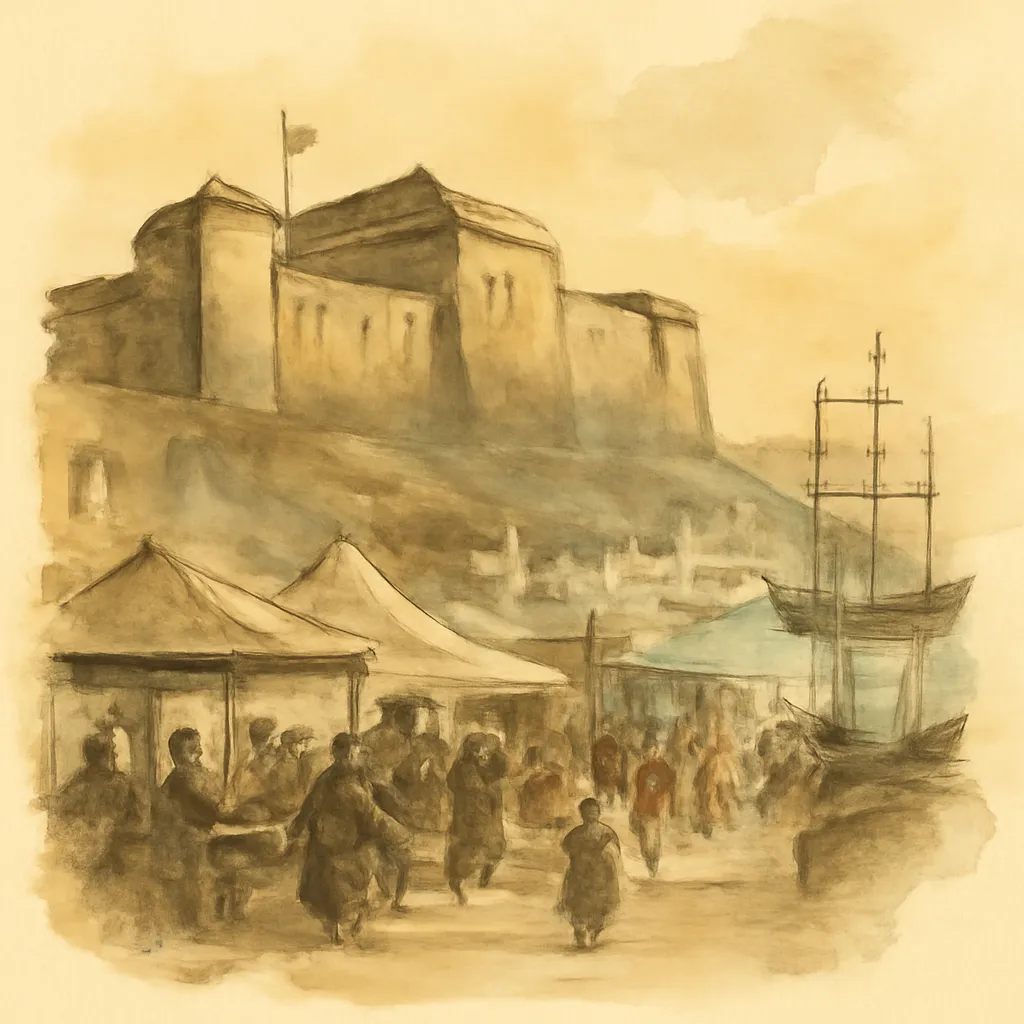
Halifax emerges as a central character in Cozzens' exploration of Acadia, serving as both a bustling garrison town and a gateway to the province's past. The author describes the city's architecture, its strategic significance during colonial conflicts, and the vibrant life of its inhabitants. Cozzens captures the essence of Halifax through its celebrations, market scenes, and the juxtaposition of military presence with civilian life. He delves into the historical events that shaped the city, including the Great Siege of Louisbourg and the impact of the Acadian Expulsion. Through his vivid descriptions, readers can envision the lively atmosphere of Halifax, filled with diverse cultures and histories. The city serves as a backdrop for the unfolding stories of resilience and adaptation, highlighting the complexities of identity in a region marked by both conflict and camaraderie.
5.Natural Beauty: The Landscape of Nova Scotia
Cozzens’ keen observations of the Nova Scotia landscape showcase the breathtaking beauty that defines Acadia. From the rugged coastline to the lush forests, he describes the natural wonders with a poetic flair, capturing the essence of the province's charm. His explorations reveal the intricate relationships between the land and its people, emphasizing how the environment shapes the culture and lifestyle of the Acadians. The author reflects on the seasons, the bounty of the sea, and the agricultural richness of the dyked lands, painting a picture of a region that thrives on its natural resources. The interplay of light and shadow, the sounds of the ocean, and the tranquility of the countryside create a vivid backdrop for his narrative, inviting readers to appreciate the profound connection between the Acadians and their land.
6.Historical Reflections: The Acadian Experience
Cozzens delves into the historical context of Acadia, examining the complex interactions between the French settlers and the English colonizers. He provides a nuanced account of the early encroachments by the English, detailing the tensions that arose as the two cultures clashed over territory and resources. Through his exploration of key events, such as the expulsion of the Acadians, he highlights the profound impact of colonial policies on the lives of ordinary people. The narrative is enriched with anecdotes and historical references, allowing readers to grasp the weight of history that hangs over the land. Cozzens emphasizes the resilience of the Acadian spirit, showcasing how, despite facing adversity, the community has preserved its identity and traditions. This historical lens adds depth to the narrative, encouraging readers to reflect on the broader implications of colonization and cultural survival.
7.The Everyday Lives of Acadians: A Study in Simplicity
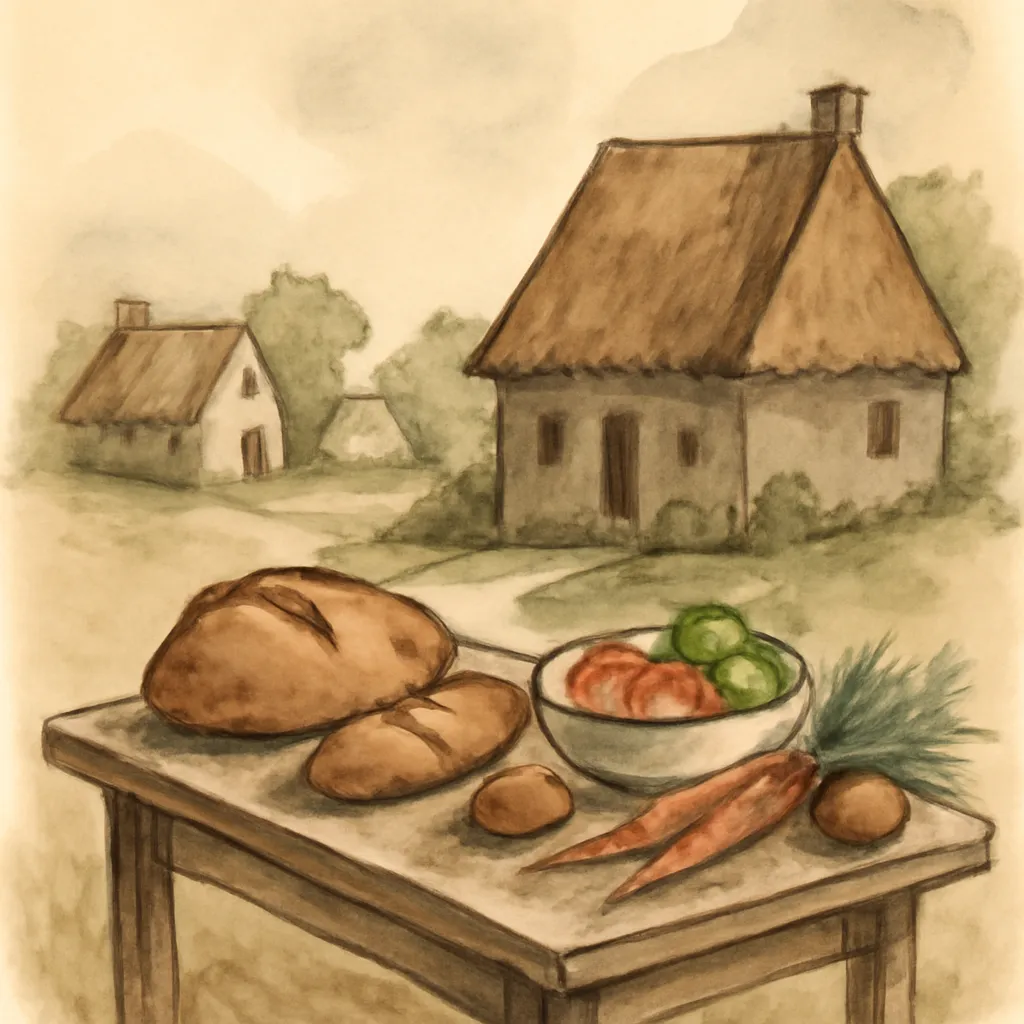
In 'Acadia,' Cozzens offers a glimpse into the everyday lives of Acadian peasants, revealing their customs, practices, and social structures. He paints a vivid picture of their simple yet fulfilling existence, highlighting their connection to the land and their reliance on traditional practices. The author describes the Acadians' agricultural routines, their communal gatherings, and the importance of family ties, showcasing a lifestyle that prioritizes community over individualism. Through his observations, readers can appreciate the values that underpin Acadian life, such as hospitality, hard work, and a deep respect for nature. Cozzens' portrayal of these everyday experiences serves to humanize the Acadians, inviting readers to empathize with their struggles and triumphs as they navigate the challenges of their environment.
8.The Micmac People: Interactions and Insights
Cozzens' journey also brings him into contact with the Micmac people, offering insights into their culture and way of life. He describes their settlements, traditions, and the intricate relationship they have with the Acadian settlers. The author reflects on the historical context of Indigenous and European interactions, emphasizing the complexities of coexistence and cultural exchange. Through anecdotes and observations, he highlights the Micmac's resilience and adaptability in the face of colonial pressures. Cozzens' respectful portrayal of the Micmac people adds another layer to the narrative, enriching the reader's understanding of the diverse cultural tapestry that defines Acadia. This exploration fosters a sense of appreciation for the Indigenous heritage that continues to influence the region today.
9.The Legacy of the Acadians: Resilience and Identity
Throughout 'Acadia,' Cozzens underscores the resilience of the Acadian people and their enduring identity in the face of adversity. He reflects on the traumatic history of the Acadian Expulsion and the subsequent struggles for recognition and rights. Despite these challenges, the Acadians have maintained a strong sense of community and cultural pride. Cozzens illustrates how the legacy of their ancestors shapes contemporary Acadian life, from language preservation to cultural celebrations. This exploration of identity emphasizes the importance of remembering and honoring one's roots, encouraging readers to reflect on the significance of heritage in their own lives. The narrative serves as a powerful reminder of the strength that comes from embracing one's history and the ongoing journey of cultural survival.
10.A Personal Journey: Cozzens' Reflections
As a traveler and observer, Cozzens shares his personal reflections throughout the narrative, providing a lens through which readers can engage with the text. His keen observations and thoughtful musings invite readers to consider their own perceptions of place and identity. Cozzens' journey becomes not only a physical exploration of Acadia but also a journey of self-discovery as he grapples with his own biases and preconceptions. His candid reflections on the contrasts between his American upbringing and the Acadian way of life encourage readers to challenge their assumptions and embrace the richness of diverse cultures. By sharing his experiences, Cozzens fosters a sense of connection with readers, inviting them to embark on their own journeys of exploration and understanding.