1.Breaking Free from Convention
Polly Street's journey begins with her dissatisfaction with her mundane life in Chicago. Despite being a capable young woman, her ambitions are stifled by societal expectations and family constraints. The decision to travel to Athens, Mexico, to see her brother on his wedding day represents a turning point for Polly. It is not merely an act of rebellion against her parents but also a quest for autonomy. In the early 1920s, women were often relegated to traditional roles, yet Polly's determination to pursue adventure showcases a burgeoning desire for independence that resonates with the feminist movements of her time. This theme of breaking free from convention highlights the struggles women faced in asserting their desires in a male-dominated society. Polly's decision to drive to the wedding on her own, despite her father's reservations, symbolizes her defiance against societal norms and her yearning for self-fulfillment.
2.The Allure of Adventure
Polly's decision to leave the comforts of home for the unknown reflects a deep-seated yearning for adventure. The novel vividly describes her journey across the border, where the stark contrast between the familiar and the unfamiliar serves to heighten her sense of excitement and trepidation. As she travels through the desert landscape, her imagination runs wild with the possibilities that lie ahead. This sense of adventure is not just about physical travel; it symbolizes a journey into self-discovery. Polly's experiences challenge her preconceived notions about life, love, and her own capabilities. The allure of adventure drives her forward, pushing her boundaries and ultimately transforming her into a more self-assured individual. Each encounter along the way, from the hardships of the terrain to the characters she meets, forces her to confront her fears and embrace the unknown, enriching her personal narrative.
3.Complex Family Dynamics
The relationship between Polly and her family, particularly her brother Bob, is central to the narrative. Their bond is depicted as both loving and complicated. Polly's feelings of resentment for not being able to attend Bob's wedding reveal her desire for connection and the pain of being left out of significant family events. This dynamic is further complicated by the family's financial struggles and the absence of their father, who is unable to support them during this pivotal moment. Polly's longing for familial ties is juxtaposed with her desire for independence, creating a rich emotional landscape. The tension between individual desires and family obligations is a recurring theme that adds depth to Polly's character. Her journey is as much about reconnecting with her brother as it is about redefining her place within her family, as she navigates the shifting expectations placed upon her as a woman in that era.
4.The Harsh Reality of Athens
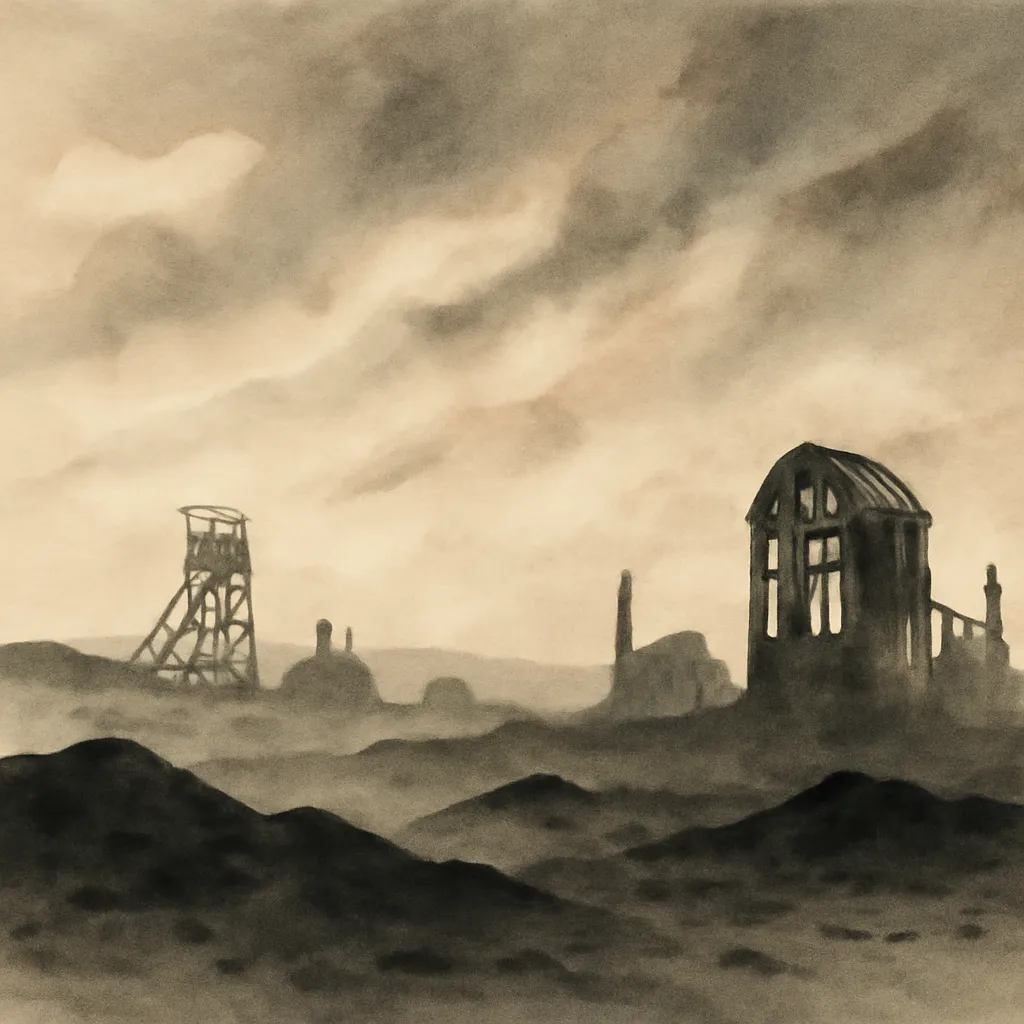
Athens, the mining town where Bob works, is portrayed as a rugged yet vibrant place where life is dictated by the demands of the coal industry. The depiction of Athens is not romanticized; instead, it presents a realistic view of a community grappling with the challenges of a tumultuous era. The town's rough edges serve as a backdrop for Polly's experiences, contrasting sharply with her sheltered upbringing. The mining community is characterized by its camaraderie and resilience, yet it also reflects the harsh realities of labor and the impact of industrialization on people's lives. Through Polly's interactions with the townsfolk, readers gain insight into the struggles and triumphs of those who inhabit this world. The authenticity of Athens adds a layer of complexity to Polly's journey, forcing her to confront the realities of life outside her privileged bubble. The struggles of the miners and their families serve as a sobering reminder of the costs associated with progress and industry, prompting Polly to see beyond her own experiences.
5.Friendship and Camaraderie
As Polly integrates herself into the life of Athens, she forms connections with various characters, including Marc Scott, the assistant superintendent, and Mrs. Van Zandt, who runs the boarding house. These relationships are crucial to her development, as they provide her with support and guidance in a foreign environment. Marc Scott, in particular, becomes a significant figure in Polly's life, representing both friendship and the potential for romance. Their interactions are filled with playful banter and underlying tension, as Polly grapples with her feelings for him while also maintaining her independence. The theme of friendship underscores the importance of human connections in navigating life's challenges. Polly's camaraderie with the townsfolk enriches her experience, highlighting the power of community in times of uncertainty. As she navigates her emotions and the complexity of her relationships, Polly learns that true friendship can be a source of strength and comfort, allowing her to face her fears head-on.
6.Love and Complication

The novel delicately explores the theme of love, particularly through Polly's evolving feelings for Marc Scott. Initially, she views him with a mix of admiration and frustration, struggling to reconcile her attraction with her desire for independence. As they face challenges together, including the dangers posed by local conflicts, their bond deepens. This complexity adds layers to their relationship, as Polly must navigate societal expectations regarding love and marriage. The tension between her burgeoning feelings and her commitment to her own freedom creates a compelling narrative arc. Love in 'Across the Mesa' is depicted not as a straightforward path, but rather as a journey that requires patience, understanding, and personal growth. Through moments of vulnerability and shared experiences, Polly learns that love is not merely about possession but about mutual respect and support. The intricate dance between love and independence is a central theme that resonates with readers, reflecting the challenges many face in balancing personal desires with the expectations of relationships.
7.Courage in the Face of Danger
Throughout her journey, Polly encounters various dangers that test her courage and resolve. From the treacherous landscape of Mexico to the unpredictable nature of local conflicts, she learns to confront her fears head-on. One pivotal moment occurs when she must make a decision to act during a raid, showcasing her transformation from a passive observer to an active participant in her own story. This theme of courage resonates throughout the narrative, emphasizing that true bravery is not the absence of fear but the willingness to confront it. Polly's ability to rise to the occasion, despite her initial trepidation, serves as an empowering message for readers. Her journey illustrates that courage often comes unexpectedly, revealing the strength that lies within. Through her experiences, she learns that bravery is not just about facing external threats but also about confronting the internal battles that come with making bold choices.
8.The Role of Women in Society
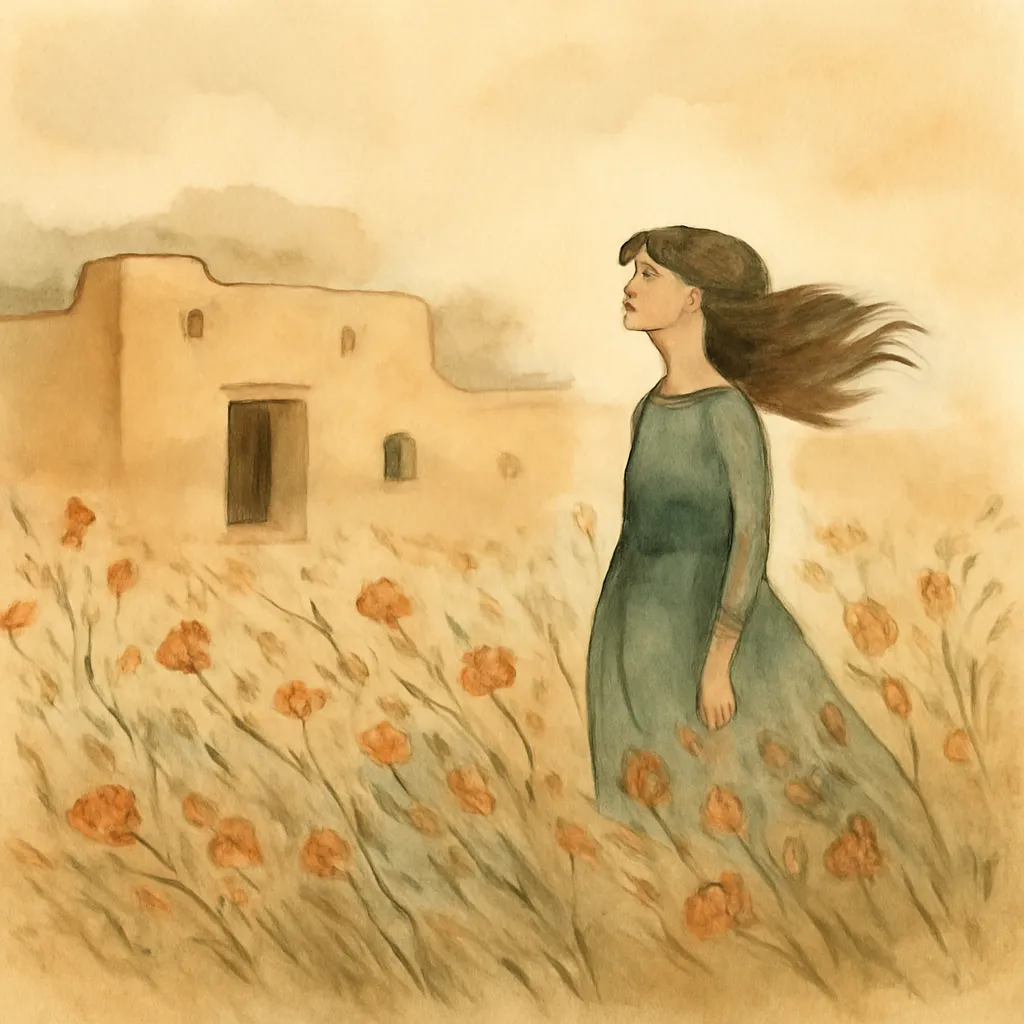
Polly's journey serves as a lens through which the role of women in society is examined. Set in a time when women were often expected to conform to traditional roles, Polly's defiance of these norms highlights the shifting landscape of gender expectations. Her desire for adventure and independence reflects the growing movement for women's rights during the early 20th century. The novel presents a contrast between Polly and other female characters, such as Mrs. Van Zandt, who embodies the nurturing role of women while also demonstrating resilience. This exploration of women's roles is significant, as it showcases the various ways women navigated societal constraints while pursuing their own aspirations. Polly's character becomes a symbol of the changing tides, representing the potential for women to carve out their own identities. The narrative challenges traditional notions of femininity, encouraging readers to consider the modern implications of these themes in today's society.
9.Conflict and Resolution
The backdrop of political unrest in Mexico serves as a catalyst for the characters' development and the unfolding of the plot. The tensions between different factions create an atmosphere of uncertainty that permeates the narrative. Polly's experiences are intertwined with the larger conflicts occurring in Athens, forcing her to confront not only her personal struggles but also the realities of a society in turmoil. The resolution of these conflicts, both personal and political, is crucial to the story's progression. Polly learns to navigate the complexities of her environment, ultimately emerging stronger and more self-aware. The intertwining of personal and societal conflicts underscores the theme that individual journeys are often shaped by the larger narratives at play. As Polly witnesses the impacts of conflict on the lives of those around her, she develops a deeper understanding of the interconnectedness of personal and communal experiences.
10.Self-Discovery and Growth
At its core, 'Across the Mesa' is a story of self-discovery. Polly's journey is not just about reaching Athens; it is about uncovering her own identity and capabilities. Each challenge she faces forces her to reevaluate her beliefs and desires, leading to significant personal growth. By the end of the novel, Polly emerges as a more confident and self-assured individual, ready to face whatever life throws her way. This theme of self-discovery resonates with readers, as it highlights the importance of embracing change and the transformative power of experiences. Polly's evolution serves as an inspiring reminder that the journey toward understanding oneself is often fraught with obstacles but ultimately rewarding. The novel emphasizes that growth often comes from stepping outside one's comfort zone and embracing the unknown, showcasing the importance of resilience in the face of adversity.