1.The Weight of Expectations
From the outset, Addie's life is shaped by the weight of familial and societal expectations. Her brother Hal's playful proclamation, 'Adelaide Lefroy, lift your lovely head, my dear; you're to marry a gentleman,' highlights a sense of obligation and anticipation surrounding her future. Addie's initial acceptance of this news is tinged with uncertainty, as she wonders about the implications of marrying into gentility. This tension between personal desire and societal pressure is a recurring theme throughout the narrative, as Addie often finds herself at the crossroads of what is expected of her and what she truly wants. The author masterfully illustrates how these expectations can both empower and suffocate individuals, particularly women, as they navigate their roles within the family and society.
2.Family Dynamics and Support
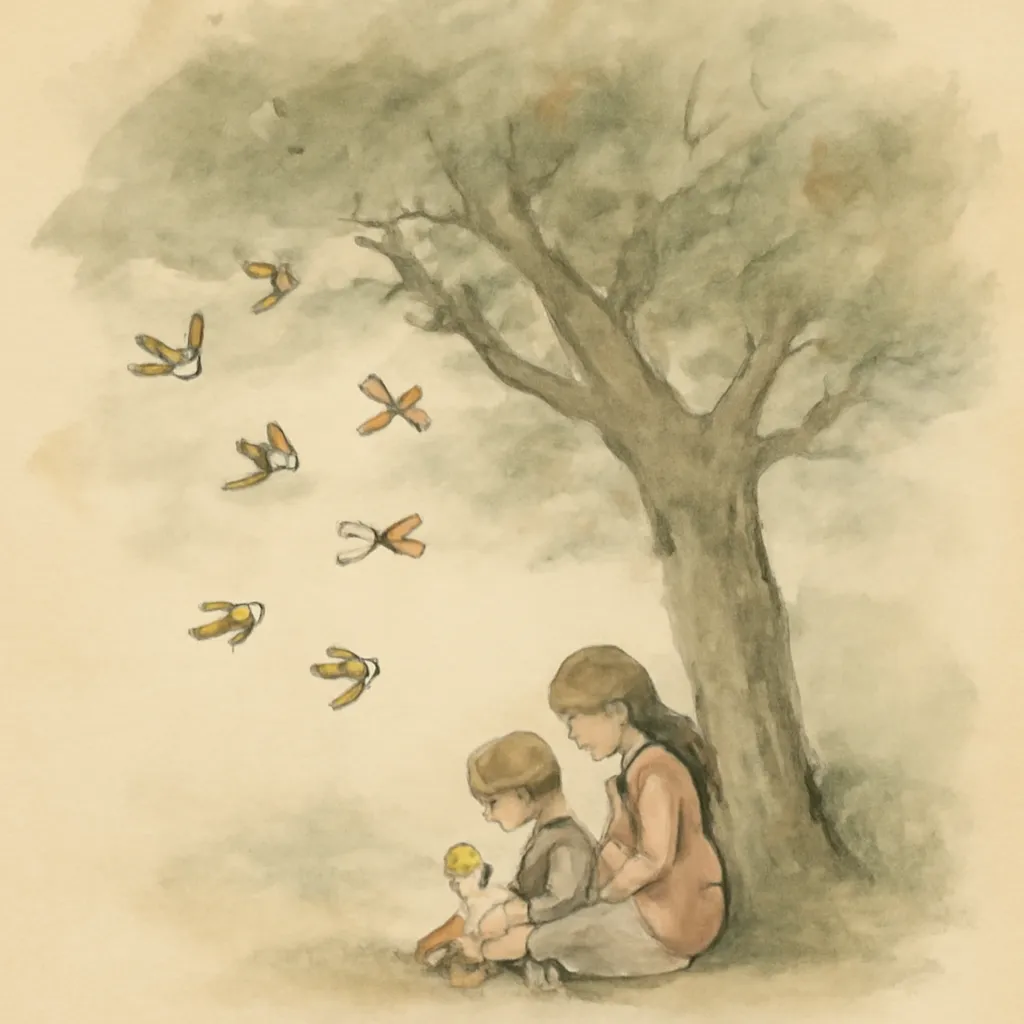
The Lefroy family's dynamics play a crucial role in shaping Addie's character and choices. As the eldest sister, Addie feels a sense of responsibility to guide and protect her younger siblings, like Goggles and Lottie, who represent innocence and vulnerability. The playful banter among the siblings serves to illustrate their close-knit bond, yet it also reveals the underlying tensions as they confront the family's declining fortunes. Addie's interactions with her brother Robert further complicate her emotional landscape; his bitterness over their father's decisions reveals the strains that financial ruin can place on familial relationships. This portrayal of family dynamics underscores the importance of support systems, as Addie grapples with her own aspirations while feeling the weight of her family's struggles. The author effectively conveys that, even amidst turmoil, the ties of family can provide both comfort and conflict.
3.Education as a Path to Empowerment
Addie's journey toward independence is significantly influenced by her education and the role of her governess, Miss Rossitor. The narrative highlights the importance of education in empowering young women during a time when their roles were largely confined to the domestic sphere. Miss Rossitor's efforts to instill knowledge and discipline in the Lefroy children reflect a progressive approach to female education, emphasizing that intellectual growth can lead to greater autonomy. However, Addie's realization of her own limitations and societal constraints brings forth the question of whether education alone is sufficient for women to break free from traditional roles. Through Addie's struggles with her upcoming responsibilities as a governess, the novel sparks a dialogue about the transformative power of education and its potential to challenge societal norms.
4.The Illusion of Gentility
The concept of gentility permeates the narrative, serving as both a goal and a source of disillusionment for Addie. Initially, the idea of marrying a gentleman seems to promise a life of stability and respectability. However, as Addie navigates her new life with Mr. Armstrong, the reality of their circumstances unfolds, revealing the complexities of class and status. The juxtaposition of Addie's romantic ideals with the harsh realities of her marriage underscores the illusion of gentility, as she grapples with the expectations placed upon her as a wife. The author poignantly illustrates that gentility does not guarantee happiness or fulfillment, challenging the notion that social status is synonymous with personal worth. Through Addie's experiences, readers are reminded that true value lies not in societal approval but in personal authenticity and emotional connection.
5.Navigating Marital Expectations
Marriage serves as a central theme in 'Addie's Husband,' exploring the expectations and realities faced by women in the context of their relationships. Addie's initial excitement about her impending marriage soon gives way to anxiety as she contemplates the sacrifices and compromises required to maintain harmony within her new household. The tension between her desires and the role of a dutiful wife becomes increasingly pronounced, leading Addie to question her identity and agency within the marriage. The author skillfully captures the emotional turmoil that arises when personal aspirations clash with societal expectations, portraying the complexities of love and commitment. This exploration of marital dynamics resonates with contemporary readers, as it reflects ongoing discussions about the roles and responsibilities of spouses in modern relationships.
6.The Impact of Financial Ruin
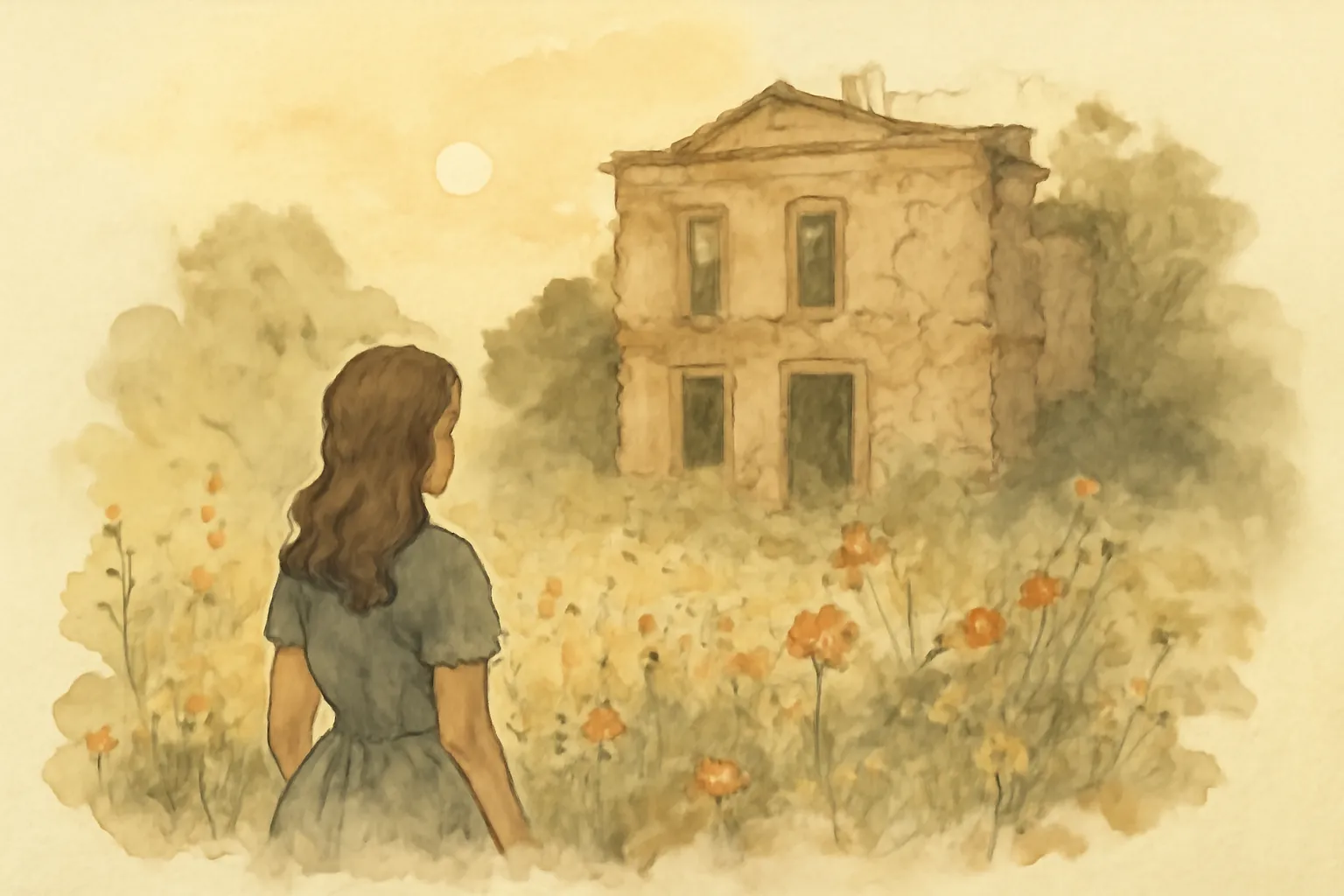
The Lefroy family's financial decline serves as a poignant backdrop to the narrative, shaping the characters' motivations and decisions. The loss of their ancestral home, Nutsgrove, symbolizes the broader societal shifts occurring during the time, as class structures are challenged and redefined. Addie's emotional response to the family's situation reflects a deep sense of loss, not only of material possessions but also of identity and legacy. The author adeptly illustrates how financial ruin can fracture familial bonds, as seen in Robert's bitterness and resentment toward their father. This exploration of economic instability underscores the fragility of social status and the far-reaching effects of financial hardship on individual lives. Through the Lefroy family's struggles, readers are reminded of the importance of resilience and adaptability in the face of adversity.
7.A Journey of Self-Discovery
Addie's journey is ultimately one of self-discovery, as she grapples with her identity in the wake of her marriage and family obligations. Throughout the narrative, she is confronted with choices that force her to reevaluate her values and aspirations. The moment she is faced with Mr. Armstrong's proposal, Addie experiences a profound awakening, realizing that her happiness cannot be solely defined by societal standards. The author skillfully illustrates this internal conflict, as Addie oscillates between duty and desire, ultimately seeking to forge her own path. This theme of self-discovery resonates deeply, as it reflects the universal struggle to find one's place in a world that often imposes rigid expectations. Addie's evolution serves as a reminder that true fulfillment comes from within, rather than from external validation.
8.Love and Sacrifice
The narrative intricately weaves themes of love and sacrifice, as Addie's relationships with her family and husband are tested by external pressures. Her love for Robert and her siblings is evident, yet it is complicated by the sacrifices she must make to support their well-being. The tension between personal desires and familial obligations becomes particularly pronounced as Addie navigates her marriage to Mr. Armstrong. The author poignantly captures the emotional toll of these sacrifices, illustrating that love often requires individuals to confront their own needs and aspirations. This exploration of love's complexities invites readers to reflect on the nature of sacrifice within relationships, challenging the notion that love is always selfless. Through Addie's experiences, the narrative reveals that love can be both a source of strength and a catalyst for personal growth.
9.The Duality of Public and Private Life
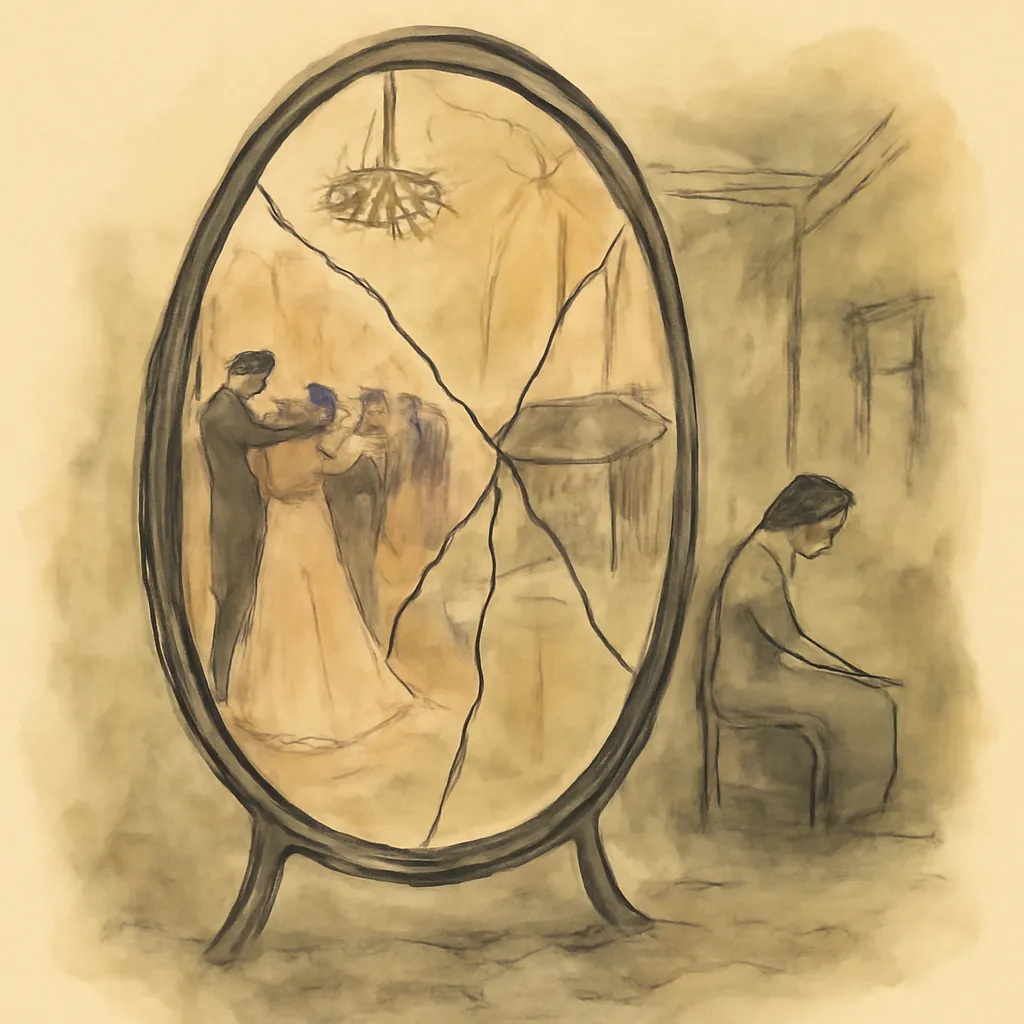
Smythies explores the duality of public and private life, particularly as it pertains to Addie's experiences in society. The contrast between Addie's domestic struggles and her public persona as Mrs. Armstrong highlights the complexities of navigating social expectations. As she attends events and interacts with the local gentry, Addie is acutely aware of the performance required to maintain her status as a gentleman's wife. This tension between her public image and private reality underscores the challenges women face in balancing societal expectations with personal authenticity. The author skillfully illustrates that the pressure to conform to social norms can lead to feelings of isolation and disconnection, as individuals grapple with the disparity between their true selves and the roles they are expected to play.
10.The Role of Community
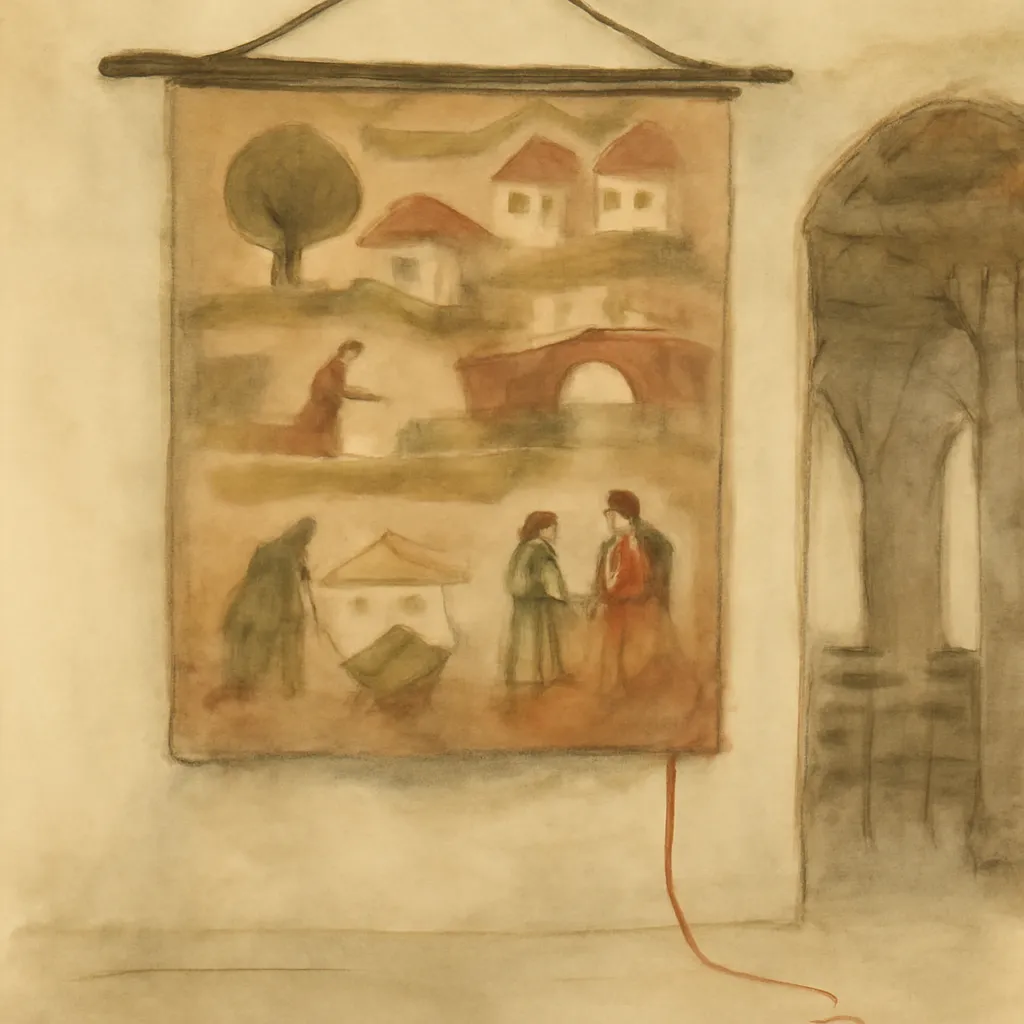
The Lefroy family's story is deeply intertwined with the community surrounding Nutsgrove, reflecting the importance of social connections and support systems. Characters like Miss Rossitor and Aunt Jo serve as anchors in Addie's life, providing guidance and companionship during tumultuous times. The portrayal of community dynamics illustrates how relationships can offer solace and strength in the face of adversity. However, the narrative also reveals the darker aspects of community, as gossip and societal judgment can exacerbate individuals' struggles. Addie's experiences highlight the dual nature of community, encompassing both the nurturing and the critical. This exploration invites readers to consider the impact of social structures on personal identity and well-being, emphasizing the significance of both support and scrutiny in shaping individual lives.