1.The Trapper's Dilemma
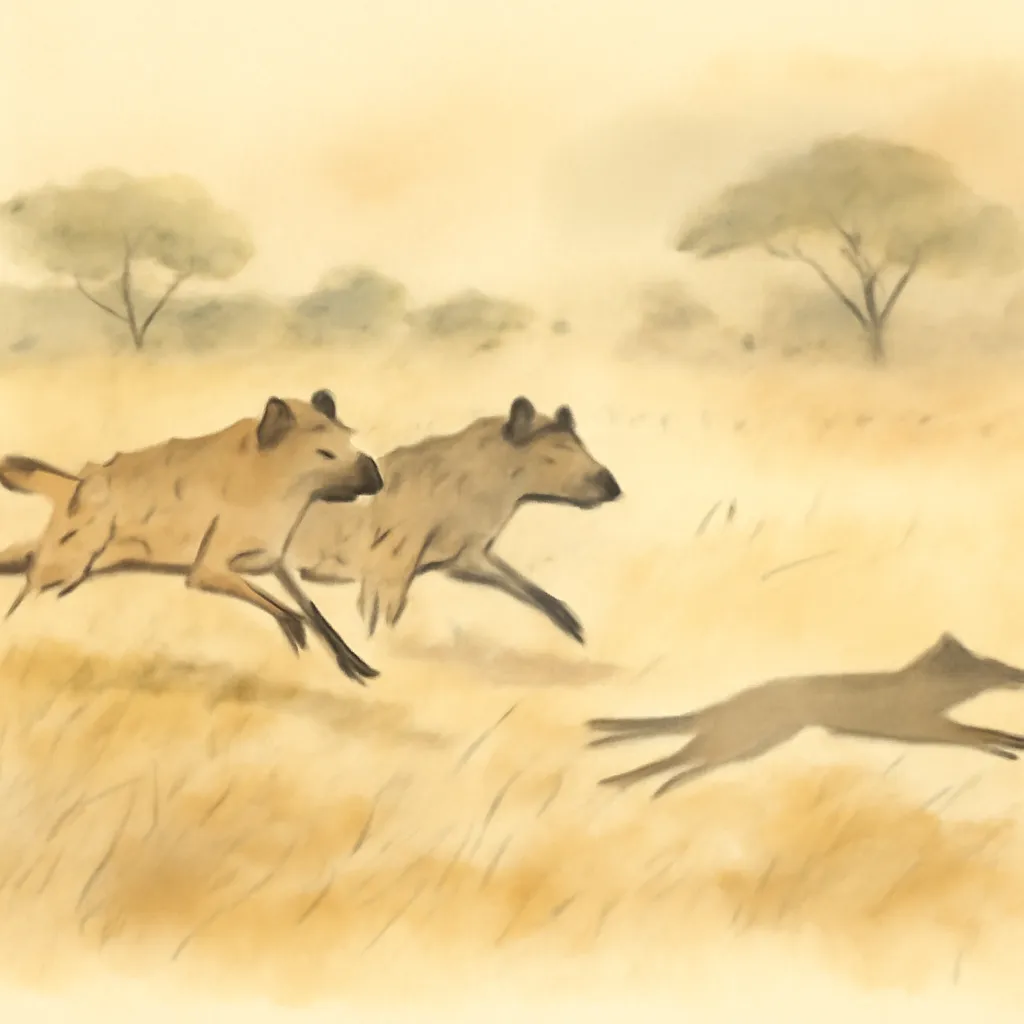
Arthur Spencer's harrowing encounter with a pack of spotted hyenas exemplifies the unpredictable dangers faced by trappers. Unlike hunters who kill for sport, trappers like Spencer must navigate the complexities of capturing living creatures, often putting themselves in perilous situations. In one instance, while separated from his party and exhausted, Spencer falls asleep in the African wilderness, a decision fraught with risk. Awakened by the laughter of hyenas, he realizes their interest in him is not mere curiosity but a predatory instinct. Spencer’s trained instincts kick in as he assesses the situation; he knows he must remain calm and not react impulsively. This encounter not only illustrates the physical dangers of trapping but highlights the mental acuity required to survive in the wild, where every decision can mean the difference between life and death.
2.Conflict in the Lahore Museum
The chaotic fight that erupts in the Lahore Museum serves as a microcosm of deeper social tensions and hidden agendas. The skirmish between a tall native and two others, initially perceived as a simple brawl, is revealed to be a pre-arranged distraction. This clever ruse allows the individuals involved to achieve their objectives without drawing undue attention. The presence of the museum's artifacts, particularly ancient weapons, becomes a backdrop for a struggle that is more than physical; it underscores the historical and cultural significance of the items on display. The incident invites readers to consider the lengths to which people will go to protect their interests and the intricate dynamics of friendship and rivalry that can exist beneath the surface of apparent conflict.
3.The Disappearance of Mark Mullen
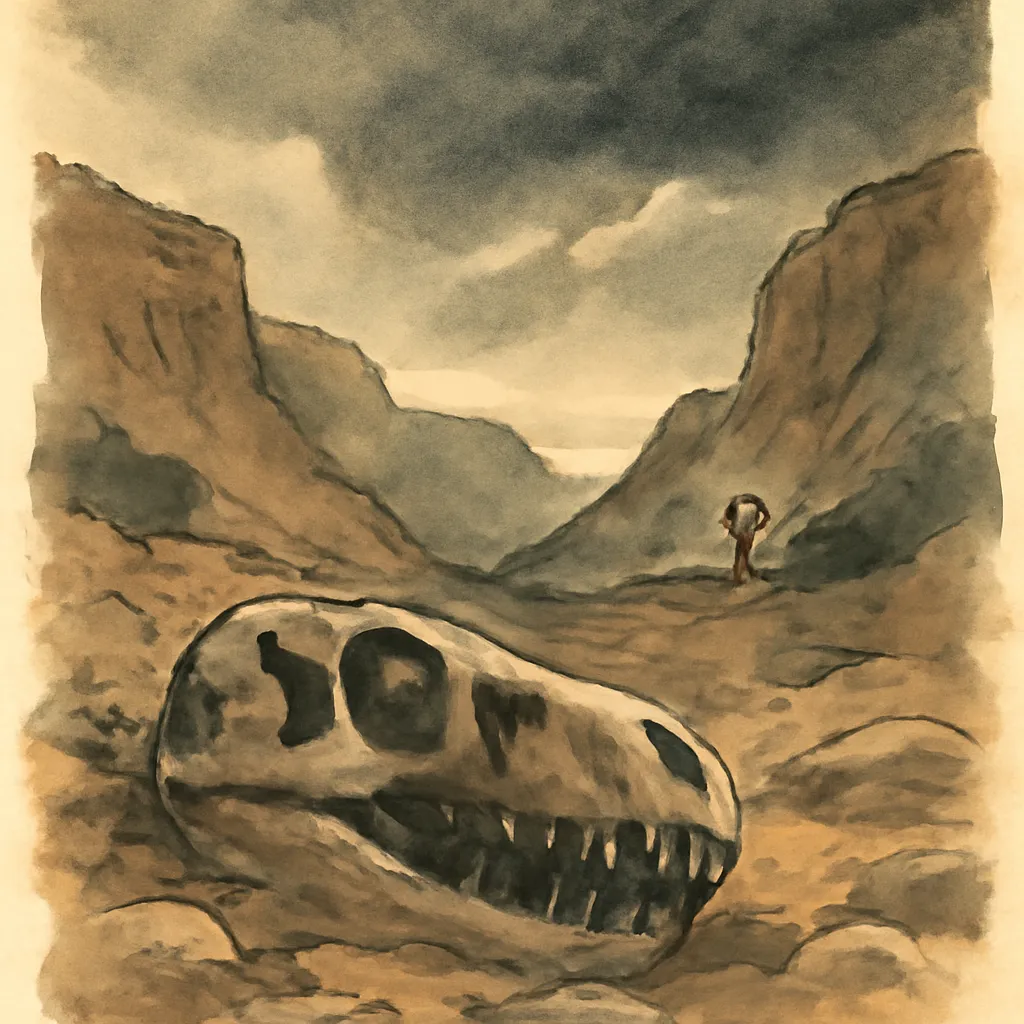
Mark Mullen’s sudden disappearance during a search for fossils introduces an element of suspense and mystery that permeates the narrative. As his father and friend embark on a frantic search, the story pivots from exploration to a gripping rescue mission. The dynamics between the characters—Doctor Mullen, Tom Ellison, and Burton—reveal different approaches to problem-solving and the emotional stakes involved. Doctor Mullen’s distress is palpable as he grapples with the possibility of his son being in danger. The introduction of native boys and the suggestion of hidden treasures further complicate the search, illustrating how the quest for knowledge can intersect with peril. This section exemplifies the unpredictability of adventure, where the pursuit of scientific discovery can lead to unforeseen challenges and the necessity of quick thinking in critical situations.
4.The Role of the Mysterious Fakir
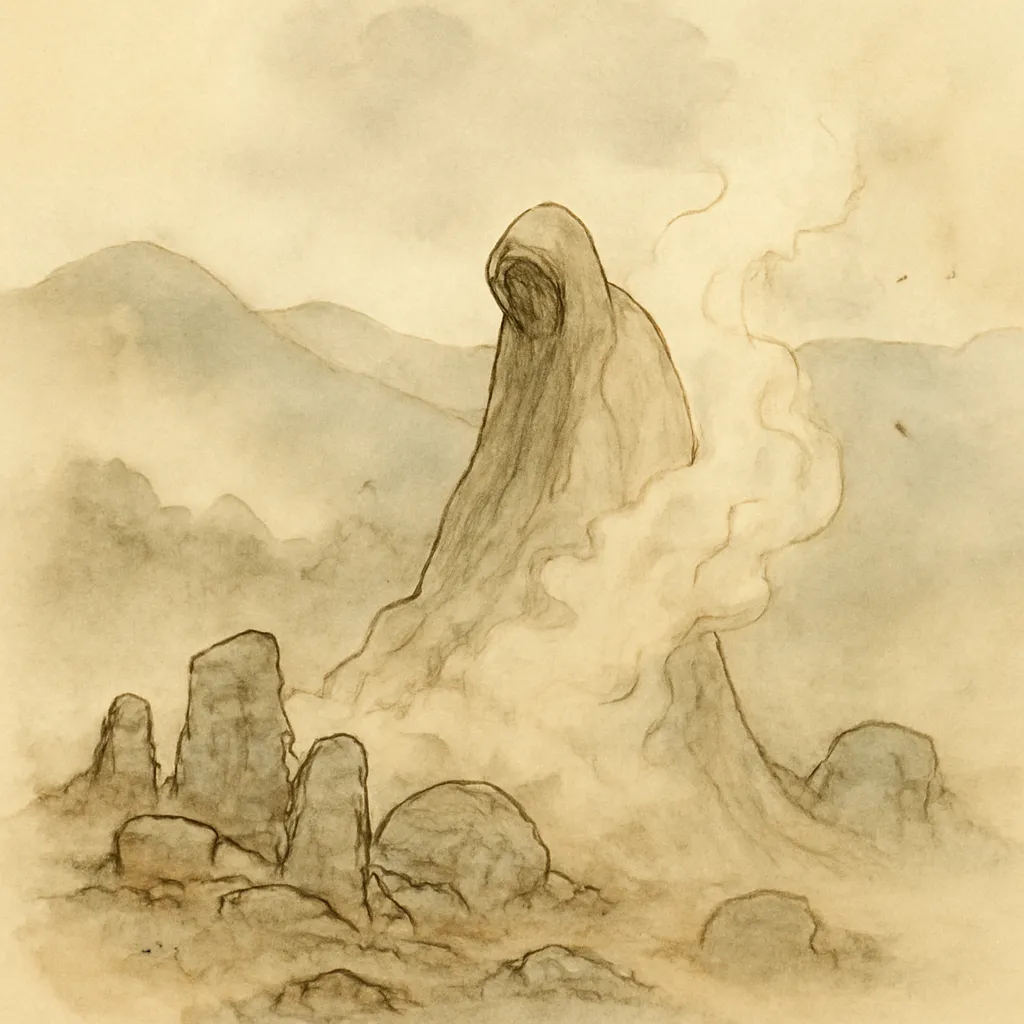
The enigmatic figure of the Fakir adds a layer of intrigue and mysticism to the narrative, highlighting the intersection of local beliefs and the broader quest for knowledge. As the characters navigate the landscape of the Salt Range, the presence of this mysterious figure suggests that not all adversaries are visible, and that danger can lurk in unexpected forms. The Fakir's knowledge of the Cave of Hydas serves as a crucial plot point, representing the hidden wisdom and secrets that the adventurers are striving to uncover. This element of mystique emphasizes the cultural richness of the setting and the idea that exploration is not just about physical landscapes but also about understanding the complexities of human belief systems. The characters’ interactions with the Fakir illustrate how local lore can impact their journey, shaping their decisions and the course of events.
5.Appoyas and the Web of Deceit
The character of Appoyas embodies the themes of wealth, power, and deception that are woven throughout the narrative. Initially perceived as a respected figure in the Salt Range, Appoyas’s true nature is revealed through Burton’s investigative efforts. The suspicion surrounding him suggests that appearances can be misleading, and that even those who seem honorable may harbor sinister motives. Burton's keen observations and tracking skills highlight the importance of vigilance in the face of danger. The unfolding plot around Appoyas and his gang underscores the idea that adventure often involves navigating a landscape of moral ambiguity, where allies may turn out to be foes. This tension drives the narrative forward, compelling the characters to confront their assumptions and adapt to the evolving threats they face.
6.The Intricacies of Knowledge and Power
The quest for knowledge, as epitomized by Doctor Mullen's search for fossils, is portrayed as a double-edged sword. While the pursuit of scientific discovery is noble, it also invites conflict and rivalry. The fragments of the slab that Mullen discovers link to the Cave of Hydas, suggesting that knowledge can be both a treasure and a target for those who seek to control it. This theme is echoed in the interactions between the characters, where the desire to uncover truths often clashes with the protective instincts of those who guard secrets. The narrative encourages readers to reflect on the ethical implications of knowledge acquisition and the responsibilities that come with it. As Mullen and his companions navigate the complexities of their search, they must also grapple with the consequences of their discoveries.
7.The Thrill of the Chase
Adventure is inherently tied to the thrill of the chase, a theme that resonates throughout the stories in this collection. From Spencer's encounters with hyenas to the frantic search for Mark, each narrative captures the adrenaline rush that accompanies high-stakes situations. The characters are driven by a combination of curiosity, ambition, and survival instincts, illustrating how the desire for adventure can propel individuals into dangerous circumstances. This pursuit often leads to unexpected discoveries, both about the world and about themselves. The thrill of the chase serves as a catalyst for character development, pushing individuals to confront their fears, make quick decisions, and rely on their instincts. The stories remind us that adventure is not merely a series of events but a transformative journey that shapes identities and relationships.
8.Friendship and Loyalty in Adventure
The bonds of friendship and loyalty are central to the characters’ experiences in Adventures in Many Lands. The relationships between Doctor Mullen, Tom Ellison, and Burton reflect the importance of camaraderie in overcoming challenges. Their shared experiences create a sense of solidarity, highlighting that adventure is often best navigated with trusted companions. The narrative explores how these friendships are tested in times of crisis, requiring characters to rely on one another for support and courage. The dynamics of their interactions reveal the complexities of loyalty, as characters must balance personal ambitions with the well-being of their friends. This theme underscores the idea that adventure is not solely about individual achievement; rather, it is enriched by the connections forged during the journey, making the experience more meaningful.
9.The Interplay of Nature and Humanity
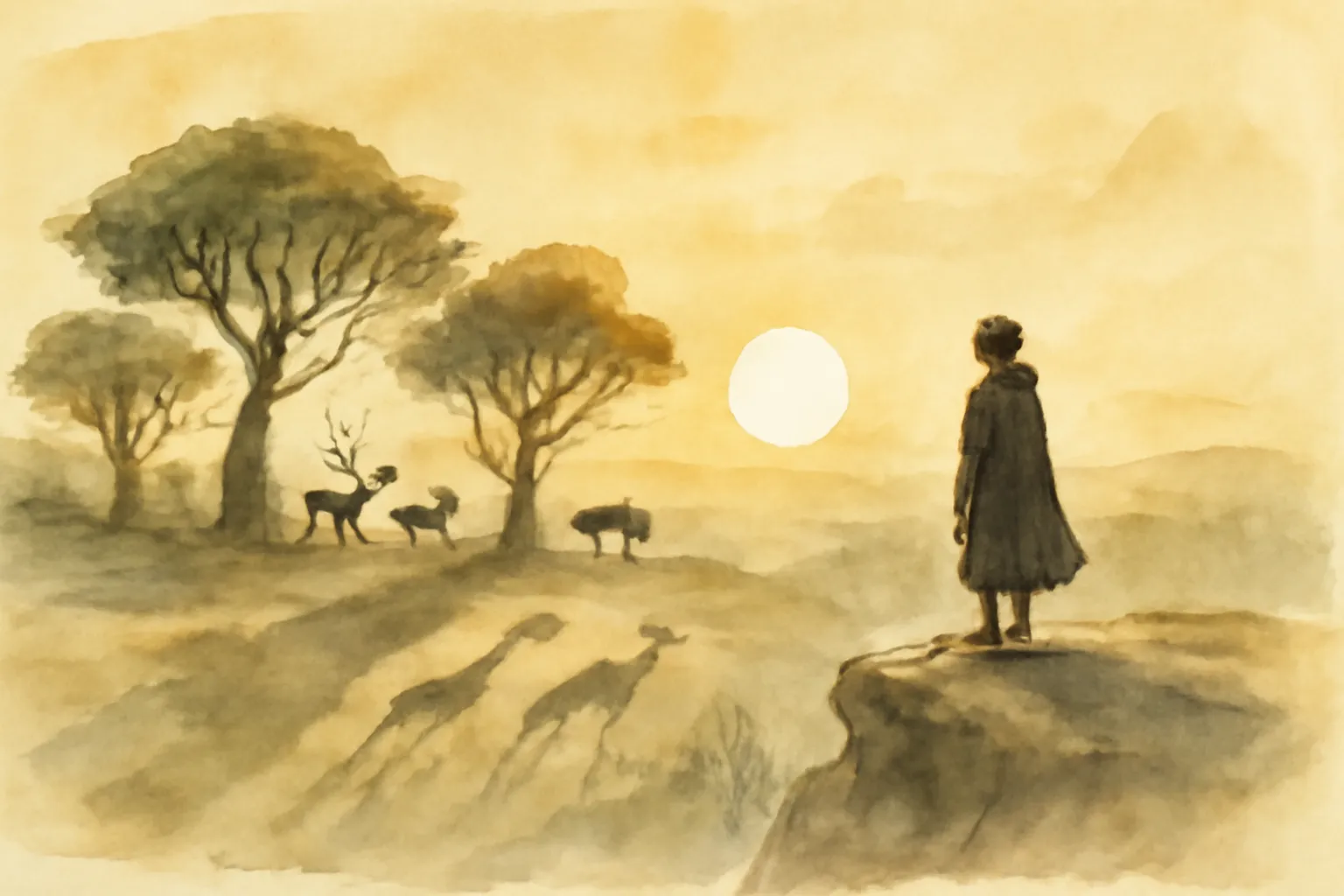
The stories in this collection vividly illustrate the interplay between nature and humanity, showcasing how the environment shapes experiences and challenges. From the scorching heat of the African wilderness to the rugged terrain of the Salt Range, the characters must adapt to the demands of their surroundings. Nature is portrayed as both a formidable adversary and a source of beauty, reflecting the duality of the human experience. The characters’ interactions with wildlife, particularly Spencer’s encounter with hyenas, emphasize the need for respect and understanding of the natural world. This relationship invites readers to consider the broader implications of human actions on the environment and the importance of coexisting with nature. The narrative serves as a reminder that adventure is not just about conquering landscapes, but also about appreciating the complexities of the world we inhabit.
10.The Legacy of Adventure
The legacy of adventure is a recurring theme that resonates throughout the stories, inviting readers to reflect on the impact of exploration on both individuals and society. The characters’ quests for knowledge and survival contribute to a larger narrative about human resilience and the pursuit of understanding. Each story serves as a testament to the enduring spirit of adventure, illustrating how encounters with the unknown can lead to personal growth and transformation. The legacies left behind by explorers, whether through discoveries or cautionary tales, highlight the importance of documenting experiences for future generations. This theme encourages readers to consider their own journeys and the stories they wish to tell, reminding us that adventure shapes not only our lives but also the collective memory of humanity.