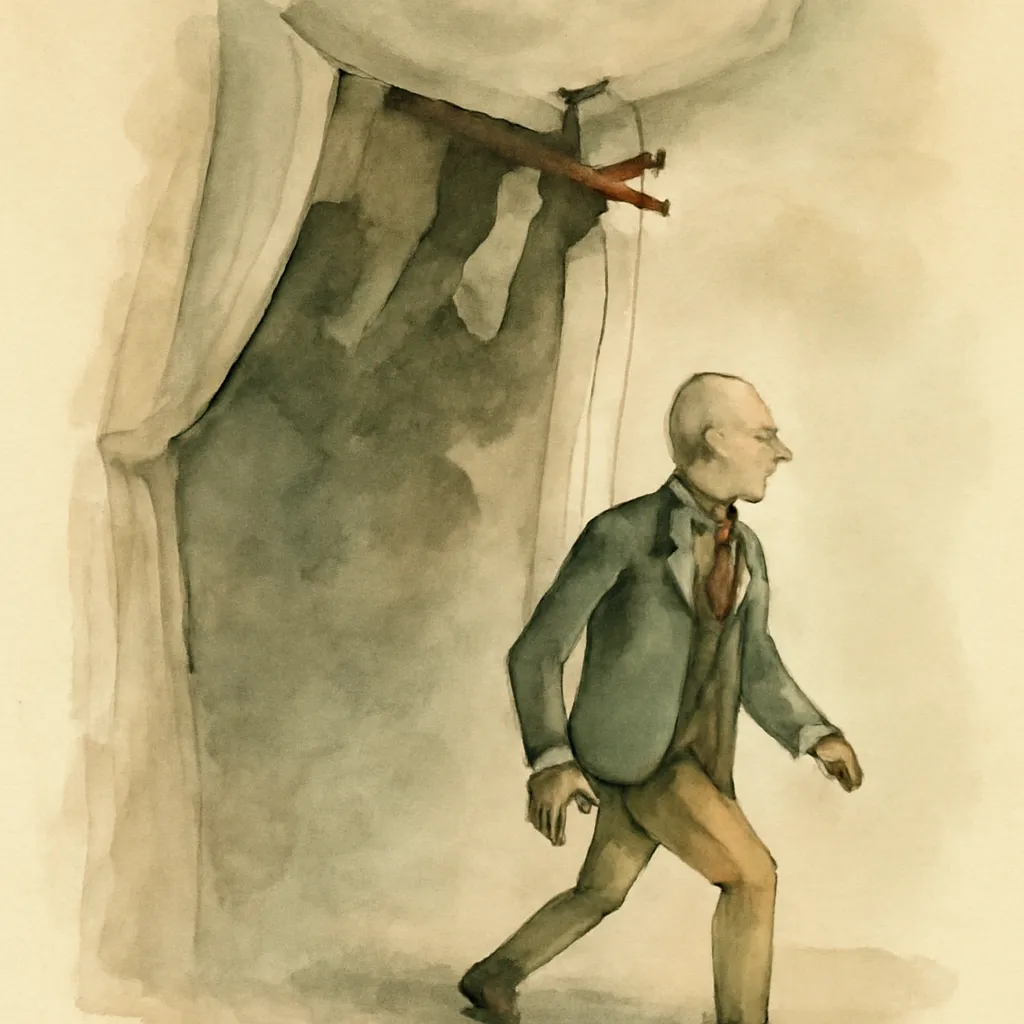
1.The Fragility of Democratic Institutions
Drury’s novel lays bare the delicate balance that underpins American democracy. The Senate’s constitutional role to 'advise and consent' on presidential appointments is shown not as a mere formality, but as a crucible where the nation’s values, fears, and ambitions collide. The story reveals how easily these institutions can be manipulated by personal vendettas, ideological extremism, and political expediency, raising questions about the resilience of democracy under stress.
2.Moral Compromise and Personal Integrity
At its core, Advise and Consent is a meditation on the cost of holding—or abandoning—one’s principles. Through characters like Senator Brigham Anderson, the novel explores the personal toll exacted by political life, especially when past secrets or unpopular convictions threaten public standing. Drury suggests that the pressures of power often force individuals to choose between self-preservation and doing what is right, with tragic consequences.
3.The Machinery of Political Manipulation
Drury meticulously details the methods by which politicians manipulate public opinion, colleagues, and the media. The confirmation hearings become a stage for calculated leaks, character assassination, and backroom deals. The novel demonstrates how truth and reputation can be weaponized, and how political outcomes are often shaped less by merit than by the skillful deployment of pressure and persuasion.
4.The Limits of Idealism
While some characters are driven by genuine ideals, Drury is unsparing in his portrayal of how idealism can be compromised or exploited. The Senate, for all its traditions and rhetoric, is depicted as a place where lofty principles frequently collide with harsh realities. The novel interrogates whether idealism can survive in the face of relentless pragmatism and the demands of realpolitik.
5.The Human Cost of Public Life
Advise and Consent does not shy away from the personal consequences of political conflict. The novel’s most poignant moments involve the private suffering of public figures, especially when personal vulnerabilities become ammunition in political warfare. Drury’s sensitive treatment of these costs—particularly in the context of mid-century attitudes toward scandal and sexuality—adds emotional depth and contemporary resonance.
6.The Enduring Relevance of Political Drama
Though set in the 1950s, the dynamics Drury depicts—polarization, demagoguery, media manipulation—feel strikingly modern. The novel’s enduring relevance lies in its recognition that the fundamental tensions of American politics are perennial, and that the struggle between principle and power is never fully resolved.