1.The Power of Cunning Over Strength
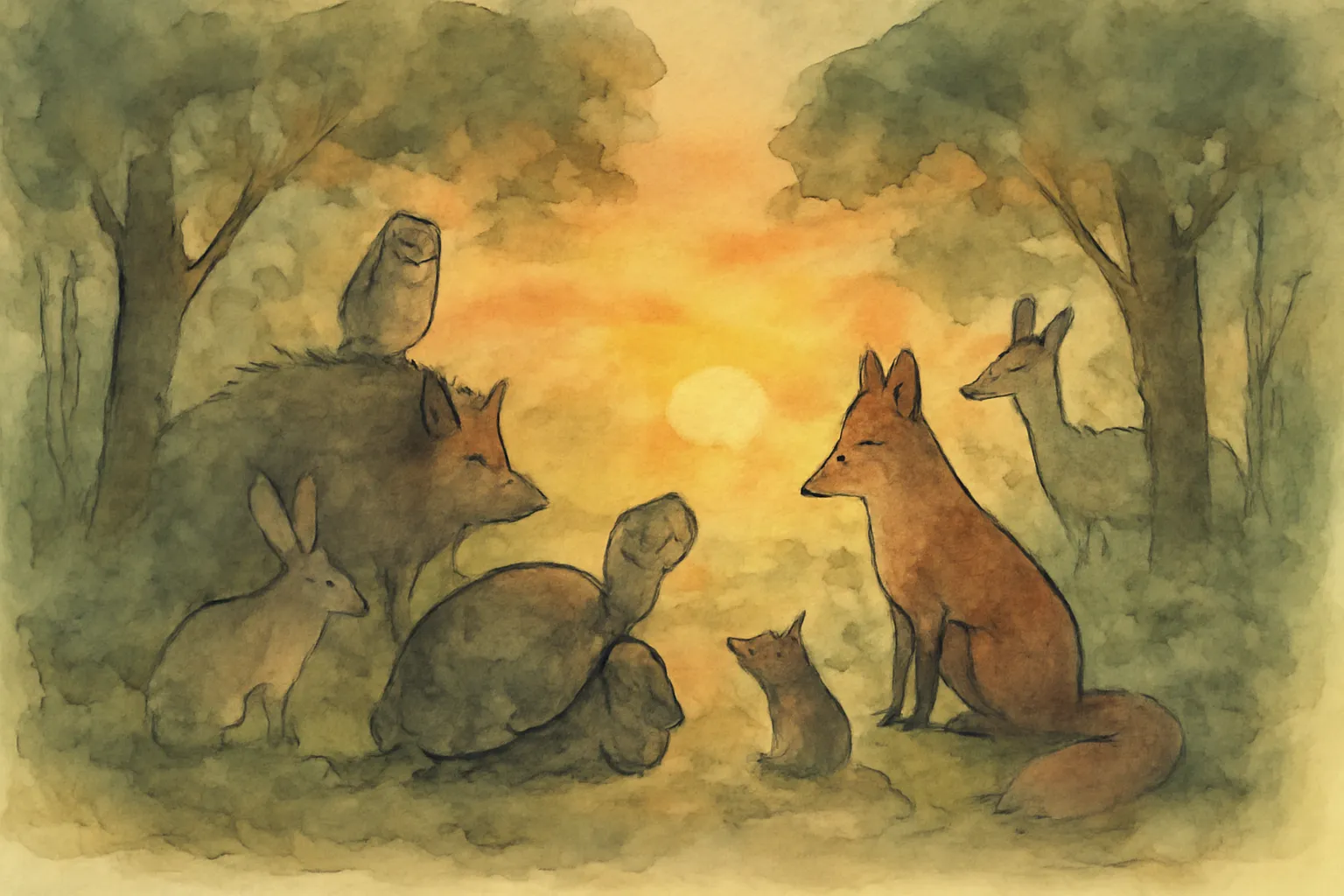
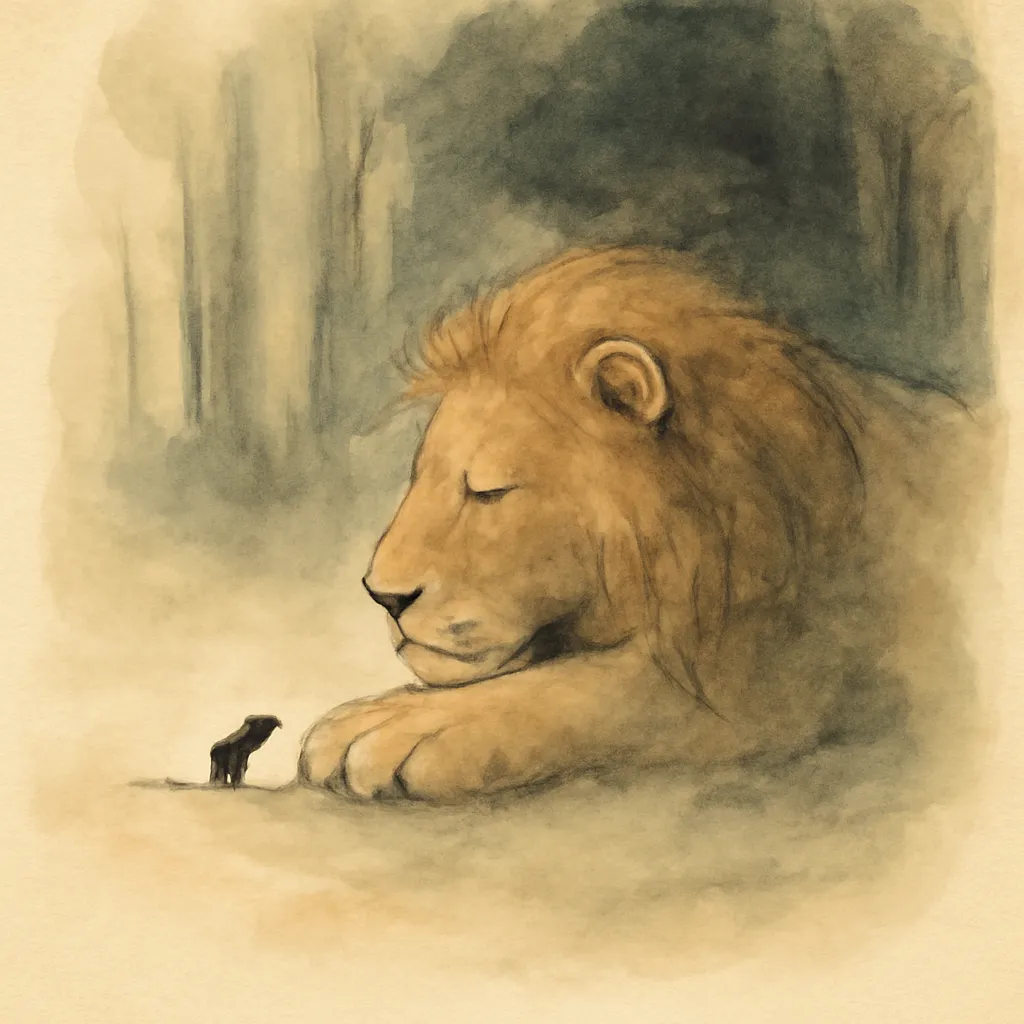
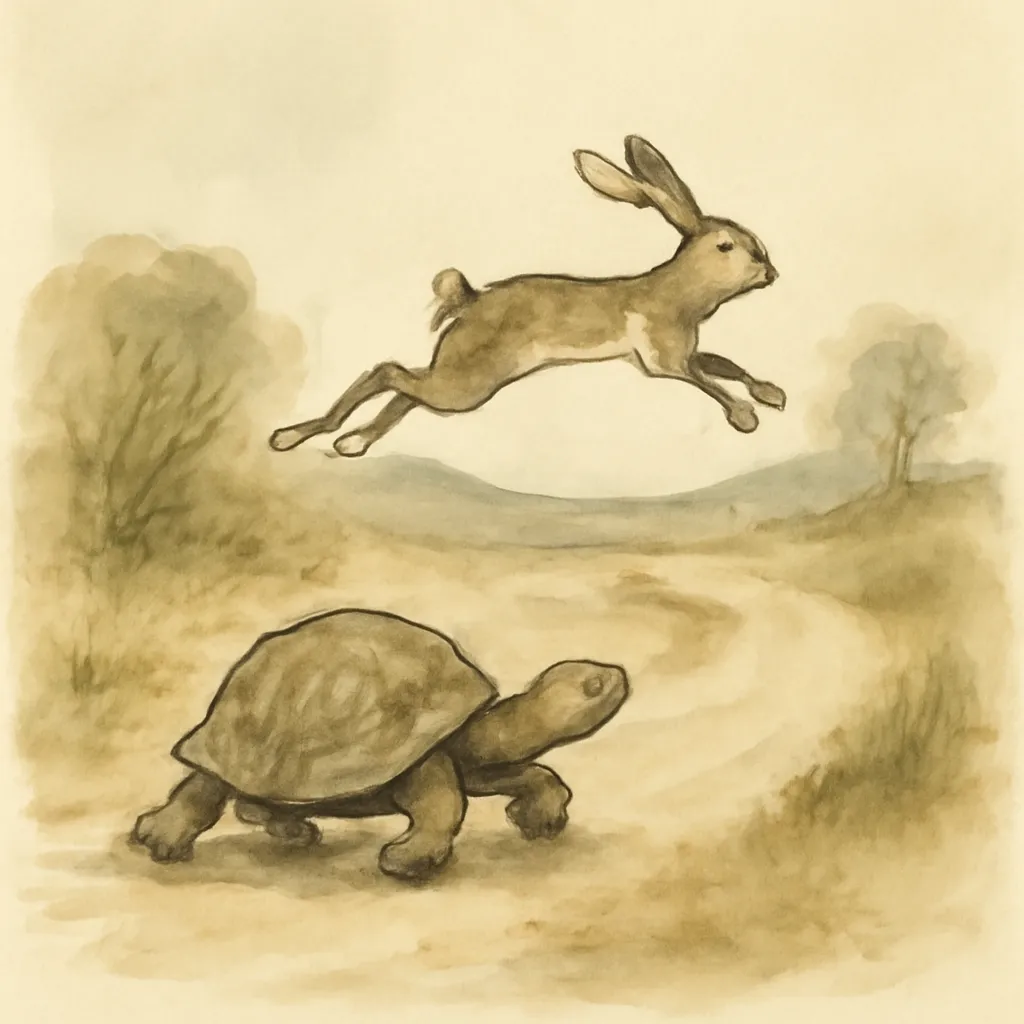
One of the central themes in Aesop's Fables is the idea that intelligence and cunning often triumph over brute strength. For instance, in 'The Lion and the Mouse,' a small mouse is able to help a mighty lion escape from a hunter's net. This fable teaches that even the smallest creatures can be of great help, emphasizing the importance of humility and recognizing the value of all beings, regardless of their size or strength. In another story, 'The Tortoise and the Hare,' the slow but steady tortoise wins a race against the overconfident hare, illustrating that perseverance and determination can outshine natural talent when combined with a strategic approach. These narratives underscore the belief that wit and cleverness are powerful tools in overcoming challenges, often more so than sheer physical prowess.
2.The Consequences of Vanity
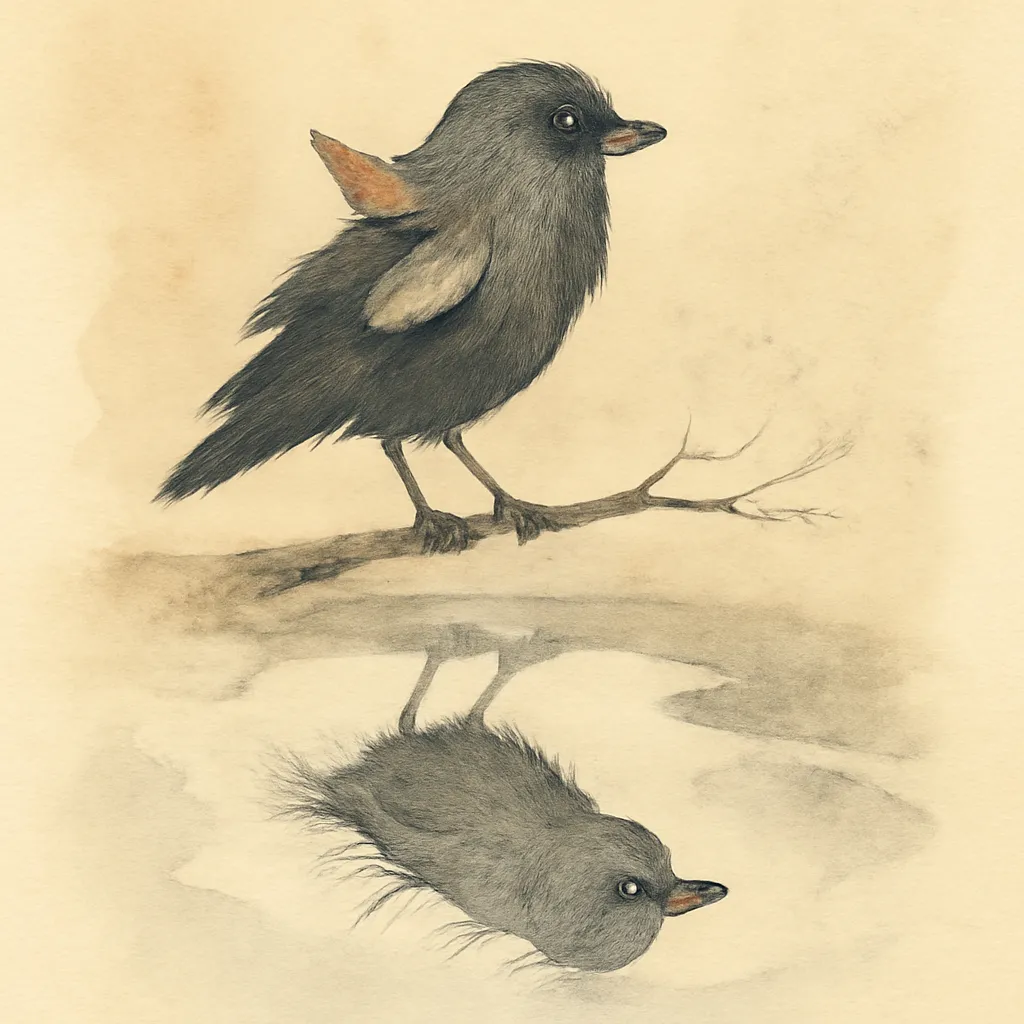
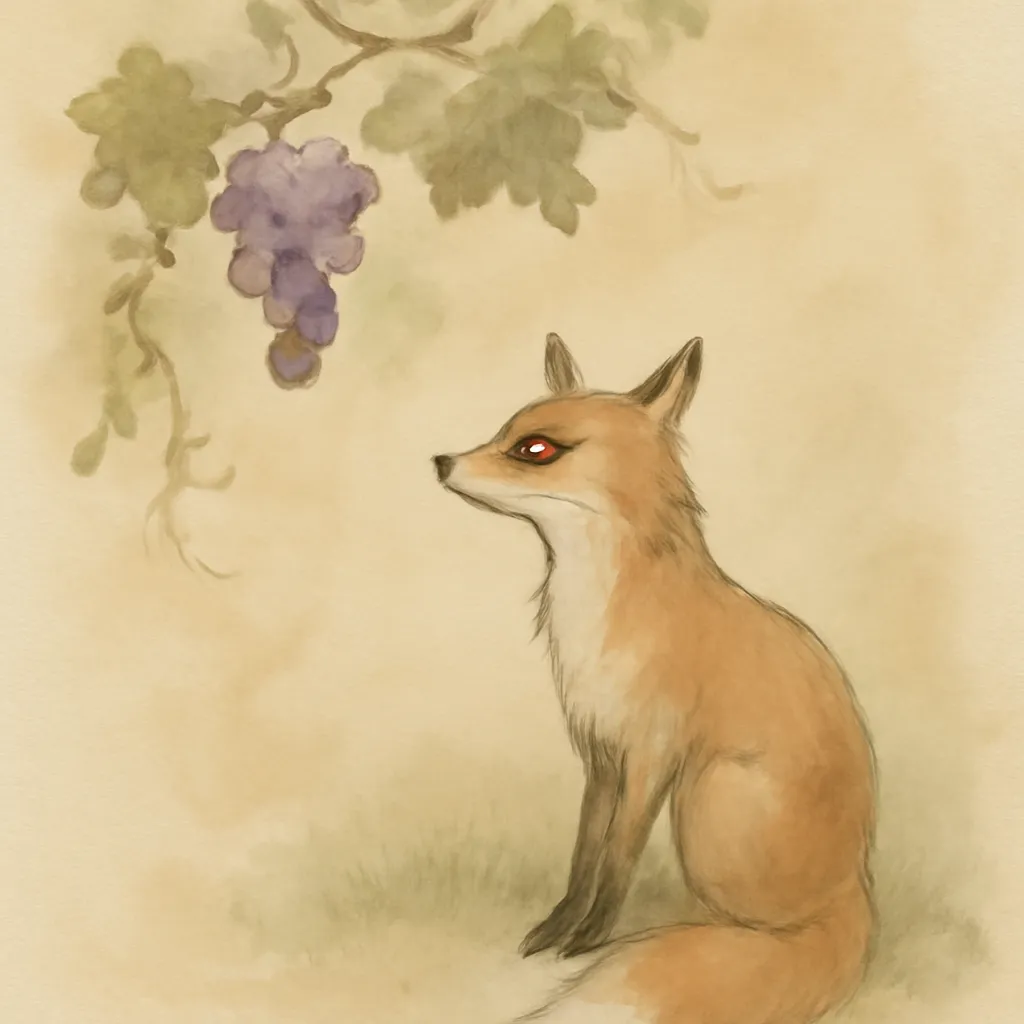
Vanity and pride are depicted as significant flaws in many of Aesop's Fables. In 'The Vain Jackdaw,' the jackdaw tries to adorn itself with borrowed feathers in an attempt to appear more beautiful than it is, only to be exposed and humiliated when the other birds strip him of his false finery. This fable serves as a cautionary tale about the dangers of superficiality and the importance of authenticity. It teaches that true worth comes from within, and that attempting to deceive others for the sake of appearance can lead to one's downfall. Similarly, 'The Fox and the Grapes' illustrates how pride can distort perception; the fox, unable to reach the grapes, claims they are sour, showcasing how vanity can lead to self-deception. These stories remind readers to embrace humility and recognize their limitations.
3.The Dangers of Deceit
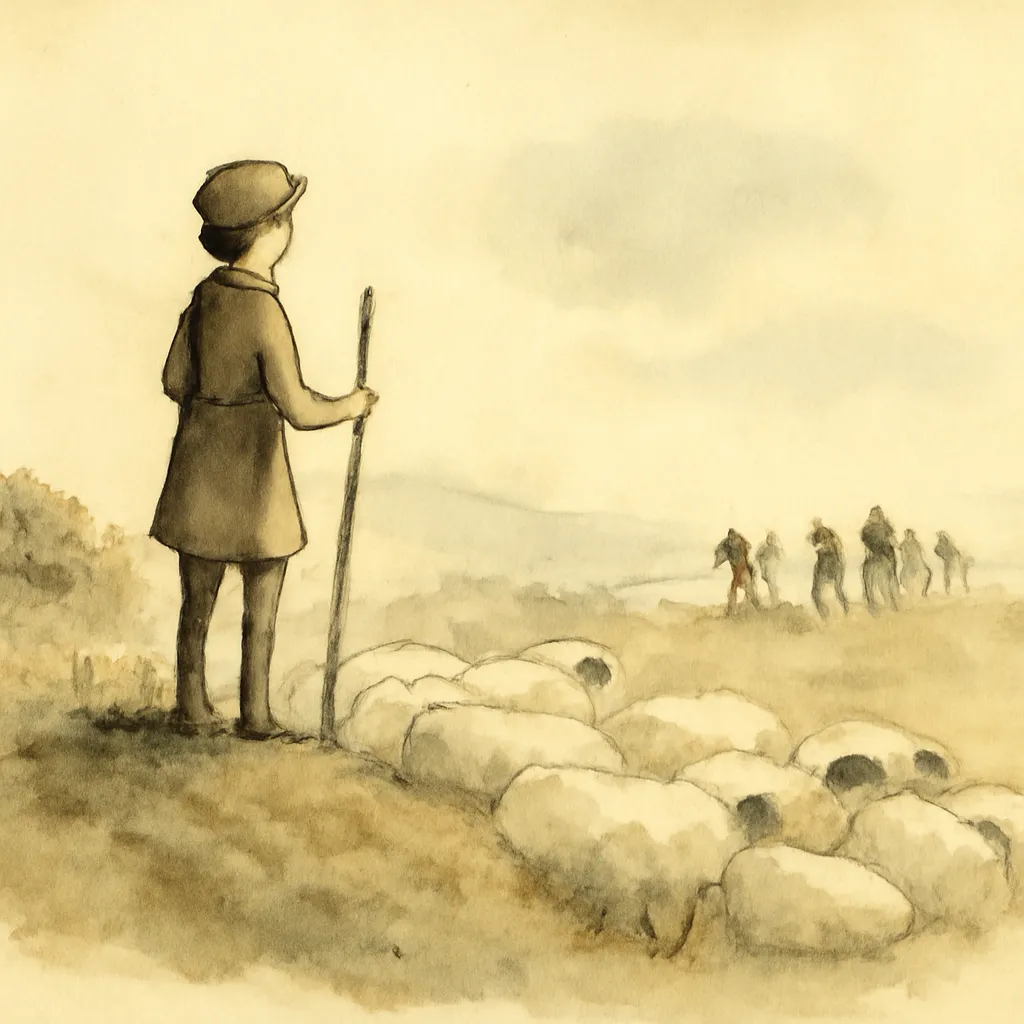
Deceit and trickery are recurring motifs in Aesop's Fables, often leading to dire consequences for those who engage in dishonest behavior. In 'The Boy Who Cried Wolf,' a shepherd boy repeatedly deceives the villagers into thinking a wolf is attacking his flock, only to find that when a real wolf appears, no one believes him. This fable highlights the importance of honesty and the trust that underpins social relationships. Once lost, trust is challenging to regain, emphasizing the long-term repercussions of deceitful actions. Another fable, 'The Fox and the Crow,' illustrates how cunning individuals can manipulate others for their gain. The fox flatters the crow into dropping its cheese, showing that one should be wary of flattery and recognize the potential for manipulation in social interactions. These stories serve as reminders of the value of integrity and the risks associated with dishonesty.
4.Community and Cooperation
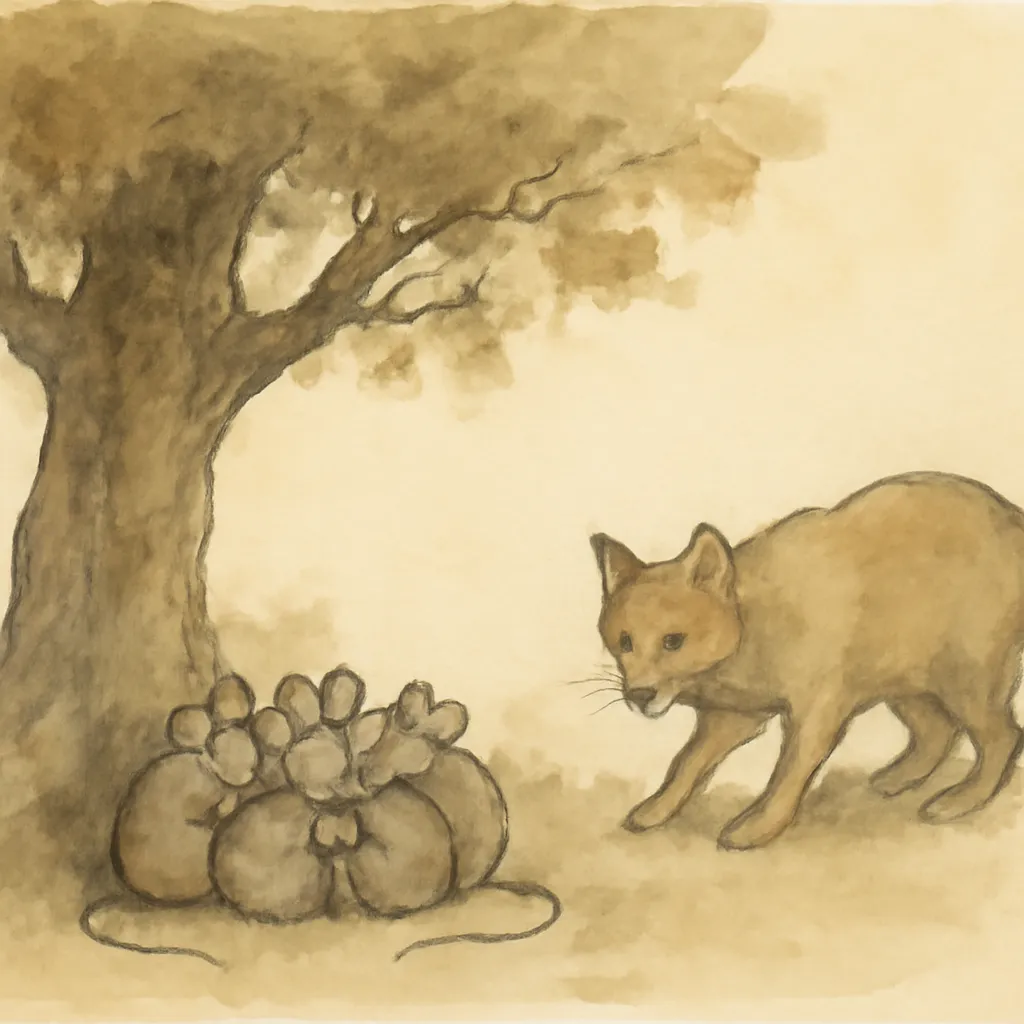
Aesop's Fables often emphasize the importance of community and working together for mutual benefit. In 'The Mice in Council,' the mice gather to discuss how to protect themselves from the cat, but their plans falter due to lack of action. This fable illustrates that while discussions are valuable, they must be followed by decisive action to effect change. It serves as a metaphor for the necessity of collaboration and cooperation in overcoming challenges. Similarly, 'The Charcoal-Burner and the Fuller' demonstrates the importance of understanding one’s limitations and the need to choose companions wisely. The fuller declines the charcoal-burner's offer to share a home, recognizing that their differing trades would lead to conflict. These tales underscore that successful cooperation requires understanding, respect, and alignment of goals among community members.
5.The Perils of Greed
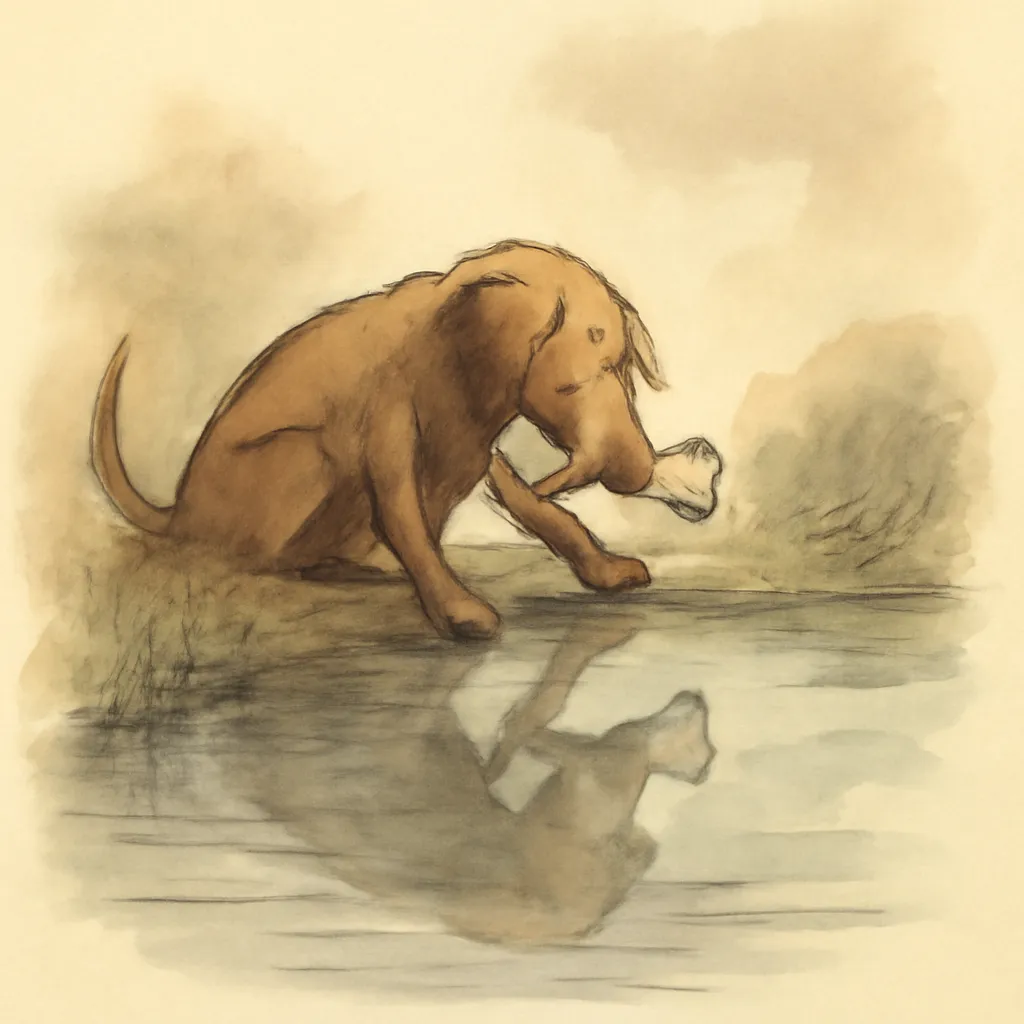
Greed is portrayed as a destructive force in several fables, highlighting the importance of moderation and contentment. In 'The Dog and His Reflection,' a dog carrying a bone sees its reflection in the water and, thinking it is another dog with a bigger bone, attempts to snatch it, only to lose the bone it already had. This fable serves as a powerful reminder that greed can lead to loss rather than gain, teaching the value of appreciating what one already possesses. Another illustrative story is 'The Thirsty Pigeon,' where a pigeon, desperate for water, finds a pitcher but is unable to reach the water at the bottom. Instead of being content with the water it can access, it continues to seek more, ultimately leading to its demise. These narratives urge readers to reflect on their desires and the potential pitfalls of pursuing excess.
6.The Value of Wisdom and Experience
Wisdom and experience are highly valued in Aesop's Fables, often depicted as guiding forces in navigating life's challenges. In 'The Fox and the Grapes,' the fox's dismissal of the grapes as sour reflects a lack of wisdom in understanding one's true desires and limitations. In contrast, the 'The Old Woman and the Wine-Jar' illustrates how experience can lead to appreciation of the past, as the old woman reminisces over the scent of the wine that once filled the jar, understanding that what remains is a reminder of the beauty that once was. These stories encourage readers to seek knowledge and learn from their experiences, emphasizing that wisdom is not only about knowledge but also about understanding the nuances of life and human behavior.
7.Justice and Retribution
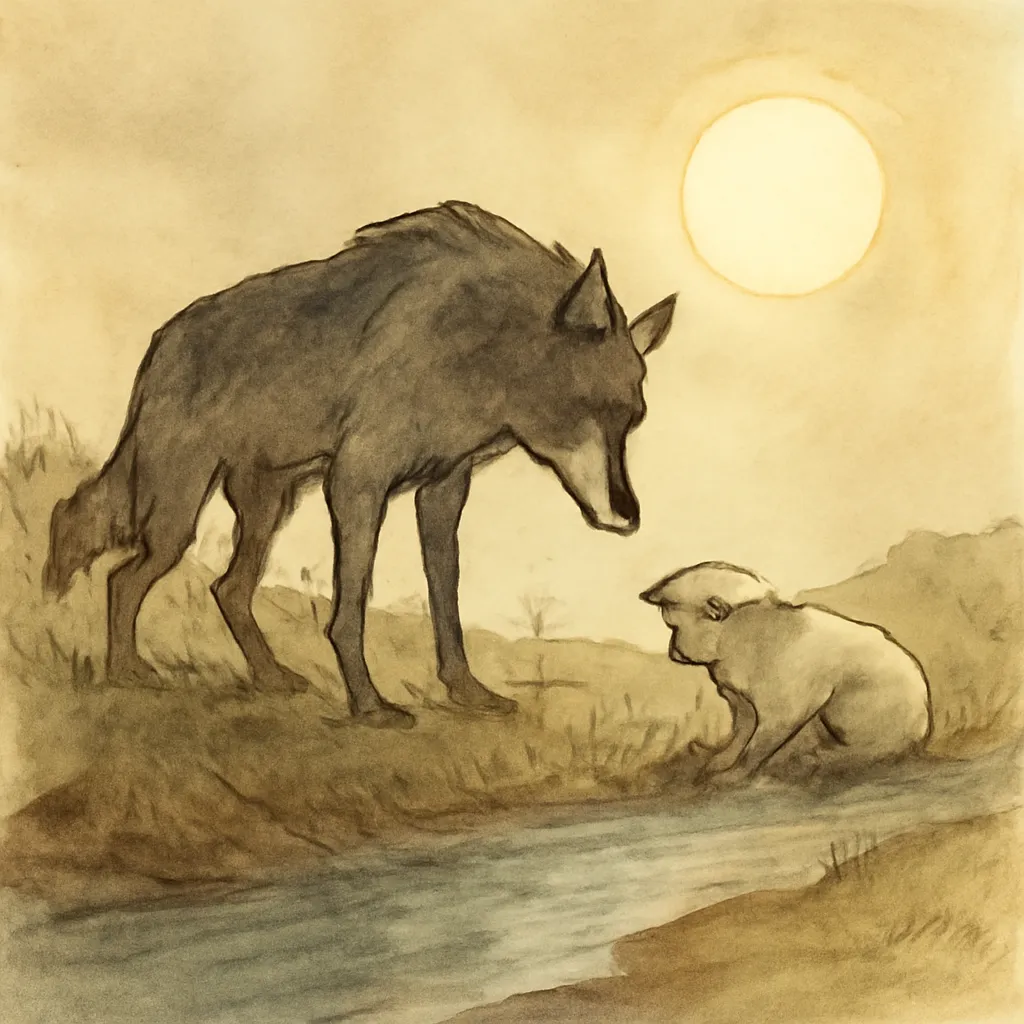
Aesop's Fables frequently present themes of justice and retribution, where characters face the consequences of their actions. In 'The Wolf and the Lamb,' the wolf unjustly accuses the lamb of wrongdoing and ultimately kills it, demonstrating the harsh reality that power can often overshadow justice. This fable serves as a critique of the abuse of power and the vulnerability of the innocent. In contrast, 'The Lion and the Bull' illustrates how wisdom can prevail over brute force, as the bull recognizes the lion's deceit and chooses to walk away. These narratives compel readers to consider issues of fairness, the moral implications of actions, and the importance of standing against injustice, reinforcing the idea that true justice requires vigilance and moral integrity.
8.The Role of Nature in Human Affairs
Nature plays a significant role in Aesop's Fables, often reflecting the moral lessons intertwined with the stories. In 'The Hare and the Tortoise,' the natural traits of the hare and tortoise symbolize different approaches to life—speed and confidence versus patience and perseverance. The tortoise's slow and steady approach ultimately leads to victory, suggesting that nature itself rewards diligence over arrogance. Similarly, 'The Milkmaid and Her Pail' highlights how human ambitions can be thwarted by nature, as the milkmaid's daydreaming leads to her spilling the milk she was carrying. Nature's unpredictability serves as a reminder to remain grounded and focused on the present. These fables encourage readers to respect the natural world and recognize its influence on human endeavors.
9.The Importance of Listening and Learning
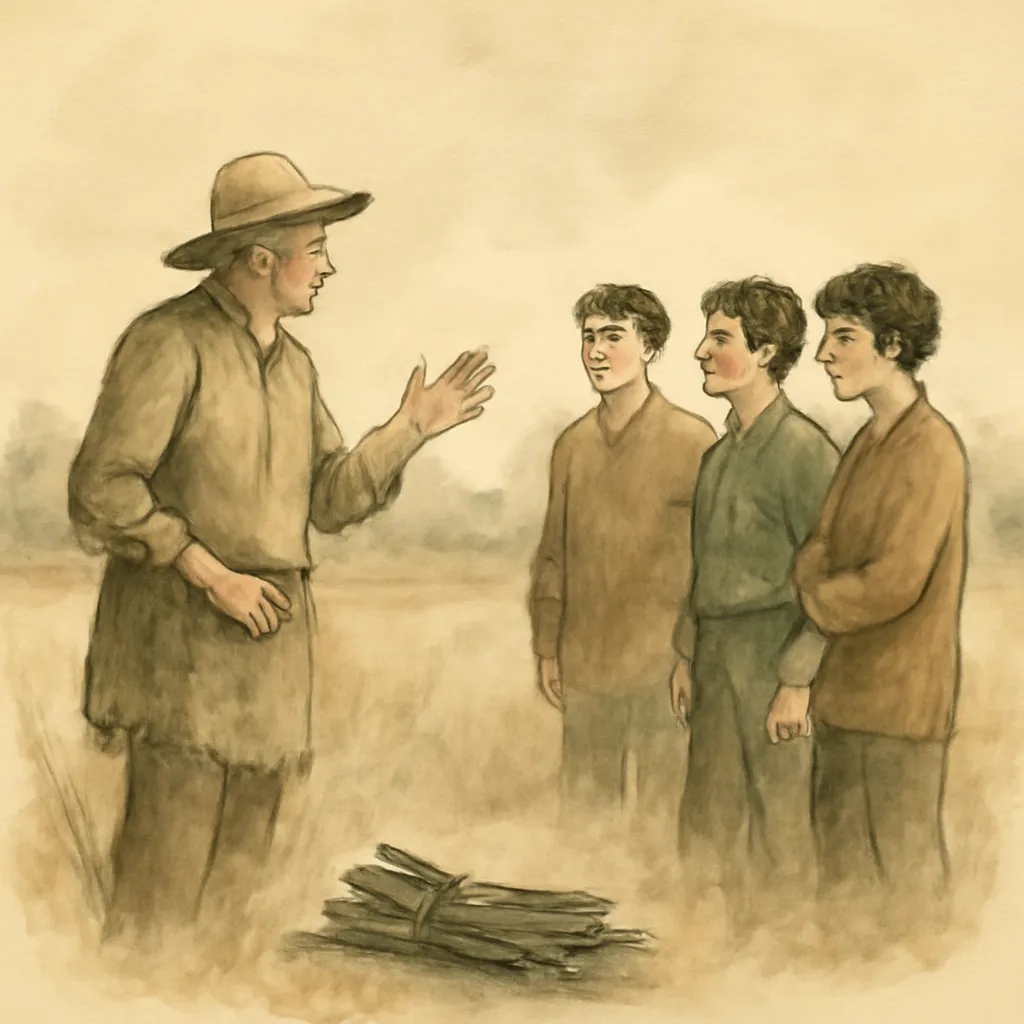
Listening and learning from others is a key theme in Aesop's Fables, emphasizing the value of humility and openness to advice. In 'The Farmer and His Sons,' the farmer teaches his sons the importance of unity by demonstrating how individually they can be easily broken but together they are strong. This fable underlines the lesson that wisdom often comes from collaboration and shared experiences. Another example is 'The Fox and the Crow,' where the crow's failure to heed the fox's subtle flattery leads to its loss. The fox’s manipulation serves as a reminder that one should listen critically and discern the intentions of others. These stories highlight the necessity of being receptive to the lessons that life and others can teach us, reinforcing the idea that wisdom is often derived from the experiences of those around us.