1.The Constraints of High Society
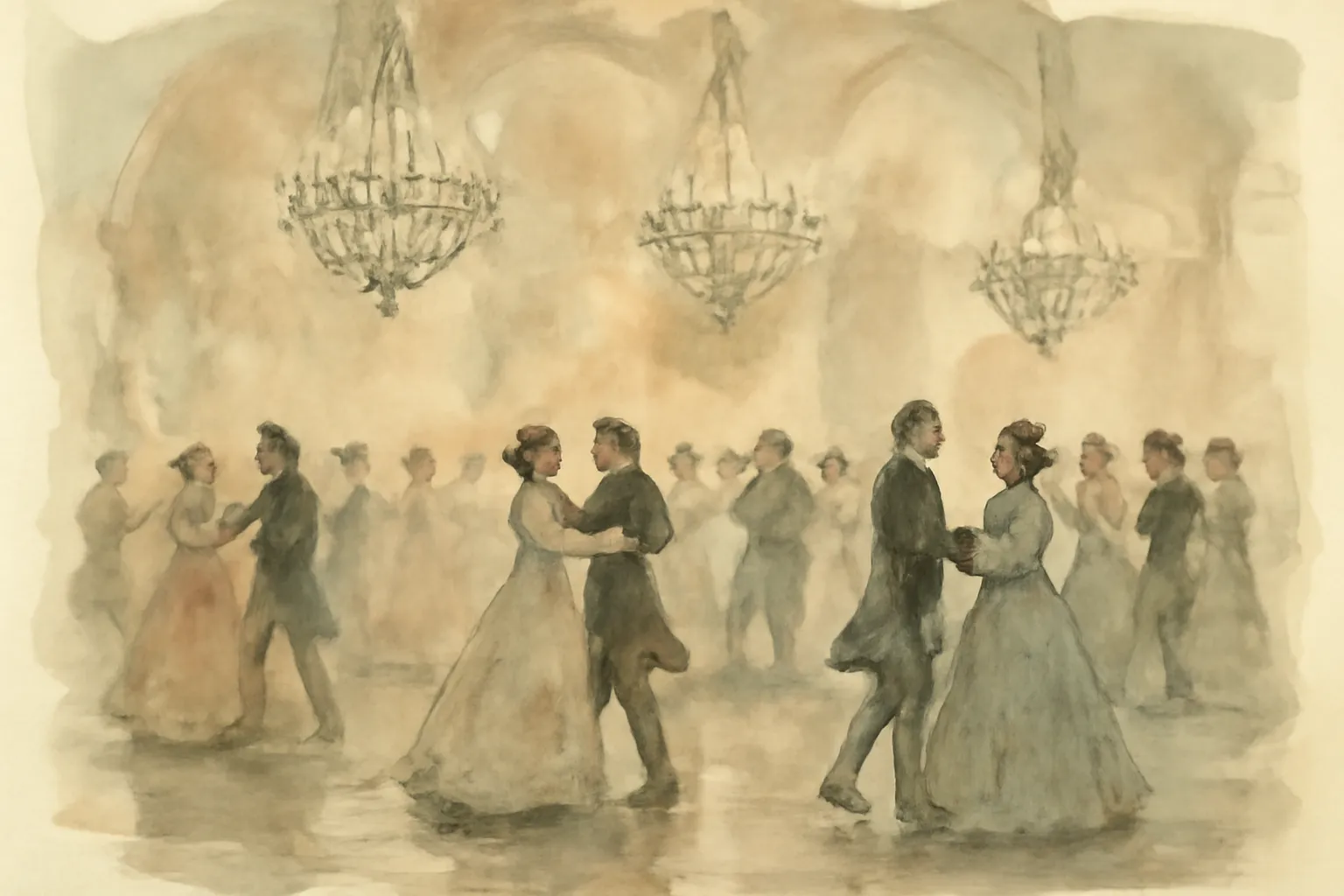
Wharton meticulously illustrates the rigid codes of conduct that govern the lives of the upper class in New York. The opening scenes at the Academy of Music showcase a world where status is maintained through careful navigation of social norms. Newland Archer, who is acutely aware of these expectations, embodies the conflict between personal desire and societal obligation. The Academy, with its shabby elegance, symbolizes the bittersweet nostalgia for tradition while hinting at the impending changes that threaten the fabric of society. This tension is palpable as Archer grapples with the notion that his life is dictated by the very conventions he secretly despises, setting the stage for his internal struggle throughout the novel.
2.The Role of Women in Society
The novel presents a stark contrast between the lives of May Welland and Ellen Olenska, highlighting the limited roles available to women of their class. May represents the ideal of the obedient wife, trained to fulfill her duties without question, while Ellen challenges these norms with her independent spirit. Wharton uses May’s character to expose the societal expectation that women should be passive and compliant, as seen in her engagement to Archer, which is celebrated rather than questioned. In contrast, Ellen's return from Europe symbolizes a break from these constraints, as her desire for freedom and authenticity clashes with the expectations of her family and society. This dynamic raises crucial questions about the sacrifices women make for societal acceptance and the impact of these roles on their identities.
3.Newland Archer's Internal Conflict
Archer's character is central to understanding the conflict between personal happiness and societal approval. As he navigates his engagement to May, he becomes increasingly aware of his feelings for Ellen, prompting a profound internal struggle. His admiration for Ellen's independence and vitality stands in stark contrast to the predictable and safe life he is expected to lead with May. This tension culminates in his realization that he must choose between adhering to societal expectations or pursuing his own desires. Wharton's portrayal of Archer's turmoil is nuanced, illustrating his guilt and fear as he grapples with the consequences of either choice. This internal conflict drives the narrative, as Archer seeks a balance between love and duty, ultimately leading to a heartbreaking conclusion.
4.The Symbolism of the Opera
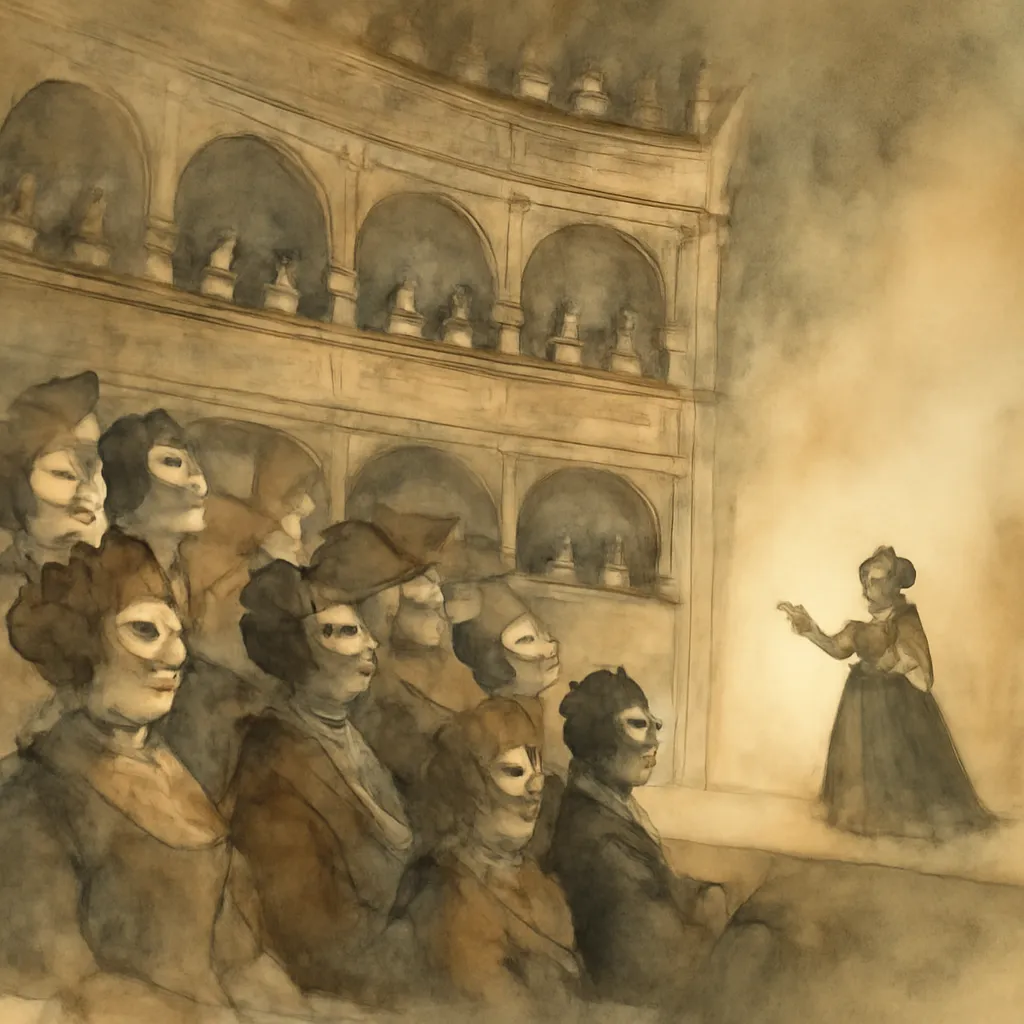
The opera serves as a significant backdrop in the novel, representing both the allure and the superficiality of high society. It is a space where social masks are worn, and true emotions are often concealed behind performances. Newland’s first sight of Ellen at the opera is a pivotal moment, as it ignites his fascination with her and sets the stage for their tumultuous relationship. The opera's grandeur contrasts with the characters' inner lives, highlighting the disparity between their public personas and private desires. Wharton uses this setting to critique the performative nature of social interactions, suggesting that the characters are trapped in roles dictated by societal expectations, unable to express their true selves amidst the spectacle.
5.Ellen Olenska: The Outsider
Ellen Olenska's character embodies the theme of the outsider in 'The Age of Innocence.' Her return from Europe marks her as a figure of intrigue and scandal, challenging the norms of her family and society. Ellen’s status as a divorced woman places her in a precarious position, viewed with both sympathy and disdain by those around her. Her struggle for autonomy and self-definition contrasts sharply with the expectations placed upon women like May, who conform to societal norms. Wharton portrays Ellen as a tragic figure, caught between her desire for freedom and the suffocating constraints of her social circle. Her relationship with Archer symbolizes the possibility of genuine connection, yet it is ultimately thwarted by the societal forces that bind them.
6.The Nature of Love and Desire
Wharton intricately examines the complexities of love and desire, illustrating how they can be both liberating and destructive. Archer's feelings for Ellen awaken a longing for a life that defies convention, yet this desire is fraught with peril. His love for May, rooted in societal expectation, becomes increasingly suffocating as he yearns for the passion that Ellen represents. Wharton suggests that true love requires authenticity and freedom, yet societal norms often dictate a different path. The tension between Archer’s obligations and his desires ultimately leads to a poignant exploration of the sacrifices made in the name of love, leaving readers to ponder the cost of conformity in the pursuit of happiness.
7.The Influence of Family and Tradition
Family and tradition play crucial roles in shaping the characters' lives and decisions throughout the novel. The Mingott family, as the matriarchal force, embodies the weight of tradition, dictating the behavior and expectations of its members. Newland's respect for his family’s legacy influences his choices, often leading him to suppress his true feelings for Ellen. Wharton illustrates how familial pressure can stifle individuality, as characters grapple with the expectations placed upon them by their lineage. The novel ultimately suggests that the bonds of family, while providing a sense of identity, can also be a source of conflict, as characters like Archer must navigate the delicate balance between loyalty to family and personal fulfillment.
8.The Tragic Nature of Conformity
Wharton poignantly captures the tragic nature of conformity, as characters are often forced to sacrifice their happiness for the sake of societal acceptance. Archer's decision to marry May, despite his feelings for Ellen, exemplifies the tragic consequences of adhering to social norms. Wharton’s portrayal of this sacrifice is not merely a reflection of personal choice but a commentary on the broader implications of conformity in society. The ending of the novel serves as a powerful reminder of the costs associated with maintaining appearances, as Archer realizes that his adherence to societal expectations has ultimately led to a life devoid of genuine connection. This tragedy resonates deeply, inviting readers to reflect on the pressures of conformity in their own lives.
9.The Role of Gossip and Public Opinion
Gossip and public opinion are pervasive forces in 'The Age of Innocence,' shaping the characters' actions and perceptions. The scrutiny of society acts as a double-edged sword, providing a sense of belonging while simultaneously enforcing conformity. Wharton illustrates how characters are acutely aware of public opinion, often altering their behavior to align with societal expectations. This dynamic is particularly evident in the treatment of Ellen, whose divorce and subsequent actions become fodder for gossip, further isolating her from her peers. The novel critiques the power of gossip, revealing its capacity to destroy lives and stifle individuality, as characters navigate a world where reputation is paramount.
10.The Final Confrontation with Reality
The climax of 'The Age of Innocence' occurs when Archer must confront the reality of his choices and the life he has built. After a series of encounters with Ellen, he is faced with the stark realization that he cannot escape the confines of his social world. Wharton masterfully builds tension as Archer oscillates between his desires and obligations, culminating in a moment of painful clarity. The final scenes highlight the futility of his dreams of a life with Ellen, as he ultimately chooses the path of least resistance. This confrontation with reality serves as a poignant commentary on the nature of sacrifice, love, and the consequences of societal expectations, leaving readers with a sense of melancholy and reflection.